Best Bose Speakers for Turntable by Budget: A Smart Guide for 2026
Disclosure: We may earn a commission when you buy through links on this page, at no extra cost to you. As an Amazon Associate I earn from qualifying purchases. Learn more

Compare the best bose speakers for turntable by budget in this guide to inputs, phono needs, placement, and sound, so your vinyl setup works the first time.
A turntable setup fails at the connection stage more often than at the sound stage. Many Bose speakers are wireless first designs with few or no analog inputs, and a turntable signal needs the right gain and equalization before any speaker can play it. Shoppers for the best bose speakers for turntable use need a clear plan for inputs and budget. This guide explains what each tier buys you, and the product table below shows current options to check for the inputs your deck requires.
Your chain has three links: the turntable, a phono stage built into the deck, the speaker, or a separate unit, and the speaker itself. Miss one link and you get silence or a thin, quiet sound. For a broader comparison of complete setups, see our guide to the best turntable and speakers combinations.


Setups by Budget
Budget Setup
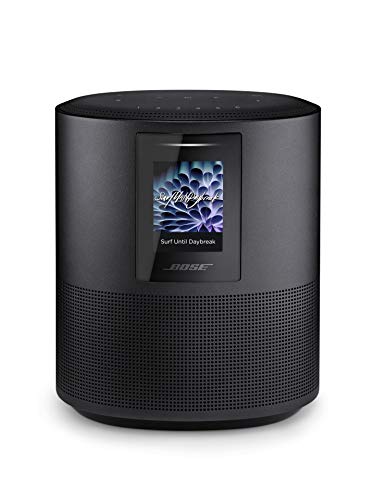
The budget profile pairs a compact Bose speaker that has an auxiliary input with a turntable that includes a built in phono stage and a line level output, for a total around $150 to $350 if you already own the deck. Sound is clear and pleasant for a desk or small room, and Bluetooth covers streaming on days you do not play records. The limit is stereo width, since one small speaker sums the channels. Choose this profile for casual listening, and verify the auxiliary input exists, because some portable models omit it.
Midrange Setup
The midrange profile adds a larger home Bose speaker or a soundbar style unit with an optical or auxiliary input, plus a separate phono stage if your deck lacks one, usually about $350 to $700 all in. You gain fuller bass, better volume headroom, and a more stable sound for a living room. This tier suits regular record listeners who also want TV or streaming duty from the same speaker. The trade off is that a single wide speaker still gives limited true stereo separation compared with a spaced pair.
Premium Setup
The premium profile spends about $700 to $1,200 on the strongest Bose home speaker options that accept your signal, a quality phono stage, and proper stands or isolation pads. You get cleaner detail, deeper bass control, and a setup that reveals differences between pressings. This tier makes sense for a dedicated listening corner and a growing record collection. It still will not match a purpose built two speaker stereo system for imaging, so weigh that limit honestly before spending at the top.
What Your Money Gets You at Each Price Tier
Budget Tier: What to Expect
Budget money buys convenience: one speaker, Bluetooth for other sources, and a simple wired path for records. Expect modest bass, volume suited to one room, and few tone controls beyond an app EQ. The phono stage in an affordable deck is usually serviceable rather than refined, which is fine for casual play. Keep cables short and tidy, because a long cheap cable can add hum. This tier is a sensible first step that teaches you how much you actually listen before you invest more.
Midrange Tier: The Sweet Spot for Most Buyers
The midrange tier buys headroom and flexibility. Larger drivers fill a normal room without strain, app EQ helps balance a speaker placed on furniture, and an extra input lets a TV or streamer share the speaker. A standalone phono stage in this range often lowers noise compared with the cheapest built in circuits, so quiet passages stay quiet. Most buyers should stop here unless they sit down for focused listening often. Our guide to the best bose speakers can help you sort the wider Bose range by room and use.
Premium Tier: When Spending More Pays Off
Premium spending pays off when it goes to the signal chain, not just the speaker. A better phono stage, a well maintained stylus, and stable placement improve records more than a small step up in speaker size. You also gain build quality and controls that feel precise. If your records are mostly worn or your room is noisy, premium electronics will expose those flaws rather than hide them, so divide the budget between source, phono stage, and speaker instead of pouring it all into one box.
Features Worth Paying For and Ones to Skip
Placement and Room Size for Speakers
Placement shapes vinyl sound because records carry low frequency information that can feed back into the deck. Keep the speaker and the turntable on separate surfaces, or use isolation pads, so bass vibrations do not reach the stylus and cause rumble or skipping. In a small room, a compact speaker near your seat beats a large one across the room. Leave space behind and beside the speaker where the design needs it, and keep the deck level, away from foot traffic vibration, and out of direct sun that can warp records.
Features That Matter for Turntable
The features that matter are an analog input, correct phono gain, and low noise. Confirm whether your turntable outputs phono level or line level, and whether the speaker or an external stage will handle the phono signal. A ground wire connection on the phono stage stops hum in many setups. Bluetooth on the speaker is a bonus for streaming, not the record path, since sending vinyl over Bluetooth adds delay and compression. If comparing powered designs in general, our guide to the best active speakers for turntable explains input expectations clearly.
Connectivity: Bluetooth Version, Codecs, and Wired
For records, wired is the main event: a short RCA to auxiliary cable or an optical path from a suitable source keeps the signal stable. Bluetooth 5.3 and multipoint help when the same speaker streams from your phone, and codec support such as AAC matters only for that streaming use. Some turntables transmit Bluetooth to wireless speakers, which is convenient but converts your analog record to digital on the way. If you value the traditional vinyl chain, keep the record path wired and use wireless for everything else.
Sound Quality and Tuning
Vinyl rewards a balanced tuning. Excess bass emphasis can thicken older recordings and increase feedback risk, while a bright tuning exposes surface noise. Look for smooth midrange for vocals and acoustic instruments, plus app EQ so you can trim bass when the speaker sits on a resonant shelf. Driver size matters less than control: a moderate speaker placed well will sound cleaner than a large one exciting room boom. Listeners who prefer a classic powered pair layout can compare notes in our guide to the best powered speakers for turntable.
Long Term Costs to Factor In
Records add running costs that streaming does not. Budget for stylus replacement, record cleaning supplies, inner sleeves, and eventual phono stage or cable upgrades. A worn stylus damages records, so replacement on the maker schedule protects your collection. Speakers themselves need little upkeep beyond dusting and firmware updates for smart features. Warranty and repair support matter for powered electronics. Add these costs across five years and a sensible midrange chain often beats a cheap chain that needs constant small fixes.
FAQs
What features matter most in Bose speakers for turntable use?
An analog input and low noise playback matter most, because without an input the turntable cannot connect at all. Next comes correct phono handling somewhere in the chain, either in the deck or a separate stage. After that, judge midrange clarity and placement flexibility. Bluetooth, voice control, and multiroom features are extras for other sources and should never outrank the wired path your records depend on every day.
Is a separate phono stage worth the extra cost?
A separate phono stage is worth it if your turntable lacks one, or if hum and noise spoil quiet passages with the built in option. It also lets you keep the stage when you change speakers later. If your deck has a decent built in stage and your listening is casual, start with it and upgrade only when you hear a clear problem. Spend on a clean, well grounded stage rather than extra features you will not use.
Wired or wireless: which sounds better for vinyl?
Wired sounds better for vinyl in most setups because it keeps the analog signal intact and avoids delay and dropouts. A Bluetooth turntable link is convenient for a portable speaker across the room, but it digitizes the record and can soften detail. If you choose wireless for convenience, accept it as a lifestyle trade off. For your main listening seat, a short wired run is cheap, stable, and easy to troubleshoot.
How long does the battery last on a portable Bose speaker used with a turntable?
A portable model used at home volume typically runs about 6 to 20 hours depending on size, and most turntable listeners simply keep it plugged in. Battery power can even reduce electrical hum in some setups, which is a handy diagnostic trick. For daily record sessions, treat battery life as a backup feature, and choose the speaker for its input and sound rather than its runtime rating.
Final Thoughts
Confirm the input, plan the phono stage, and place the speaker away from deck vibration. Those three steps decide whether a Bose and vinyl pairing sings or disappoints. Check your short list in the product table, compare wireless extras in our guide to the best bose wireless speakers if streaming matters too, and you will find the best bose speakers for turntable setup for your budget.