Best Bose Speakers for Home 2026: Whole Room Sound Guide
Disclosure: We may earn a commission when you buy through links on this page, at no extra cost to you. As an Amazon Associate I earn from qualifying purchases. Learn more

Choose Bose home speakers by room size, system type, and connection so music and TV sound fill rooms without clutter or complexity. Choose with confidence.
Choosing best bose speakers for home setups is about matching speakers to how you actually listen, whether that means background music in the kitchen, focused listening in a living room, or TV sound the whole family can follow. Home speakers should disappear into the room and leave only the sound. The product table below helps you compare system types, room fit, and connections.
Start by listing your rooms and your sources: TV, phone, turntable, or voice assistant, and note whether you want one room or several rooms playing together. Also measure your main room, since a small bedroom and a large open living area need very different speakers. Those answers point to the right system type quickly.


One Room or Whole Home
A single room system can be as simple as one soundbar or a pair of speakers, and it suits focused listening or TV sound. A whole home system links several rooms so music follows you from kitchen to living room, with independent volume in each room. Whole home systems cost more and need planning, but they remove the need to carry a portable speaker around.
If you are unsure, start with your main room and choose a system that can expand later. Many home speaker lines let you add rooms over time, which spreads cost and lets you learn what you value. Avoid buying every room at once before you know how you use the first one.
Bose Options for Home Listening
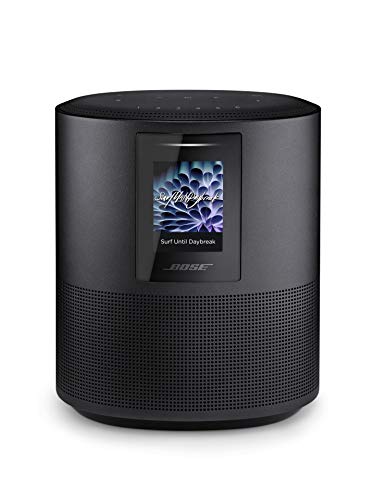
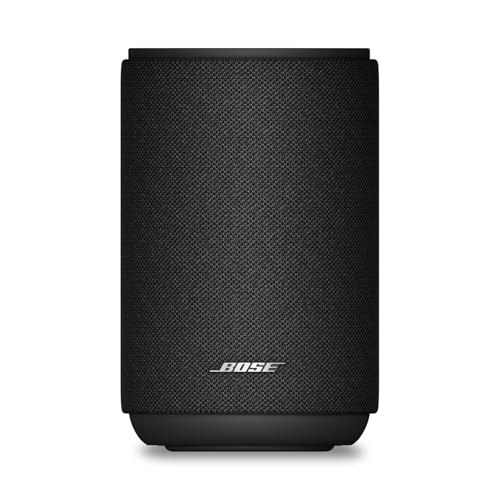
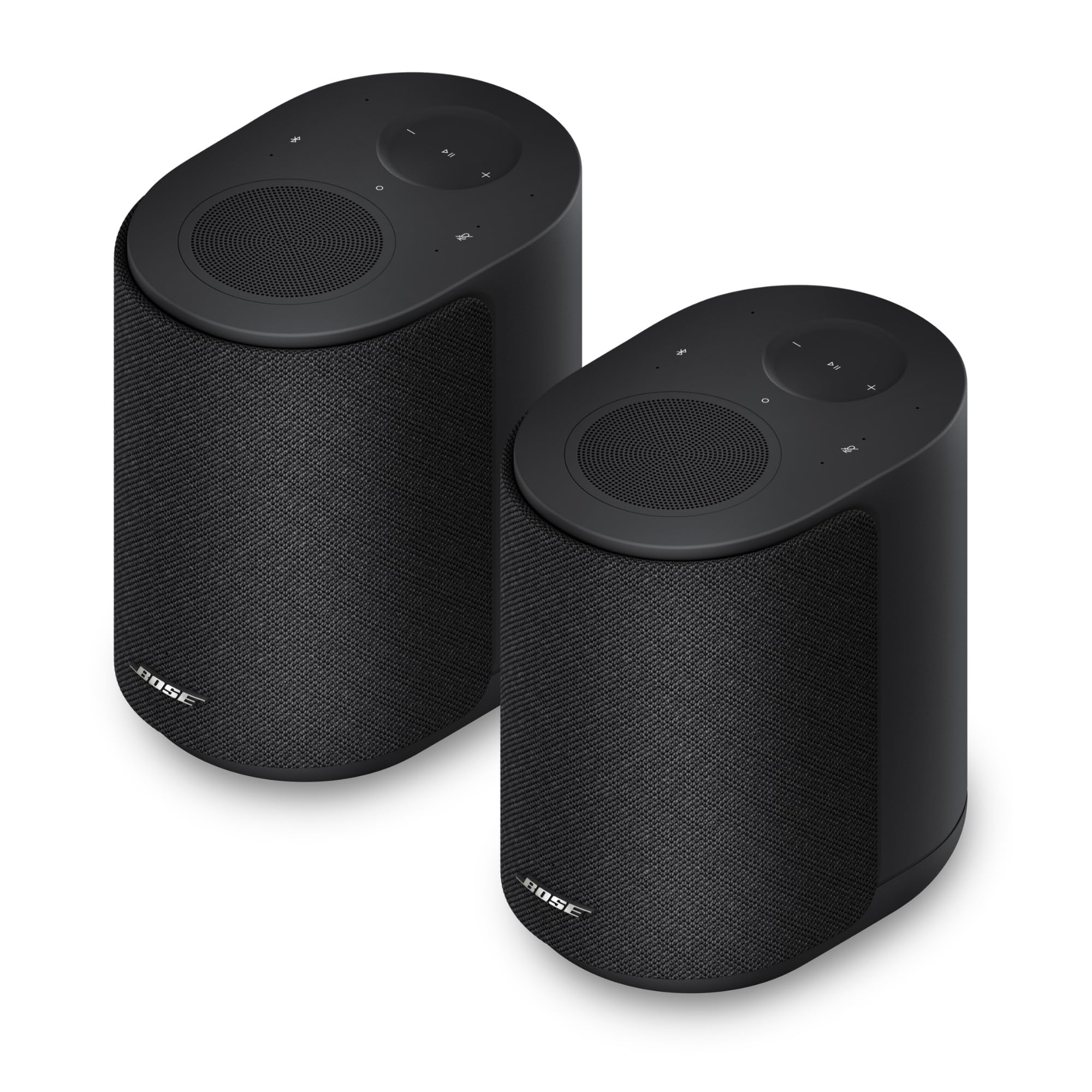
Bose offers home audio in several forms. Smart home speakers are single cabinets that stream over WiFi, take voice commands and can group with other rooms. They suit kitchens, bedrooms and living rooms where you want music without extra boxes. Wireless stereo sets pair two matching speakers for true left and right sound, which gives music a wider and more natural image than a single cabinet.
For television sound, Bose sells soundbars from compact models to larger bars with Dolby Atmos and optional bass modules and rear speakers. A bar is the simplest way to improve dialogue and movies, and it can join the same app as your music speakers. Portable Bluetooth speakers fill the gaps, moving to a patio or a spare room when needed.
A sensible plan is to start with the room you use most, choose the form that suits it and add rooms over time. Keep the app in mind, because grouping, equalizer settings and firmware updates all live there, and check that any new speaker works with what you already own.
Soundbars, Stereo Pairs, and Surround
Soundbars simplify TV sound with one unit under the screen, and many include a wireless subwoofer for deeper bass. Stereo pairs give a wider, more natural music image and suit listeners who sit in one spot to enjoy music. Surround systems add rear and height speakers for movies, creating a theater feeling at home.
Choose by your main use: soundbars for simple TV improvement, stereo pairs for music first homes, and surround for movie lovers with a dedicated viewing room. A surround system in a small, reflective room can overwhelm dialogue, so room size and acoustics should guide the choice as much as enthusiasm.
Room Size and Placement
Room size sets speaker size: small rooms suit compact speakers, while large open rooms need larger drivers and more power to fill the space. Place stereo speakers at ear height with equal distance to your seat, and keep them clear of corners when possible. A soundbar should sit centered under the TV, close to ear height for clear dialogue.
Soft furnishings help sound a lot: rugs, curtains, and bookshelves tame echo in bare rooms. If voices sound harsh, add soft surfaces before buying new equipment. Keep speakers away from heat sources and direct sun, and leave ventilation space around amplifiers and soundbars.
Connections and Everyday Control
Wi Fi streaming suits whole home music, Bluetooth suits quick phone playback, and wired links suit TV and turntable sources. Choose a system that covers your sources without forcing you through a confusing app for basic volume. A simple remote or voice control for daily use matters more than exotic features you rarely touch.
Check compatibility with your TV, phone, and any voice assistant you already use, since mixed systems can frustrate. A system that joins your existing setup smoothly will get used daily, while a system that needs workarounds will gather dust. Test control with your own devices before committing when possible.
Budget, Value, and Growth
Spend the largest share on the speakers for your main room, since that is where you listen most. Secondary rooms can use simpler speakers without hurting the overall experience. Avoid paying for surround channels you will not install or for finishes that clash with your rooms.
Plan for growth by choosing a line with compatible additions, and keep cables and power access in mind for future rooms. A system that grows with your home gives better long term value than a closed system that must be replaced to expand. Buy for the home you live in now, with room to grow.
Related Guides to Read Next
If you want to compare nearby options, these related guides can help: best bose speakers for home theater, best home speakers, best wireless speakers for home, best quality speakers for home theater, best home entertainment speakers. Each one covers a different angle, so start with the guide that matches your room, your budget, or your next question.
Frequently Asked Questions
Is a soundbar enough for a living room TV?
Yes, for most living rooms a good soundbar greatly improves dialogue and music over built in TV speakers. It suits viewers who want simple setup and clear sound without multiple speakers. Movie lovers with a dedicated room may prefer surround sound for immersion. For everyday TV, news, and casual movies, a soundbar is usually enough.
Do I need a subwoofer at home?
A subwoofer adds depth for movies and bass heavy music, but it is not essential for voices, acoustic music, or small rooms. In apartments, a subwoofer can disturb neighbors, so a pair of full range speakers may be wiser. If you add one, keep volume modest and place it where bass sounds even. Many listeners are happy without a subwoofer.
Can home speakers work in multiple rooms?
Yes, many modern home speaker systems link rooms over Wi Fi so music plays in sync or independently per room. Each room needs a compatible speaker and a stable network, so check your Wi Fi coverage first. Multi room control through an app or voice assistant makes daily use simple. Start with one or two rooms and expand gradually.
How important is speaker placement at home?
Placement is very important, since even excellent speakers sound poor in a corner or behind furniture. Keep stereo speakers at ear height, equally distant from your seat, and clear of walls when possible. Soundbars should sit centered under the TV. Small placement changes often improve sound more than a more expensive speaker.
Should home speakers be wired or wireless?
Wireless speakers suit multi room music and flexible placement, while wired links suit TV and high quality sources with no dropouts. Many homes mix both: wired for the main TV system and wireless for secondary rooms. Choose wired where reliability matters most and wireless where flexibility matters most. A mixed system often works best.
Final Thoughts
The product table helps you compare system types and room fit, but the best home setup is the one you use every day without friction. Start with your main room, match speakers to your sources, and leave room to grow. With best bose speakers for home chosen this way, music and TV gain warmth and clarity that make home feel a little more inviting.