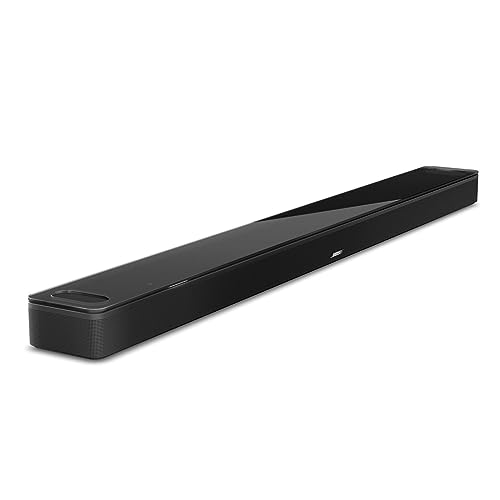
Best Bose Outdoor Speakers 2026: Patio Sound Buying Guide
Disclosure: We may earn a commission when you buy through links on this page, at no extra cost to you. As an Amazon Associate I earn from qualifying purchases. Learn more

Compare Bose outdoor speakers by coverage, weather rating, wiring, and placement so your patio or garden sounds even and clear. Use this guide before you buy.
Planning best bose outdoor speakers for a patio or garden is different from choosing indoor speakers, because sound spreads freely outdoors and weather never takes a day off. The goal is even coverage at conversation friendly volume, not one loud spot and several quiet corners. The comparison table below helps you compare speaker types, coverage, and weather protection.
Start by sketching your outdoor space: patio size, seating areas, pool or garden zones, and where power and wiring can run. Note neighbors too, since outdoor sound carries and good placement with modest volume keeps everyone happier. Those facts shape speaker count and placement more than any single model choice.



Why Outdoor Speakers Differ
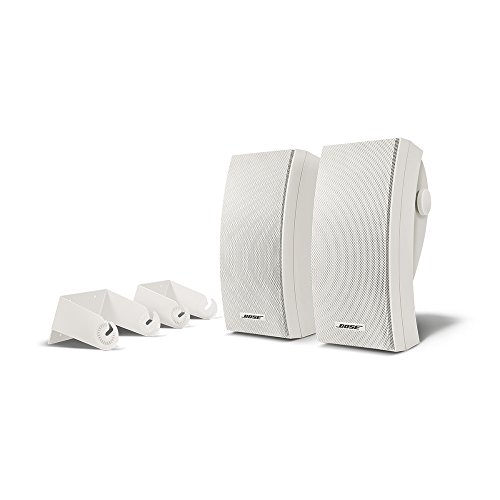
Outdoor speakers use weather resistant cabinets, sealed drivers, and rust resistant hardware to survive rain, sun, and temperature swings. Indoor speakers left outside can swell, corrode, and fail quickly, even under a covered porch. A proper outdoor rating covers the cabinet, the grille, and the mounting hardware together, not just the driver.
Sound outdoors lacks walls to reflect and reinforce bass, so bass feels lighter than indoors at the same volume. That is normal, and it is why coverage and placement matter more than raw power. Several modest speakers spread evenly usually sound better than one powerful speaker shouting across a yard.
Bose Outdoor Speaker Options
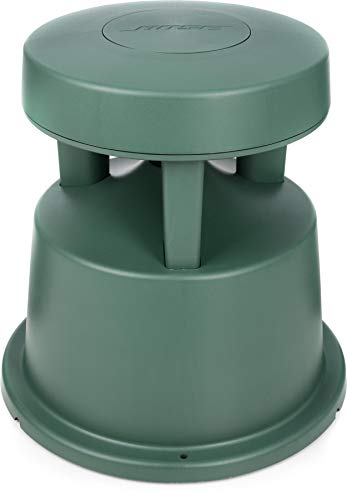
Bose sells outdoor audio in three broad forms. Weather resistant wired speakers are made to mount under eaves or on walls and run from an amplifier or receiver indoors. They suit a permanent patio setup where you want steady sound without batteries. In-ground landscape speakers hide among plants and spread sound evenly across a garden, which works well for larger yards where you do not want visible speakers.
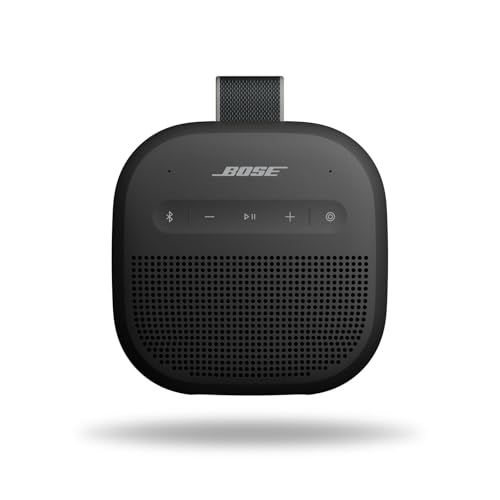
Portable Bluetooth speakers with water and dust ratings are the third option. They need no wiring, so they suit renters, small patios and anyone who wants to move music from the deck to the pool. Their limits are battery life and volume across a large space, which is why many owners use a portable speaker alongside a wired system rather than instead of one.
Whichever form you choose, check the exact rating on the model, because weather resistance covers different things on different products. Splash resistance is not the same as full immersion, and a speaker built for a covered porch may not suit an exposed pool deck. Match the rating to the harshest conditions the speaker will see.
Coverage and Placement
Place speakers to cover seating areas evenly, aiming sound toward listeners rather than toward fences or neighbors. Mounting at 8 to 10 feet high under eaves gives good spread, while ground level speakers suit garden beds and paths. Overlap coverage slightly so volume stays even as people move around.
For a patio, two speakers aimed across the seating area often suffice, while a large yard may need four or more zones. Keep speakers away from grills and pools where heat, smoke, or splashes can damage them. Test placement with temporary mounts before drilling, since moving a mounted speaker later leaves holes to repair.
Wired or Wireless Outdoors
Wired outdoor speakers connect to an amplifier indoors and deliver steady sound without batteries or signal dropouts. Wiring takes more effort up front, especially for buried cable runs, but it pays off in reliability. Use outdoor rated cable and bury it properly, away from digging zones and irrigation lines.
Wireless and portable speakers suit renters and small patios, since they need no permanent wiring. They need charging or power, and wireless signals can struggle through walls and across large yards. For a permanent patio system, wired speakers are usually the better long term choice, with a portable speaker as a flexible extra.
Weather, Power, and Safety
Check the weather rating and the mounting hardware for rust resistance, since a speaker that survives rain but drops from a corroded bracket is no bargain. Keep electrical connections in weatherproof boxes, use outdoor rated outlets with covers, and follow local electrical rules. If wiring runs underground, mark the route and keep it clear of garden tools.
Power needs are modest for background listening, but a larger yard needs more amplifier headroom to stay clear at higher volumes. Avoid pushing a small amplifier to distortion, since distortion damages speakers faster than clean power. A properly sized amplifier with headroom sounds cleaner and lasts longer.
Sound Quality Outdoors
Listen for clear voices and balanced tone at the volume you will actually use, not for maximum loudness. Bass will be lighter outdoors, so a speaker with a slightly fuller low end can help, but avoid boomy models that muddy voices. A subwoofer designed for outdoor use can add warmth for music, though it needs proper placement and drainage.
Control matters too: separate volume zones let you keep the patio lively and the garden quiet. A simple wall control or app control beats walking inside to adjust volume. Set a sensible maximum volume that respects neighbors, and enjoy even sound rather than chasing loudness.
Related Guides to Read Next
If you want to compare nearby options, these related guides can help: best outdoor speakers, best bose speakers, best outdoor wireless speakers, best outdoor portable speakers, best outdoor speakers system. Each one covers a different angle, so start with the guide that matches your room, your budget, or your next question.
A Final Check Before You Buy
Sketch your yard zones once more and confirm each seating area falls inside a speaker coverage pattern, with no dead spot where guests gather. Check amplifier power against speaker ratings, confirm cable routes avoid garden beds and digging zones, and test the system at conversation volume before final mounting. That final review prevents most placement regrets.
Confirm weatherproof connections, rust resistant mounts, and a sensible maximum volume that respects neighbors, especially after dark. Keep a note of settings and cable routes for future maintenance, and schedule a spring inspection each year. A system checked this way stays reliable and neighbor friendly.
Frequently Asked Questions
Can outdoor speakers stay outside all year?
Speakers built for outdoor use are designed to stay outside through rain and temperature swings, though covers help in harsh winters. Check the maker rating for your climate, since extreme cold or coastal salt air stresses materials more. Bring portable speakers inside during storms or winter if they are not rated for it. Permanent speakers should still be inspected each spring.
How many outdoor speakers do I need?
Count seating zones, not square footage alone, since a patio, a pool deck, and a garden path each need coverage. Two speakers suit a small patio, while larger yards need four or more for even volume. Overlapping coverage slightly avoids loud and quiet spots as people move. Start with seating areas and add zones later if needed.
Do outdoor speakers need a special amplifier?
Outdoor speakers need an amplifier that matches their impedance and power handling, and it should live indoors or in a weatherproof enclosure. A standard home amplifier often works for a small patio system, while larger systems benefit from a multi zone amplifier. Keep the amplifier dry and ventilated, and avoid running it at distortion.
Are wireless outdoor speakers reliable?
Wireless speakers work well for small patios and portable use, but signal can weaken through walls and across large yards. Battery models need regular charging, which becomes a chore for daily use. Wired speakers are more reliable for permanent systems, while wireless suits renters or occasional use. Test signal strength in your yard before committing.
How do I protect outdoor speakers from weather?
Mount speakers under eaves when possible, use weatherproof electrical boxes, and choose rust resistant hardware. Covers help during winter or long absences, and a spring inspection catches corrosion or insect nests early. Keep speakers clear of sprinklers, grills, and pool splash zones. Regular checks extend outdoor speaker life, so check mounts again after severe storms for loosened hardware.
Final Thoughts
The product table lets you compare coverage, wiring, and weather features, but placement and neighbor friendly volume decide daily satisfaction. Sketch your space, plan zones for seating areas, and wire properly for reliability. With best bose outdoor speakers placed this way, your patio gains warm, even sound that invites people to linger without overwhelming the yard.