Best Boots with Leggings: A Practical Buying Guide for 2026
Disclosure: We may earn a commission when you buy through links on this page, at no extra cost to you. As an Amazon Associate I earn from qualifying purchases. Learn more

Compare boot types, fit, materials, and arch support for legging outfits, with care tips and answers to common sizing and comfort questions for everyday wear.
Choosing best boots with leggings comes down to balance: the boot must support the foot, sit cleanly over a thin layer, and suit the weather you actually walk in. Leggings leave little room to hide a poor fit, so a shaft that gapes, a toe box that pinches, or a sole that slips will show up fast. This guide explains the features that matter, compares the main boot types, and the comparison table below can help you narrow the options before you buy.
Use the sections that follow as a checklist rather than a set of rules. Start with fit and foot shape, then look at materials and weather protection, then match a boot type to your routine. By the end you should know which trade offs you are willing to make and which features are worth paying more for.
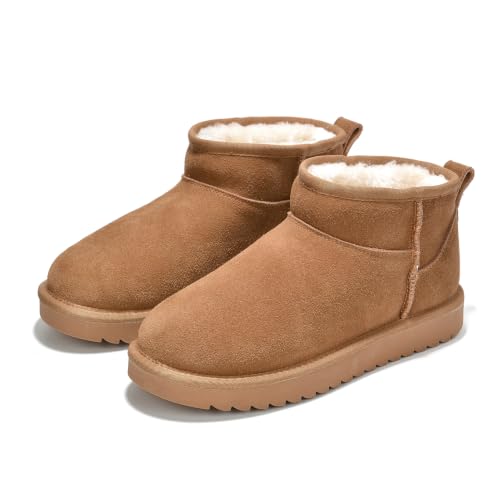
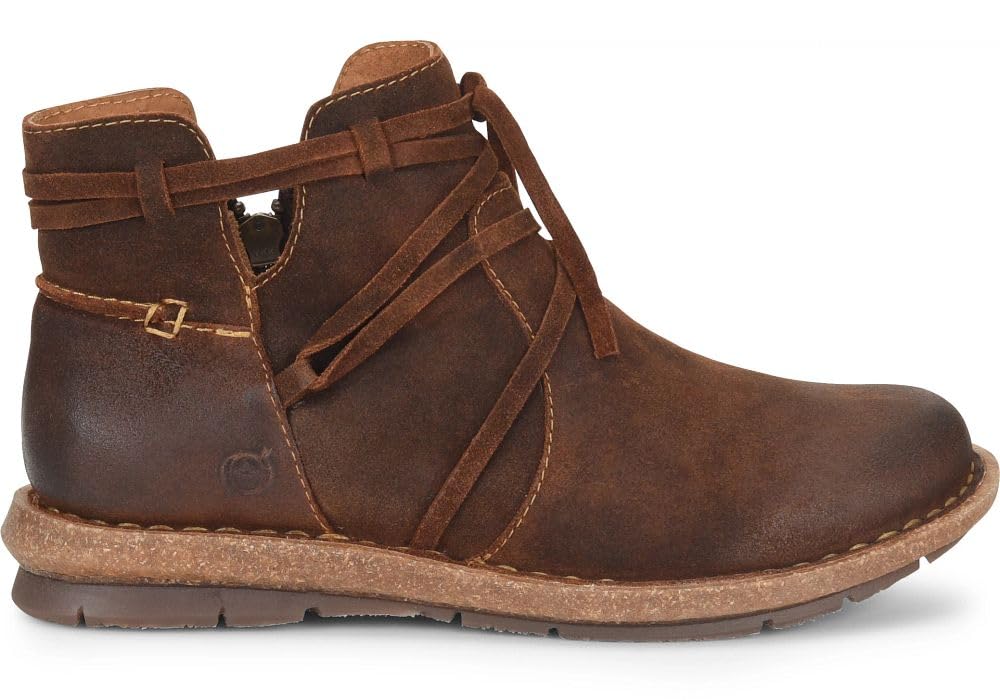
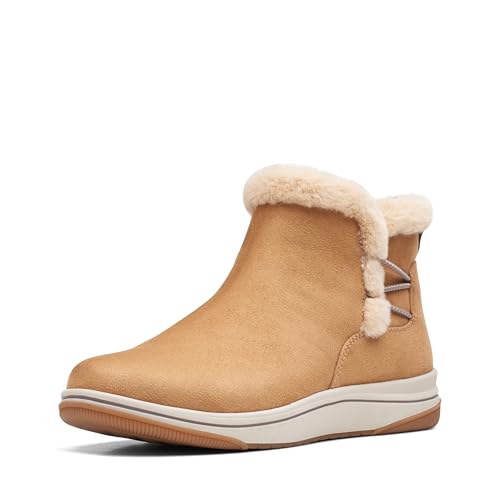


Spending Guidance by Budget
Budget pairs at about $50 to $90 usually cover the basics: a flexible sole, a simple lining, and a standard shaft height. They suit occasional wear and mild weather, but the cushioning may flatten sooner and the waterproofing may be a surface finish rather than a sealed layer. Check the sole bonding and stitching carefully at this level, since those details decide how long a budget pair lasts.
Mid priced pairs at about $90 to $160 often add better cushioning, stronger uppers, and more reliable weather protection. This range suits daily wear and mixed weather, and it is where most buyers find the best balance of comfort and durability. Higher priced pairs above about $160 tend to offer premium leather, refined linings, and more careful construction, which can matter for long days on your feet or harsh winters.
How to Choose Boots for Legging Outfits
Good boot buying starts with your feet and your routine, not with a style you saw in a photo. Think about how far you walk, whether you stand all day, and how much rain or snow you face, then use the factors below to judge each pair against those needs.
Why Choose Boots for Legging Outfits
Boots give legging outfits structure, ankle coverage, and grip that flat shoes cannot match on rough or wet ground. They also add warmth in cold months and protect the lower leg from splashes, mud, and cold wind. The drawback is that a boot built for thicker trousers may fit loosely over leggings, so calf fit and shaft shape deserve more attention than they would with heavier clothing.
Fit, Sizing, and Toe Box
Measure your feet in the afternoon and try boots with the leggings you will actually wear, since even thin fabric changes how the shaft sits. A generous toe box lets toes spread and reduces blister risk on longer walks, while a snug heel prevents the foot from sliding forward. If you are between sizes, width often matters more than length, because extra length can cause tripping while extra width relieves pressure.
Upper Materials and Breathability
Leather uppers are durable, hold their shape, and resist wind and light rain, but they need breaking in and can feel heavy. Knit and fabric uppers feel light and flexible and suit dry, mild days, yet they absorb moisture faster and offer less structure. Breathability keeps feet drier on warm days, while a lined upper keeps warmth in during winter, so choose the combination that fits your climate.
Arch Support and Foot Type
Flat feet often feel better with a supportive footbed and a firm heel counter, while high arches usually need extra cushioning under the midfoot. Overpronation, where the foot rolls inward, calls for stability features that guide the foot rather than letting it collapse. If you have ongoing foot pain, numbness, or a diagnosed condition, talk with a clinician about your needs before relying on any boot feature for support.
Break In Period and Comfort Out of the Box
Some boots feel comfortable at once, while others need several short wears before the upper softens and the footbed settles. Fabric boots usually need little breaking in, whereas stiff leather boots may press at the ankle or the top of the shaft for the first few outings. Wear a new pair around the house first, and pay attention to pressure points rather than hoping they will disappear on a long day out.
Weight and Flexibility
Light boots reduce fatigue on long walks and feel easier to lift with each step, while heavier boots often provide more protection and structure. Flexibility matters at the ball of the foot, where the boot must bend with your stride instead of resisting it. A boot that is too stiff can tire your legs, and a boot that is too soft may offer little ankle support on uneven ground, so aim for a middle ground that matches your walking distance.
Types of Boots
Boot types differ mainly in support, weather protection, and weight, and each suits a different routine with leggings. Use this short comparison to narrow your search before you compare individual pairs in detail.
Ankle Boots and Booties
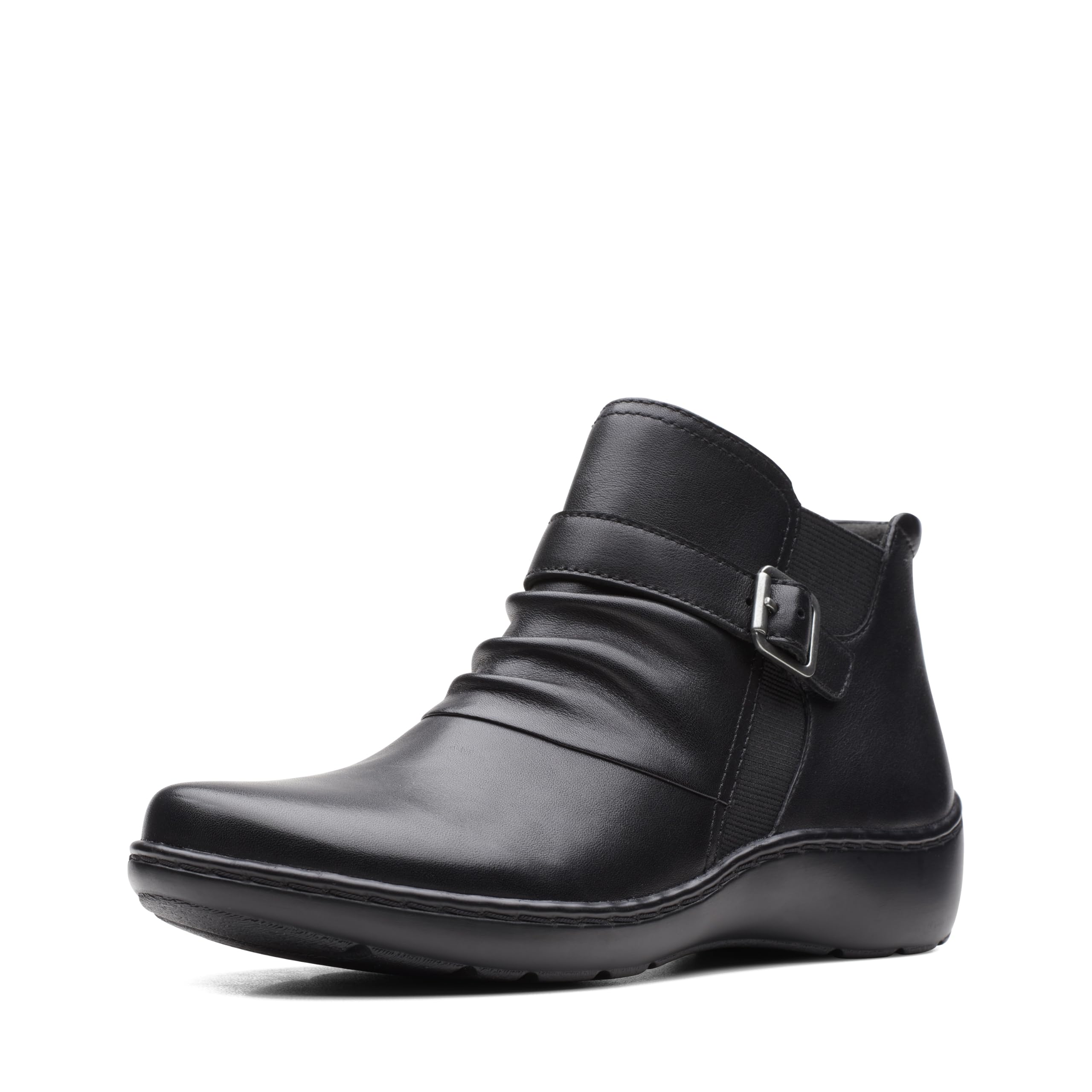
Ankle boots end at or just above the ankle bone, so they show the most leg and sit neatly under a legging hem. Block heels or a flat lug sole add grip and comfort for errands and commutes, while pointed styles lean dressier. They are the easiest type to fit because the shaft never has to match your calf.
Knee-High and Riding Boots
Knee-high boots pair with leggings for a long, unbroken line and add warmth in cold months. The key is calf fit: a shaft that is too wide wrinkles and slides down, while one that is too snug pinches. Look for elastic panels, a back zip, or an adjustable gusset, and choose a flat or low heel if you will be walking a lot.
Waterproof Boots
Waterproof boots use a sealed membrane and treated uppers to keep rain and slush out, which matters for wet commutes and winter walks. They keep leggings dry at the ankle and reduce the chill that comes from damp fabric, but they can feel warmer and less breathable indoors. Reserve full waterproofing for genuinely wet conditions, and choose water resistant finishes for light drizzle.
Setup and Care Tips
- Judge when to replace boots by tread wear, flat cushioning, and seams that no longer stay dry rather than by a fixed mileage.
- Air dry wet boots away from direct heat, since radiators and dryers can stiffen leather, warp soles, and shorten the life of the pair.
- Rotate two pairs for daily wear when you can, because a rest day lets cushioning recover and moisture dry out fully.
- Lace properly to prevent heel slip: snug the laces at the ankle without cutting off circulation, and recheck the fit after a few minutes of walking.
- Brush off dirt and salt after muddy or winter walks, and store boots upright so the shaft keeps its shape between wears.
Frequently Asked Questions
Are Expensive Boots with Leggings Worth It?
Expensive boots with leggings are worth it when the price buys stronger materials, better cushioning, or a calf fit that cheaper pairs cannot match. Price alone does not guarantee comfort, so compare sole quality, stitching, lining, and shaft shape before you decide. For daily wear or harsh weather, a higher investment often pays off in durability, while occasional mild weather wear may be served well by a mid priced pair.
Can I Wear Boots with Leggings All Day?
You can wear boots with leggings all day if the toe box is roomy, the shaft does not pinch, and the sole cushions your stride. Long days on hard floors demand more cushioning than short errands, and a boot that feels fine for an hour may ache by evening if the fit is slightly off. If pain, swelling, or numbness appears regularly, see a clinician and recheck the size, width, and shaft height rather than pushing through discomfort.
Do Boots with Leggings Need to Be Waterproof?
Boots with leggings need full waterproofing only for regular rain, snow, or standing water. A water resistant finish handles drizzle and damp sidewalks, while a sealed membrane suits wet commutes and winter slush. Waterproof pairs tend to run warmer, so match the protection level to your climate instead of choosing the maximum by default, and keep a lighter pair for dry days.
How Long Is the Break In Period for Boots with Leggings?
The break in period for boots with leggings usually spans a few short outings over one to two weeks. Leather pairs soften gradually around the ankle and shaft, while fabric pairs often feel settled from the first wear. Start with an hour or two at home, note any pressure at the toes, ankle, or calf, and extend wear time only when those spots stop aching, since persistent pressure signals a fit issue.
How Should Boots with Leggings Fit?
Boots with leggings should hold the heel securely, leave toe wiggle room, and close around the calf without bunching the fabric or squeezing the leg. The shaft should sit smoothly from the ankle upward, with no large gap at the top edge and no digging at the front of the ankle when you sit. Test the fit while walking, sitting, and climbing stairs, because each position changes how the shaft presses.
How Often Should I Replace Boots Worn with Leggings?
Replace boots worn with leggings when the tread is smooth, the cushioning feels flat, the shaft loses its shape, or water soaks through seams that once stayed dry. Daily wear shortens that timeline compared with occasional use, and rough surfaces wear soles faster than smooth indoor floors. Regular cleaning, drying, and rotation will extend the life of a pair, but no boot lasts forever, so watch for the wear signs above.
Our Verdict
Fit comes first, foot type second, and weather protection third, with style as the final tiebreaker. A pair that holds the heel, supports your arch type, and handles your usual weather will feel right with leggings day after day. Compare options in the product table, try your shortlist with your own leggings, and pick the pair that walks well, not just the pair that photographs well. That simple test leads most buyers to the right best boots with leggings for their routine.
For legging focused options, see our guide to best compression leggings and our guide to best sportswear leggings. For activewear pairings, see our guide to best women's activewear leggings, and for shinier fabrics, see our guide to best boots to wear with leather leggings.