
Best Boots Walking Snow Ice: Grip, Warmth and Fit Guide for 2026
Disclosure: We may earn a commission when you buy through links on this page, at no extra cost to you. As an Amazon Associate I earn from qualifying purchases. Learn more

Best boots walking snow ice should grip slick pavement, keep water out and stay comfortable. Learn the features that matter, from grip to fit and warmth.
best boots walking snow ice is a search for footwear that keeps you steady when pavements turn slick and snow piles up at the kerb. The right pair should grip icy patches, keep water out, and still feel comfortable after a long walk in cold air. This guide explains the features that matter most so you can compare options with confidence.
The comparison table below gives a quick overview, while the sections that follow explain fit, grip, insulation, and care in plain language. Use them to match a boot to your usual routes, whether you walk to work, walk a dog, or spend weekends on snowy trails.

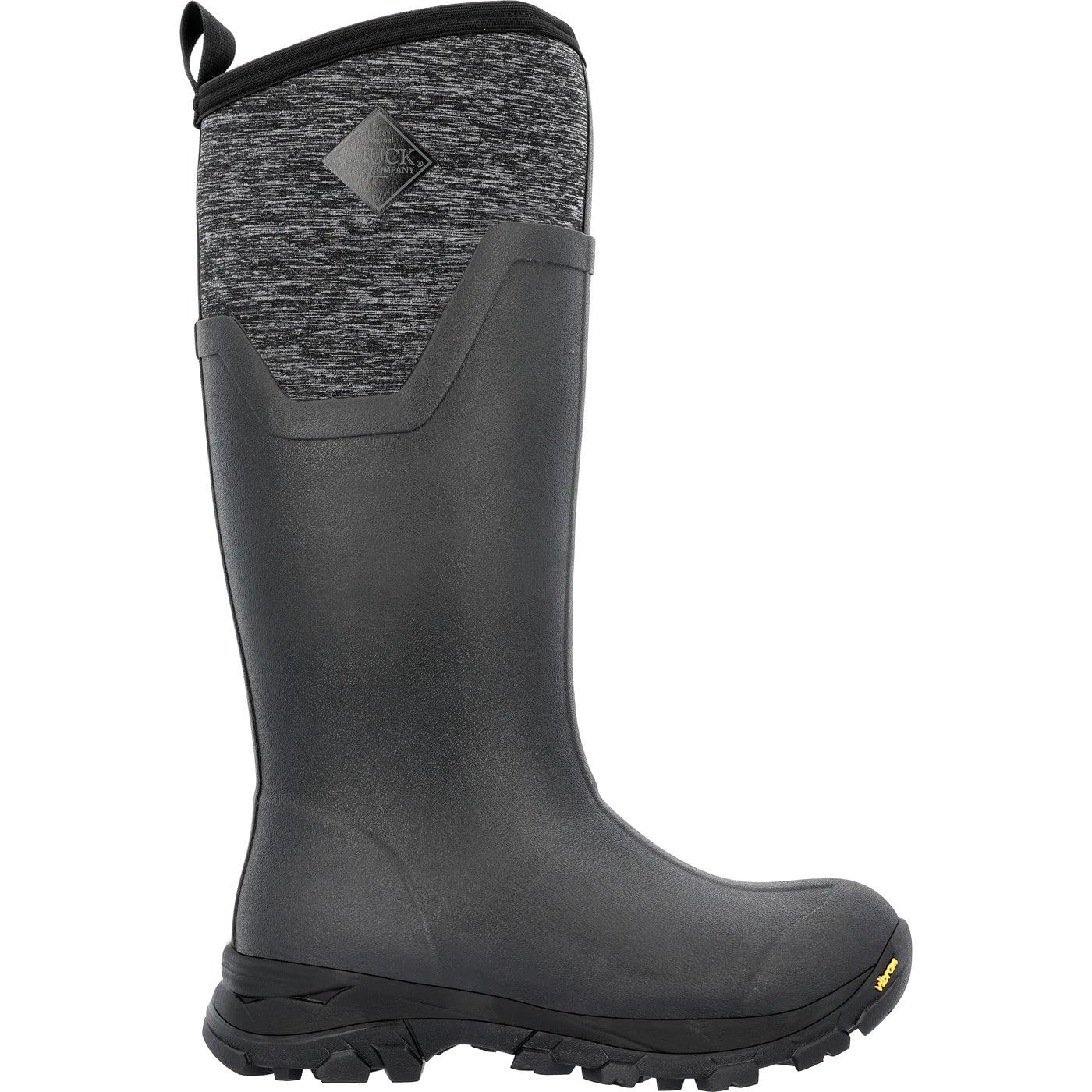


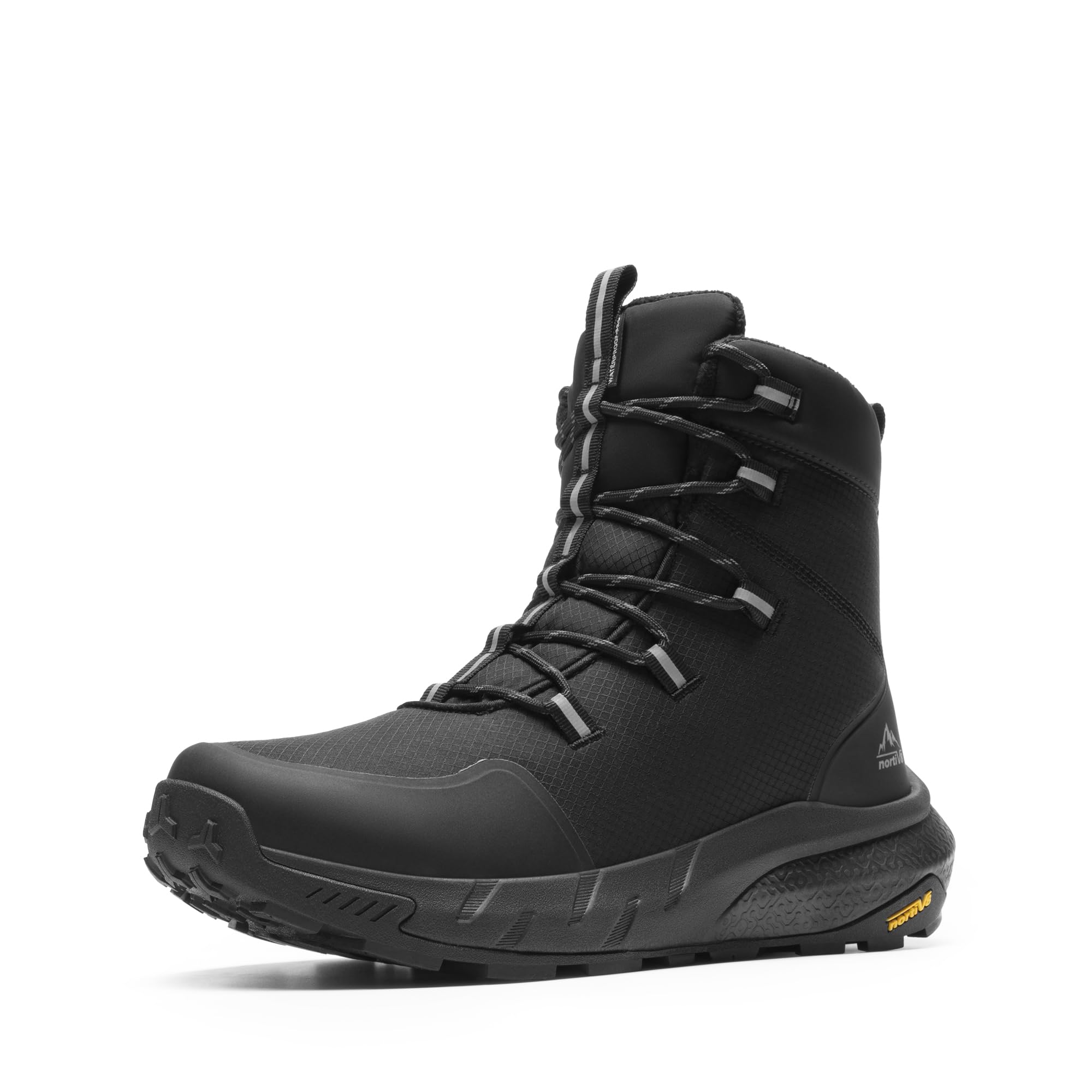


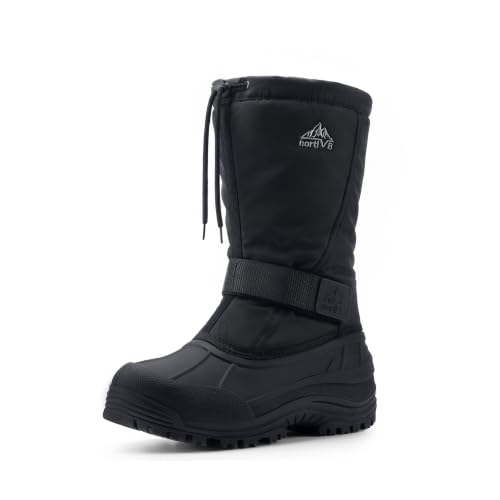
Who Should Buy Which Boots
For Daily Winter Walks
If your main use is a daily walk to work or school, look for a boot that is easy to put on, light enough for pavements, and grippy on cleared but icy paths. A mid height shaft helps keep slush out without feeling stiff, and a simple lace or zip closure lets you adjust the fit quickly. Choose insulation that suits your climate rather than the warmest option, since overheating can leave feet damp and cold.
For Snowy Trails and Rural Paths
Walkers who use unploughed trails need deeper lugs, a sturdier sole, and a taller shaft that keeps snow from dropping inside the boot. Ankle support matters more on uneven ground, and a firm heel counter helps the foot stay steady on slopes. Waterproofing should cover the whole lower boot, not just the toe, because deep snow melts against the shaft all day.
For Older Walkers and Cautious Steps
Anyone who worries about falls should treat grip as the first priority and style as a distant second. Look for a wide, stable base, a low heel, and a sole pattern with many small edges that bite into ice. Try boots on with your usual winter socks and walk on a hard floor in the shop to check for wobble. A secure closure that stays snug matters more than a fashionable silhouette.
Key Features to Compare
Grip and Sole Design
The sole decides how safe each step feels. Deep lugs clear snow as you walk, while softer rubber compounds tend to stay flexible in cold weather and grip better on ice. Look for varied lug shapes rather than one repeated pattern, since different edges catch on different surfaces. Remember that no sole makes ice completely safe, so short steps and a slower pace remain important.
Insulation and Warmth
Insulation is often described in grams, but the number alone does not tell you how warm a boot feels on your feet. Your activity level, your socks, and the wind all change the result, so treat insulation ratings as a rough guide. People who stand still a lot need more insulation than brisk walkers, while very warm boots can cause sweat that later chills the feet.
Waterproofing That Lasts
Waterproof membranes, sealed seams, and treated leather or fabric all help, but they work best together. Check how high the waterproofing reaches, because snow that melts above that line will soak through. Keep in mind that waterproof boots still need drying between uses, and a boot that stays damp inside will feel cold even if the membrane is sound.
Fit With Winter Socks
Always fit winter boots while wearing the socks you plan to walk in. There should be room to wiggle your toes without the heel lifting with each step, and the widest part of your foot should sit comfortably across the boot. Boots that feel snug in a warm shop may feel tight outdoors when feet swell slightly, so leave a little spare room.
Types Worth Knowing
Insulated Pac Boots
Pac boots pair a waterproof lower section with a removable insulated liner, which makes them popular for very cold and snowy conditions. The liner can be removed for drying, which is a real advantage after a wet day. They tend to be bulkier than everyday winter boots, so they suit deep snow better than a quick trip to the shops.
Winter Walking Boots
Winter walking boots look closer to hiking boots and balance grip, support, and weather protection for mixed routes. They usually have a laced fit that can be tuned around the ankle, plus a sole built for both pavements and paths. This style suits walkers who cover varied ground in one outing and want one pair for most winter days.
Slip On Winter Boots
Slip on styles are convenient for short trips and for people who dislike laces, but the fit must still hold the heel firmly. Elastic panels or a side zip can improve the hold, yet they rarely match laces for fine adjustment. Test them on stairs and slopes before committing, since a loose heel on ice is a real hazard.
Budget, Care, and Common Mistakes
Prices for winter walking boots vary widely, from about 60 dollars to about 250 dollars, with most dependable everyday options sitting in the middle of that range. Spending more usually buys better grip compounds, stronger waterproofing, and more durable stitching, but a high price does not guarantee a good fit for your foot shape. Set your budget after deciding how often you will walk in snow, since occasional users need less boot than daily winter walkers.
A common mistake is buying boots that are too tight in the hope that they will stretch, or choosing fashion boots with smooth soles for icy streets. Another is ignoring care: rinse off road salt, dry boots away from direct heat, and reproof fabric or leather when water stops beading on the surface. Small habits like these extend the life of the boots and keep the grip working as intended.
Before you order, recheck the return policy and try the boots indoors on a hard floor first. Walk up and down stairs, stand for a few minutes, and check for pressure on the toes and ankle bones. If anything pinches or the heel slips, a different size or width is worth trying, because winter boots should feel secure from the first wear, not after a painful break in period.
A Closer Look at Everyday Winter Walking
Think about your most common winter route before choosing, since a boot that excels on trails may feel clumsy on cleared pavements and vice versa. Pavement walkers need flexible soles and easy fastening, while trail walkers need deeper lugs and taller shafts. Write down the surfaces you cover most often and let that list guide your shortlist.
Try boots at the end of the day when feet are at their largest, and wear the thickest socks you plan to use in cold weather. Walk on a hard floor, climb a few steps, and stand still for several minutes to check for pressure points. Small discomfort in a shop usually grows into real pain after an hour outdoors in freezing air.
Insulation needs change with activity, so a brisk walker may overheat in a heavily insulated boot while a slow walker feels cold in a lightly insulated one. Consider how long you stand still at bus stops or while chatting, since standing still cools feet faster than walking. A removable liner or adjustable insulation helps when temperatures swing during the day.
Grip compounds behave differently as temperatures drop, with softer rubber staying flexible in deep cold while harder rubber can turn slick on ice. Ask about the sole compound and tread pattern rather than trusting a generic winter label. A sole with many small biting edges usually grips better on smooth ice than one with a few large lugs.
Waterproofing deserves a close check at the seams and the tongue, since these are common entry points for melting snow. A gusseted tongue keeps slush out, while sealed seams stop water creeping through stitching. After wet walks, stuff boots with newspaper and dry them away from radiators to protect membranes and stitching.
Finally, keep a spare pair of dry socks in your bag on long winter walks, since dry feet stay warmer than damp feet in any boot. Change socks if your feet sweat heavily or step in deep slush, and air boots fully between uses. These small habits extend comfort far beyond what any single feature can deliver.
Frequently Asked Questions
How do I choose boots for icy pavements?
Look first at the sole, since grip matters more than warmth or looks on ice. Choose a soft cold weather rubber with deep, varied lugs and a wide stable base, then check that the fit holds your heel firmly. No boot removes the risk of slipping, so pair good grip with short steps and a slower pace on icy ground. Test grip on a safe icy patch near home before a long walk, and keep steps short when surfaces look glazed.
Are waterproof boots always warmer than water resistant boots?
Not always, because waterproofing and insulation are separate features that serve different jobs. A waterproof boot can still feel cold if it has little insulation, while a warm boot without sealing can soak through in slush. Check both features separately and match them to your climate and walking distance.
Should winter boots be a size larger than normal shoes?
Many walkers go up half a size to make room for thicker socks, but the right choice depends on the boot shape and your foot. Try the boots with your winter socks and make sure your toes can move while your heel stays put. If the heel lifts or the foot slides, the size or width is wrong even if the length feels generous.
How can I make winter boots last longer?
Rinse off salt and grit after walks, let boots dry naturally away from radiators, and remove liners or insoles so moisture can escape. Reproof the outer material when water stops beading, and store boots in a cool dry place during summer. Regular care keeps seams, membranes, and soles working for more seasons.
What should older walkers look for in winter boots?
Older walkers should prioritise a low heel, a wide stable base, strong grip, and a closure that is easy to fasten with cold hands. A boot that is light and simple to put on encourages regular use, while a tall heavy boot may tire the legs. Try boots on a hard floor and check balance before deciding.
Related Guides
For a closer look at grip focused options, see best boots for walking on ice and snow and best snow boots for walking, which cover similar ground from slightly different angles. If your routes mix deep snow with cleared paths, best boots for snow and ice may also help you compare sole designs.
Women looking for a fit tuned to a narrower heel and forefoot can check best women's snow boots for walking for guidance on sizing and shaft height. The product table above sits alongside these guides, so use them together when narrowing your shortlist.
Final Thoughts
Choosing best boots walking snow ice comes down to grip first, then fit, waterproofing, and warmth in that order for most walkers. A boot that holds your foot securely and bites into icy ground will serve you better than a warmer or smarter looking pair with a smooth sole. Take time to try sizes with winter socks and to test balance on a hard floor.
Use the product table above as a starting point, then weigh each option against your routes, your climate, and how often you walk in snow. With the right pair, winter walks feel steadier, drier, and far more enjoyable, even when the weather turns against you.


