
Best Boots Under 500 for 2026: What Your Money Really Gets You
Disclosure: We may earn a commission when you buy through links on this page, at no extra cost to you. As an Amazon Associate I earn from qualifying purchases. Learn more

Best boots under 500 differ by tier. See what each price level delivers, which upgrades are worth paying for, and how to judge fit and durability.
Boot prices stretch across a wide range, and the most expensive pair is not always the best fit for your feet. When you shop for best boots under 500, the real question is where your money makes a difference and where it simply buys styling. The comparison table below sets out the main types and price tiers, so you can see what changes as the price rises.
This guide explains what each tier typically delivers, which features are worth paying for, and which ones you can skip without regret. It also covers long term costs, so the price on the page is not the only number you consider.

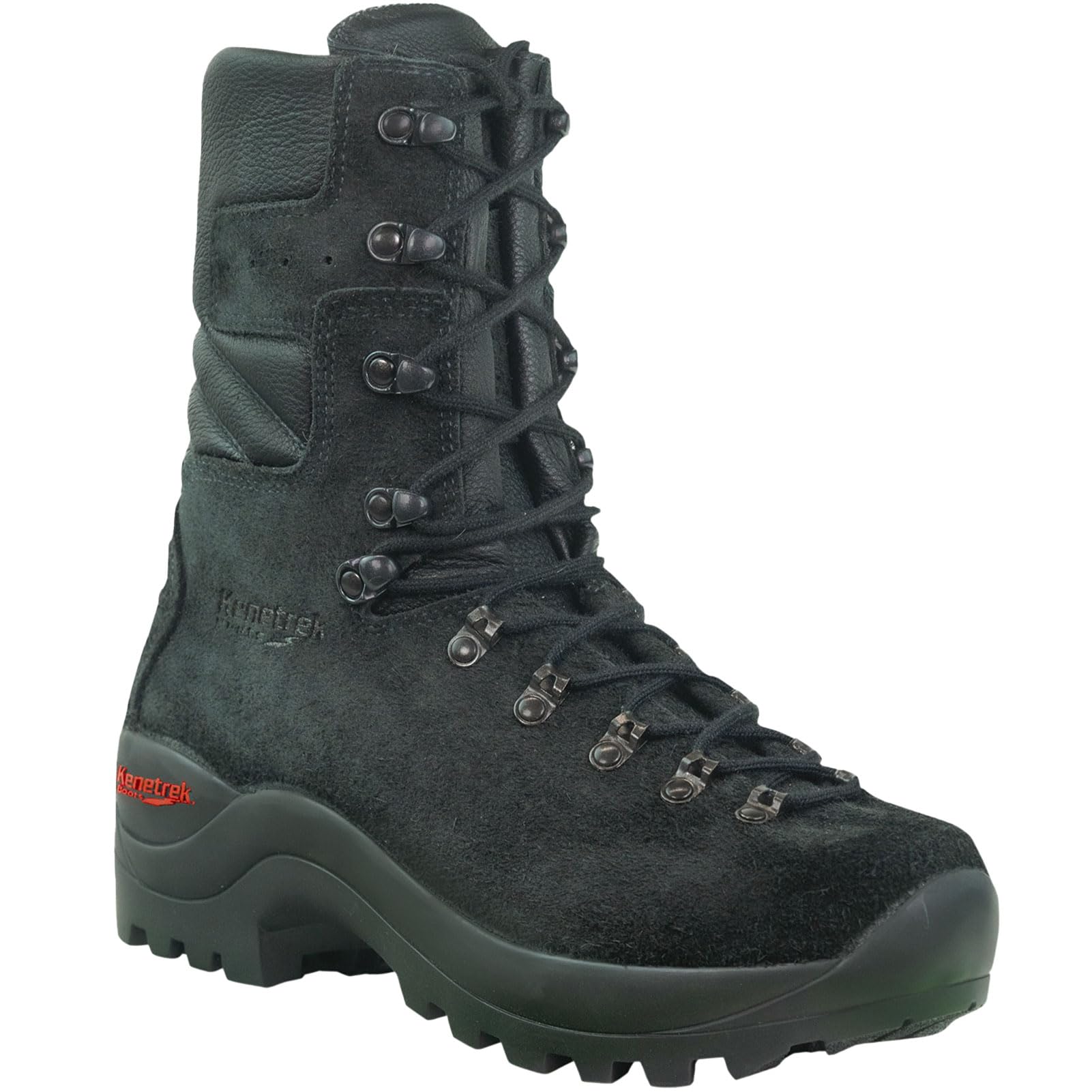

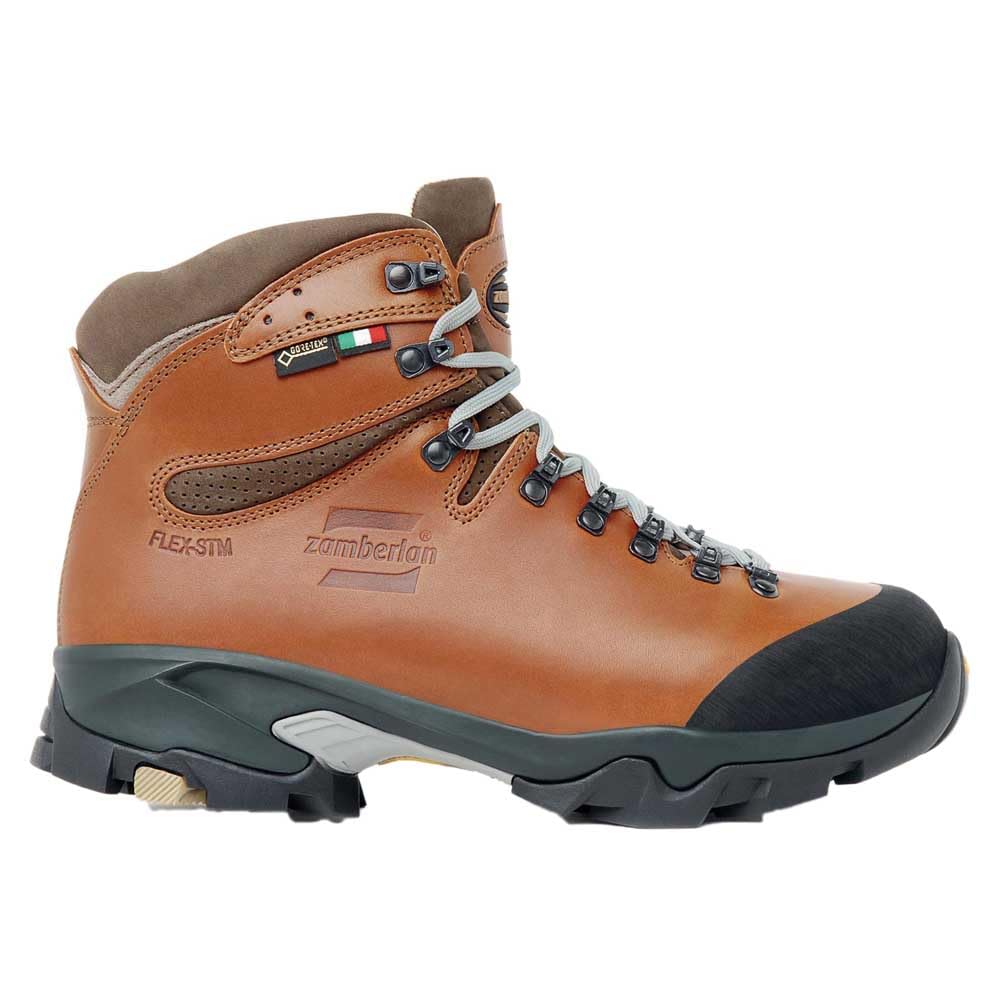


What Your Money Gets You at Each Price Tier
Entry Tier: What to Expect
Entry tier boots, around $50 to $100, usually offer simple construction, basic cushioning, and standard outsoles. They suit occasional wear, short outings, and buyers who want to test a style before committing more money. Expect a shorter lifespan under daily use, and check the stitching and sole bonding carefully, because those are the first places where low cost construction shows.
Balanced Tier: Strong Value for Most Buyers
Balanced tier boots, about $100 to $200, usually add better footbeds, stronger stitching, and more durable outsoles. This range suits most daily wear, since the extra money goes to comfort and lifespan rather than to luxury finishes. If you wear boots most days, this tier often gives the best return, because the pair lasts longer and stays comfortable through more miles.
Higher Tier: When Spending More Pays Off
Higher tier boots, about $200 to $350, usually bring premium materials, finer finishing, and sometimes replaceable soles or footbeds. They make sense for heavy daily use, rough ground, or long hours on your feet, where durability and support matter every day. For light or occasional use, the same money may buy features you never notice, so weigh your routine before you jump to this tier.
Features Worth Paying For and Ones to Skip
Arch Support and Foot Type
Arch support is worth paying for when it matches your foot type, because the wrong support can feel worse than none at all. Flat feet usually need a firm footbed that limits inward roll, while high arches often need softer cushioning under the midfoot. Removable insoles are a smart feature at any price, since they let you adjust support without replacing the whole boot. If you have persistent foot pain, numbness, or swelling, see a clinician rather than relying on a boot to treat the problem.
Fit, Sizing, and Toe Box
Fit is the feature that matters most at every price, and no amount of money fixes a boot that is too narrow or too long. Measure your feet in the afternoon, try boots with your usual socks, and leave room for your toes to spread when you walk. A roomy toe box prevents blisters and numbness, while a snug heel keeps your foot from sliding forward on slopes. Always test both boots, since most people have one foot slightly larger than the other.
Waterproofing and Membranes
Waterproofing is worth paying for when you regularly face rain, mud, or wet grass, but it adds warmth and weight that you may not want on dry days. A waterproof membrane with sealed seams keeps water out, while a water resistant finish suits light drizzle and dry paths. Pay for full waterproofing only when wet conditions are a regular part of your routine, not a rare event.
What You Can Realistically Get Under $500
Under $500, you can realistically expect solid construction, good cushioning, and durable materials across most boot types, with the top of the range reaching about $350 to $450 for premium pairs. Features that may be trimmed at lower prices include replaceable soles, premium leather, and hand finished details. Do not cut corners on fit, support, or outsole grip, since those affect comfort and safety every time you wear the boots. Styling extras and exotic materials are the safest places to save.
Long Term Costs to Factor In
The purchase price is only part of what a pair of boots costs over its life. Replacement insoles, waterproofing treatments, laces, and resoling can add up, especially for boots you wear daily. A cheaper pair that wears out in a year may cost more over time than a midrange pair that lasts two years with basic care. Check whether the sole can be replaced, whether the footbed is removable, and what the warranty covers, since those details shape the total cost more than a small difference in the sticker price.
Common Mistakes to Avoid
- Buying by looks alone, which can leave you with a stylish boot that pinches your toes or slips at the heel.
- Choosing a size based on another brand, since sizing varies enough that the same number can fit differently across makers.
- Skipping a walking test, which hides problems that only appear after several minutes on your feet.
- Paying for heavy weatherproofing you rarely need, which adds warmth and weight to every outing.
- Ignoring the outsole, since shallow tread wears smooth quickly and loses grip on wet or uneven ground.
- Waiting too long to replace worn boots, which shifts strain to your feet, knees, and back as cushioning flattens.
How to Make Your Boots Last Longer
Rotate two pairs when you can, so each pair dries fully and the cushioning recovers between wears. Air dry wet boots away from direct heat, and clean mud off after wet outings before it stiffens the upper. Replace laces when they fray, since a broken lace on a long walk is an avoidable problem. Inspect the tread and stitching every few months, and reapply waterproofing treatment when water stops beading on the surface.
How to Compare Boots Side by Side
When two pairs look similar on paper, compare them on the details that affect daily comfort. Check the footbed first, since a firm, shaped footbed supports your arch far better than a flat foam pad. Then check the outsole, looking for deep tread, a sturdy heel edge, and a bond that shows no gaps at the toe or sides. Finally, compare the upper materials and stitching, because reinforced seams and quality leather or fabric hold their shape longer than thin, loosely stitched panels.
Try each pair with the socks you wear most, and walk on a hard floor for several minutes rather than standing still. Pay attention to heel slip, toe pressure, and any rubbing across the top of the foot, since these problems rarely disappear with time. Note how each pair feels after ten minutes, not just in the first minute, because cushioning that feels soft at first can flatten quickly under your weight. A short, honest comparison like this often reveals a clear winner, even when the prices are close.
Frequently Asked Questions
Can You Get a Good Boot Under $500?
Yes, you can get a good boot under $500, and most buyers will find their best match well below that ceiling. The key is to spend on fit, support, and outsole quality rather than on styling or rare features. Try several pairs in your price range, compare the footbed and tread in person when you can, and choose the pair that stays comfortable through a full day of your normal routine.
Are Expensive Boots Worth It?
Expensive boots are worth it when the higher price buys durability, support, or repairability that your routine actually uses. They are less worthwhile when the premium goes to fashion details or to heavy duty features for light use. Compare the construction, the footbed, and the outsole across tiers, and spend more only when those details clearly improve comfort or lifespan for your kind of wear.
Can I Wear Boots All Day?
You can wear boots all day if the fit, weight, and support suit your routine and the ground you cover. Break new boots in gradually with short wears, and watch for hot spots at the heel and toes before you commit to a full day. If your feet ache daily despite a good fit, check your socks and insoles, vary your surfaces when possible, and see a clinician if pain, numbness, or swelling persists.
How Often Should I Replace My Boots?
Replace your boots when the cushioning flattens, the tread wears smooth, or the upper cracks near flex points. Many pairs last about 300 to 500 miles of regular use, but rough ground, heavy loads, and daily wear shorten that range. Check the heel edge and tread depth every few months, since uneven wear can signal a fit problem worth fixing before you buy your next pair.
How Should Boots Fit?
Boots should fit snugly at the heel, roomy at the toes, and secure across the midfoot without pinching. Your toes should not touch the front when you walk downhill, and your heel should stay put without lifting on each step. Try boots in the afternoon with your usual socks, walk on a hard surface for several minutes, and trust discomfort early, since a poor fit rarely improves with time.
Final Thoughts
Fit, support, and outsole quality decide whether a boot is worth its price, at any tier under $500. Start in the balanced range, compare a few pairs on the features that matter for your routine, and save the premium tier for heavy daily use. Use the product table above to compare your short list side by side, then choose the pair that feels right through a full day. That approach will lead you to the best boots under 500 for your feet and your budget.


