Best Boots under 50: Everything to Know Before Your First Purchase for 2026
Disclosure: We may earn a commission when you buy through links on this page, at no extra cost to you. As an Amazon Associate I earn from qualifying purchases. Learn more
New to buying boots? Our simple guide to the best boots under 50 explains the basics, key specs, and smart tips so your first purchase is the right one.
Buying your first pair of boots on a tight budget can feel confusing, because every listing uses words you may never have thought about before. This guide slows the process down and explains the best boots under 50 in plain language, from basic parts to the specs that change how a boot feels. You will learn what matters and what to skip.
Start by deciding where you will wear the boots most, such as work, walking, light trails, or wet streets. Then use the comparison table below to check sizes, materials, and features as you read. A clear use case makes every later choice easier.




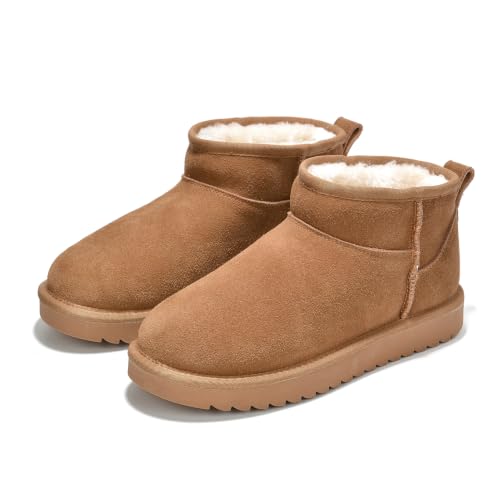
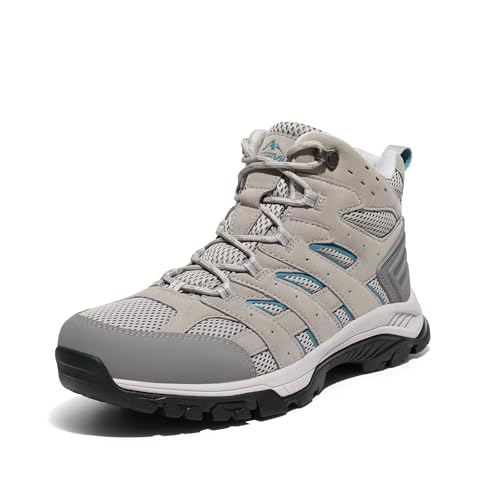

Boots 101: The Basics for First Time Buyers
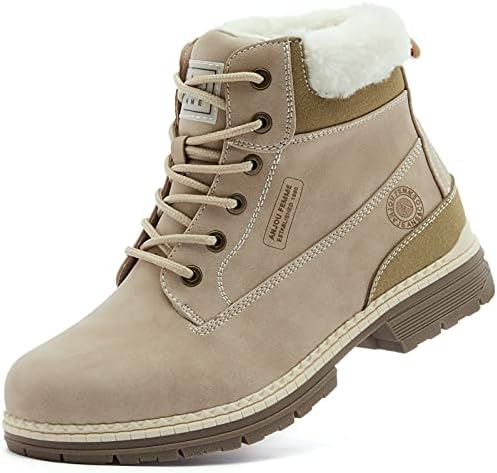
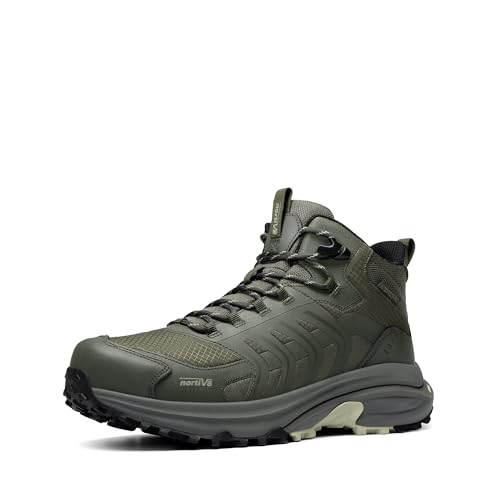
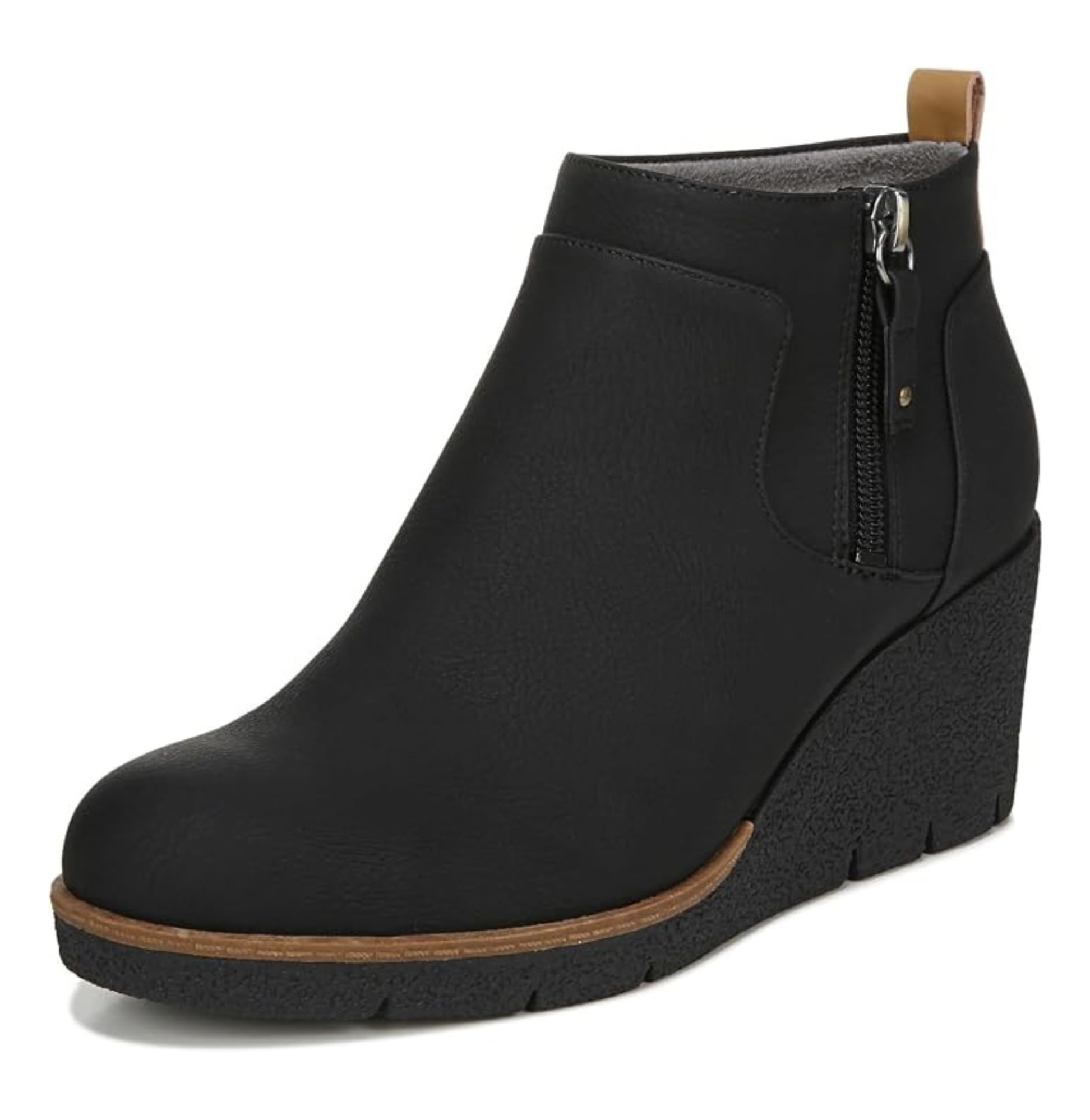
A boot is footwear that rises above the ankle, and that extra height is the whole point of the design. The shaft wraps the ankle for support and protection, while the collar and tongue cushion the top of your foot. Below that sits the upper, the main body of the boot, which may be leather, synthetic fabric, or mesh.
The part you stand on has three layers worth knowing. The insole is the removable cushion under your foot, the midsole absorbs impact in the middle, and the outsole is the rubber bottom that grips the ground. When you scan the product table above, these are the parts each listing describes, even when brands use their own names for them.
A firm budget ceiling is a genuine advantage for a first purchase, because it forces you to rank needs instead of paying for extras.
Key Specs Explained in Plain English
Specs sound technical, but each one answers a simple question about fit, comfort, or grip. Your shortlist of best boots under 50 will become much easier to judge once you know what each term means in daily wear. Read the five parts below for a complete checklist.
What You Can Realistically Get Under $50
At around $50 or less, expect synthetic uppers or blended leather, foam midsoles, and rubber outsoles with moderate grip. You can still find honest value here: solid stitching, a padded collar, and a roomy fit matter far more than decorative extras. What usually gets cut is premium leather, advanced waterproof membranes, and very light weight. Spend your money on fit and sole grip first, because a boot that hurts or slips is a poor bargain at any price.
Sales and older color options can stretch the budget further, so patience helps. Check that the low price applies to your exact size, since some sizes cost more on the same listing. Confirm the return policy before ordering, because a first pair often needs one size exchange.
Fit, Sizing, and Toe Box
Fit is the single most important factor, and it starts with measuring your feet late in the day when they are at their largest. Your toes need room to spread, which is why the toe box shape matters as much as the size number. A cramped toe box causes rubbing and numbness, while a very wide one lets your foot slide and blister. Aim for about a thumb width of space in front of your longest toe.
Wear the socks you plan to use when you try boots on, since thick work socks can change the fit by half a size. Your heel should stay seated when you walk, with only slight movement. If you fall between sizes, most buyers do better with the larger size and a thicker insole.
Cushioning and Support
Cushioning softens each step, while support controls how your foot moves inside the boot. Arch support is the shaped rise under your midfoot, and the right amount keeps your feet from tiring quickly on long shifts or walks. Boots with a stability design guide the foot toward a steadier stride, which suits people whose ankles roll inward. Shoppers coming from neutral shoes often prefer a balanced boot that cushions without forcing the foot into a new position.
The heel to toe drop is the height difference between the heel and the front of the sole. A higher drop shifts more work to your calves, while a lower drop feels flatter and closer to the ground. Neither is better for everyone, so match the drop to what your feet already know.
Waterproofing With Gore Tex and Other Membranes
A waterproof membrane is a thin layer inside the upper that blocks rain and puddle water while letting some sweat vapor escape. Gore Tex is the best known name in this space, but many brands use their own membranes that work in a similar way. Waterproof boots make sense if you walk through wet grass, slush, or rainy streets often. They also keep feet warmer, which is a bonus in cold months.
The tradeoff is airflow. A membrane boot is less breathable than an open mesh boot, so your feet may feel warm and damp from sweat on hot days. If most of your walking happens indoors or in dry weather, a breathable upper will usually feel more comfortable. Choose based on your wettest regular day, not your wettest possible day.
Outsole Traction and Terrain
The outsole is where the boot meets the ground, and its tread pattern decides how confidently you can walk. Deep lugs, the raised blocks on the sole, bite into mud, gravel, and loose dirt on trails. Shallower, wider tread works better on pavement and warehouse floors, where it stays stable and wears down slowly. Rubber compound matters too, since softer rubber grips smooth wet surfaces better but wears faster.
Match the tread to your main terrain instead of buying the most aggressive pattern you can find. Very deep lugs can feel wobbly on hard floors and pack with mud in town use. For mixed days of sidewalks and park paths, medium lugs are the practical choice.
Rookie Mistakes to Avoid
First time buyers tend to make the same handful of errors. Read this list before you order so you can skip the expensive lessons.
- Buying by shoe size alone, which leads to pinched toes because boot sizing runs differently across brands.
- Choosing style over fit, which leaves you with a sharp looking pair that hurts within an hour of walking.
- Ignoring the outsole, which results in slips on the wet floors or trails where you actually spend your time.
- Paying for waterproofing you never need, which leaves you with hot, stuffy feet through the whole summer.
- Skipping the return check, which strands you with the wrong size when a simple exchange would have fixed it.
- Wearing brand new boots on the longest day first, which turns a normal break in period into blisters and sore spots.
Getting Started: Setup and First Use
When your boots arrive, inspect them before you remove any tags. Check that both boots match in size, look for loose stitching, and confirm the soles sit flat. Try them on indoors with your usual socks and walk on carpet and hard floors. If the fit feels wrong at home, it will not improve outdoors, so exchange them while returns are easy.
Lacing shapes the fit more than most new buyers expect. Snug the laces evenly from the bottom up so the boot holds your midfoot without squeezing your toes. A heel lock, made by using the top eyelet loop, keeps your heel seated on slopes and stairs. Retie after ten minutes of walking, because laces and padding settle as you move.
Build up wear time over the first week instead of heading out for a full day. Start with short walks, then add distance as the upper softens and shapes to your foot. On rest days, some people rotate to sandals and recovery footwear at home so tired feet get a break. After wet walks, stuff the boots with newspaper and air dry them away from direct heat, which protects the upper and glue lines.
Boots: Your Questions Answered
Can you get good boots for under $50?
Yes, you can get good boots at this price if you focus on fit, grip, and honest construction. Look for even stitching, a padded collar, and an outsole with real tread depth for your terrain. Skip decorative buckles and extra zippers, which add cost without adding comfort. Sales and less popular colors can move a better built boot into your budget.
How often should you replace boots you wear every day?
You should replace daily wear boots when the tread wears smooth, the midsole feels flat and harsh, or the upper cracks and lets water in. For many people that point arrives after about one to two years of daily use, depending on mileage and surfaces. Rotating two pairs extends the life of both, because the foam recovers between wears.
How long is the break in period for new boots?
The break in period for new boots usually lasts about one to two weeks of regular short walks. Synthetic and mesh uppers soften fastest, while thicker leather takes longer to shape to your foot. Wear thick socks during this stage and tape any spot that rubs before it becomes a blister. If pain stays sharp in one place after two weeks, the shape is likely wrong for your foot.
How should boots fit when you first try them on?
Boots should fit snugly around the heel and midfoot while leaving clear space in front of your toes. Stand and shift your weight forward, and your toes should not press hard against the front. Walk down a slope or stairs if you can, since that test reveals heel lift quickly. A useful extra check is removing the insole and standing on it, because your foot should sit within its edges without spilling over.
Do you need waterproof boots for everyday use?
You need waterproof boots for everyday use only if your routine regularly includes rain, puddles, wet grass, or slush. For mostly indoor work and dry commutes, a breathable upper will feel cooler and dry faster. Consider your socks as part of the system, since wool blend socks manage moisture better than cotton in any boot. One practical approach is a breathable main pair now and a waterproof pair later if your routine changes.
Are more expensive boots worth the extra cost over budget boots?
More expensive boots can be worth it when they buy you lighter weight, longer lasting materials, and a resoleable design. For a first pair, though, a budget boot teaches you what fit and features you actually prefer. That knowledge makes a later upgrade far smarter than guessing at a high price now.
Can you wear budget boots all day?
Yes, you can wear budget boots all day if the fit is right and you build up to long days gradually. Add a cushioned aftermarket insole if the stock insole feels thin, which is an inexpensive comfort upgrade. Loosen the laces slightly during breaks to restore circulation. If your feet ache in the same place every day, treat that as sizing information rather than something to push through.
Final Thoughts
A smart first purchase comes down to three things: honest fit with room in the toe box, an outsole matched to your ground, and features chosen for your real weather. Everything else is secondary at this price. Go back to the product table above with those three checks and compare your options calmly. The best boots under 50 for you is the pair that fits your feet, your ground, and your routine.