
Best Boots under 300: How to Choose by Budget for 2026
Disclosure: We may earn a commission when you buy through links on this page, at no extra cost to you. As an Amazon Associate I earn from qualifying purchases. Learn more

Learn how to choose the best boots under 300 by comparing price tiers, fit, support, materials, and waterproofing before you spend your budget.
Boots at this ceiling range from simple work pairs to serious trail and hunting footwear, and the price gap does not always match the quality gap. The best boots under 300 for you depend on where your money actually goes, such as leather quality, outsole grip, cushioning, and support. This guide breaks down what each price tier usually delivers, which upgrades deserve your dollars, and which extras you can safely skip.
Start with the comparison table below to see how options stack up on price and core features, then use the sections that follow to judge fit and long term value.


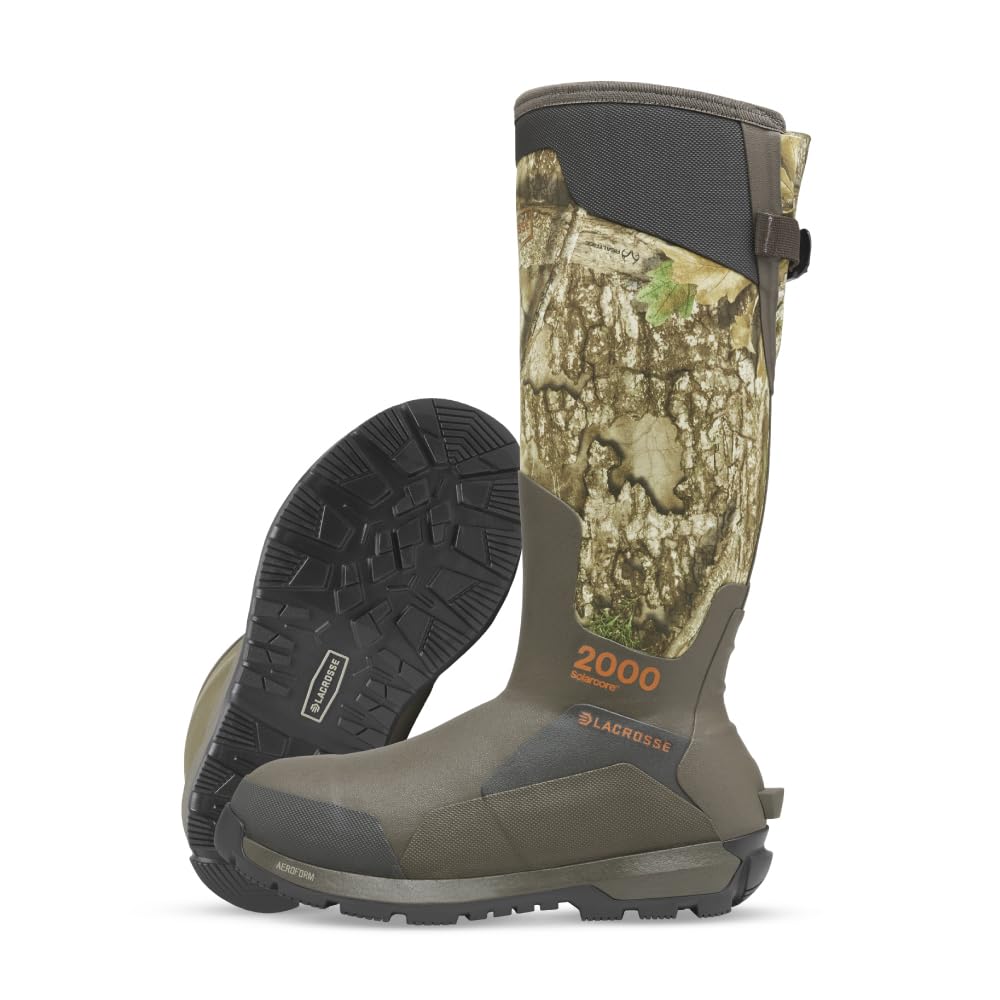
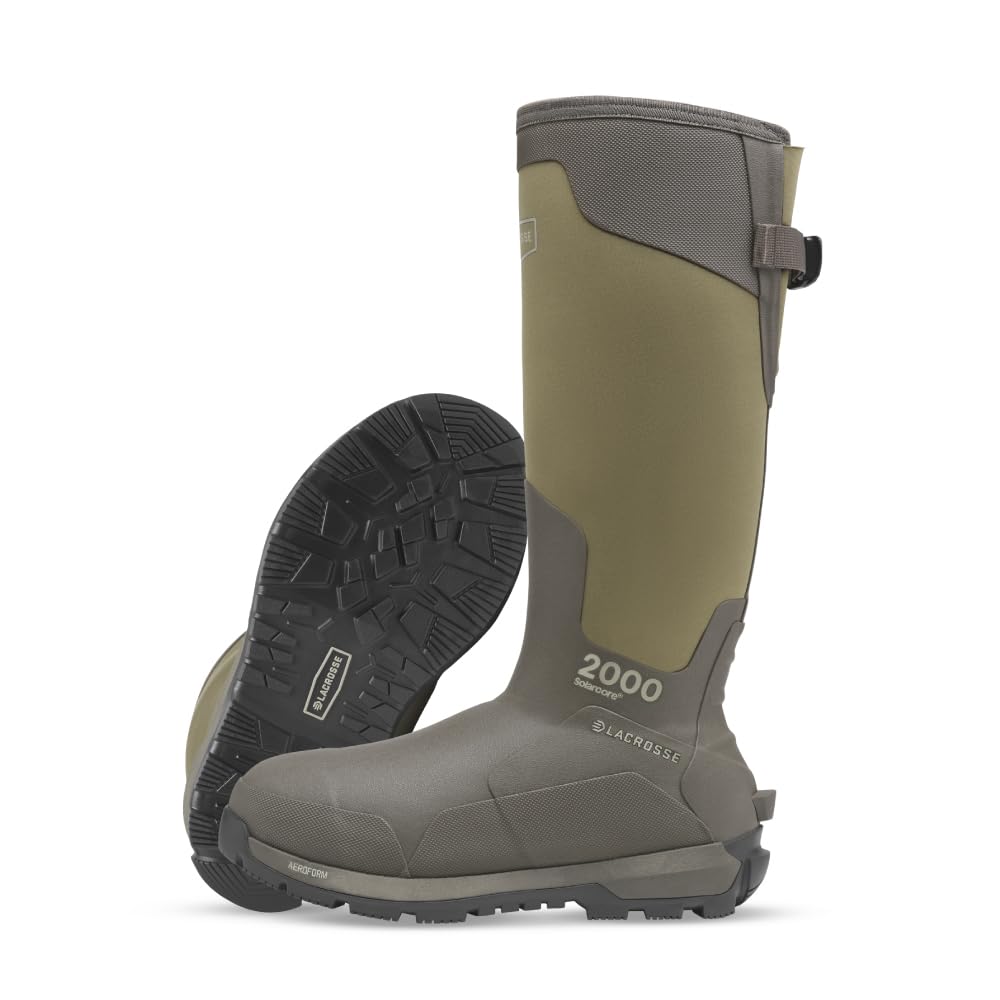
How to Plan Your Boot Budget
Start With Your Main Use
Write down the job your boots must do most often before you look at prices. Daily warehouse shifts call for cushioning and a forgiving fit, while rocky trails demand a grippy outsole and ankle coverage. Cold weather hunting adds insulation and quiet materials to the list. When your main use is clear, you can ignore features built for other jobs and put the savings toward the parts you will feel every day.
Decide What You Will Pay More For
Rank your needs in order, because a firm ceiling forces trade offs. If you stand on concrete all day, spend on cushioning and arch support first. If you hike in rain, a waterproof membrane and sealed seams matter more than a fashionable finish. Shoppers who wear neutral shoes for most activities often prefer moderate support in boots as well. Paying for your top two needs beats spreading money thinly across every feature on the box.
Set a Ceiling and Keep Room for Extras
Hold back a small part of your budget for the extras that make boots work well, such as quality socks and replacement laces. A ceiling works best when the full cost fits inside it, not just the headline price.
What Your Money Gets You at Each Price Tier
Budget Tier: What to Expect Under $100
Boots priced under $100 usually rely on split leather, synthetic panels, or basic suede, with simpler foam cushioning and glued soles. Expect decent comfort for light work and short walks, along with faster wear at the heel and toe. Water resistance is often a surface coating rather than a true membrane.
Midrange Tier: Where Most Buyers Land Well
Prices from about $100 to $200 bring the biggest jump in value. You will commonly find fuller leather uppers, better stitching, shaped insoles, and outsoles with deeper lugs for grip. Many pairs add a waterproof membrane, improved stability around the heel, and a roomier toe box. For work, hiking, and general outdoor use a few times a week, this tier usually balances comfort, durability, and price better than either end of the range.
Premium Tier: What Extra Money Can Buy
From about $200 to $300, the gains get smaller but more refined. Look for thick full grain leather, resolable construction on some work and heritage styles, advanced cushioning foams, and membranes that stay breathable on long days. Fit options widen too, with more widths and lasts shaped for different feet. This tier makes sense for daily heavy use, demanding terrain, or buyers who keep one pair for many seasons and want repairs to stay possible.
Features Worth Paying For and Ones to Skip
Arch Support and Foot Type
Arch support should match your foot shape rather than a marketing label. Flat feet often feel best with firm support and a stable heel that limits inward rolling, a pattern linked to overpronation. High arches usually need more cushioning under the midfoot so pressure spreads across the sole. If you are unsure, press a wet foot onto dry paper and look at the print, then compare insole shapes against that outline before you order.
Fit, Sizing, and the Toe Box
Measure both feet late in the day, when feet are at their largest, and shop by the longer measurement. Your toes should clear the front of the boot while your heel stays put as you walk. A wide toe box helps if your toes splay or if you wear thick socks, but extra width through the heel can cause sloppy movement. Brands size differently, so check the return policy and try boots indoors on carpet first.
What You Can Realistically Get Under $300
When you shop for best boots under 300 dollars in total, you can expect strong leather, dependable waterproofing, and solid support, but rarely everything at once in the lightest possible package. Ultralight trail designs, premium insulation, and resolable soles each push prices upward, so most pairs under the ceiling deliver two of those three. Never cut corners on fit or outsole grip to gain a cosmetic upgrade, because sore feet and slips cost more than the savings.
Break In Period and Comfort Out of the Box
Stiff leather boots often need gradual wear before they feel like yours. Start with short indoor sessions, then brief walks, and add time as the material softens around your ankle and forefoot. Synthetic and mixed material boots usually feel comfortable sooner, though their padding can pack down with age. Persistent pinching at one spot is a fit problem, not a normal stage, and longer wear rarely fixes a boot that folds into your toes.
Upper Materials and Breathability
Full grain leather resists scuffs and molds to your foot, but it feels warm in summer and needs conditioning. Suede and nubuck look softer and weigh less, yet they stain more easily and need protective care. Mesh panels make a boot more breathable for hot work sites, though they give up some durability and weather protection. Knit uppers appear on casual styles and feel flexible, but they offer little defense against brush, sparks, or cold rain.
Boots for Specific Needs
Best Hunting Boots under 300
Hunting places demands on boots that general outdoor pairs rarely face. You need quiet outsoles that grip wet leaves without crunching, enough insulation for long still periods, and scent control matters less than warmth and dry feet. Look for waterproof boots with a tall shaft for creek crossings and brush, plus a heel to toe drop that feels natural for slow stalking.
Boots for Long Work Days
If you spend eight or more hours on hard floors, prioritize cushioning that stays supportive late in the shift and a sole that resists slipping on smooth surfaces. Safety toes add weight, so choose composite or alloy options where your workplace allows them and steel only when rules require it. A padded collar and a stable heel counter reduce ankle fatigue.
Boots for Wet Trails and Cold Weather
Wet ground rewards deep lugs, a gusseted tongue that keeps debris out, and seams sealed against leaks. For snow and ice, a softer rubber compound grips better than hard rubber, and a taller shaft keeps slush away from your socks. Insulation ratings are rough guides at best, because activity level changes warmth a great deal.
Long Term Costs to Factor In
The purchase price is only part of what a pair of boots will cost you. Quality socks, replacement insoles, and leather conditioner add modest yearly expenses, while a resole on premium construction can cost a notable share of the original price. Warranty terms vary widely, and coverage for sole separation or membrane failure can save a full replacement. Compare the product table above with these ownership costs in mind.
How to Make Your Boots Last Longer
Loosen the laces fully before pulling boots off, since forcing your heel out breaks down the heel counter over time. Let wet boots dry at room temperature with the insoles removed, and keep them away from heaters that crack leather. Brush dirt from uppers and outsoles after use, condition leather when it looks dry, and store pairs upright with newspaper or boot trees inside. Address loose stitching or sole edges early before small damage spreads.
Common Mistakes to Avoid
- Buying by your shoe size alone, because boot lasts run longer and wider than sneakers, which leaves toes striking the front on downhill walks.
- Choosing the lowest price in the range, because thin soles and weak stitching can wear out within a season of regular use.
- Ignoring the outsole pattern for your ground, because smooth soles on mud or ice turn small slips into falls and injuries.
- Wearing thin cotton socks with new boots, because cotton holds sweat and raises the risk of blisters during the break in period.
- Skipping the return policy check, because a boot that feels fine in the store can pinch badly after an hour of walking.
- Paying for heavy insulation you never need, because overheated feet sweat more and feel colder once you stop moving.
Frequently Asked Questions About Boots Under $300
Can you get good boots for under $300?
Yes, you can get good boots for under $300, and most buyers do not need to spend near the ceiling. The midrange part of the product table above covers work, hiking, and hunting needs for many people. Spend more only when a specific need points that way, such as resolable soles for years of service or extra insulation for stationary cold weather work. Fit remains the deciding factor at every price.
How should boots fit your feet?
Boots should fit snugly through the heel and midfoot with clear space in front of your longest toe. Walk on an incline board or down stairs during try on if the store allows it, since downhill movement reveals toe crowding that flat floors hide. Wear the socks you plan to use most, and lace firmly from the bottom upward. If one foot is larger, fit the boots to that foot and pad the smaller side.
Are premium priced boots worth the extra cost?
Premium priced boots are worth the extra cost when you use them hard and often. Daily wearers gain the most from better leather, stronger stitching, and soles that can sometimes be replaced instead of discarded. Weekend users may never wear out a midrange pair, so the upgrade brings little real return.
How long is the break in period for new boots?
The break in period for new boots usually runs from a few days for soft synthetic styles to several weeks for stiff leather pairs. A helpful approach is adding about an hour of wear per day and watching for hot spots. Moleskin or thicker socks can protect tender skin while the upper softens. If pain sharpens instead of fading after a week of gradual wear, exchange the size rather than pushing through.
Do you need waterproof boots for everyday use?
You need waterproof boots for everyday use only if your routine regularly crosses wet ground, slush, or heavy rain. In dry climates, a breathable upper often feels better across a full day because sweat escapes more easily. One middle path is keeping a waterproof pair for storm days and a lighter pair for fair weather.
Can you wear boots all day comfortably?
Yes, you can wear boots all day comfortably once the fit is right and the break in period is behind you. Two habits make long days easier. Rotating between two pairs on back to back workdays lets the cushioning foam recover its shape overnight, and swapping to fresh socks at midday cuts moisture and friction. If your feet ache by evening in a well fitted pair, a cushioned insole usually helps more than a larger size.
How often should you replace worn boots?
You should replace worn boots when the outsole tread turns smooth, the midsole feels flat and harsh, or the upper no longer holds your ankle steady. A simple check is pressing your thumb into the heel cushioning, since foam that stays compressed has lost its spring. Uneven heel wear that changes how your leg aligns is another clear signal. Replacing on time protects your knees and back from the strain of worn support.
Final Thoughts
The smartest way to spend under this ceiling is to match the price tier to your real use, insist on a fit that suits your toe box and arch, and pay for grip and support before style. Use the product table above to compare how each option balances those points against its price. Chosen with care, the best boots under 300 can serve you through many seasons of work, trails, and wet weather without draining your budget.


