Best Boots under 100 for 2026: What Your Money Really Gets You
Disclosure: We may earn a commission when you buy through links on this page, at no extra cost to you. As an Amazon Associate I earn from qualifying purchases. Learn more

See what the best boots under 100 really buy at each price point, which features survive the budget, and where a few extra dollars change comfort.
Boots on the market run from under $30 to well past $400, so a budget cap only helps if you know what it actually buys. Shoppers hunting for the best boots under 100 usually discover that the difference between a $45 pair and a $95 pair is not style but construction: sole attachment, lining, and how the upper handles wet ground. Some corners can be cut safely at this price, and a few should never be cut at all.
This guide walks the price ladder rung by rung, showing what each level typically includes and gives up. The comparison table below gives a quick view of typical options at each level. After that come the features that deserve your dollars, the ones you can skip, and the ownership costs that follow any cheap pair home.



Reading the Price Ladder Under $100
Three bands divide the under $100 shelves, and each band buys a noticeably different boot. Knowing which band you are in keeps your expectations honest.
The Floor: about $35 to $55
The lowest band buys fashion boots and light duty pairs built around cemented soles and synthetic uppers. Expect thin linings, basic foam insoles, and hardware that is more decorative than structural. These boots handle dry city days and occasional wear well, but daily use wears through the outsole and cracks the upper within a season or two. Shoppers on the tightest budget do best choosing a simple shape in this band, because every decorative strap or extra buckle takes money away from the sole and lining that decide comfort.
The Middle Shelf: about $55 to $80
The middle band is where under $100 boots start to feel like real footwear. Uppers move to genuine leather or better synthetics, insoles gain real cushioning, and outsoles get deeper tread with rubber that grips on wet pavement. Many work and hiking styles in this band add a padded collar and a gusseted tongue that keeps grit out. For most buyers this level offers the strongest balance, since the jump from the floor band buys durability you can feel on the first long walk rather than features you only read about.
Just Under the Cap: about $80 to $100
Spending close to the full $100 buys the details that separate a season of wear from several years of it. Look for stitched or partly stitched soles, waterproof membranes that actually keep socks dry, metal eyelets, and removable insoles you can swap for your own. Brand name outdoor and work lines often place their entry models here, and last season colors regularly drop into this band from higher prices. If your budget can stretch to this rung, it usually should, because this is where comfort and lifespan stop trading against each other.
Matching Boot Types to a Tight Budget
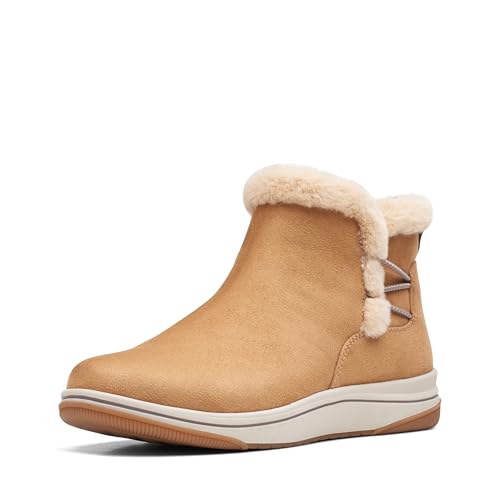
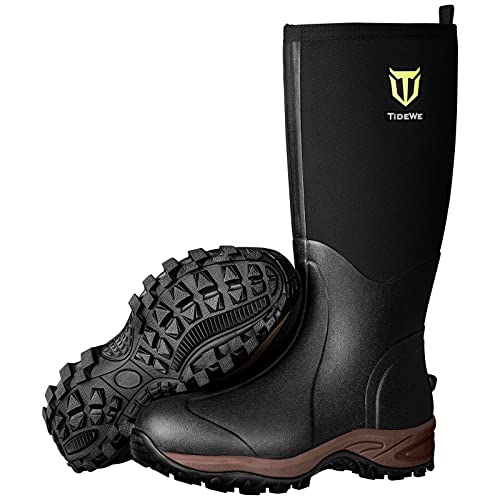
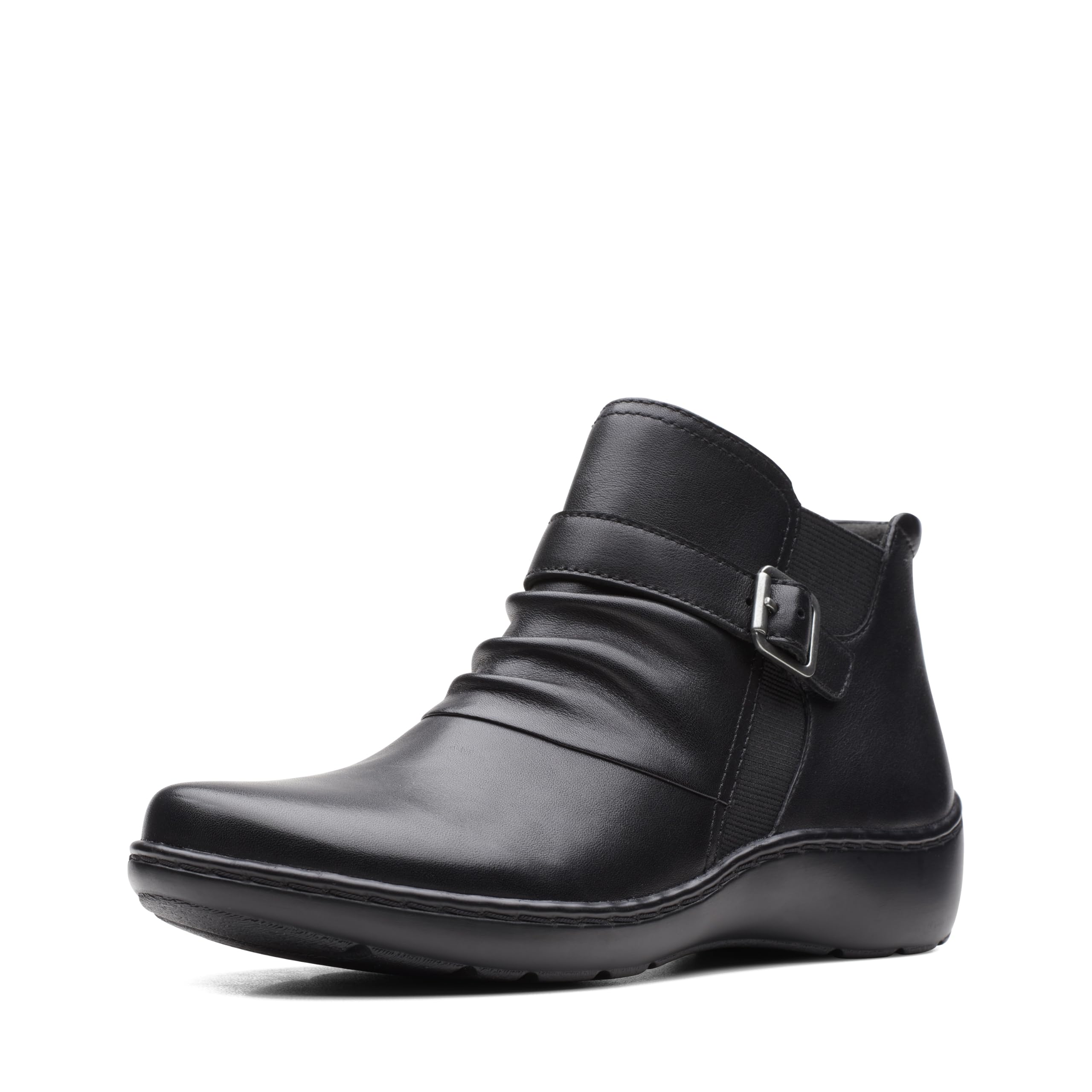
Work boots under $100 usually skip steel toes or use composite toes, and they lean on thick foam for comfort, so they suit light duty jobs better than heavy sites. Hiking boots at this price handle day hikes on maintained trails but give up the stiff shank that protects on rocky ground. Winter boots spend the budget on insulation and tall shafts, which makes them warm but heavy and clumsy indoors. Fashion boots are the easiest to buy cheaply, since style ages faster than construction wears out.
Across all four types, the product table above shows how far the same dollars stretch.
Features Worth Paying For (and Ones to Skip)
What You Can Realistically Get Under $100
A realistic under $100 boot gives you a rubber outsole with useful tread, a cushioned insole, and an upper that survives normal weather. What usually gets cut is resoling, premium leather thickness, and hardware quality. Never save money on fit or on sole grip, because both decide whether you can wear the pair all day. Spend on those two things first and let decorative details go.
Fit, Sizing, and Toe Box
Fit matters more at low prices because budget lasts run less consistent between sizes. Measure both feet in the evening and order for the larger one, leaving about a thumb width ahead of your toes. A roomy toe box prevents the forefoot ache that thin budget insoles cannot cushion later. If your feet hurt on most days, swell noticeably, or stay numb after walks, see a doctor rather than hoping a new boot will fix it.
Waterproofing and Membranes
A waterproof membrane is worth paying for if your boots will meet rain, slush, or wet grass weekly, and the middle band is where membranes start to work reliably. The trade off is breathability, since a membrane traps some warmth and moisture on hot days. Shoppers in dry climates can skip waterproofing entirely and put the money toward a better sole. Whatever you choose, treat the claim on the box with care: water resistant and waterproof are different promises.
Upper Materials and Breathability
Full grain leather costs the most and lasts the longest, while split leather and synthetic blends lower the price and breathe a little better. Mesh panels cool work and hiking styles but let in dust and water. Knit uppers appear on fashion boots at the floor band and stretch comfortably, though they offer little protection. At every band, check the stitching where the upper meets the sole, because that seam fails first on cheap boots.
Long Term Costs to Factor In
The ticket price is only part of what a cheap pair costs. Budget for replacement insoles at about $10 to $25 once the stock foam flattens, waterproofing spray for leather and suede, and a second pair of laces. Cemented soles cannot be resoled, so a floor band pair worn daily may need full replacement within a year, which can cost more over two years than one middle band pair. A warranty of even one year is worth noting at this price, since many budget boots offer none.
Boots Under $100: Your Questions Answered
Can you get a good pair of boots for under $100?
Yes, you can get a good pair of boots for under $100 if your use matches what the price buys. The middle and top bands offer leather uppers, gripping rubber soles, and cushioning that lasts, which covers commuting, light work, and day hiking well. What the budget will not buy is resoling, heavy duty protection, or premium waterproofing. Match the boot to your hardest regular day, not your hardest imaginable one, and the value holds up.
How should boots under 100 fit when you try them on?
Boots under 100 should fit snug at the heel, roomy at the toes, and secure across the laces without pressure points. Try them in the evening with your usual socks, and walk on a hard floor rather than carpet to feel the sole honestly. Budget lasts vary more between brands, so a half size change between two pairs is normal. If the heel lifts with every step in the store, it will rub on the street, so change size or style.
How long does the break in period last for boots under 100?
The break in period for boots under 100 usually lasts about one to two weeks of short wears. Synthetic uppers soften quickly, while leather pairs in the top band need a few more outings before the ankle area flexes easily. Wear new boots around the house and on short trips first, and carry a spare pair of shoes for the first long day. Blisters mean the fit is wrong, not that the boot needs more time.
How often should boots under 100 be replaced?
Boots under 100 should be replaced when the tread smooths out, the midsole feels flat, or the upper splits at the flex point. With daily wear, a floor band pair may reach that point in about a year, while a top band pair often lasts two to three years. Rotating two pairs stretches both lifespans, because foam recovers between wears. Keep the receipt and warranty terms, since early sole separation is sometimes covered.
Are waterproof boots under 100 worth buying?
Waterproof boots under 100 are worth buying when wet ground is part of your routine, and the top band is where the membranes become dependable. Cheaper waterproof claims often rely on coatings that wear off within a season. Test any new pair in shallow water at home during the return window if the seller allows it. For mostly dry use, a water resistant finish plus a spare pair of dry socks serves better than a budget membrane.
Final Thoughts
Under $100, the smart money follows a simple order: fit first, sole grip second, and construction third, with style last. The middle shelf suits most buyers, while the top band rewards anyone who walks daily, as the product table above makes clear. Choose by those rules and the best boots under 100 stop being a gamble and become a fair trade for the money.