
Best Boots to Wear with Snowshoes for 2026: A Clear First Time Guide
Disclosure: We may earn a commission when you buy through links on this page, at no extra cost to you. As an Amazon Associate I earn from qualifying purchases. Learn more

Learn how to choose boots that pair well with snowshoes, from binding fit and insulation to grip, sizing, and first trip setup for new snowshoers.
Choosing the best boots to wear with snowshoes can feel confusing on a first trip, because the boot and the snowshoe have to work as one system. A boot that feels fine for a short walk in town may pinch, slip, or collect snow once it is strapped into a binding. This guide explains the basics in plain language, so you can compare boots by fit, warmth, grip, and binding compatibility rather than by looks alone.
You will learn what to check before you buy, which mistakes new snowshoers often make, and how to prepare for a first outing. The comparison table below can help you narrow the choices by type and budget once you know your size, your usual snow, and your bindings.

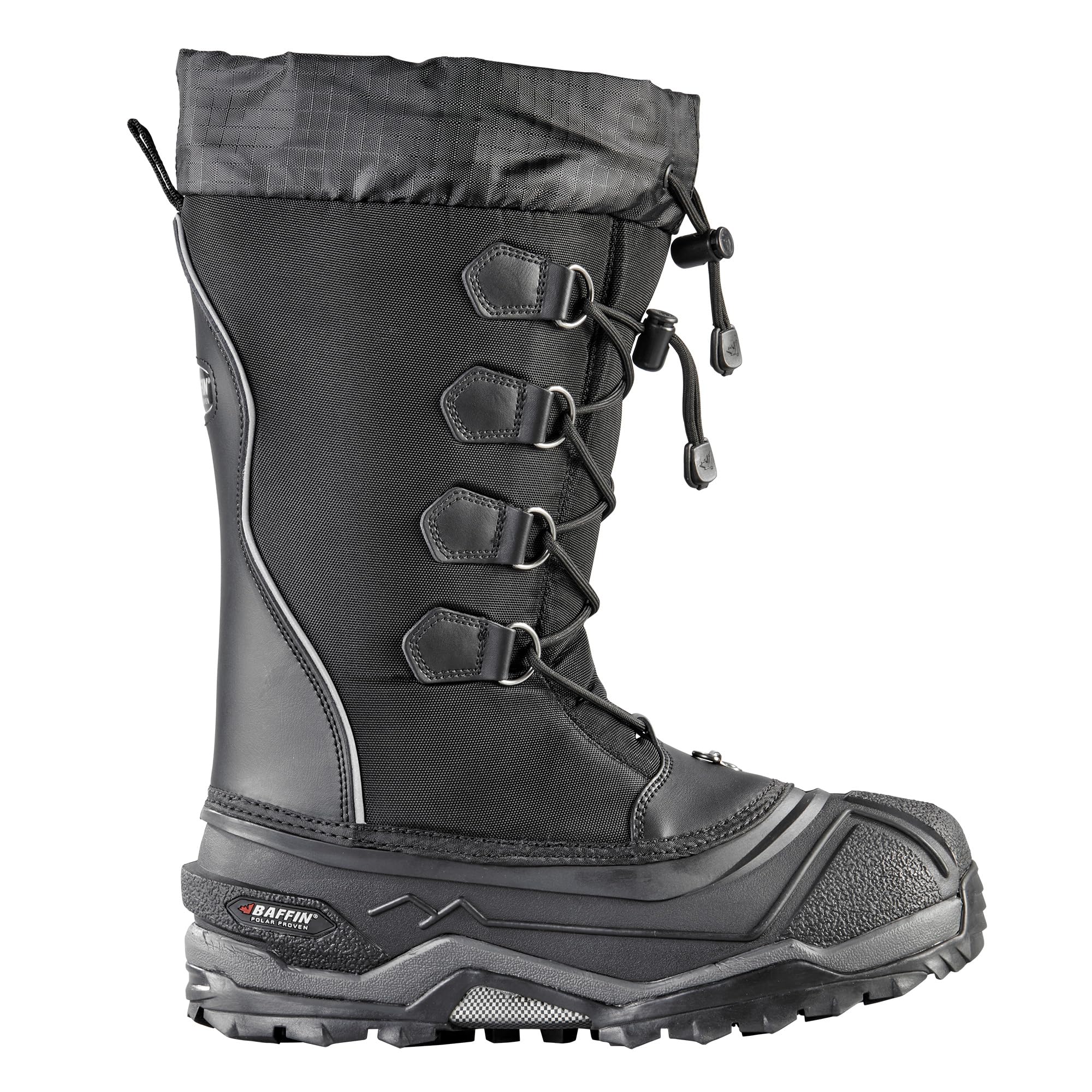
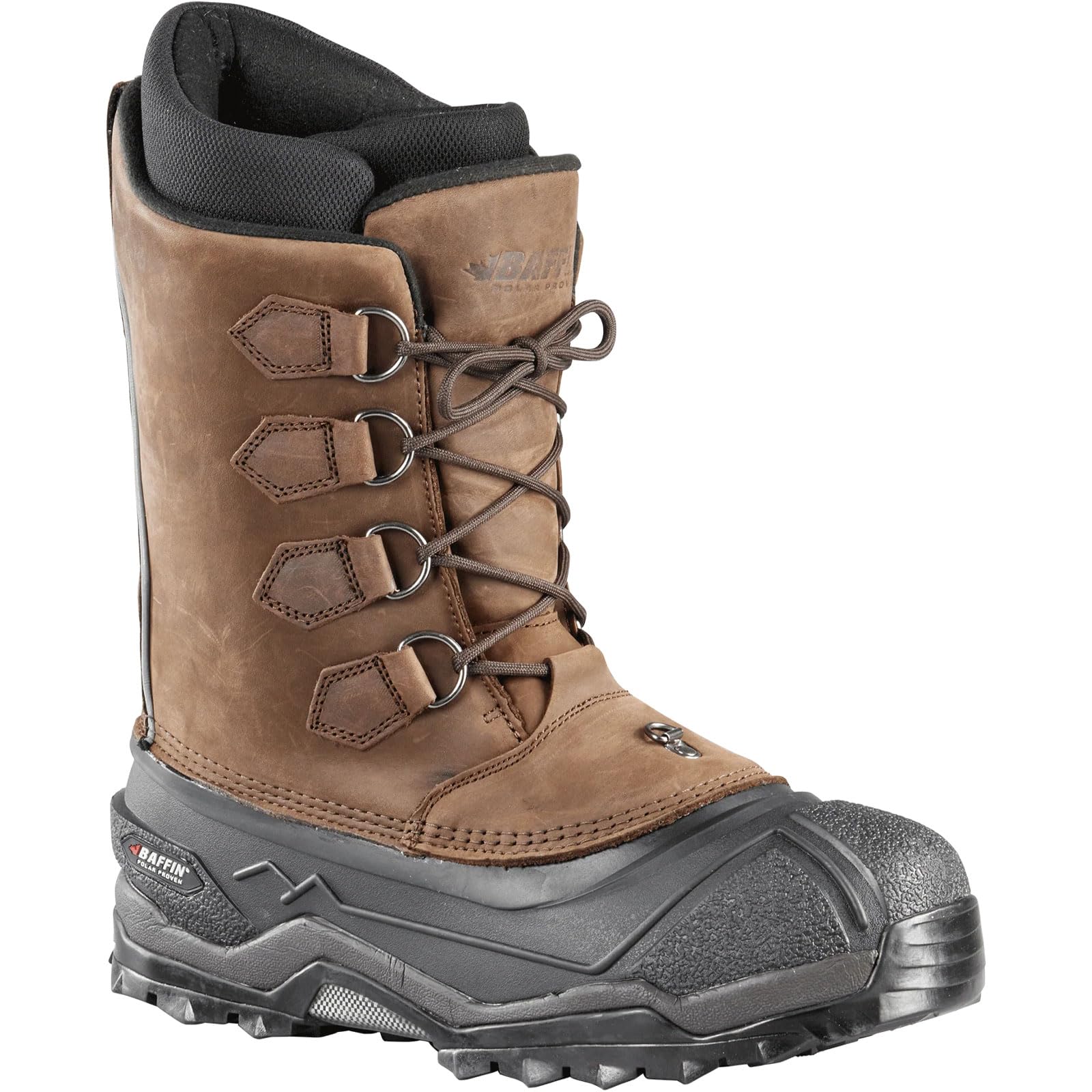
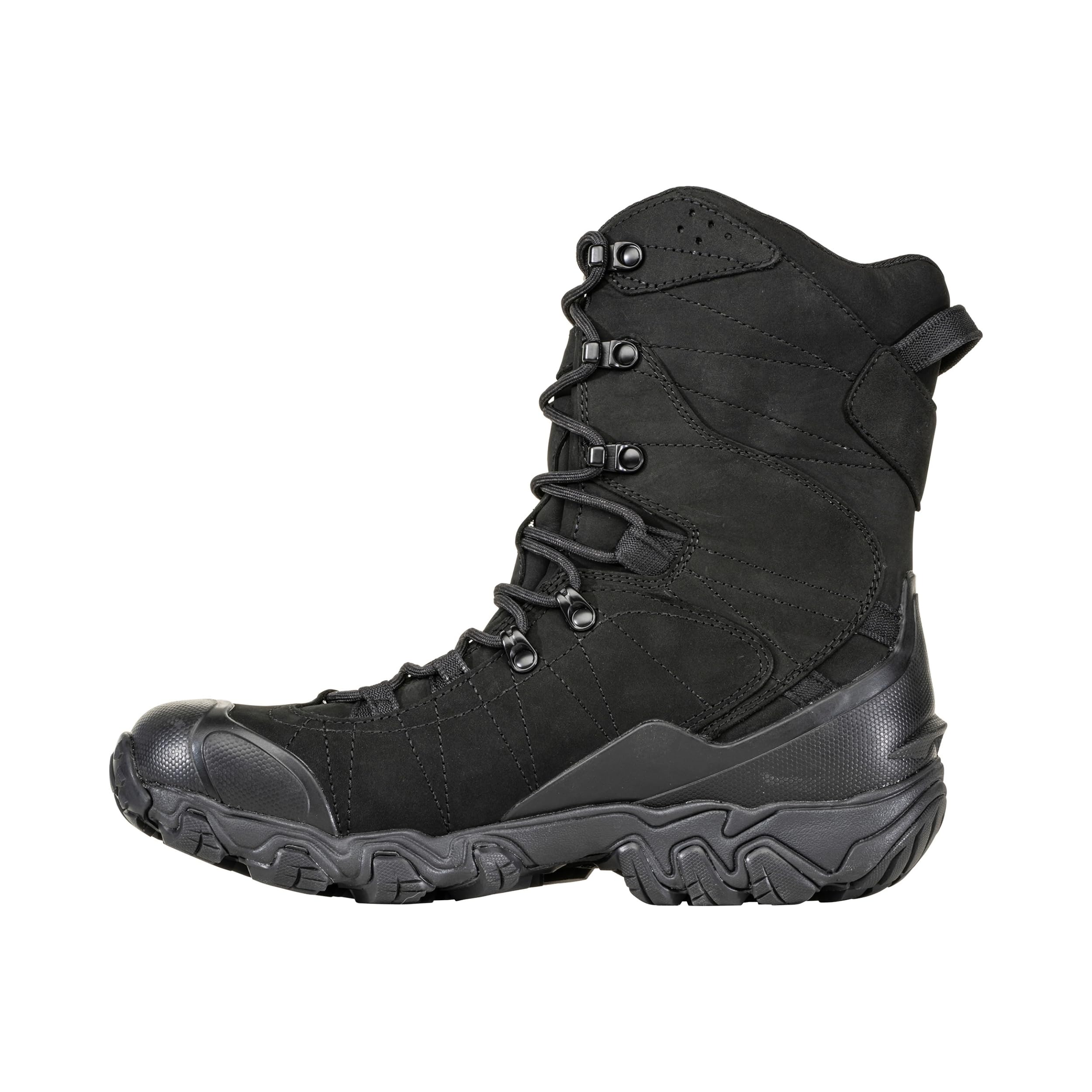

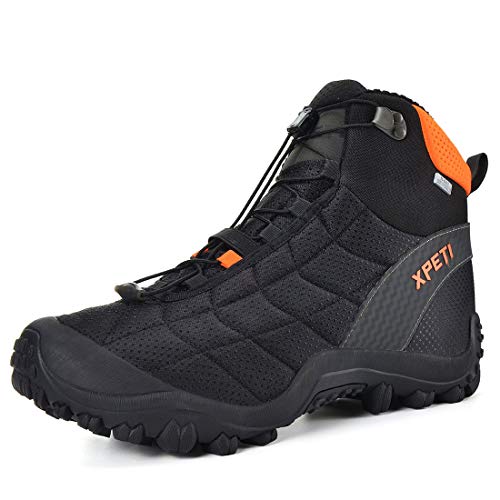

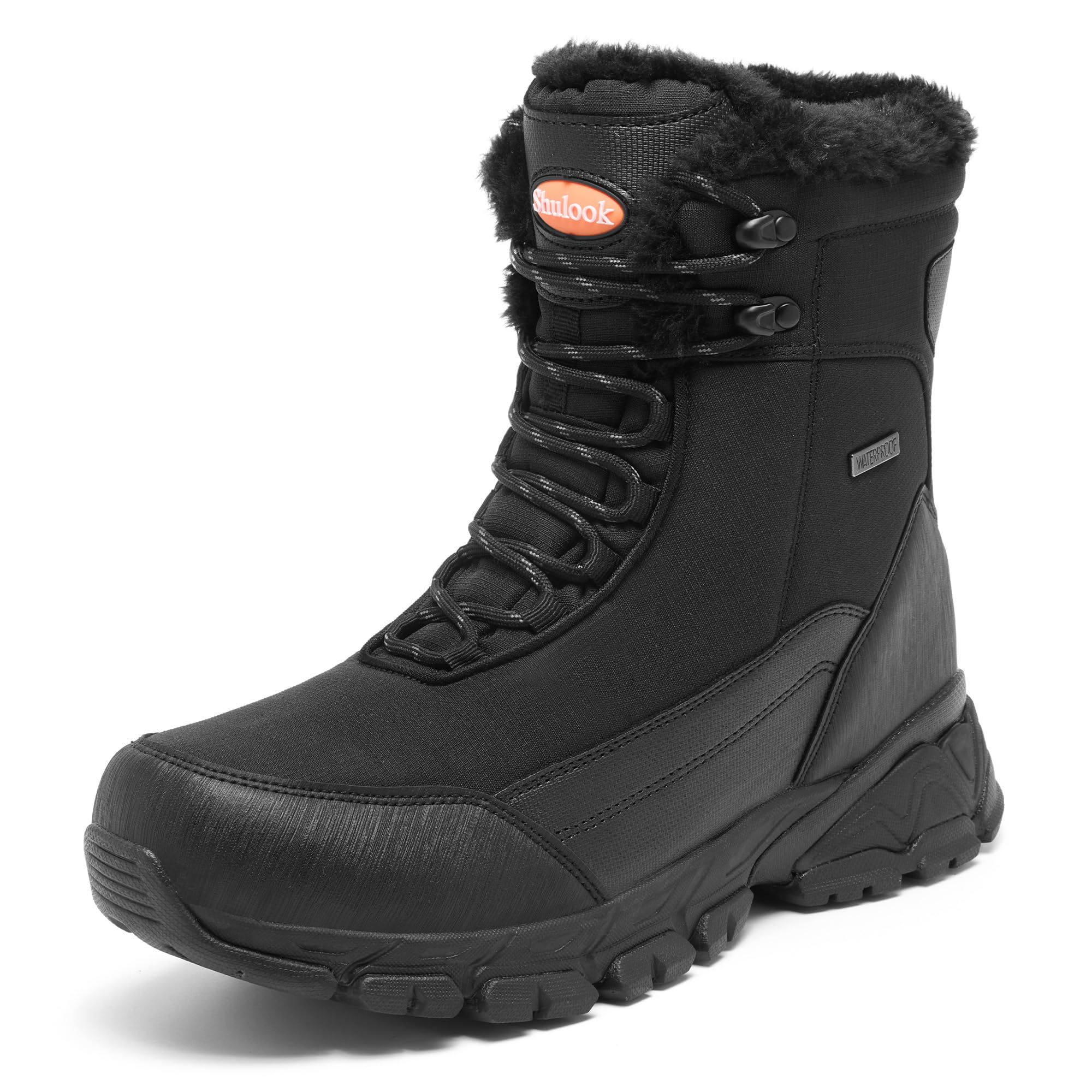
Snowshoe Boot Basics for New Snowshoers
A snowshoe boot is a warm, supportive winter boot that can sit securely in a snowshoe binding without shifting side to side. The binding holds the boot at the toe and around the heel or ankle, so boot shape matters as much as warmth. A very wide, soft, or tall boot may not seat well, while a very narrow boot may slide inside the straps.
Think in terms of three jobs: protection from cold, wet snow, and uneven ground; ankle support for rolling terrain; and a match to your binding style. Strap bindings tend to accept many boot shapes, while ratchet or step in styles may need a firmer sole and a more defined heel. Check the binding maker guidance for boot length, width, and sole thickness before you buy.
Insulation and waterproofing also work together, because insulation cannot do its job well if melted snow soaks through the upper or seams. Look for a waterproof membrane or treated upper, sealed seams, and a gusseted tongue. Breathability still matters on a climb, because sweat can make feet feel cold once you stop.
Key Specs Explained in Plain English
Why Boots That Work With Snowshoes Matter
Boots made for snowshoeing balance warmth, ankle support, and a sole that grips packed snow and ice. A boot that is too soft may let your foot roll inside the binding on a side slope. A boot that is too rigid may feel awkward and tire your legs on a long, gentle trail. The right pair lets you lift the snowshoe cleanly, place your foot with confidence, and keep moving without constant strap adjustments.
No boot can make a binding fit a shape it was not made to hold, and no boot can replace careful route choice on steep or icy ground. Use the boot as part of a system that also includes poles, layers, and snowshoes suited to your weight and snow depth.
Fit, Sizing, and Toe Room
Measure and try on boots later in the day, when feet tend to be slightly larger, and wear the socks you plan to use on the trail. Your toes should have room to wiggle without sliding forward on a downhill step, and your heel should stay seated when you lift your foot. A roomy toe box helps with thick socks and with natural foot spread, but too much extra space can cause blisters and poor control in the binding.
If you are between sizes, think about sock thickness and foot swelling on longer walks. A slightly larger size often works better for winter use than a snug summer fit, as long as lacing still holds the heel in place. Try the boot in the binding, and walk, turn, and climb a few steps to check for heel lift. Socks also change the fit, so see our guide to the best socks to wear with boots when you plan your layering.
Sole Grip and Terrain
The outsole is the part of the boot that meets snow, ice, and rock, and its lug pattern affects grip on each surface. Deep, widely spaced lugs shed snow and bite into soft trails, while a flatter, stickier rubber compound can help on packed paths and icy sections. Look for lugs that run across the sole and around the edges, because side grip matters when you traverse a slope.
Gentle groomed trails need less aggressive tread than broken, hilly terrain with ice patches. Crampon style snowshoes add their own teeth, but they do not fix a slick boot sole on rock or ice, so keep your steps short on slick ground.
Upper Materials and Breathability
Leather uppers tend to feel durable and supportive, and they often break in to the shape of your foot over time. Synthetic uppers tend to feel lighter and dry faster after a wet outing. Knit or soft fabric uppers can feel comfortable right away, but they may need a stronger waterproof layer in deep powder.
Breathability comes from the lining, the membrane, and the way the boot vents heat during effort. A waterproof boot that never vents can feel clammy on a climb, while a very breathable boot may let fine snow in through the cuff. Gaiters can close that gap, but a very tall cuff may rub against binding straps.
Durability and Expected Lifespan
A snowshoe boot should last through many winters when it is used on snow and cared for properly, but lifespan depends on mileage, terrain, and storage. Rocky trails wear soles faster than soft snow, and repeated soaking followed by fast drying near strong heat can damage adhesives and leather. Inspect the sole, seams, lacing, and waterproof layer at the start of each season, and replace a boot when the sole is smooth, the upper leaks, or the ankle support has softened badly.
Remove snow and dirt after each outing, let boots air dry away from direct heat, and store them with laces loosened. Reapply a waterproof treatment made for the upper material when water stops beading on the surface.
Rookie Mistakes to Avoid
- Buying for looks alone: A stylish winter boot may not fit your bindings, and a poor fit can cause slipping and sore feet.
- Skipping a binding test: Always check boot length, width, and heel shape against your snowshoe bindings before a long trip.
- Wearing thin cotton socks: Cotton holds moisture and can leave feet cold, so choose warm, moisture wicking socks made for winter walking.
- Lacing too loosely: Loose laces let the heel lift, which can cause blisters and reduce control on slopes.
- Ignoring ankle support: Low, soft boots may feel easy at first, but they can leave ankles tired on uneven snow.
Getting Started: Setup and First Use
Start at home by fitting the boots into the bindings and adjusting the straps for a snug, even hold. Walk around a room or a yard, then adjust the heel strap and toe strap until the boot stays centered without pinching. Check that you can lift your heel naturally for a normal stride, and that the snowshoe tail does not drag or catch on your other foot. A short practice walk will reveal pressure points faster than a long first trail day.
Dress in layers that you can adjust as you warm up, and carry an extra pair of dry socks for a longer outing. Moisture wicking base layers help manage sweat, and you can compare options in our guide to the best workout wear if you want a simple starting point for active layers. For the trip home or a casual stop after the trail, many people change into drier clothes, and our guide to the best jeans to wear with boots can help with that part of the day. On the trail, keep pants tucked or gaitered so snow stays out of the boot tops.
On your first outing, choose a short, gentle trail and bring poles for balance. Stop early to adjust straps, laces, or layers, because small problems grow quickly in cold weather. Air dry wet boots away from direct heat after the walk.
This is general fit and comfort guidance only. See a doctor for persistent or worsening foot pain, numbness, or swelling.
Snowshoe Boots: Your Questions Answered
How should snowshoe boots fit?
Snowshoe boots should fit snugly around the heel and midfoot while leaving room for your toes to move. The heel should stay seated when you step, and the boot should not slide inside the binding straps. Try boots with your trail socks, walk on a slope if possible, and check for pressure on the toes or ankle bones. A fit that feels good while standing still may still need lacing changes once you start walking uphill.
Can snowshoe boots be worn all day?
Snowshoe boots can be worn for a full day when the fit, insulation, and sock choice match the weather and the distance. Feet tend to swell on longer walks, so a fit that is slightly roomy often feels better than a very tight fit. Take breaks to adjust laces, change damp socks, and check for hot spots before they turn into blisters. If your feet feel numb, cold, or painful, stop, warm up, and reassess rather than pushing on.
Do snowshoe boots need to be waterproof?
Waterproofing is very useful for snowshoeing, because melted snow can soak through an unprotected upper during a long walk. A waterproof membrane, sealed seams, and a gusseted tongue help keep feet dry in wet snow and slush. Waterproofing alone is not enough, though, because snow can still enter over the cuff. Gaiters and well fitting pants help close that gap on deep snow days.
How long is the break in period for snowshoe boots?
The break in period depends on the upper material, with soft synthetic boots often feeling comfortable right away and stiffer leather boots needing several shorter walks. Start with short outings and adjust lacing as the boot softens, and watch for rubbing at the ankle, heel, and toe box. Do not plan a long, remote trip in brand new boots, because a small pressure point can become a painful problem far from the trailhead.
Are expensive snowshoe boots worth it?
Expensive snowshoe boots are worth it when the extra spending buys a better fit, stronger waterproofing, or a sole and ankle design that matches your terrain. A lower priced boot can work well for short, gentle trails in mild winter weather. Compare the binding fit, insulation, and sole grip first, and spend more only when those factors clearly improve comfort or control for the trips you actually take.
Wrapping Up
Focus on three checks before you buy: does the boot fit your snowshoe binding, does it keep your feet warm and dry, and does it give you steady grip and ankle support? Get those three right, and smaller details like color, weight, and extra features become much easier to judge. Try boots with your trail socks, test them in the bindings, and start with a short outing to confirm the fit.
For many first time snowshoers, the best boots to wear with snowshoes are simply the pair that fits well, stays dry, and feels steady from the first mile to the last. Use the product table above to compare types and budgets, then choose the pair that matches your snow, your terrain, and your bindings. A careful first choice makes every later winter walk more comfortable.


