
Best Boots to Wear with Shorts of 2026: Complete Buying Guide
Disclosure: We may earn a commission when you buy through links on this page, at no extra cost to you. As an Amazon Associate I earn from qualifying purchases. Learn more

Learn how to choose the best boots to wear with shorts. Compare shaft height, fit, traction, cushioning, and materials for warm weather comfort and style.
Boots with shorts can look confident and put together, but the pairing fails when the shaft height, bulk, or color fights the outfit. Choosing the best boots to wear with shorts starts with proportion, then moves to fit and traction. A slim ankle boot with tailored shorts reads very differently from a chunky hiking boot with cargo shorts, and both can work well.
This guide walks through the decisions that matter most, from toe box room and cushioning to waterproof membranes and sock choices. Use the comparison table below to see how styles differ on height, weight, and materials.


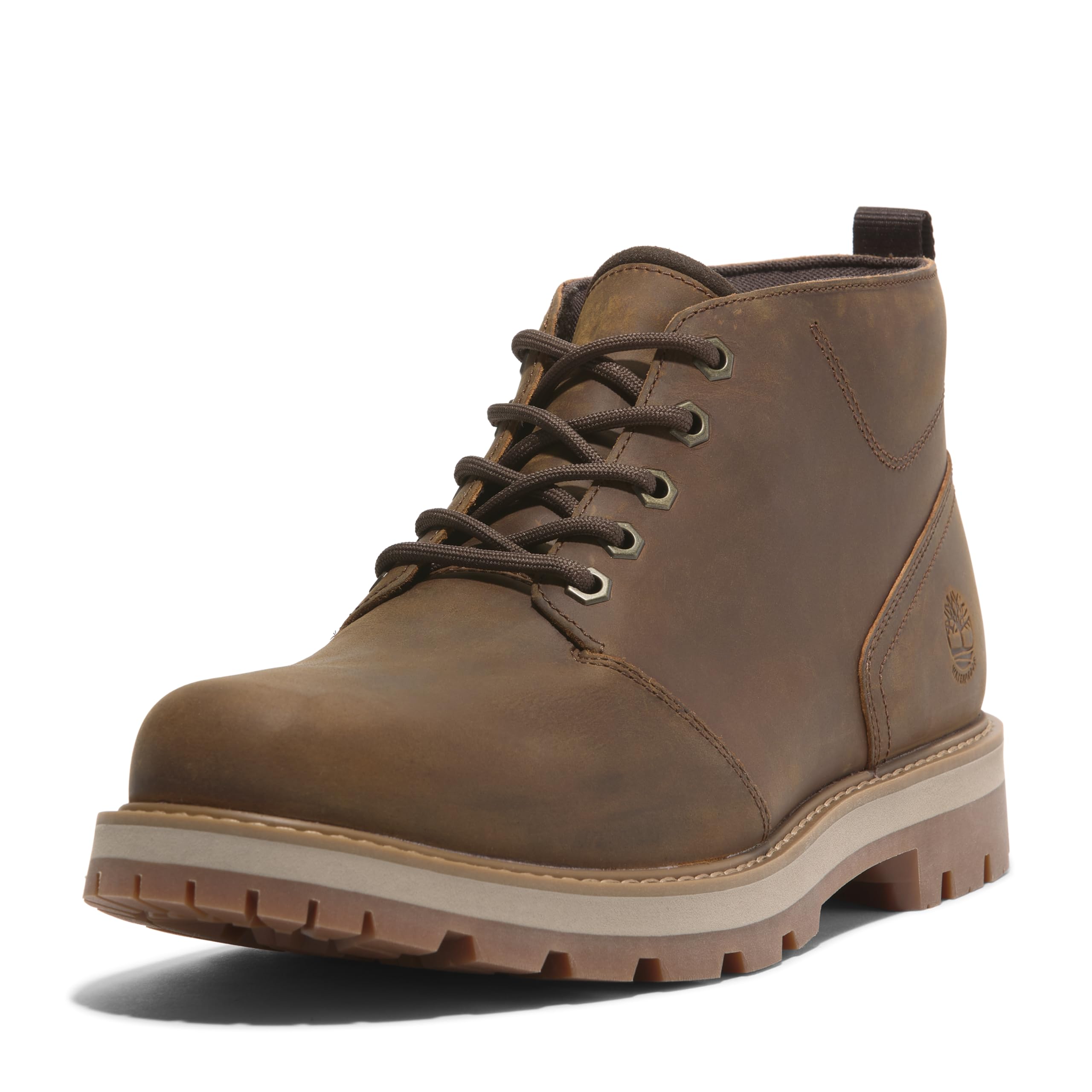


Start With Proportion: Shaft Height, Shorts Length, and Socks
Proportion shapes the look more than any single feature, and it affects comfort too, since a shaft ending at a wide part of the calf can rub as you walk.
Ankle Boots Suit Most Shorts and Most Legs
Ankle boots that end just above the ankle bone are the easiest place to start. They leave most of the leg visible, so the outfit still reads as a warm weather look rather than a winter one. This height pairs well with shorts that end above the knee and with slimmer cuts that would disappear inside a taller shaft. If this is your first pair for the look, start with this height in plain leather or suede.
Taller Shafts Need Longer Shorts and Slimmer Legs
Boots that climb to the mid calf create a rugged statement, and they shorten the visible leg line. That trade suits longer shorts ending near the knee, where the gap between hem and shaft stays small. On shorter shorts the same tall shaft can crowd the leg and make the outfit feel heavy at the bottom. Wider calves need a shaft circumference check, since a boot that fits the foot can still pinch the calf.
Color, Finish, and Sock Choices Shape the Outfit
Brown and tan boots soften the contrast against bare legs, while black boots sharpen it. Socks matter more here than with pants, since the top band is fully visible. A short sock that stays hidden gives a clean line, while a crew sock adds a sporty note. For color matching help with neutral shorts, see our guide to the best shoes to wear with khaki shorts.
How to Choose Boots to Wear With Shorts: A Buying Guide
The factors below decide whether the best boots to wear with shorts for your plans will actually feel right through a full day. Work through them in order, since fit and support matter more than small style details.
Why Boots Work With Shorts in the First Place
Boots give you grip, ankle coverage, and structure that sandals and low shoes cannot match, which helps on uneven ground, at outdoor events, and in changeable weather. They also anchor an outfit. The limits are heat and weight. A tall, insulated boot will feel wrong on a humid afternoon, so the style suits mild to warm days best, plus cooler evenings.
Fit, Sizing, and Toe Box
Measure your feet in the late afternoon, when they are at their largest. Your toes should not press the front when you walk downhill or stand on a slope, and the heel should stay seated with only slight movement. A roomy toe box matters more in warm weather because feet swell in heat, and crowded toes blister faster when skin is bare above the ankle. If you fall between sizes, choose the larger one, since thin summer socks add little volume.
Outsole Traction and Terrain
The outsole decides where the boots can go once you leave the sidewalk. Deep lugs grip loose trails, but they look bulky under neat shorts and feel clunky on smooth floors. Shallow, closely spaced tread suits pavement, boardwalks, and light gravel, and it keeps the profile slim enough for casual outfits. Softer rubber tends to grip wet stone and tile better than hard, glossy soles. Match the tread to your real terrain rather than buying the most aggressive sole available, because extra lug depth only adds bulk.
Cushioning and Support
Cushioning softens each step on hard ground, which matters when you plan to stand at festivals or markets for hours. Arch support helps the foot keep its shape as the day goes on. Stability features, such as a firmer heel cup and a wider base, help if your ankles roll inward or you walk on uneven ground. Heel to toe drop describes how much higher the heel sits than the toes. A moderate drop feels natural for most walkers, while a very flat boot can strain calves used to raised heels.
Waterproofing, Gore Tex, and Membranes
Waterproof boots use a membrane, often Gore Tex or a similar layer, plus sealed seams to keep rain and puddles out. That protection suits travel, wet grass, and unpredictable spring or fall weather. The trade off is airflow, since a membrane that blocks water also slows the escape of sweat, and warm feet swell and blister sooner. Breathable mesh or unlined leather boots dump heat far better on dry summer days. Choose waterproofing for wet ground and breathable builds for heat, rather than paying for both.
Weight and Flexibility
Weight changes how the outfit feels as much as how it looks. Light boots keep your stride easy and pair naturally with thin shorts fabrics, while heavy boots tire your feet on long walks. A sole that bends at the ball of the foot suits all day walking, while a stiff sole protects on rocky ground but feels awkward on flat streets. Bend the boot by hand before buying. If it barely flexes, expect a longer adjustment period.
Types of Boots to Consider With Shorts
Most boots sold for this look fall into a few families. Knowing the family helps you read the product table above, since the underlying trade offs stay similar.
Waterproof Boots for Rain and Travel
Waterproof models pair a sealed membrane with leather or synthetic uppers that resist soaking. They suit travelers who pack one pair of boots for mixed weather. Their weakness is heat, so they work best in spring, fall, and cool summer rain rather than peak heat. A gusseted tongue helps keep water and grit out around the laces.
Supportive Boots With Added Stability
Supportive boots build in firmer midsoles, shaped arch support, and structured heel counters. If your shorts are part of a work outfit rather than a leisure look, see our guide to the best work boots to wear with shorts for safety focused options. The cost of this support is a stiffer ride and a chunkier shape under slim shorts.
Lightweight Boots for Hot Days
Lightweight boots use mesh panels, thin suede, or unlined leather to cut both weight and heat. They are the most natural boot choice for genuinely warm days, and they pair well with linen or cotton shorts. On the hottest afternoons even these can feel warm, so on those days our guide to the best sandals to wear with shorts offers a cooler, open air option.
Neutral Everyday Boots for Casual Outfits
Neutral everyday boots, such as plain Chelsea and desert styles, focus on clean lines and easy pairing. They slip on without laces and work with everything from denim shorts to chinos cut above the knee. Their modest cushioning suits short, easy outings more than long hikes. Men comparing these styles against loafers and sneakers can see our guide to the best men's shoes to wear with shorts for the wider picture.
Tips to Get the Most From Your Boots With Shorts
A few habits keep boots comfortable and presentable when your legs are bare and every scuff shows.
- Rotate two pairs if you wear boots daily, so each pair dries fully and the cushioning recovers.
- Air dry wet boots at room temperature away from direct heat, since radiators can crack leather and weaken glue.
- Brush dirt off suede once it dries, and wipe smooth leather with a damp cloth, because grit left in creases wears the finish down.
- Lace snugly through every eyelet to prevent heel slip, which causes blisters faster when socks are short and skin sits close to the shaft.
- Condition smooth leather a few times a year to keep it supple, and store boots upright with the shafts supported so they do not crease or slump.
- Break in new boots on short walks first, building distance before trusting them for a full day out.
Common Mistakes to Avoid
- Wearing tall, heavy boots with very short shorts, so the outfit looks bottom heavy and your legs appear shorter.
- Buying your winter boot size without accounting for thin summer socks, so the boots slip at the heel and rub blisters.
- Choosing deep trail lugs for city outfits, so the soles look clunky and track grit across smooth floors.
- Wearing thick athletic socks that bunch above a low shaft, so the sock band becomes the focus of the whole outfit.
- Skipping any break in period before a long day, so stiff leather raises hot spots on skin that pants would normally cover.
- Pairing polished dress boots with worn cargo shorts, so the two levels of formality clash and neither piece looks right.
Frequently Asked Questions
Are expensive boots to wear with shorts worth the cost?
Expensive boots to wear with shorts are worth it only when the higher price buys better leather, a resoleable build, or stronger arch support that you will actually use. A modest pair with the right shaft height and fit will look and feel better than a costly pair in the wrong shape, so spend on fit and materials first.
How often should you replace boots to wear with shorts?
You should replace boots to wear with shorts when the outsole tread wears smooth, the midsole feels flat and unresponsive, or the upper cracks beyond simple conditioning. For most casual wear that point arrives after several seasons. New heel pain or slipping on wet ground the boots once handled well usually means the cushioning or tread has given out.
Can you wear boots with shorts all day in warm weather?
Yes, you can wear boots with shorts all day in warm weather if you choose breathable uppers, moisture wicking socks, and a fit with room for swelling. Loosen the laces slightly at midday, since feet expand in heat and a small adjustment prevents pressure points.
How long is the break in period for boots worn with shorts?
The break in period for boots worn with shorts usually takes about one to two weeks of short, regular walks. Soft suede styles may feel fine within a day or two, while stiff leather takes longer. Because your calves are bare, wear the boots at home first and check for shaft rub at the back of the leg, a spot pants would normally shield.
How should boots to wear with shorts fit around the ankle?
Boots to wear with shorts should fit close enough at the ankle that the shaft does not flap against the skin, with about a finger of room so the leg can flex. The foot itself needs length for toe movement and a heel that stays seated. Try both boots and walk on a slope if you can, since ankle fit problems often show up only when the foot slides forward.
Do you need waterproof boots to wear with shorts?
No, you do not need waterproof boots to wear with shorts unless rain and wet ground are regular for you. For dry summer use, breathable boots keep feet cooler and dry faster. A water resistant leather treatment is a useful middle path, shedding light splashes without sealing in heat like a full membrane.
Final Thoughts
The right pair comes down to three checks. Match the shaft height to your shorts and leg shape, confirm the fit with the socks you will actually wear, and pick traction and breathability that suit your weather and ground. The product table above helps you compare those points side by side. Get those basics right and the best boots to wear with shorts for you will feel like a natural part of your warm weather wardrobe.


