
Best Boots to Wear with Leggings: A First Time Buyers Guide for 2026
Disclosure: We may earn a commission when you buy through links on this page, at no extra cost to you. As an Amazon Associate I earn from qualifying purchases. Learn more

Learn how to choose the best boots to wear with leggings, from shaft height and calf fit to traction and weather protection, with first-time tips.
Shopping for best boots to wear with leggings for the first time can feel confusing, because leggings change how a boot fits, looks, and moves. The fabric is thin and stretchy, so a shaft that grips too tightly can bunch the material, while a shaft that is too loose can slide down and rub. This guide starts with the basics and works toward a clear buying decision, and the comparison table below can help you compare the main types side by side.
You do not need to learn every boot term before you buy. You need to know how shaft height works with leggings, how to judge calf fit without pinching, and which soles suit the surfaces you walk on most. The sections that follow explain each point in plain language, flag the mistakes new buyers make most often, and end with answers to common questions.


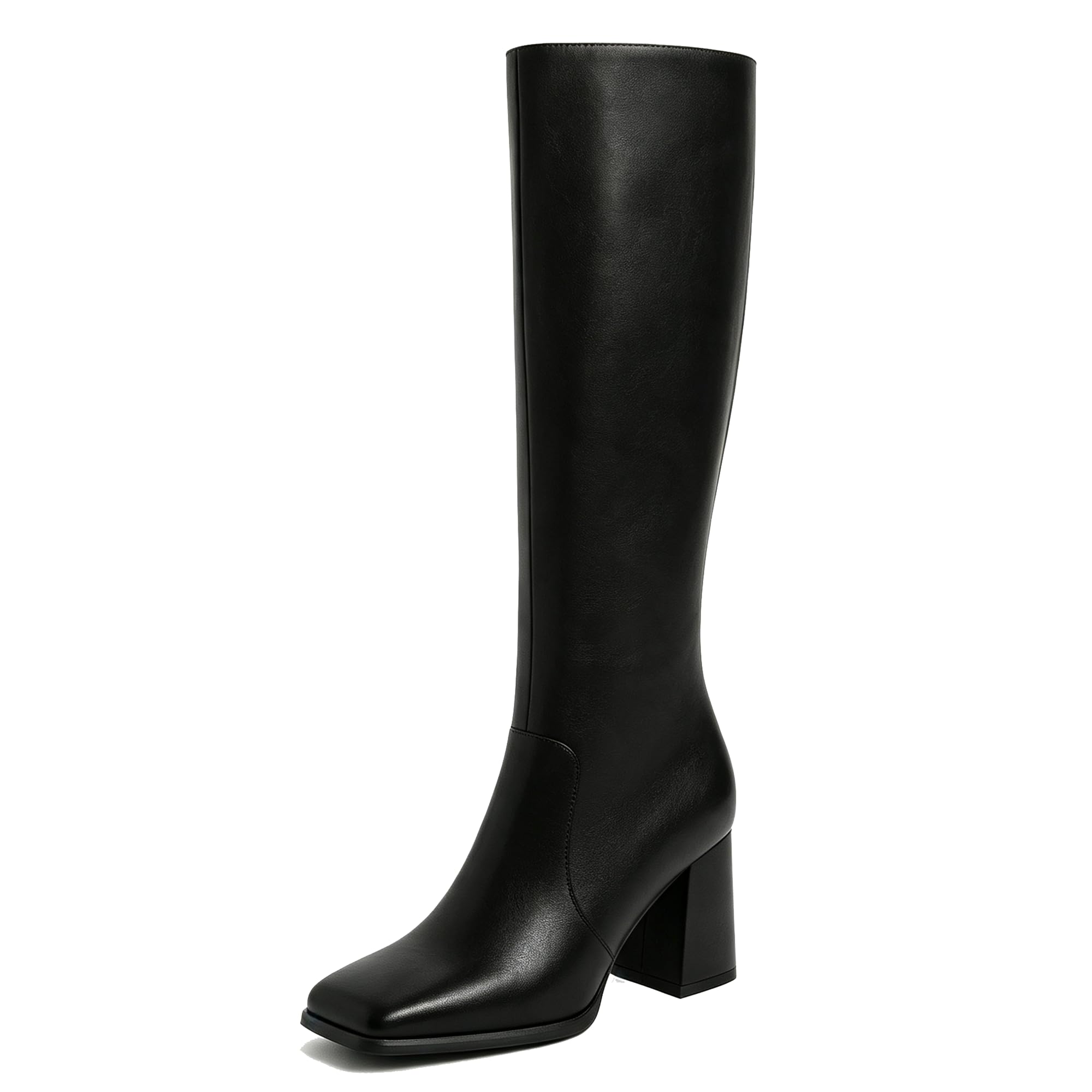


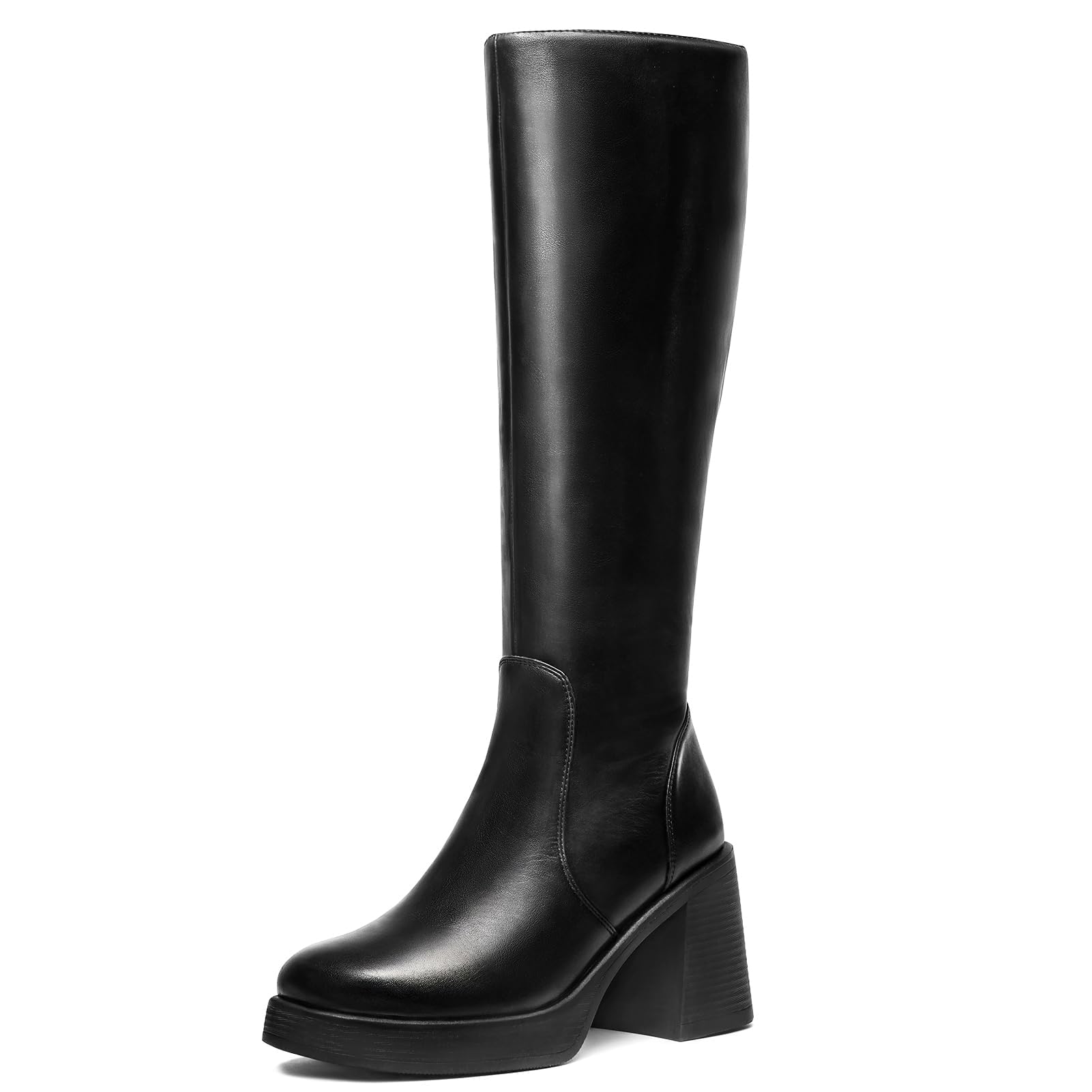

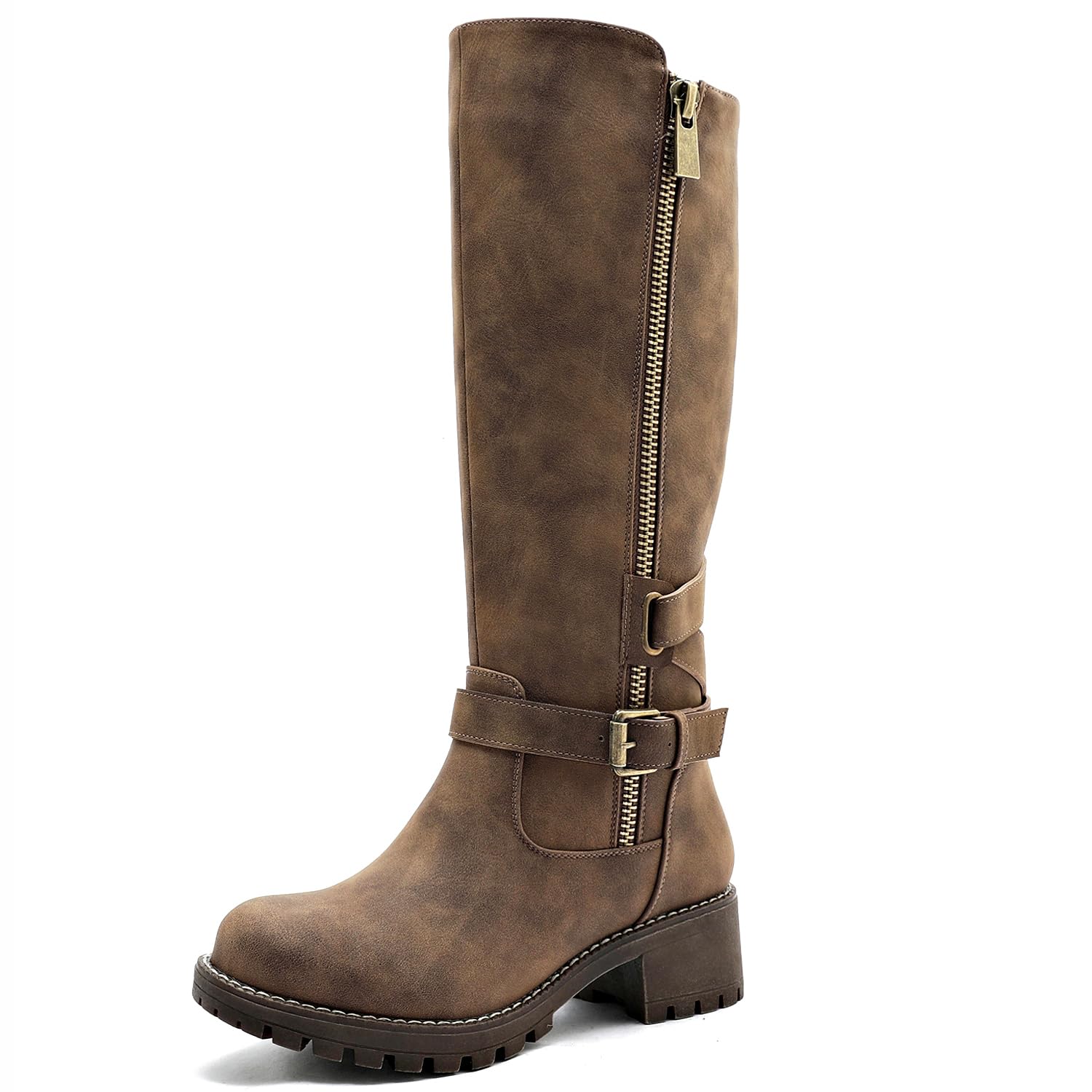
Boots and Leggings 101: The Basics
Leggings sit close to the leg, so the boot shaft becomes part of the outfit as well as part of the fit. A short ankle boot leaves most of the legging visible and works well for mild weather and everyday errands. A mid calf boot covers more of the leg and adds warmth, while a tall boot that reaches near the knee gives the most coverage and the most structured look.
The fabric under the shaft matters more than many first time buyers expect. Smooth leggings slide easily under a boot, while textured or fleece lined leggings add bulk and can change the calf fit. Try the boot with the exact leggings you plan to wear, not with jeans or thick socks alone, because the difference in thickness can change whether the zip closes comfortably.
Comfort also depends on how the boot flexes when you walk. A stiff shaft can press into the front of the ankle when you sit or climb stairs, while a very soft shaft may fold and crease at the ankle. Look for a shaft that holds its shape when you stand but bends enough at the ankle for a natural step, and check that the top edge does not dig into your calf.
Key Specs Explained in Plain English
Boot specs sound technical, but most of them describe simple ideas: how the boot fits, how long it lasts, what it is made from, and how it grips. Read each section below with your own routine in mind, and note the two or three factors that matter most for your weather, your walking distance, and your style.
Why Choose Boots for Legging Outfits
Boots pair well with leggings because they add structure, warmth, and grip that a thin shoe cannot offer on its own. They protect the ankle on uneven ground, keep the lower leg warmer in cold air, and give an outfit a finished shape from the knee down. The trade off is fit: a boot made for jeans or trousers may have a wider calf or a stiffer shaft than you need when the layer underneath is thin.
Not every boot style suits leggings equally well. Chunky soles can look heavy with slim leggings, while a very narrow shaft can squeeze the calf and make the legging bunch at the top edge. The best match usually balances proportion, comfort, and purpose, so think about where you will wear the pair most before you focus on looks alone.
Fit, Sizing, and Toe Box
Measure your feet in the afternoon, when feet tend to be slightly larger than in the morning, and wear the leggings you plan to pair with the boots. A roomy toe box lets your toes spread naturally instead of pressing together, which matters on longer walks and on days when your feet swell a little. If a boot pinches across the toes in the shop, it will rarely stretch enough to fix the problem.
Sizing can vary between makers, so use the size chart for the specific boot rather than assuming your usual size will always fit. If you are between sizes, consider the width as well as the length, since a wider fit can relieve pressure without adding extra length that makes you trip. Walk on a hard floor for several minutes before deciding, and check for heel slip as well as toe pressure.
Durability and Expected Lifespan
Durability depends on materials, construction, and how often you wear the pair. A well made boot worn a few times a week can last several seasons, while a pair worn daily on rough pavement will wear faster at the sole and the heel. Stitching, sole bonding, and the quality of the upper material all affect how the boot ages, so inspect the seams and the sole edge before you buy.
Replace boots when the tread is smooth, the cushioning feels flat, the shaft no longer holds its shape, or water starts to soak through seams that once stayed dry. Regular cleaning and drying will extend the life of most pairs.
Upper Materials and Breathability
Leather uppers tend to be durable and weather resistant, and they often mold gently to the foot over time. Knit and fabric uppers feel lighter and more flexible, which can suit mild weather and shorter walks, but they may absorb water faster in rain. Mesh panels improve airflow, yet they also let cold air and moisture in, so they suit dry conditions better than wet ones.
Breathability matters because feet sweat even in cool weather, and trapped moisture can make a boot feel cold and uncomfortable. A lined boot keeps warmth in but may feel hot indoors, while an unlined boot breathes better and suits warmer days. Match the upper and lining to your climate rather than choosing the warmest option by default.
Outsole Traction and Terrain
The outsole is the part that meets the ground, and its tread pattern decides how well the boot grips. Deep lugs bite into soft ground and snow, while a flatter tread feels smoother on pavement and indoor floors. A sole that is too aggressive can feel clumsy on smooth surfaces, and a sole that is too smooth can slip on wet leaves or icy patches.
Think about the surfaces you cross most often, from office floors to park paths to wet sidewalks. Rubber soles generally grip better than hard plastic soles, and a flexible sole helps the foot roll naturally with each step. Check the heel as well, since a worn heel edge can change your balance even when the rest of the tread still looks fine.
Boots for Specific Needs
Most buyers need one pair that handles everyday wear, but a specific need can change the priority list. Cold weather, long walks, and wet conditions each push a different feature to the front, so use this section to check whether your main need calls for a different type than the everyday pair you first imagined.
Best Winter Boots to Wear with Leggings
Winter boots for legging outfits need insulation, a sealed seam, and a shaft that keeps snow out without squeezing the calf. Look for a warm lining, a waterproof membrane, and a tread that grips on snow and slush, plus a top edge that sits high enough to stop snow from dropping inside. The shaft should still close easily over fleece lined leggings, so try the pair with your thickest winter leggings before you commit.
Rookie Mistakes to Avoid
- Buying without trying the boots with leggings: the calf fit and shaft height can look right with jeans but feel wrong over thin, stretchy fabric.
- Choosing a shaft that is too tight: a tight shaft bunches leggings, restricts circulation, and makes the boot hard to pull on and off.
- Ignoring the toe box: a narrow toe box causes pinching and blisters, even if the length and calf fit seem correct.
- Picking the warmest boot for every season: heavy insulation feels hot indoors and on mild days, and it adds weight you do not need.
- Skipping a walking test: a short stand in the shop will not reveal heel slip, ankle pressure, or sole stiffness that shows up after ten minutes of walking.
Getting Started: Setup and First Use
When the boots arrive, try them at home on a clean floor with your leggings, and walk around the house for at least ten minutes. Check the calf fit while sitting as well as standing, since the shaft can press differently when your knee bends. If the boots feel tight in one spot, note exactly where the pressure sits before you decide whether a different size or width would help.
Break the boots in gradually with short outings before a long day on your feet. Air dry wet boots away from direct heat, since radiators and hair dryers can stiffen leather and warp soles. Judge boots by tread wear, cushioning, and seam condition rather than by a single mileage number.
Keep the care simple: brush off dirt after muddy walks, wipe the upper with a damp cloth, and store the boots upright so the shaft keeps its shape. A pair kept clean and dry will look better, feel better, and last longer than a pair left damp in a hallway pile.
Frequently Asked Questions
Do Boots Worn with Leggings Need to Be Waterproof?
Boots worn with leggings need waterproofing only if you regularly walk in rain, snow, or standing water. A water resistant finish handles light drizzle and damp paths, while a sealed membrane suits wet commutes and winter slush. Waterproof boots can feel warmer and less breathable, so choose the level of protection that matches your climate and save full waterproofing for genuinely wet conditions.
Can I Wear Boots with Leggings All Day?
You can wear boots with leggings all day if the fit is right and the pair suits your activity level. A roomy toe box, a shaft that does not pinch the calf, and a cushioned sole all help over long hours. If your feet ache, swell, or feel numb by midday, the size, width, or shaft height is likely wrong, and a different fit will serve you better than simply enduring the discomfort.
How Should Boots for Legging Outfits Fit?
Boots for legging outfits should fit snugly at the heel, leave a little room for the toes to move, and close around the calf without squeezing. The shaft should sit smoothly over the legging without bunching the fabric or leaving a large gap at the top. Check the fit while walking and sitting, and remember that leggings add almost no bulk, so the boot itself must supply the structure and support.
How Long Is the Break In Period for New Boots?
The break in period for new boots usually lasts a few short outings spread over one to two weeks. Leather boots tend to soften gradually, while fabric and knit boots often feel comfortable from the first wear. Wear the new pair for an hour or two at a time at first, and watch for pressure at the ankle, the toes, and the top of the shaft, since those spots reveal fit problems early.
Are Expensive Boots for Legging Outfits Worth It?
Expensive boots for legging outfits are worth it when the extra cost buys better materials, stronger construction, or a fit that cheaper pairs cannot match. A higher price does not guarantee comfort, so compare sole quality, stitching, lining, and calf fit rather than price alone. For daily wear in tough weather, spending more often pays off, while for occasional mild weather wear, a mid priced pair around about $60 to $120 can serve well.
Our Verdict
Start with fit, then shaft height, then weather protection, and let style follow those three decisions. A boot that fits the foot, sits smoothly over leggings, and grips your usual surfaces will feel good all day and look good with it. Use the product table above to compare types, try your shortlist with your own leggings, and choose the pair that passes the walking test, not just the mirror test. The right pair is the one you reach for without thinking, and best boots to wear with leggings should feel that easy from the first week onward.
For more ideas on matching footwear to legging outfits, see our guide to best boots to wear with leather leggings, which covers shinier, less stretchy fabrics.


