
Best Boots to Shovel Snow in 2026: Every Type Explained Side by Side
Disclosure: We may earn a commission when you buy through links on this page, at no extra cost to you. As an Amazon Associate I earn from qualifying purchases. Learn more

Best boots to shovel snow keep out slush, hold heat while you stand and grip ice. Compare insulated types by warmth, traction, fit and typical price.
Shoveling looks simple until your feet get cold, snow spills over the top of your boots, and the driveway turns slick under each push. The best boots to shovel snow keep water out, hold heat while you stand in deep snow, and grip ice and packed snow. Use the comparison table below to match each boot type to the work you actually do.
Start with your usual session. A short sidewalk clearing needs quick entry and light weight, while a long driveway needs taller shafts, stronger insulation, and support for repeated pushing. The sections below compare types first, then cover the features that decide warmth, traction, and fit.

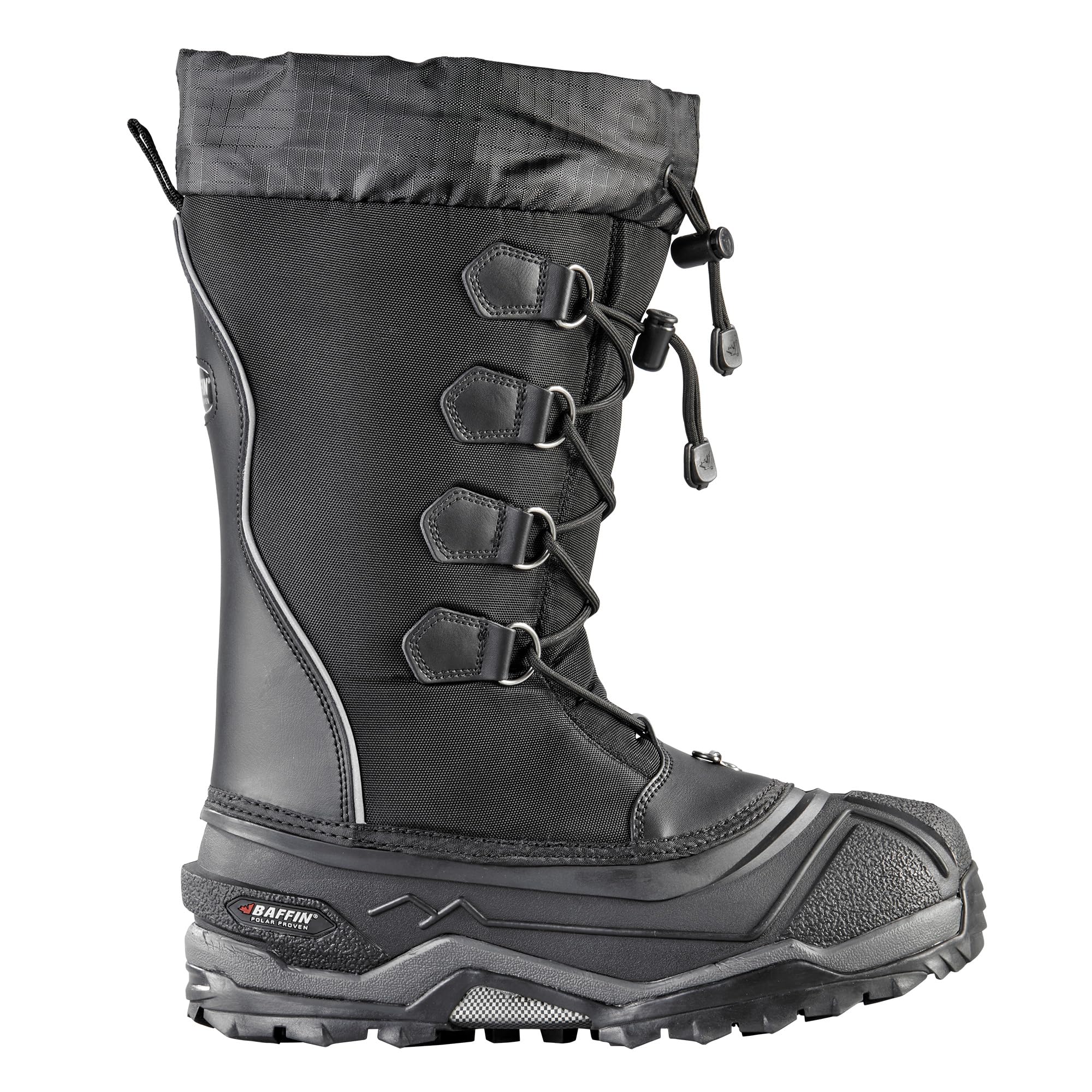

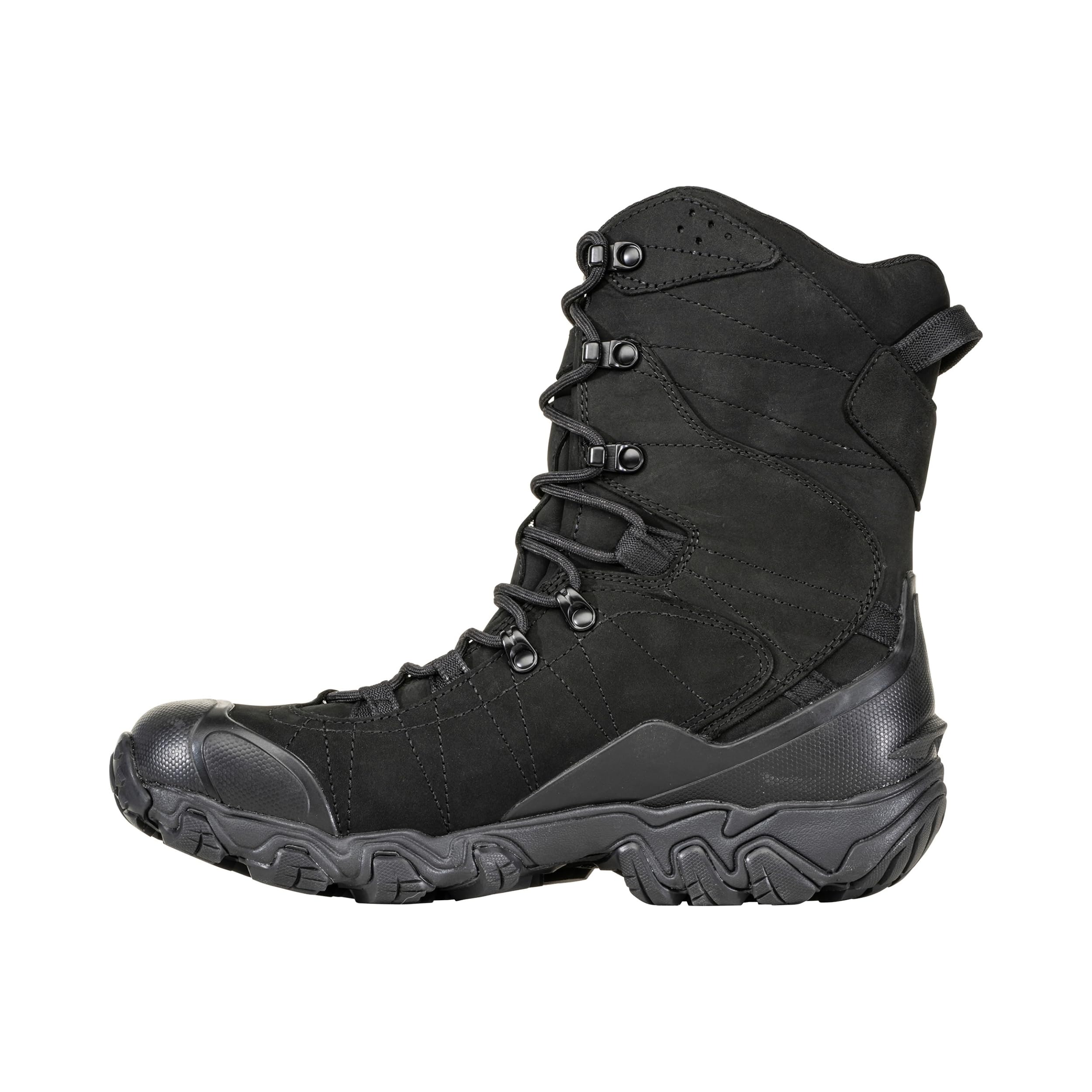
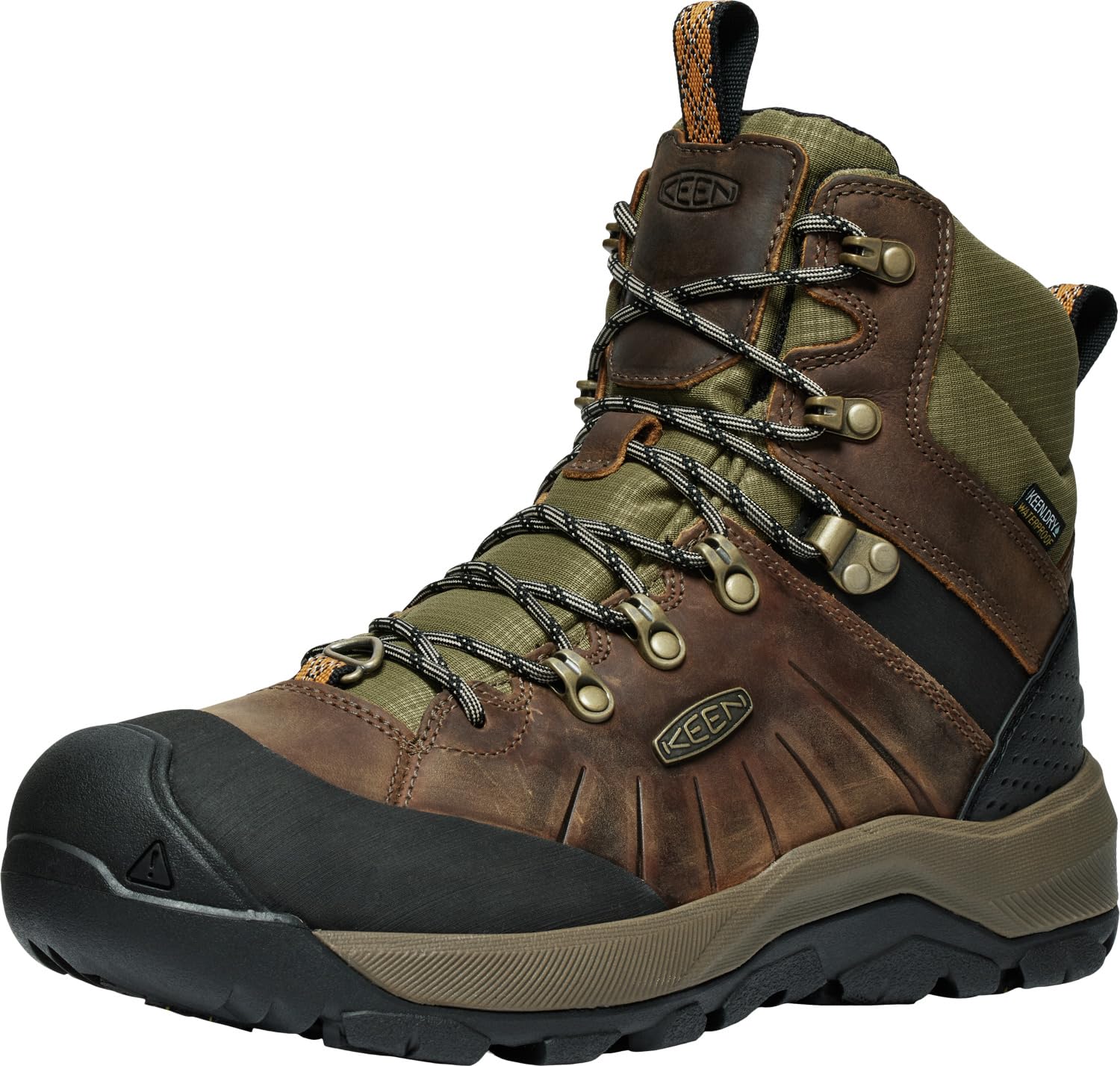
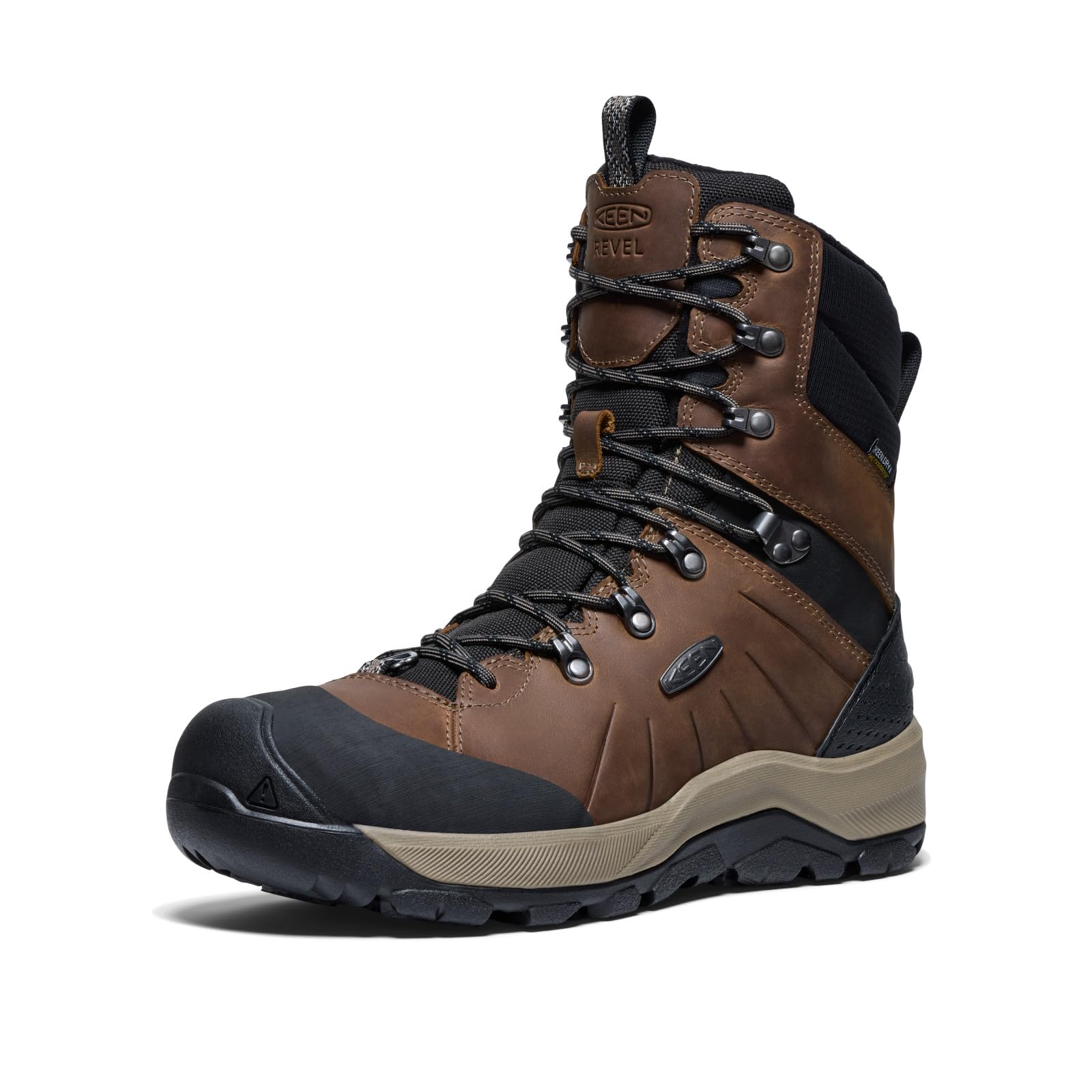


Who Should Buy Boots for Shoveling Snow?
Choose by how long you stay outside, how deep the snow gets, and how much pushing you do on hard pavement.
Homeowners Clearing Long Driveways
You may spend 30 to 60 minutes outside, stepping through unshoveled snow and then pushing loaded shovelfuls across bare concrete. Choose a tall insulated boot with deep lugs and a firm sole that does not fold under a loaded shovel. A secure lace up closure keeps your heel from lifting with each push.
Apartment and Townhome Residents with Short Sessions
Your job is often a stoop, a short walk, and the snow around your car, usually done in 10 to 20 minutes. A mid height boot that pulls on fast and grips well will serve you better than the tallest option. Keep a compact shovel in the trunk, and see our guide to the best snow shovel for car for that separate choice.
Older Adults and Anyone Who Slips Easily
Balance and warmth come first for you, because cold feet and a slick patch can end a session badly. Choose stable boots with a wide sole, strong ankle support, and tread that stays flexible in cold air. Shoveling is hard exercise, so stop at once and seek medical help if you feel chest pain, unusual shortness of breath, or dizziness, and talk with your clinician about whether shoveling is safe for your personal health.
Types of Boots for Shoveling Snow Compared
Three boot families cover nearly every driveway. They differ in shaft height, warmth, weight, and how fast you can get them on.
Tall Insulated Pac Style Boots
Pac style boots pair a rubber lower section with a leather or nylon upper and a thick removable liner. They are the warmest choice here and the best at keeping deep snow out, because shafts often reach 10 to 14 inches high. That makes them ideal for rural driveways and drifts. The trade off is weight and bulk, since a heavy pair can tire your legs during a long session. Prices often run about $120 to $200.
Mid Height Waterproof Winter Work Boots
These boots look like sturdy work boots, with waterproof leather uppers, moderate insulation, and laces that lock your foot in place for pushing. Shafts of about 7 to 9 inches suit most suburban driveways where you clear snow before it gets very deep. They offer the best support of the three types, but they let snow in sooner than taller boots in drifts. Prices often run about $90 to $170.
Slip On Snow Boots with Low Shafts
Slip on styles use a wide opening, pull loops, and no laces, so you can step in and go within seconds. They suit quick trips to clear a stoop or free a car after light snow. Warmth varies widely, so check the insulation level rather than trusting the winter look alone. Their loose fit gives less ankle support and lets deep snow spill in. Prices often run about $60 to $120. For a broader look at winter footwear beyond shoveling, see our guide to the best snow boots.
Key Features to Compare Before You Buy
The best boots to shovel snow share five traits, and each trait below explains what to check before price enters the decision.
Waterproofing and Sealed Construction
Waterproofing decides whether your socks stay dry during the last pass, not just the first one. Look for a waterproof membrane inside the boot, sealed seams, and a rubber or treated lower section where slush splashes most. A gusseted tongue matters more than many buyers expect, because loose snow and melt water enter through open tongue gaps. Breathable linings help sweat escape on longer sessions, but full waterproofing always matters more than airflow for this job.
Insulation and Warmth While Standing Still
Insulation is often listed by weight, with about 200 grams suiting mild cold and short sessions and about 400 grams or more suiting deep cold and long driveways. Shoveling mixes hard work with standing still while you rest, and your feet cool fast during those pauses. A removable liner adds warmth and gives you a part you can take out to dry. Choose more insulation if your toes go numb in ordinary winter shoes, since numb feet also make you less steady on ice.
Traction on Ice and Packed Snow
Traction comes from deep, widely spaced lugs and a rubber compound that stays soft in cold air instead of turning hard and smooth. Lugs about 4 to 6 mm deep shed packed snow as you walk, which keeps the sole biting rather than skating. A defined heel edge helps when you brace to lift a loaded shovel or step down off a curb.
Trying On Shoveling Boots With Your Thickest Socks
Try boots on in the afternoon with the thick socks you will wear outside, because feet swell slightly during the day and socks add real volume. Your toes should wiggle freely and never press the front when you push forward as if driving a shovel into snow. A roomy toe box traps warm air around your toes, while a tight toe box cuts circulation and makes feet feel colder. Women comparing calf fit should also see our guide to the best ladies snow boots.
Cushioning, Arch Support, and Stability While Pushing
Shoveling means standing and pushing on hard, frozen ground, so thin soles soon leave your arches and heels aching. Look for a cushioned midsole, honest arch support, and a firm heel counter that stops your foot rolling inward on uneven ice. A stiffer shank helps when your boot presses on the shovel step to cut through crusted snow.
Common Mistakes to Avoid
- Buying fashion snow boots with smooth soles leaves you sliding on packed snow with a loaded shovel in your hands.
- Sizing boots with thin socks makes the fit painfully tight once thick winter socks go on.
- Choosing a low shaft for deep snow lets snow spill in at the top and soak your socks within minutes.
- Wearing cotton socks under good boots holds sweat against your skin and makes your feet feel cold fast.
- Leaving wet boots by a hot vent overnight cracks leather and warps liners.
- Ignoring worn lugs at the start of the season leaves you with the least grip on the iciest mornings.
Care and Maintenance for Snow Shoveling Boots
After each storm, knock snow off the soles, pull the liners and insoles out, and let everything air dry at room temperature away from direct heat. Drying the liner separately matters, because a damp liner left inside a waterproof shell can still feel wet the next morning.
Brush dried salt off leather uppers, wipe rubber lowers with plain water, and renew leather treatment when water stops beading on the surface. Check lugs and seams before the first storm each year, and store the boots upright in a cool, dry place through summer.
Frequently Asked Questions
Do boots for shoveling snow need to be fully waterproof?
Yes, boots for shoveling snow should be fully waterproof rather than only water resistant. You stand in melting snow and step through slush at the street edge, where water pools against the boot for minutes. A spray finish can shed light flakes, but it gives up once snow packs around the seams and tongue.
How should boots for shoveling snow fit with winter socks?
Boots for shoveling snow should feel snug at the heel and midfoot, with clear space in front of your toes. A useful check is to stand, shift your weight forward, and confirm your toes do not jam the front wall. If your heel lifts with each step, try a thicker insole or a half size down.
Can I wear snow shoveling boots for other winter work?
Yes, you can wear snow shoveling boots for most cold weather chores, such as salting steps or walking a dog on icy roads. The same grip and insulation serve all of those tasks well. Avoid them for long winter hikes, though, because tall insulated shafts can overheat your calves and their loose fit can rub.
How long does it take to break in boots for shoveling snow?
Most boots for shoveling snow feel workable within two or three short sessions. Leather work styles soften slowest at the ankle crease, while pac style boots feel comfortable almost at once. Wear new boots to clear one light snowfall before a major storm arrives, so any rubbing shows up when the job is short.
Are higher priced boots for shoveling snow worth the cost?
Higher priced boots for shoveling snow are worth the cost when you clear snow often and stay out for long sessions. Extra money usually buys thicker insulation, better sealed construction, and soles that keep their grip in deep cold. If you clear a small stoop a few times each winter, a simpler pair covers the job.
How often should I replace boots used for shoveling snow?
Replace boots used for shoveling snow when the lugs wear smooth, the liner packs flat, or water starts entering at the seams. For most homeowners that point arrives after about four to six winters. A quick test is to stand in a tray of shallow water for a minute indoors and check whether your socks feel damp.
Wrapping Up
Match the boot type to your longest session, then check waterproofing, insulation, and traction before you compare prices. Fit the pair with thick socks, and keep the product table above open while you compare shaft heights and insulation levels.
Chosen that way, the best boots to shovel snow turn a cold chore into steady work, with dry socks, warm toes, and firm footing throughout.


