
Best Boots to Keep Your Feet Warm and Dry in 2026: A Budget Guide
Disclosure: We may earn a commission when you buy through links on this page, at no extra cost to you. As an Amazon Associate I earn from qualifying purchases. Learn more

Compare the best boots to keep your feet warm and dry by budget, insulation, waterproofing, fit and traction, with a clear checklist for cold wet days.
Cold feet usually come from two failures at once. Water slips in through seams or over the cuff, and thin insulation lets heat escape while you stand still. The best boots to keep your feet warm and dry solve both problems together, and the comparison table below shows how options differ in price and warmth.
Start with your coldest regular day, not your coldest imagined day. A short walk through slush needs different boots than a full shift on wet concrete. The sections below sort buyers by routine first, then by budget.

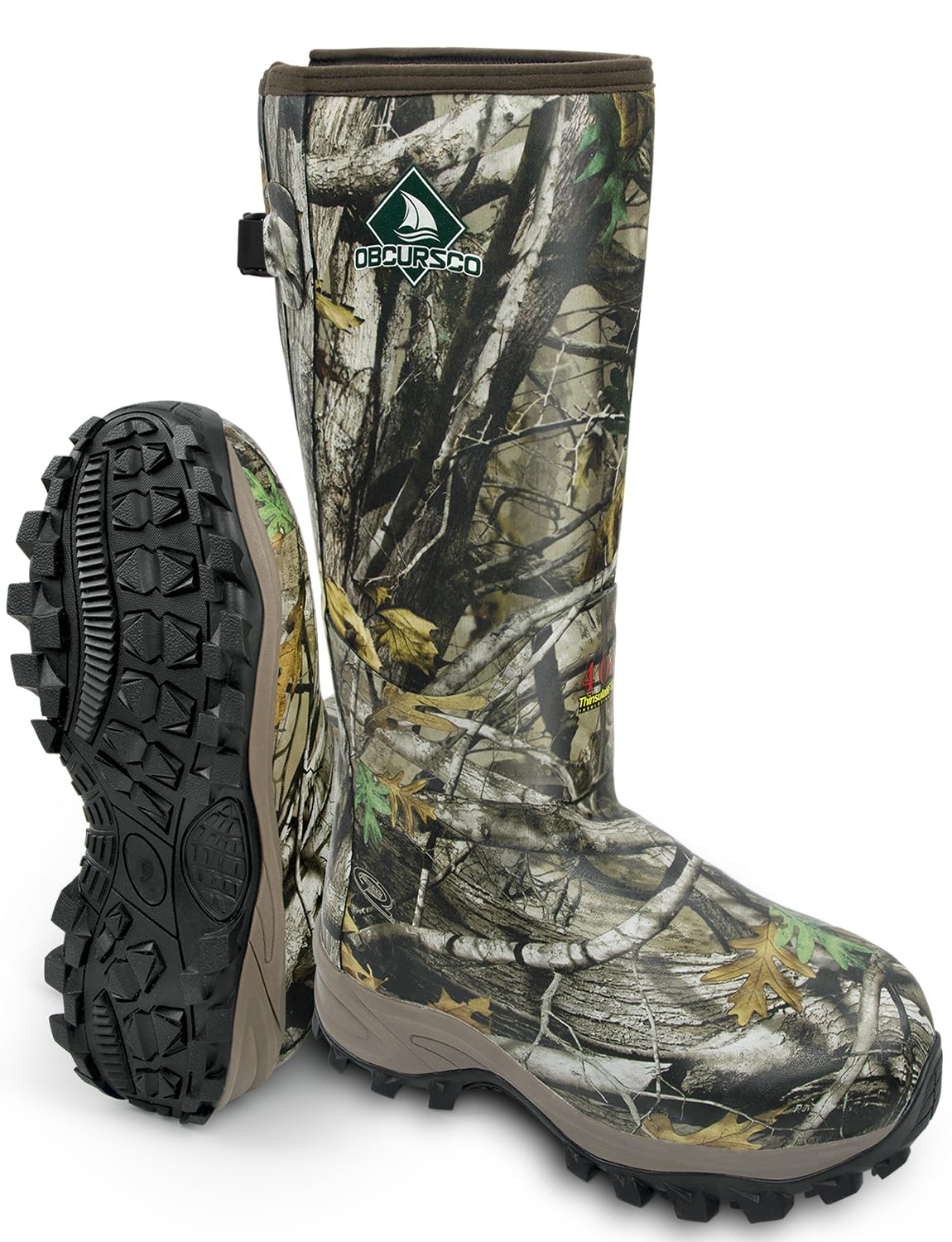



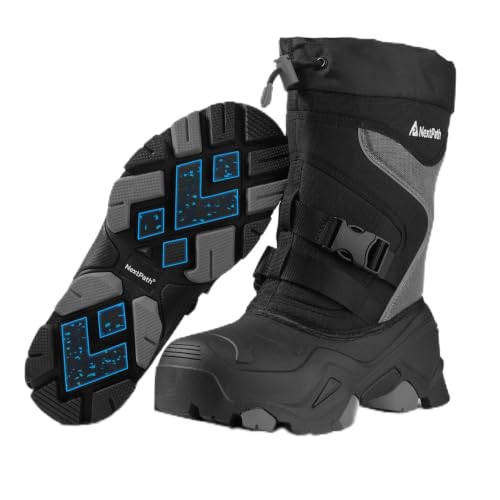

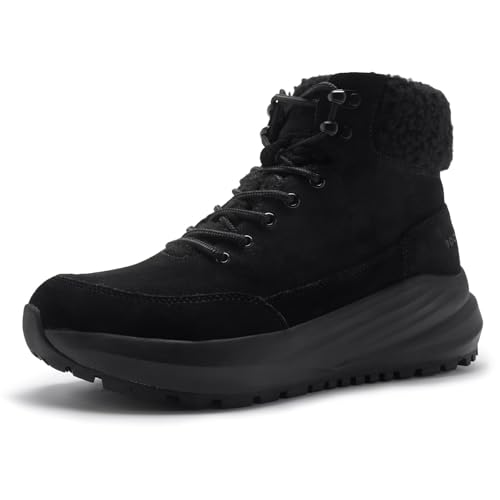
Who Should Buy Warm and Dry Boots?
Choose by exposure time and ground, because those facts decide how much insulation and shaft height you need. Short trips forgive lighter boots, while long still periods demand more.
Commuters Who Cross Slush Daily
You walk on cleared paths but step through melt water at curbs and wait on cold platforms. Look for a mid height shaft, sealed seams and insulation around 200 grams, plus a sole that grips wet pavement. If cold matters more than puddles, see our guide to the best boots to keep your feet warm.
Outdoor Workers on Cold Wet Ground
You stay out for hours and move slowly, so your feet cool faster than on a brisk walk. Choose insulation around 400 grams, a taller shaft and a thick cushioned insole that lifts your foot off frozen ground. Arch support matters during long standing, and a roomy fit lets blood flow freely.
Winter Walkers in Deep Snow
You push through unplowed snow, pull sleds or walk a dog before paths are cleared. Choose the tallest shaft you will actually wear, deep lugs and insulation that works after an hour outside. A snug heel stops rubbing, while a wide toe box leaves room for thick socks. For snow first routes, see our guide to the best winter boots to keep your feet warm.
What Your Money Gets You by Tier
Price alone tells you little, because brands spend your money on different things. The best boots to keep your feet warm and dry at any price share one trait, balance, with no weak point where water or cold can enter.
Budget Tier: Light Insulation for Short Trips
Boots at about $60 to $110 pair a waterproof membrane with light insulation and a simpler sole. They suit school runs, short commutes and errands in rain or light snow, where you return indoors within an hour. Expect more weight and rubber that feels less sure on ice. Inspect seams often and dry these boots.
Midrange Tier: Fuller Insulation for Daily Winter
Boots at about $110 to $200 add fuller insulation, better seam sealing and deeper, better shaped lugs. This tier suits most daily winter use, from commuting in storms to weekend walks in snow. Fit choices widen here, with more toe box room and less stiffness than budget pairs. For deep winter only, see our guide to the best winter boots to keep feet warm and dry.
Premium Tier: Lighter Warmth for Long Exposure
Boots at about $200 to $320 use lighter insulation, stronger membranes such as Gore Tex and rubber that stays flexible in deep cold. They suit long shifts and buyers who keep one pair for many seasons. Better cushioning and a precise fit reduce rubbing on long walks. The higher price buys ease and durability more than raw warmth.
Key Features to Compare
Compare these six factors in order, because one weak factor can undo the rest. A warm boot that leaks, or a dry boot with a slick sole, still leaves you cold.
Insulation Type and Amount
Insulation traps warm air around your foot, and makers rate it in grams, with about 200 grams for active use in mild cold and about 400 to 600 grams for slow days in deep cold. Synthetic insulation keeps some warmth when damp, while wool blend linings dry slowly. More grams help when you stand still, yet they can overheat active walkers. Choose the lowest amount that suits your routine.
Waterproof Membranes and Sealed Seams
A waterproof membrane such as Gore Tex blocks outside water while letting some vapor escape, but seams and the tongue decide real protection. Look for sealed seams and a gusseted tongue joined to the upper on both sides, so puddle water cannot slip in beside the laces. Shaft height sets your safe puddle depth, since water over the cuff enters any boot. If dryness is your top concern, see our guide to the best boots to keep feet warm and dry.
Leather Versus Synthetic Uppers and How Linings Breathe
Leather uppers resist scrapes and shed snow well, but they need care and feel stiff at first. Synthetic uppers cost less, dry faster and feel soft on day one, though thin panels can wear sooner. Breathable linings matter once you step indoors, because trapped sweat cools your feet when you go back out. For mixed indoor and outdoor days, choose moderate insulation.
Fit, Sizing and Toe Box
Measure both feet late in the day while wearing your thickest winter socks, because feet swell slightly and socks add real volume. Your toes should wiggle and never press the front when you stand on a slope. A toe box with height as well as width stops pressure on top of the toes. If you usually wear neutral shoes, keep that neutral feel and add arch support only if long days tire your arches.
Outsole Traction and Lug Depth
The outsole is your only contact with ice, slush and wet stone, so lug shape matters as much as lug depth. Lugs of about 4 to 6 mm clear slush and bite packed snow, while wider spaced lugs shed mud better. Soft rubber stays grippy in deep cold, where hard rubber turns slick. No sole grips black ice safely, so shorten your stride there.
Cushioning, Arch Support and Drop
Cushioning under the heel and forefoot softens frozen ground and adds a layer between your foot and the cold below. A heel to toe drop of about 8 to 12 mm suits most walkers, while a lower drop feels more stable on uneven snow. Removable insulated insoles let you adjust warmth and replace worn padding. Firm arch support helps on concrete, while softer padding suits short walks.
Replacement Socks, Insoles and Annual Care Costs
The boot price is only part of what you will spend. Thick wool blend socks cost more than thin cotton socks but protect warmth, and most wearers need two or three pairs in rotation. Replacement insoles, spare laces and care products add a modest yearly cost. A midrange boot with good socks often beats a premium boot worn with thin socks.
Common Mistakes to Avoid
Each mistake below looks small at the store and grows in the cold.
- Buying boots sized for thin socks leaves toes pressed and cold with thick winter socks.
- Choosing the highest insulation for active walks makes feet sweat, and damp socks chill feet at rest.
- Trusting a waterproof label without sealed seams lets puddle water enter at the stitch lines.
- Wearing cotton socks traps sweat against the skin, so feet feel cold inside warm boots.
- Testing traction on dry store floors hides how a hard sole slides on wet stone.
- Drying boots on a hot radiator cracks leather and weakens sole glue.
Care and Maintenance for Winter Boots
Pull the insoles out after wet use and let the boots air dry at room temperature, away from direct heat. Loosen the laces and open the shaft fully so damp air can leave the lining. Plain paper in the toe for one hour draws moisture out, then remove it.
Brush dried mud from the outsole and upper, rinse salt marks with plain water and wipe leather dry before a care product. Check seams and sole edges each month, and repair small seam gaps early. Store boots upright in a cool dry place, never sealed in a bag while damp.
FAQ
Are expensive warm boots worth paying more for?
Yes, for long exposure they often are, but the gain is comfort and durability more than raw warmth. Premium pairs tend to weigh less for the same insulation and stay flexible in deeper cold. Judge cost per season, since a pair kept for five winters can cost less per year than a budget pair replaced twice.
How often should you replace insulated waterproof boots?
Replace insulated waterproof boots when sole lugs wear smooth, the lining packs flat or water enters despite clean and intact seams. For daily winter use that point often arrives after about three to five seasons. Check each fall by walking through shallow water for one minute. Leaks across many seams signal the end.
Do you need waterproof boots with warm socks?
Yes, if your route includes puddles, slush or wet snow, because socks cannot stop water that enters through seams or over the cuff. Warm socks manage sweat and add insulation inside a dry boot, which is a different job. Waterproofing matters less in dry powder snow, but a treated upper still helps indoors.
How should insulated waterproof boots fit?
Insulated waterproof boots should feel snug at the heel and midfoot, with clear space ahead of and above your toes. Wear winter socks for the fit check and walk down a slope, since forward slide shows itself there. Your heel should lift only slightly, about 5 mm or less. If two sizes feel close, take the larger one.
Can you wear insulated boots all day?
You can, but many wearers find warm boots too hot for a full day inside heated rooms. Heat builds indoors and sweat collects in the lining, which then feels clammy outdoors. If your job mixes both settings, carry light indoor shoes and save the boots for outdoor work. Lower insulation also helps frequent indoor trips.
The Bottom Line
Choose by routine first, budget second and warmth rating third. Match insulation to how long you stay out, demand sealed seams and a tall enough shaft, and insist on room for thick socks. Then use the product table above to compare pairs that pass those tests.
When those basics line up, the best boots to keep your feet warm and dry feel almost boring in the best way, since your feet stay warm, dry and sure all outing. Spend where your routine proves the need.


