
Best Boots to Keep Your Feet Warm in 2026: Types Compared and How to Choose
Disclosure: We may earn a commission when you buy through links on this page, at no extra cost to you. As an Amazon Associate I earn from qualifying purchases. Learn more

Compare warm boot types by insulation, waterproofing, fit and traction, with clear price guidance to help you choose boots that keep feet warm all winter.
Choosing warm boots sounds simple until you compare insulation weights, temperature ratings and waterproof claims that all promise the same result. The best boots to keep your feet warm for a shift on frozen ground are rarely the right pair for a winter hike. This guide explains the trade offs behind each rating, so you can use the comparison table below with confidence.
Start with how you spend cold days. Note your temperature range, how long you stand still, and whether snow, slush or dry cold is your main problem. Those answers point to an insulation level and a boot type.
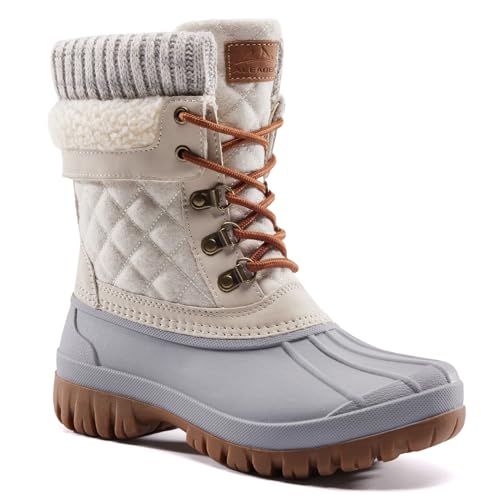


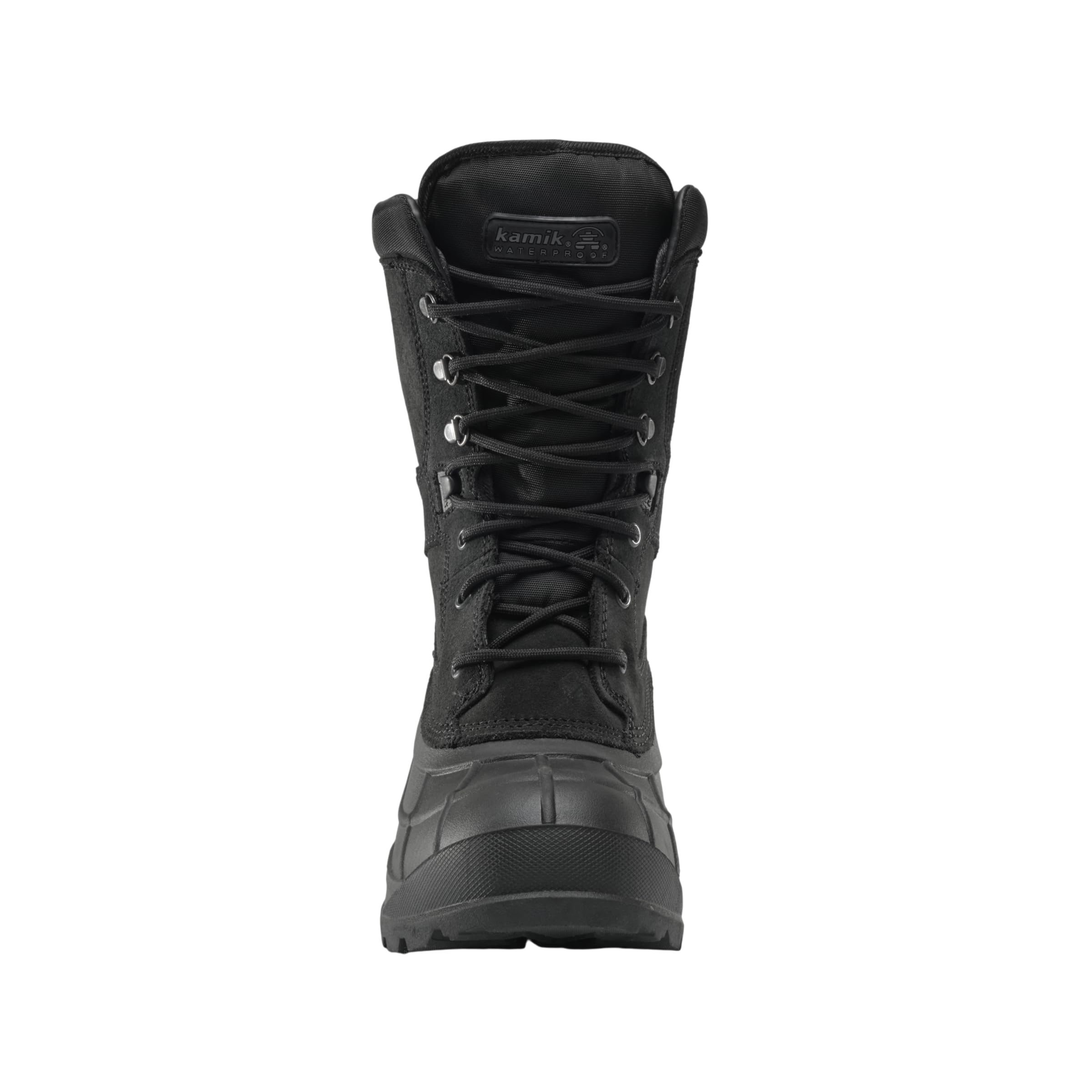

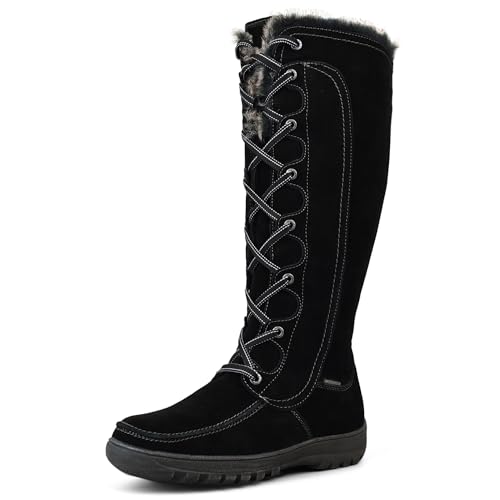
Who Should Buy Which Warm Boots?
Warmth is personal, because activity, exposure time and ground conditions change how fast feet lose heat. For the broad picture, see our guide to the best boots to keep feet warm before you narrow by user type.
Outdoor Workers on Cold Ground
If you work outside and stand in one place, your feet cool fast because you generate little body heat while you stand. Choose high insulation, a tall shaft and a thick midsole that lifts your foot away from frozen pavement. A roomy fit matters, since tight boots slow blood flow in your toes.
Daily Winter Walkers and Snow Clearers
You walk the dog, clear the driveway and run errands in snow that shifts from powder to slush. You need balanced insulation that stays warm at a bus stop but does not cook your feet while you shovel. A waterproof upper and a grippy outsole matter too, because wet socks and one slide on ice end a walk early.
Winter Hikers and Campers
You cover miles on trails or move around a campsite, so your feet produce heat as you go and sweat becomes your main risk. Choose moderate insulation in a lighter boot with a breathable lining, because damp feet chill quickly once you stop. A stable outsole helps you carry a pack across snow covered ground.
Key Features to Compare
The best boots to keep your feet warm share a few traits, but the right balance shifts with your use. Compare these factors in order.
Insulation Weight and Temperature Ratings
Insulation traps your body heat, and makers rate it in grams, most often about 200 to 1000 grams. Around 200 grams suits active use in mild cold, about 400 grams covers most daily winter wear, and 600 grams or more suits still, bitter cold. Brands test temperature ratings differently, so treat a rating as a guide rather than a promise.
Waterproofing and Upper Materials
Snow and slush soak an unprotected upper, and wet insulation loses warmth fast. A waterproof membrane such as Gore Tex blocks outside water while letting some vapor escape, and sealed seams close the gaps stitching leaves behind. Full grain leather sheds snow well and lasts for years, while nylon panels cut weight but need intact coatings to stay dry.
Lining, Breathability and Sweat Control
Linings touch your socks all day, so their job is to move sweat away from your skin while holding warmth close. Fleece and synthetic linings dry fast and stay warm, while wool linings feel soft and resist odor. A breathable lining matters, because sweat left in your sock cools your foot each time you slow down.
Fit, Toe Box and Sock Room
Warm boots need extra room, because toes that can move hold warmth better than toes pressed tight together. Look for a toe box that lets you spread your toes in thick winter socks, with about a thumb width beyond your longest toe. Your heel should stay seated, since a lifting heel invites blisters. Try boots late in the day, because feet swell slightly.
Outsole Traction, Stability and Arch Support
Cold rubber turns stiff, so a warm boot still fails you if its outsole skates across ice. Look for deep lugs, widely spaced so snow clears out, and rubber that stays flexible in low temperatures. A wide, stable base helps on rutted ice, and firm arch support matters during long hours of standing. Worn, soft lugs warn that grip is fading.
Types of Warm Boots Compared
The main types divide by how they build warmth, and prices below are typical ranges for adult styles. If deep cold dominates your winter, see our guide to the best winter boots to keep your feet warm for the coldest end of this range.
Insulated Winter Boots
These pair a padded insulated upper with a fleece or synthetic lining and a lugged rubber sole. They feel warm straight away and cost about $80 to $160. They suit most daily winter use, but the warmest versions feel bulky on long walks.
Waterproof Insulated Boots
These add a waterproof membrane and sealed seams to the insulated design, so melting snow stays outside all day. They are the safest pick for wet winters, deep snow and slushy streets, at about $100 to $200. The trade off is slower drying once the inside gets wet.
Pac Boots With Removable Liners
Pac boots combine a rubber lower section with a leather or nylon upper and a removable felt liner. That liner delivers serious warmth for ice fishing and long still periods, and you can pull it out to dry overnight. Most cost about $90 to $180, but they feel heavy for long walks.
Lightweight Insulated Boots
These use thinner insulation and lighter materials, so they walk more like a hiking boot and suit trails, travel and active jobs. Warmth is moderate, fine for moving in cold weather but limited for standing still, at about $90 to $170. If you run cold while moving, step up to a warmer type.
Maximum Warmth Boots vs Lightweight Insulated Boots
Choose maximum warmth styles, such as pac boots and heavily insulated winter boots, when you stand still for long periods, because your body makes little extra heat to replace what the cold pulls away. Their bulk is a real cost, but warmth is the whole job then.
Choose lightweight insulated boots when you walk most of the day. You trade some still air warmth for comfort, pace and cooler indoor breaks. If your days mix both patterns, pick the warmer type and loosen the laces indoors.
Common Mistakes to Avoid
Most cold feet trace back to one of these choices, not to a bad boot.
- Buying boots that fit snugly with thin socks leaves no room for winter socks, so your toes end up pressed and cold.
- Choosing warmth by temperature rating alone ignores activity level, so a highly rated boot can still leave a still wearer freezing.
- Wearing cotton socks traps sweat against your skin, so your feet chill as soon as your pace slows.
- Picking a smooth fashion sole for icy streets trades away grip, so one hidden patch of ice can end in a fall.
- Storing boots wet after a slushy day lets liners stay damp, so the next outing starts with cold, clammy feet.
How to Make Your Warm Boots Last Longer
Dry your boots after every wet outing by pulling out the insoles, loosening the laces and standing them in moving air. Keep them away from radiators and direct heat, because high heat can crack leather and warp sole adhesives. Removable liners dry fastest when taken out and stood upright overnight.
Brush off road salt once it dries, since salt pulls moisture from leather and leaves it stiff over a season. Condition leather uppers, check lugs and seams, and store boots upright in a cool, dry place. Rotate two pairs if you wear boots daily, because a rest day lets insulation loft recover.
Frequently Asked Questions
How much insulation do warm boots need for standing still?
Standing still usually calls for the warm end of the range, about 600 grams or more when temperatures sit well below freezing. You make little heat while you wait, so the boot must do almost all the work. Ground contact is the factor many buyers miss, since a thin insole over ice pulls heat out from below. A felt insole adds a cheap layer of defense.
Can warm boots be worn indoors all day without overheating feet?
Yes, warm boots can be worn indoors for short stretches, but all day wear indoors usually leaves feet hot and damp. Heated rooms push sweat into the lining, and that moisture greets you as cold air when you step back outside. For long indoor hours, change into lighter footwear. See our guide to the best slippers to keep your feet warm for indoor options.
Do warm boots need to be waterproof for dry, powdery snow?
No, warm boots do not need a full waterproof membrane for dry, powdery snow. Powder rarely melts into the upper, so water resistant leather or nylon can stay dry for hours. The risk changes on a warm afternoon, when that snow melts on contact. Knock snow off before you step inside.
How should warm boots fit when you lace them for a long walk?
Warm boots should feel snug at the midfoot and heel, with free space left at the toes. Lacing is the variable many walkers overlook: lace the lower section firmly to lock your heel back, then leave the top hooks slightly looser so your ankle can flex. Stop and retie after ten minutes, because laces settle and loosen.
How long do insulated boots stay warm before insulation wears out?
Insulated boots often stay warm for about three to five winter seasons of regular use. The insulation slowly packs down under your weight, so an old boot can look sound yet feel colder each year in the same weather. Test yours on the first cold day of the season rather than before a big trip.
The Bottom Line
Match insulation to your activity first, then demand dry feet and a fit that leaves your toes room to move. Those three choices decide warmth more than any label does. If your winters are severe, see our guide to the best winter boots to keep feet warm and use the product table above to compare types.
When you judge the best boots to keep your feet warm by still air warmth, dryness and fit, the right type usually stands out fast. Buy for your coldest common day, not your mildest one.


