
Best Boots Online of 2026: Complete Buying Guide
Disclosure: We may earn a commission when you buy through links on this page, at no extra cost to you. As an Amazon Associate I earn from qualifying purchases. Learn more

Use this guide to find the best boots online by checking fit, sizing, materials, traction, returns, and price before you order a pair for work or travel.
Buying boots without trying them on feels risky, and it is the reason many good pairs end up returned. The fix is not luck; it is measuring your feet, reading size charts properly, and knowing which construction details matter for your use. That is how you find the best boots online for your feet the first time.
This guide covers price tiers, the full set of fit and build checks, the main boot types, and the return habits that protect you if a size is off. Start with the comparison table below, then work through the checks before you order.
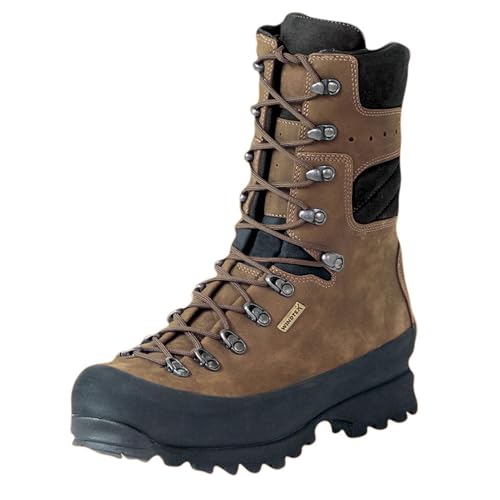
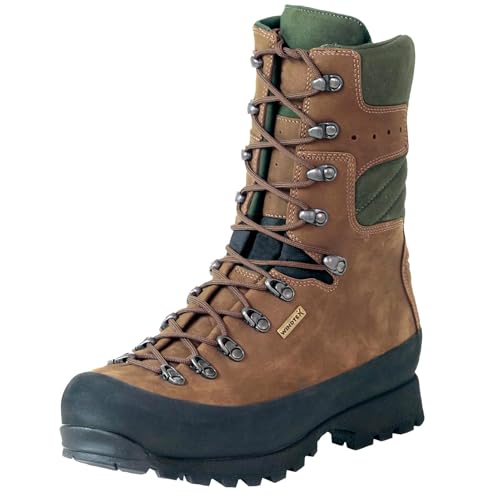


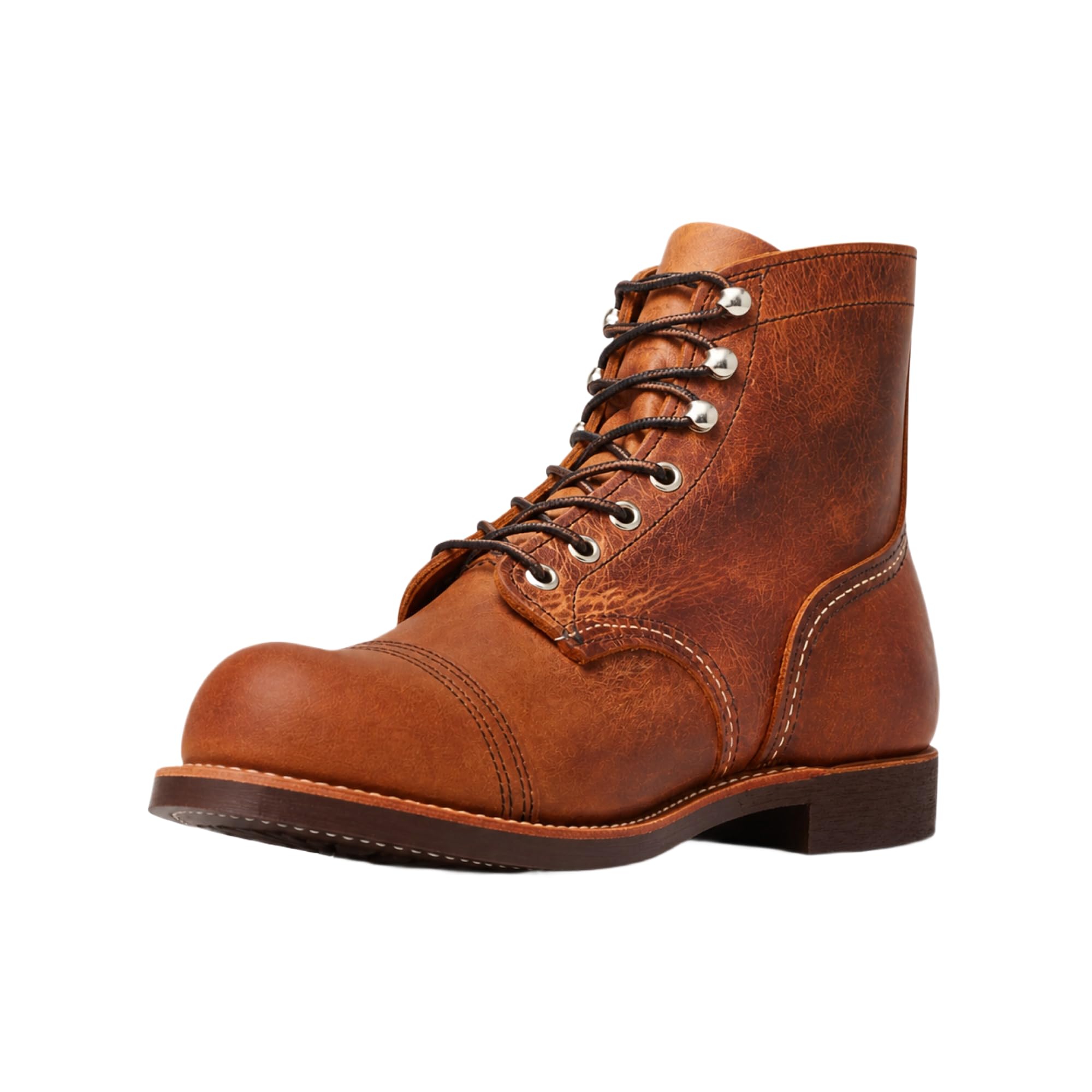


Three Price Tiers at a Glance
Price tiers set honest expectations when you cannot handle the boots in person. Use them to judge whether a listing price makes sense for the materials described.
Everyday Tier, Around $60 to $120
Pairs in this tier usually pair synthetic or corrected leather uppers with glued soles. They suit light daily wear, dry weather commuting, and style led outfits where heavy duty use is not expected. Expect a shorter break in period and softer comfort from day one. The limits show up in wet weather grip and in how long the sole and lining stay fresh under daily use.
Mid Range Tier, Around $120 to $220
This is where most online buyers get the best value. Uppers are often full grain leather, soles are stitched or strongly bonded, and insoles have real cushioning and arch support. Pairs at this level handle regular workdays, travel, and mixed weather well. If you wear boots four or more days a week, aim here first and judge listings by construction details rather than brand fame.
Premium Tier, Above $220
Premium pairs buy thicker leather, stitched welt construction that a cobbler can often resole, and linings that manage moisture better. The payoff is lifespan and comfort over years, not instant softness, because sturdy leather needs a proper break in period. Buy at this tier when you already know the style suits your feet and you plan to keep the pair for several seasons.
How to Choose Boots When Buying Online
Online listings reward careful readers. Work through these six checks in order, because fit problems cause far more returns than build problems, and both are visible in a good listing if you know where to look.
Fit, Sizing, and Toe Box
Measure both feet in the afternoon, standing, in the socks you plan to wear. Note the length in centimeters and compare it with the brand size chart for that exact model, because sizes vary between brands and even between styles from one brand. You want about a thumb width beyond your longest toe.
The toe box should let your toes spread without side pressure. If you are between sizes, choose the larger size and adjust with an insole or thicker socks, since a tight leather boot rarely stretches enough in length. Check whether the listing states a width fitting, and avoid standard width if you know your feet are wide.
Weight and Flexibility
Weight shapes how tired your legs feel by evening. A lightweight pair, often built with foam midsoles and fabric panels, suits travel and long days on your feet. A heavier leather pair protects better on rough ground and at work sites, but it asks more of your calves.
Flexibility matters at the forefoot. The boot should bend where your foot bends, at the ball, not in the middle of the arch. Listings rarely state this, so look at sole photos: a clear flex groove near the front is a good sign.
Outsole Traction and Terrain
Traction comes from lug depth and rubber compound. Deep, widely spaced lugs grip mud and loose trails but can feel clunky on pavement. Shallow, closely patterned soles suit city streets and indoor floors, and they are quieter. Wet stone and smooth tile defeat most soles, so treat any slip resistance claim with care.
Match the outsole to where you walk most. A commuter on wet platforms needs different grip from a gardener on soft ground. If a listing shows no outsole photo, that missing view is a reason to choose a different seller.
Durability and Expected Lifespan
Construction decides lifespan more than materials alone. Stitched joins between sole and upper outlast glue only joins, thick leather resists cracking at flex points, and metal hardware survives longer than plastic. A removable insole is a quiet advantage, because replacing a worn insole refreshes comfort cheaply.
Under daily wear, expect roughly one to two seasons from an entry level pair and several years from a well made leather pair kept in rotation. Lifespan claims in listings are marketing unless they name the construction behind them.
Cushioning and Support
Cushioning absorbs impact, while support controls how your foot rolls. A boot with a soft foam insole feels kind on day one but may pack flat within months if the foam is thin. A firmer midsole with a shaped footbed usually feels better at month six, especially if you stand on hard floors.
Note the heel to toe drop, the difference in height between heel and forefoot. A modest drop suits most walkers. If you use orthotics, confirm the insole removes easily and that the interior volume will fit them without crowding your toes.
Break In Period and Comfort Out of the Box
Sturdy leather boots rarely feel perfect on the first wear. Plan one to two weeks of short outings before a long day, and wear thick socks to protect hot spots at the heel and ankle. Suede, fabric, and soft leather pairs usually feel comfortable much sooner.
Online, the break in period interacts with returns. Wear new boots indoors on clean floors while you judge the fit, so the soles stay returnable if the size is wrong. Pain that stays sharp in one spot after several indoor sessions means the shape does not suit your foot.
Types of Boots You Will Find Online
Ankle and Chelsea Boots
Short boots that end at or just above the ankle suit office wear, travel, and everyday outfits. Chelsea versions pull on with elastic panels, which is fast but offers no tightening if the fit loosens. Lace up ankle boots adjust better and suit more foot shapes. Both struggle in deep snow or heavy mud, where material simply runs out.
Hiking Boots
Hiking boots add ankle support, aggressive tread, and often a waterproof membrane for trails and uneven ground. They are bulkier than city boots and look out of place with formal clothing. Choose them when your walking is genuinely outdoors. A membrane keeps rain out but adds warmth, so summer hikers may prefer a breathable non waterproof pair.
Work Boots
Work boots prioritise protection: reinforced toes, puncture resistant soles, and support for long shifts on hard ground. Some workplaces require specific safety ratings, so check your employer rules before ordering rather than assuming a sturdy look is enough. Weight is the trade off, and most work boots are too heavy for casual all day walking you do not need them for.
Winter Boots
Winter boots combine insulation, a waterproof build, and deep tread for snow and ice. Check the insulation type and whether the lining is removable for drying, because damp insulation loses warmth fast. Size up slightly if you will wear thick winter socks, and confirm the shaft height suits the snow depth you actually face.
Tips to Get the Most From Your Boots
- Keep the box and wear them indoors first. Clean soles and a short indoor trial keep your return option open while you judge size honestly.
- Rotate two pairs for daily wear. A rest day lets foam recover and leather dry fully, which extends the life of both pairs.
- Air dry wet boots away from direct heat. Radiators and heaters crack leather and warp adhesives, so dry at room temperature with newspaper inside.
- Lace properly to prevent heel slip. Snug lacing through every eyelet, with a firmer final loop, locks the heel and stops blisters forming.
- Check the returns policy before ordering. Free size exchanges and a clear trial window matter more than a small price saving from a strict seller.
FAQs
Are expensive boots worth it when buying online?
They can be, once you have confirmed your size in that brand. Higher prices usually buy stitched construction and leather that a cobbler can repair, which lowers cost per year. For a first order from an unfamiliar brand, a mid priced pair is the safer test. Keep proof of purchase until the break in period is over.
How long is the break in period for new boots?
Allow about one to two weeks of short, regular wear for stiff leather boots. Soft leather, suede, and fabric styles often need only a few days. Build up gradually, starting around the house. If one spot stays painful after two weeks, the last or size is wrong for your foot, and more time rarely fixes that.
Do I need waterproof boots?
Only if rain, snow, or wet ground is a regular part of your week. Waterproof membranes add warmth and cost, and they breathe less than plain leather. For light showers, water resistant leather with a protective spray is usually enough. Buy for your normal weather, and keep an old pair for the worst storms.
How often should I replace my boots?
Replace them when tread is worn smooth at the heel, the midsole feels flat and dead, or the upper cracks through at the flex points. That point arrives after about one to two seasons for light pairs worn daily, and much later for sturdy leather pairs in rotation. Support and grip, not appearance, should make the call.
How should boots fit when they arrive?
Snug through the heel and midfoot, with space for your toes to move and no pressure on top of the foot. A few millimeters of heel movement is normal in a stiff new boot and settles as the sole flexes. Walk on carpet for ten minutes. Numb toes or pinching at the sides means try another size or width.
Can I wear new boots all day straight away?
It is wiser not to. Even a well fitting leather boot needs the upper to soften and your feet to adapt, so build up over several shorter outings. Carry your old shoes as backup on the first long day if you can. Blisters formed on day one can take a week to heal and will colour your view of a good pair.
Final Thoughts
Measure carefully, read the construction details, and protect yourself with a fair returns policy. Those three habits matter more than any brand name. The best boots online for you is the pair whose size chart, materials, and sole all match your real routine. Compare your shortlist with the product table above, and order the size your measurements support.


