Best Boots for Wide Flat Feet: Support and Fit Guide for 2026
Disclosure: We may earn a commission when you buy through links on this page, at no extra cost to you. As an Amazon Associate I earn from qualifying purchases. Learn more

Wide flat feet need forefoot room and firm arch support. This guide covers the best boots for wide flat feet by use, fit and spending level.
Wide flat feet need two things at once: room across the ball of the foot and firm support under a low arch. Most boots offer one or the other, so a pair that fits your width can still collapse underfoot, and a supportive pair can pinch the sides. The best boots for wide flat feet combine a true wide last with a stable midsole, a firm heel counter and a removable insole. Use the product table above to compare options once you know which features matter for your day.
Start with how you use the boots, because a work boot, a hiking boot and a winter boot ask for different kinds of support. The sections below match each use to a boot type, then cover the features to check before you buy.
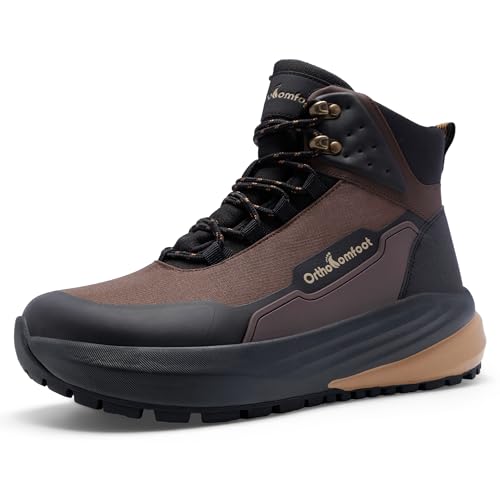
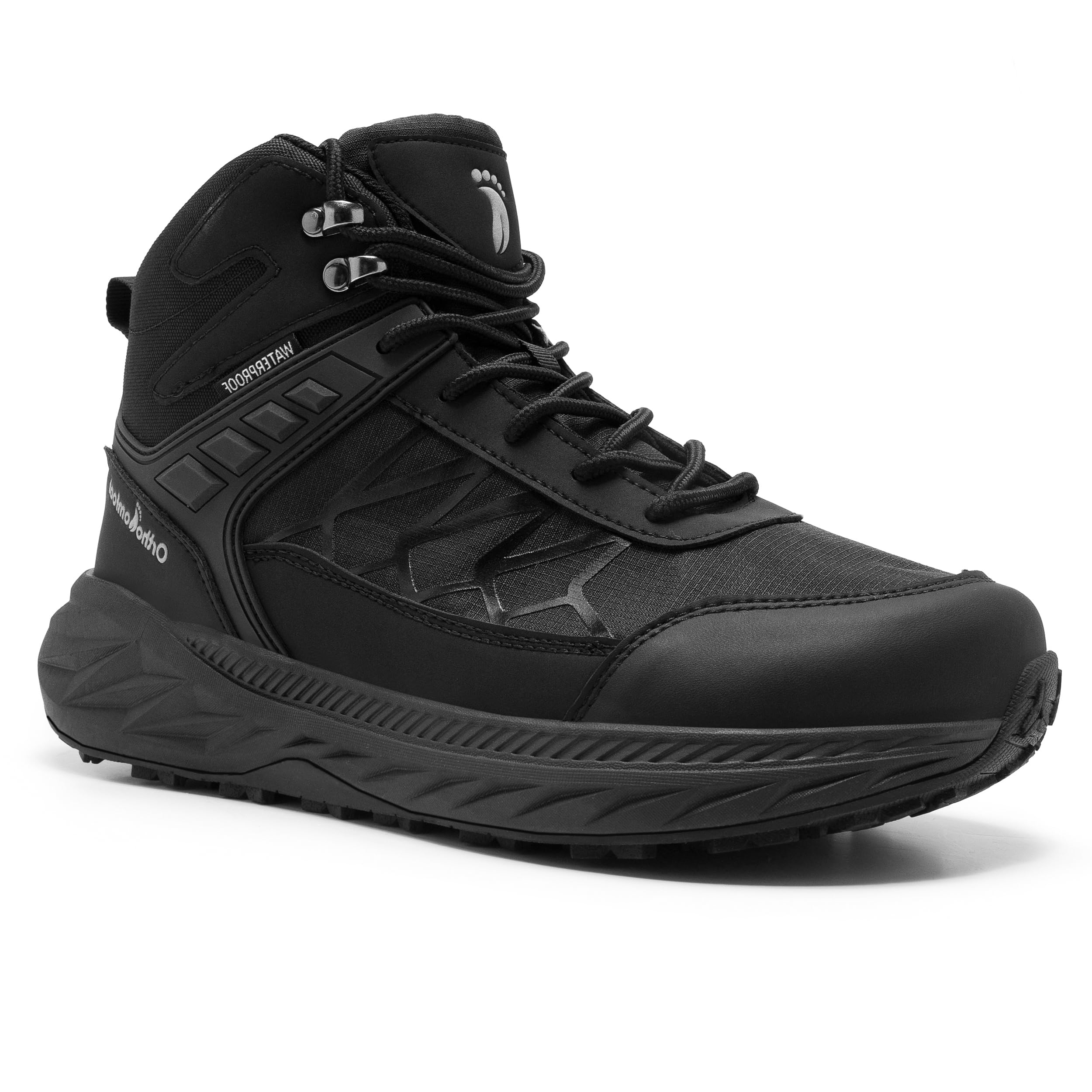
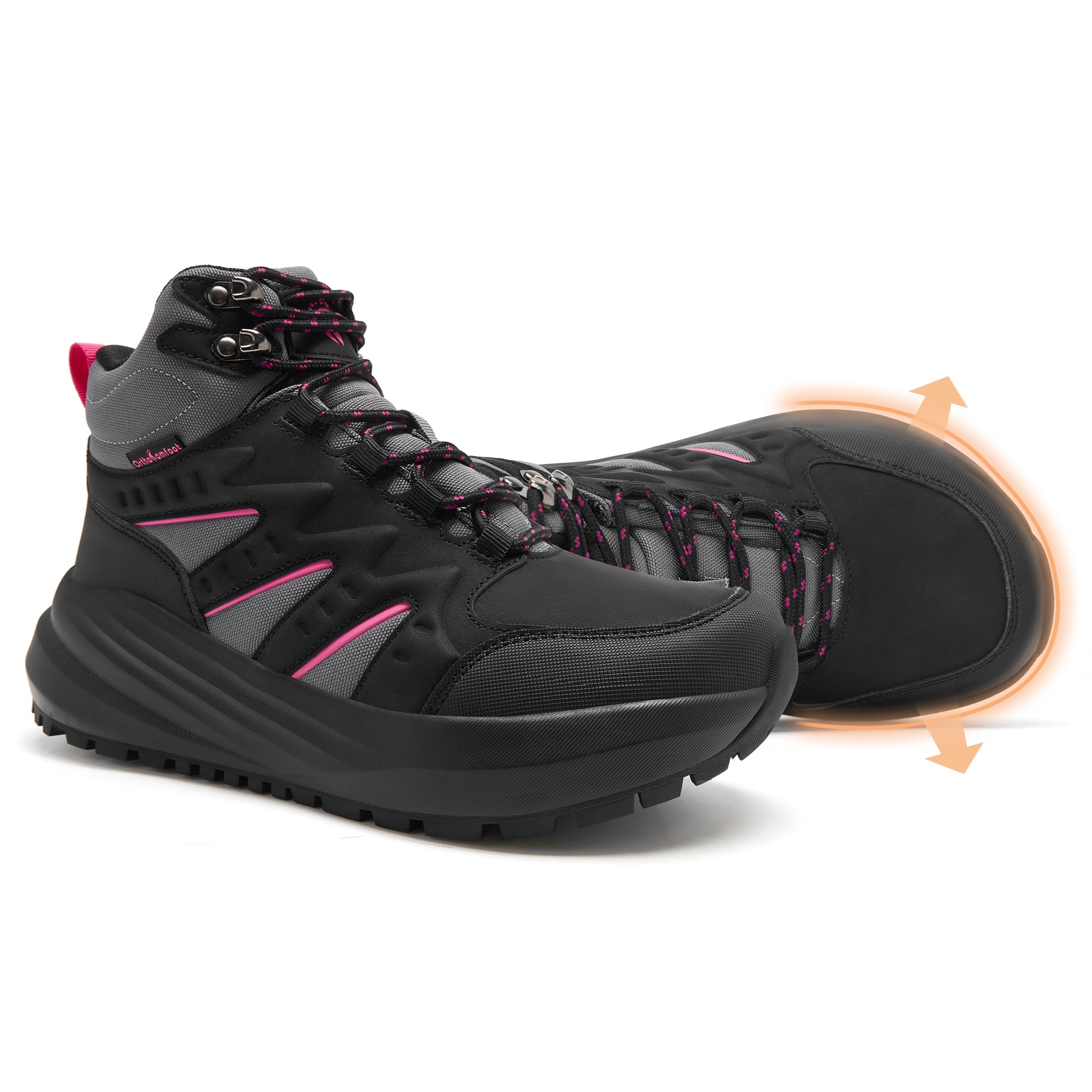
Who Needs Boots for Wide Flat Feet?
If your feet ache across the arch after a long day, the sides of your feet press against standard boots, or your ankles roll inward as you tire, you are the target reader. Three groups come up most often.
Workers Who Stand on Hard Floors
Standing on concrete flattens the arch further as the day goes on, and swelling makes a tight boot worse by afternoon. Choose a wide last, a firm and shaped footbed, and a stable base that resists rolling. Slip resistant soles and a safety toe, if your job requires them, matter as much as comfort. For job site styles, see our guide to the best work boots for wide flat feet.
Hikers and Outdoor Walkers
Trails push the foot to move on uneven ground, and flat feet often roll inward under a pack. Look for a stiffer midsole, a supportive shank, a wide toe box that lets toes spread on descents, and ankle support that stays comfortable. For trail use, see our guide to the best hiking boots for wide flat feet.
Everyday Walkers and Winter Commuters
You need a boot that is comfortable out of the box, keeps feet dry and leaves room for thick socks. A roomy toe box, a cushioned and supportive insole, and a grippy sole matter most. Winter boots tend to run narrow once insulation is added, so try them with your heaviest socks.
Boot Types Compared for Wide Flat Feet
Each type suits a different day. Match the type to your routine first, then judge width and support within it.
Work Boots
Work boots offer structure, durable leather and slip resistant soles. Many include a shank and a firm midsole that help flat feet stay level. They are heavier and take longer to break in, so wear them in short sessions first.
Hiking Boots
Hiking boots add ankle support, grippy lugs and a stable platform. A mid height boot gives support without the weight of a tall one, and many brands offer a wide version. Pay attention to the toe box, because a narrow front causes blisters on downhill sections.
Winter and Snow Boots
Winter boots add insulation and sealed construction. Insulation takes space, so a wide fit matters more here, and a removable liner and insole let you tune the support. Look for deep lugs and a shaft that keeps snow out.
Orthopedic Style Walking Boots
Some boots are built around arch support, wide toe boxes and cushioned footbeds for daily comfort. They suit people who want an easy, supportive fit for long days on their feet. Check the width options and return policy, because comfort claims vary between brands.
Key Features of the Best Boots for Wide Flat Feet
When you compare the best boots for wide flat feet, work through the list below in order. A boot that fails on width or support cannot be rescued by a nice finish.
True Wide Last and Toe Box Room
A wide label means a wider last, not just a stretchy upper. Look for a rounded toe box with enough height over the toes and a forefoot that stays broad through the ball of the foot. Your toes should lie flat and spread without pressing the sides.
Arch Support and a Stable Midsole
Flat feet usually do better with a firm, shaped footbed and a midsole that resists inward roll. Soft, thick foam can feel plush but wobbly. Press the midsole and try to twist the boot: it should flex at the ball of the foot and resist twisting through the middle.
Heel Counter and Heel Hold
A firm heel cup keeps the foot centered and reduces rolling. Squeeze the back of the boot: a counter that folds easily will not hold up over time. If your heel slips in a wide boot, adjust the lacing before changing size.
Removable Insole and Custom Support
A removable insole lets you add your own support without crowding the toes. Try boots with the insole you plan to use. If pain, numbness or swelling keeps returning, talk with a doctor or foot specialist about personal needs.
Cushioning, Weight and Outsole
Cushioning should soften impact without collapsing, and weight adds up over thousands of steps. Choose an outsole that matches your ground: flatter and slip resistant for floors, deeper lugs for trails and snow.
How to Fit Boots for Wide Flat Feet
Measure both feet late in the day, standing, and fit to the larger foot. Flat feet often lengthen and widen under weight, so sitting measurements understate the size. Wear the socks you use, leave about a thumb width ahead of your longest toe, and check that the widest part of your foot lines up with the widest part of the boot. Walk on a hard floor, take a few steps on stairs, and watch for heel lift and side pressure. If a boot pinches in the store, it will not fix itself with wear.
Common Mistakes to Avoid
- Choosing a longer size for extra width, which leaves the heel loose while the forefoot still presses.
- Judging fit while sitting, when the foot is shorter and narrower than it is under weight.
- Picking a soft, squishy sole for support, which lets the arch collapse and the ankle roll.
- Buying winter boots without trying them on with thick socks, which removes the room you measured.
- Pushing through pain during break in, when sharp pressure usually means the shape is wrong.
Care and Maintenance
Brush dirt off after use and let wet boots air dry at room temperature, away from heaters, because heat cracks leather and weakens glue. Remove the insoles to dry them. Condition leather when it looks dry, check lugs and heel wear every few months, and replace insoles when the cushioning goes flat. Rotating two pairs gives the support time to recover and keeps the interior fresh.
FAQ
What features matter most in boots for wide flat feet?
A true wide last, firm arch support, a stable heel counter and a removable insole matter most. Together they give your foot room to spread and a platform that resists rolling inward.
Do flat feet need stiff or soft boots?
Most flat feet do better with a boot that flexes at the ball of the foot but resists twisting through the middle. Very soft boots can feel pleasant at first and then let the arch collapse as the day goes on.
Can I use my own insoles in wide boots?
Yes, if the boot has a removable insole and enough depth. Bring your insoles to the fitting, because they change the interior volume and may push the foot against the upper.
How long is the break in period?
Soft boots may feel right within a few wears, while stiff leather can take one to two weeks. Break-in should ease day by day. Pain that grows is a fit problem, not a stage.
Are expensive boots worth it for wide flat feet?
They can be when the extra cost buys a better last, sturdier support and replaceable parts. Fit comes first, so a well fitting mid priced boot often beats a premium pair that pinches.
Final Thoughts
Choose width first, support second and materials third, then match the boot type to your routine. Use the product table above to compare height, weight and price. The best boots for wide flat feet leave room for your toes, hold your arch steady and keep you comfortable from the first step to the last.