
Best Boots for Wide Feet Men: Width, Toe Box and Fit Guide 2026
Disclosure: We may earn a commission when you buy through links on this page, at no extra cost to you. As an Amazon Associate I earn from qualifying purchases. Learn more

Best boots for wide feet men: width labels, toe box shape and sizing tricks that give the forefoot room without heel slip or pinching.
Most men with wide feet have a familiar routine. They try a boot that fits in length, feel it pinch across the ball of the foot, go up a size, and then fight a loose heel. The best boots for wide feet men break that cycle by offering real width in the right place, not just extra length.
This guide explains how widths are labeled, which parts of a boot decide the fit, and how to check a pair at home before you commit. The product table above lists boots that offer wide sizes or generous toe boxes.
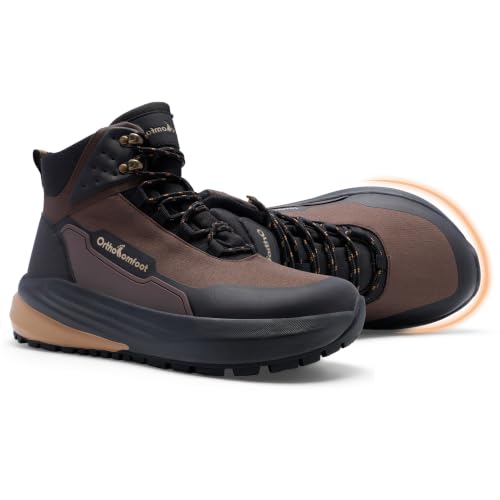
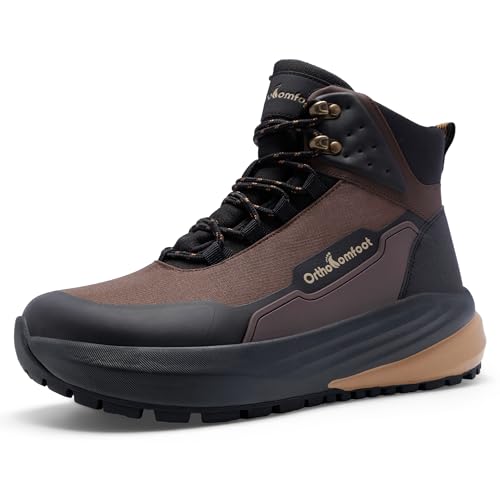

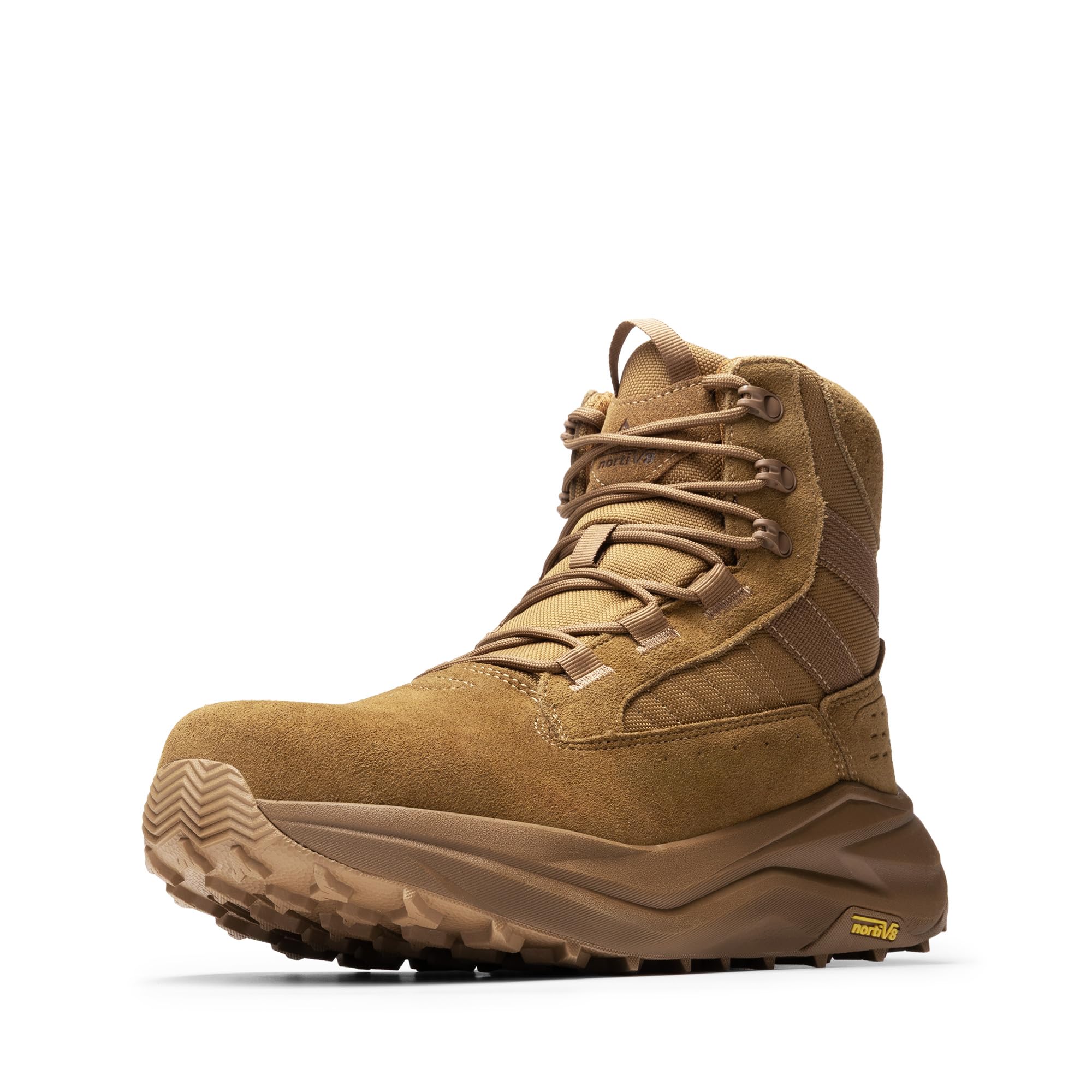

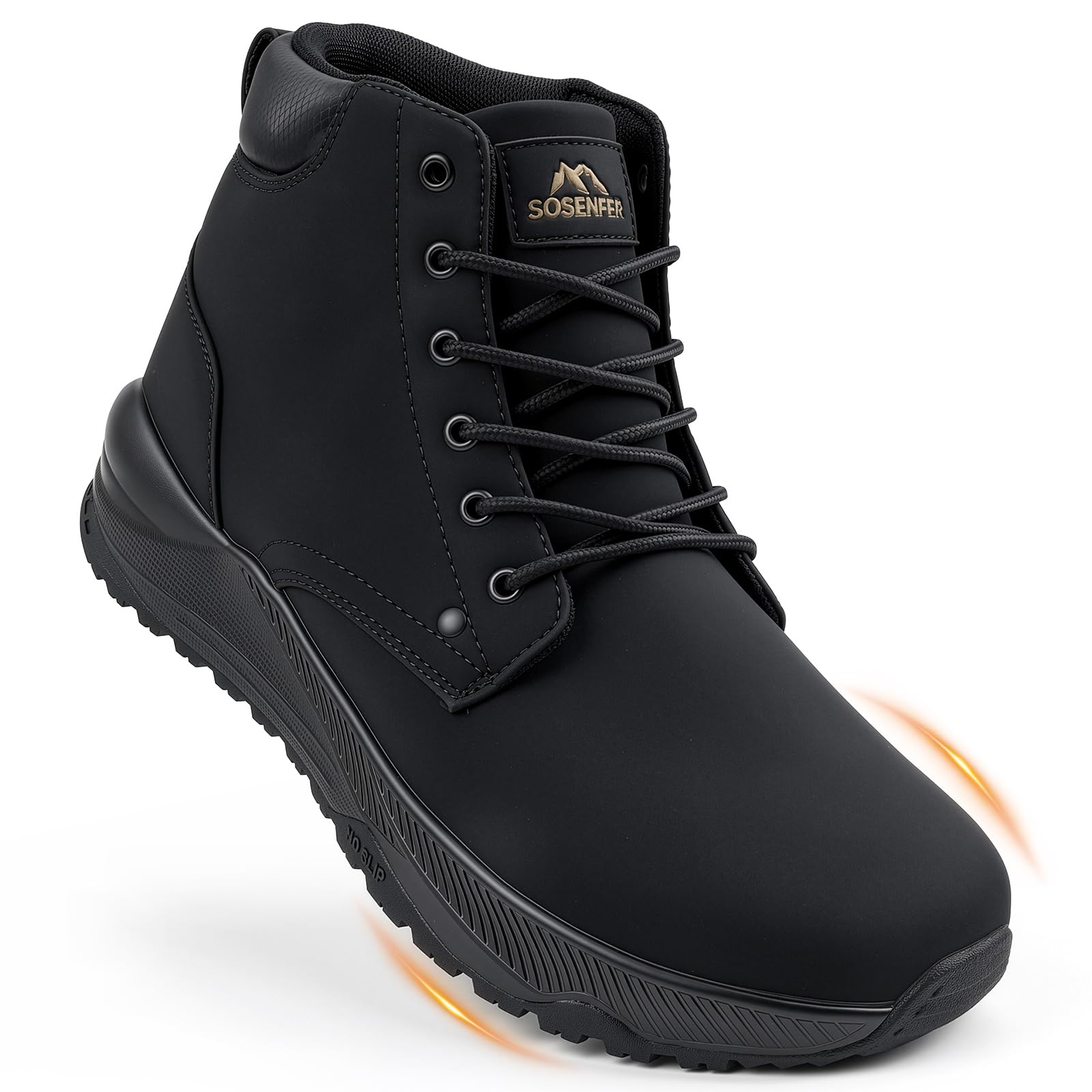

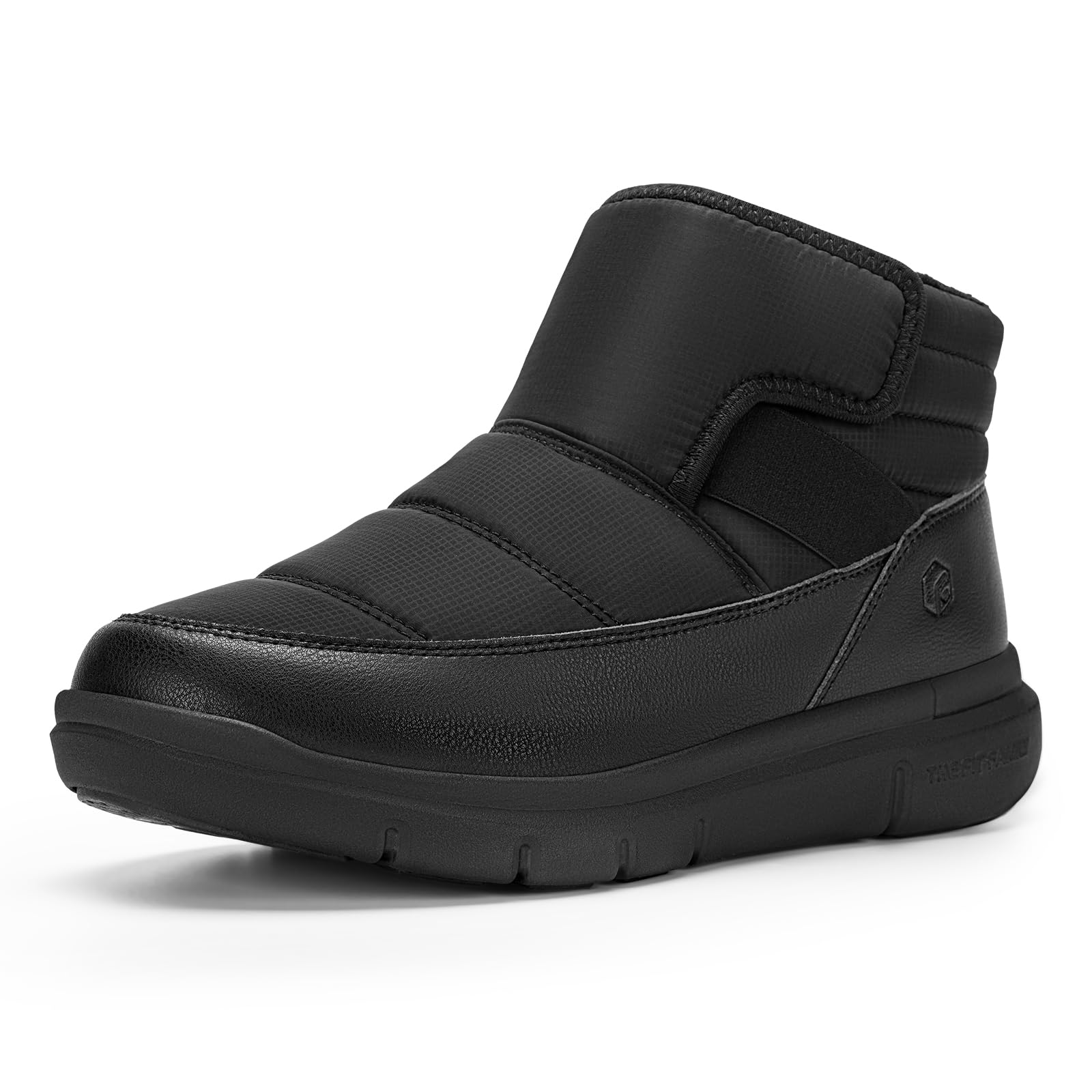

What Makes the Best Boots for Wide Feet Men Different
Boot widths are usually shown in letters. D is the standard men's width. E, EE and EEE (also called 2E, 3E, 4E) add width in steps. Some brands write W or X Wide instead. The letters describe the width at the ball of the foot, so the number matters more than the name.
A boot sold as regular but with a "wide toe box" is a different design. It may be built on a shape that is roomy at the front without a wide label. Both approaches can work, but a true wide size also widens the midfoot and heel area in proportion.
Measure Before You Order
Stand on a sheet of paper, trace your foot, and measure the widest part and the length. Do this late in the day. Compare both numbers with the brand size chart. If your width falls between two letters, take the wider one and manage volume with lacing and insoles.
Never judge by length alone. A boot that is long enough but too narrow squeezes the ball of the foot, which leads to numb toes, blisters and a pressure bump on the outer edge.
Features That Help a Wide Foot
Toe Box Shape
A rounded or squared toe lets toes spread flat. A tapered, pointed toe forces them together. Check the shape from above and look for height as well as width, since a low toe cap presses on the tops of the toes.
Soft or Stretchy Uppers
Leather that is soft and flexes easily, or a knit or mesh panel over the forefoot, gives a little more room than stiff, thick leather. Stiff boots need more break in time and may never fully give at the widest point.
Adjustable Lacing
Laces let you loosen the forefoot and still lock the heel. A boot with a long lacing run and plenty of eyelets lets you vary tension in zones. Skip the lacing hole nearest the toe if it presses on the top of the foot.
Removable Insoles
A removable insole lets you swap a flat factory one for a contoured one, or take it out for extra volume. It also lets you check how the foot sits on the footbed: if the foot spills over the edge, the boot is too narrow.
Boot Types for Men With Wide Feet
Work boots often come in wide and extra wide sizes because the market asks for them. Hiking boots increasingly offer wide toe box options, which suit long days on trails. Winter boots tend to have roomy cuts to fit thick socks. Dress and western styles are the hardest, but many makers offer a wide last.
Match the type to your daily routine, then check the width options. A wide hiking boot will not fit a job that needs safety toes, and a roomy winter boot may be too bulky for most of the year.
How to Check the Fit at Home
- Put on the boot with your usual socks and lace it fully.
- Stand and press down: your toes should lie flat and not touch the sides.
- Check for a pressure line along the little toe side of the foot.
- Walk up and down stairs and look for heel slip.
- Wear them indoors for an hour before you remove tags, so you can still return them.
A little heel movement in a stiff new boot is normal. Repeated rubbing in the same spot is not.
Fixing Small Fit Problems
A cobbler can stretch leather at one pressure point. Thicker or thinner socks change volume more than you might expect. Heel grips stop heel slip without changing size. Switching to a heel lock lacing pattern can hold the back of the foot while leaving the front loose.
Care
Dry boots at room temperature and avoid radiators, because heat shrinks leather and can undo any stretching. Condition leather every few weeks so it stays supple at the flex point. Replace insoles when they flatten.
Socks and Insoles That Change the Fit
Sock thickness can change the fit by half a size. A thick wool sock fills a loose boot, while a thin sock gives a wide foot room to spread. Try boots with the sock you will wear most often, and bring a second pair to compare. Some men keep thin socks for work and thick ones for cold days, and buy the boot to suit the thinner pair.
An aftermarket insole can add arch support, but it also takes up volume. If a boot feels tight with your own insole, try the factory one or a thinner, flat style. A boot that only fits without any insole is usually too low in volume for a wide, high instep foot.
When Wide Feet Come With a High Instep
Some wide feet are also tall on top. In that case the width label may not solve the problem, because the pressure comes from the tongue and the laces. Look for a padded, gusseted tongue, plenty of lace length and a boot that opens wide at the throat. Loosening the lowest eyelets and tightening the upper ones moves pressure off the top of the foot.
Frequently Asked Questions
Should I go up a size or buy a wide width?
Buy the wide width in your normal length first. Going up a size adds length you do not need and tends to cause heel slip.
Are wide toe box boots the same as wide size boots?
No. A wide toe box is a shape. A wide size is a measurement. A good fit may need both.
Do boots stretch?
Leather gives a little over time, mostly in width at the forefoot. Do not buy a boot that hurts and plan on it stretching.
What about men with high arches and wide feet?
Look for boots with removable insoles so you can add arch support, and avoid boots with a very low volume midfoot.
Final Thoughts
Width at the ball of the foot, toe shape and adjustable lacing do most of the work. Compare sizes in the product table, measure your foot, and return anything that pinches. For another angle on the same need, see our guide to the best boots for wide feet mens. The best boots for wide feet men give your forefoot room to spread while still holding your heel.


