
Best Boots for Western Horseback Riding: A First Time Buyer Guide for 2026
Disclosure: We may earn a commission when you buy through links on this page, at no extra cost to you. As an Amazon Associate I earn from qualifying purchases. Learn more

Learn how to choose western horseback riding boots with the right heel, sole, fit, and leather for safe stirrup work and comfortable days in the saddle.
Shopping for best boots for western horseback riding for the first time can feel confusing, because these boots look like ordinary cowboy boots but are built for a very specific job. The right pair should sit securely in a western stirrup, protect your foot, and still feel comfortable when you walk, lead, and work around a horse. This guide starts with the basics, then walks through fit, materials, and common mistakes, so you can compare options with confidence. Use the comparison table below to see how the main boot types differ side by side.
Western riding is different from everyday walking or hiking, and that difference shapes every buying choice. A smooth sole helps your foot slide free if you need to dismount quickly, while a defined heel helps stop your foot from sliding too far through the stirrup. Leather, height, and toe shape all change how the boot feels against the saddle and the horse. Keep those riding needs in mind as you read, and you will avoid paying for features that look good but do not help in the saddle.
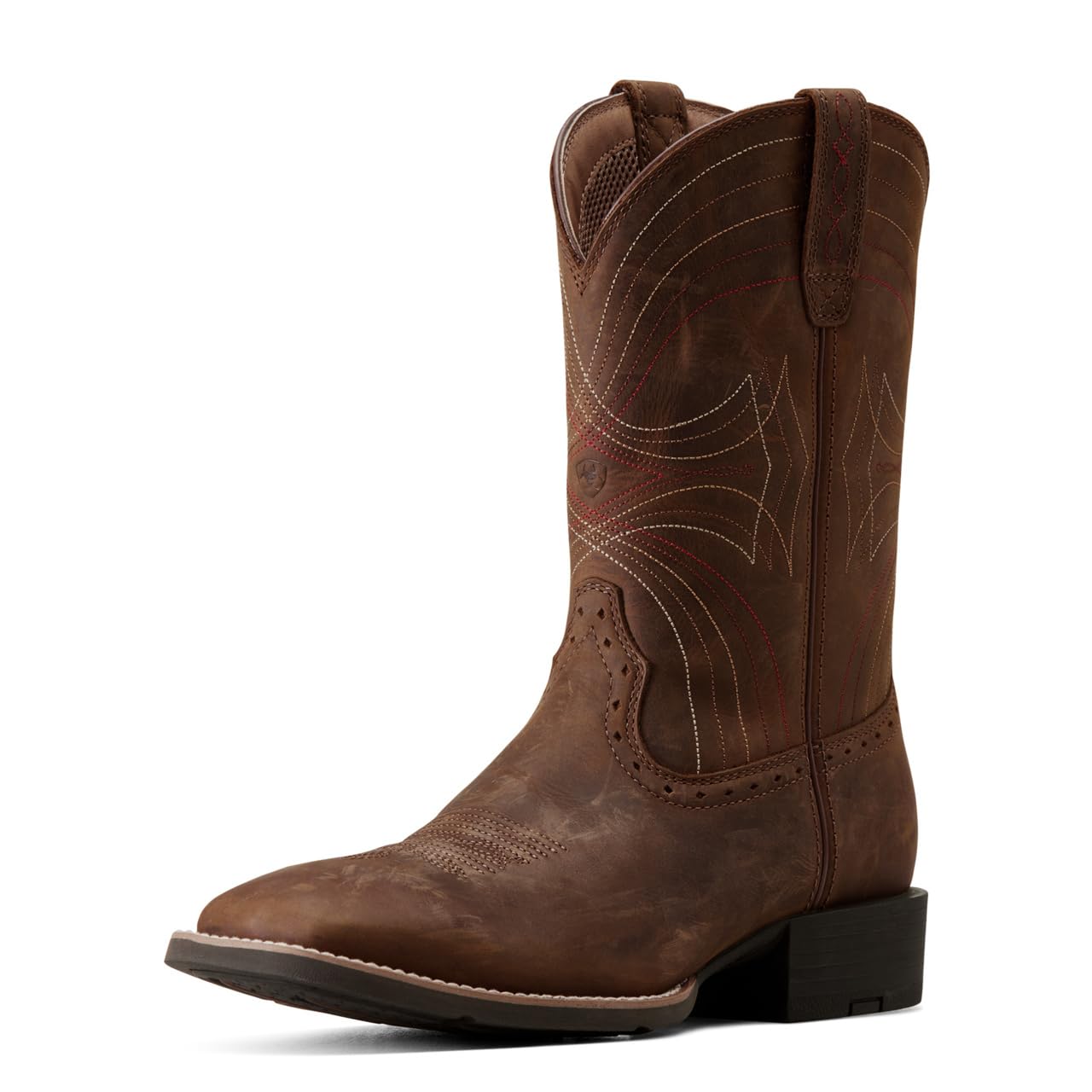
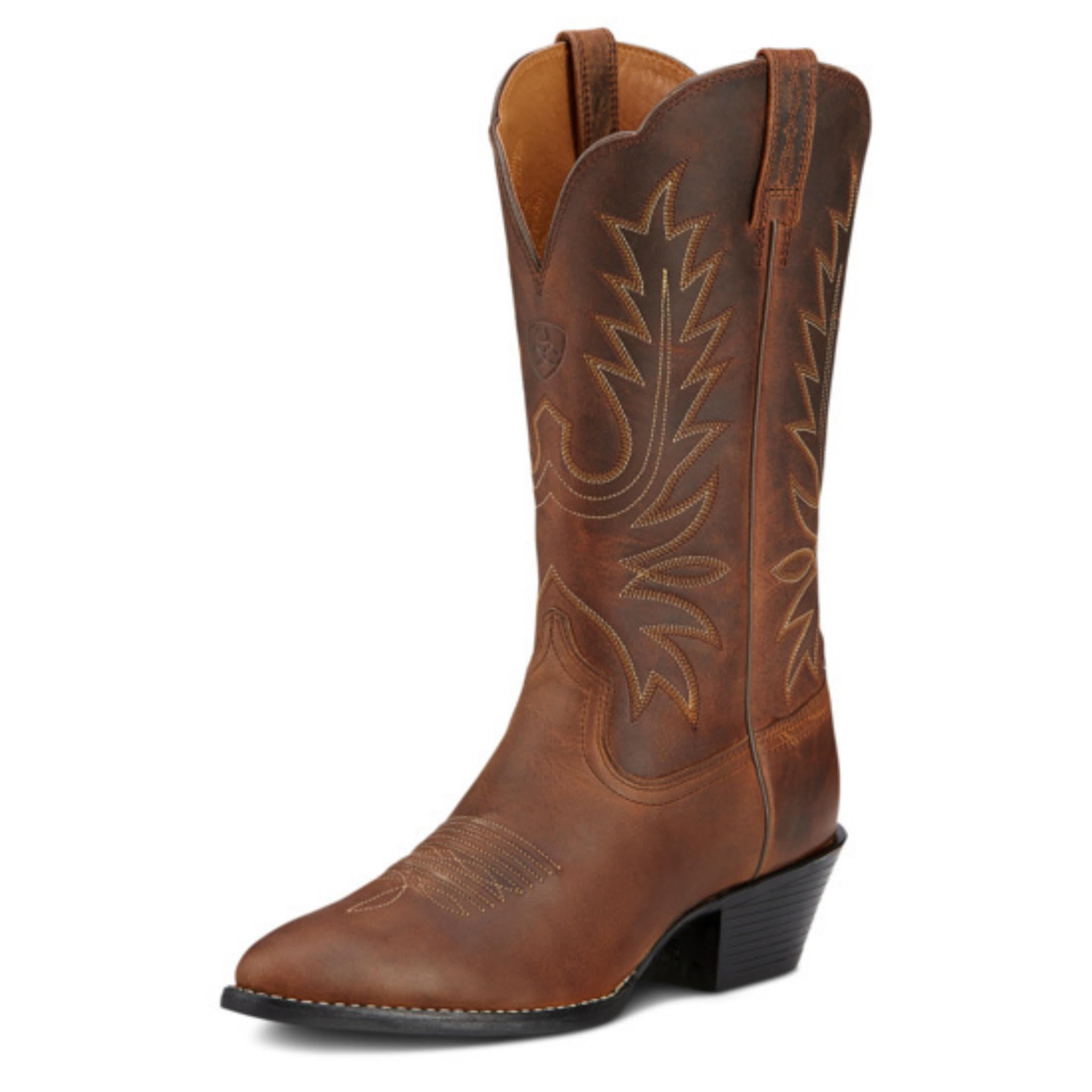

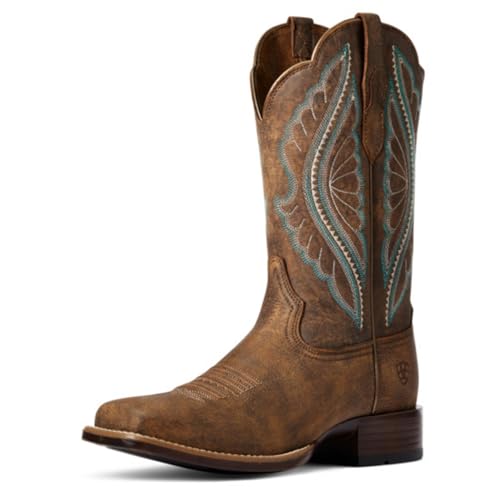
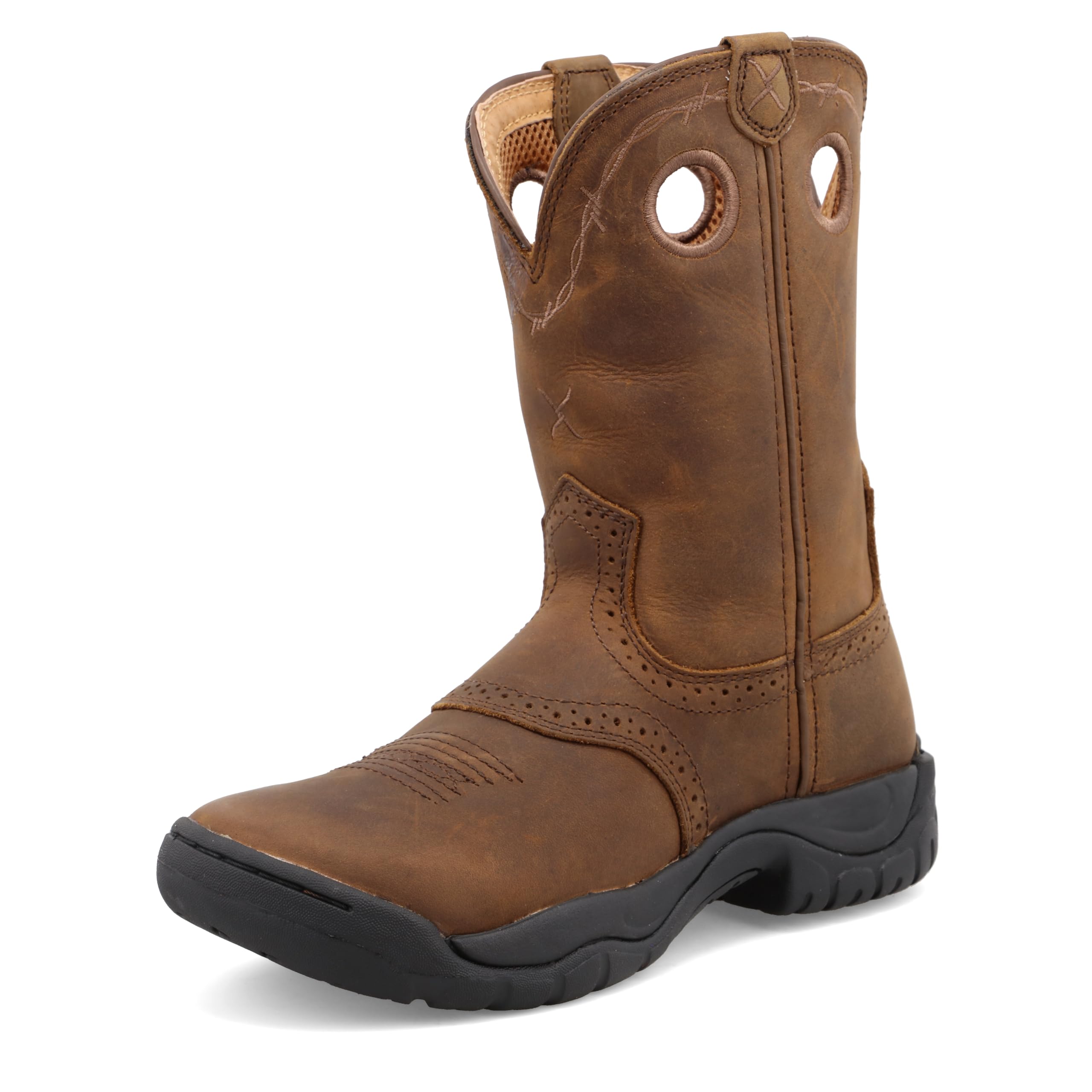
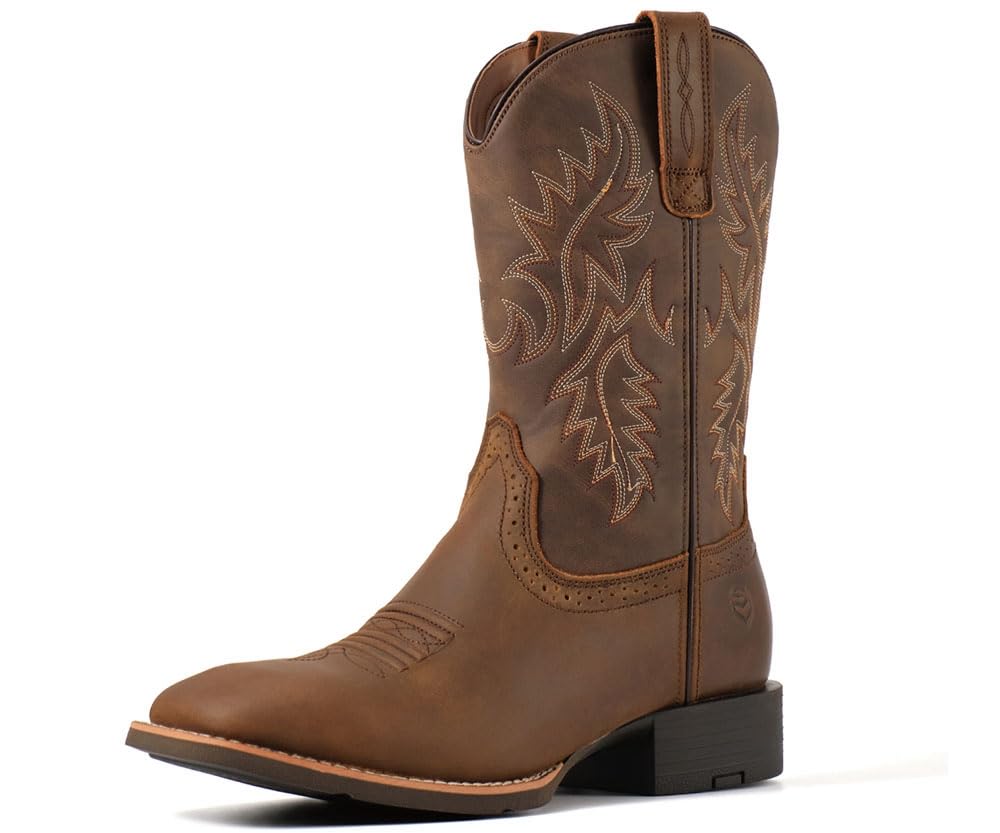

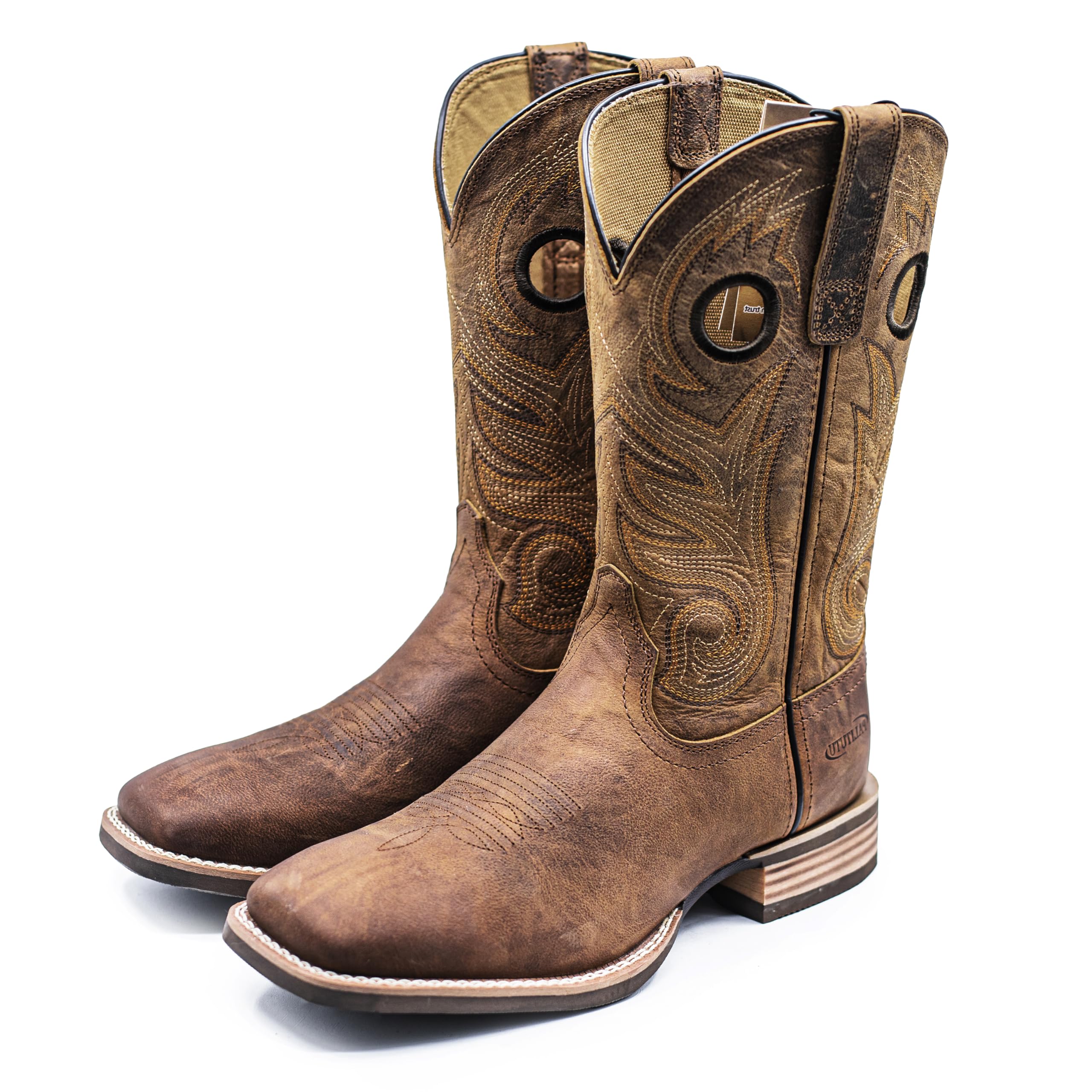
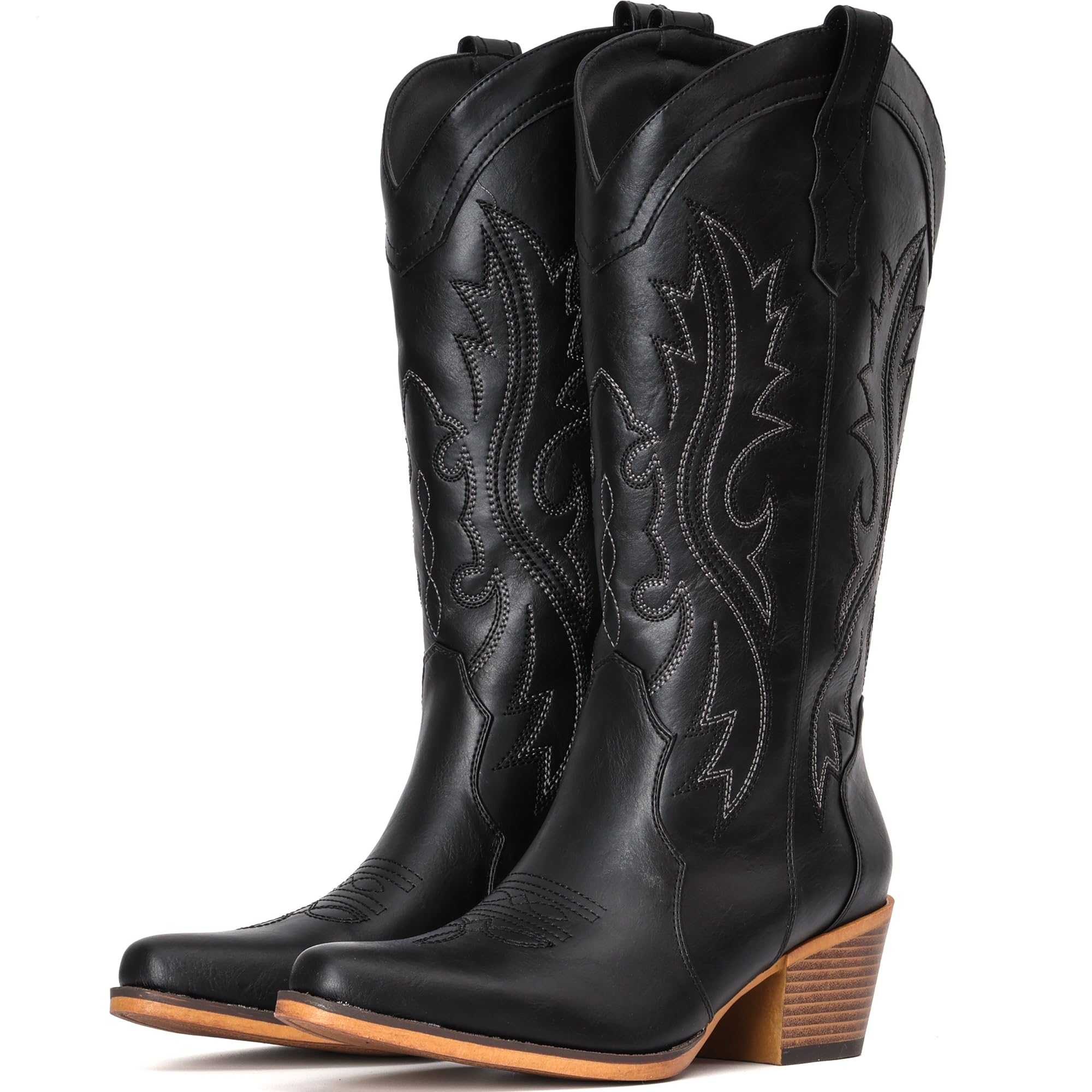
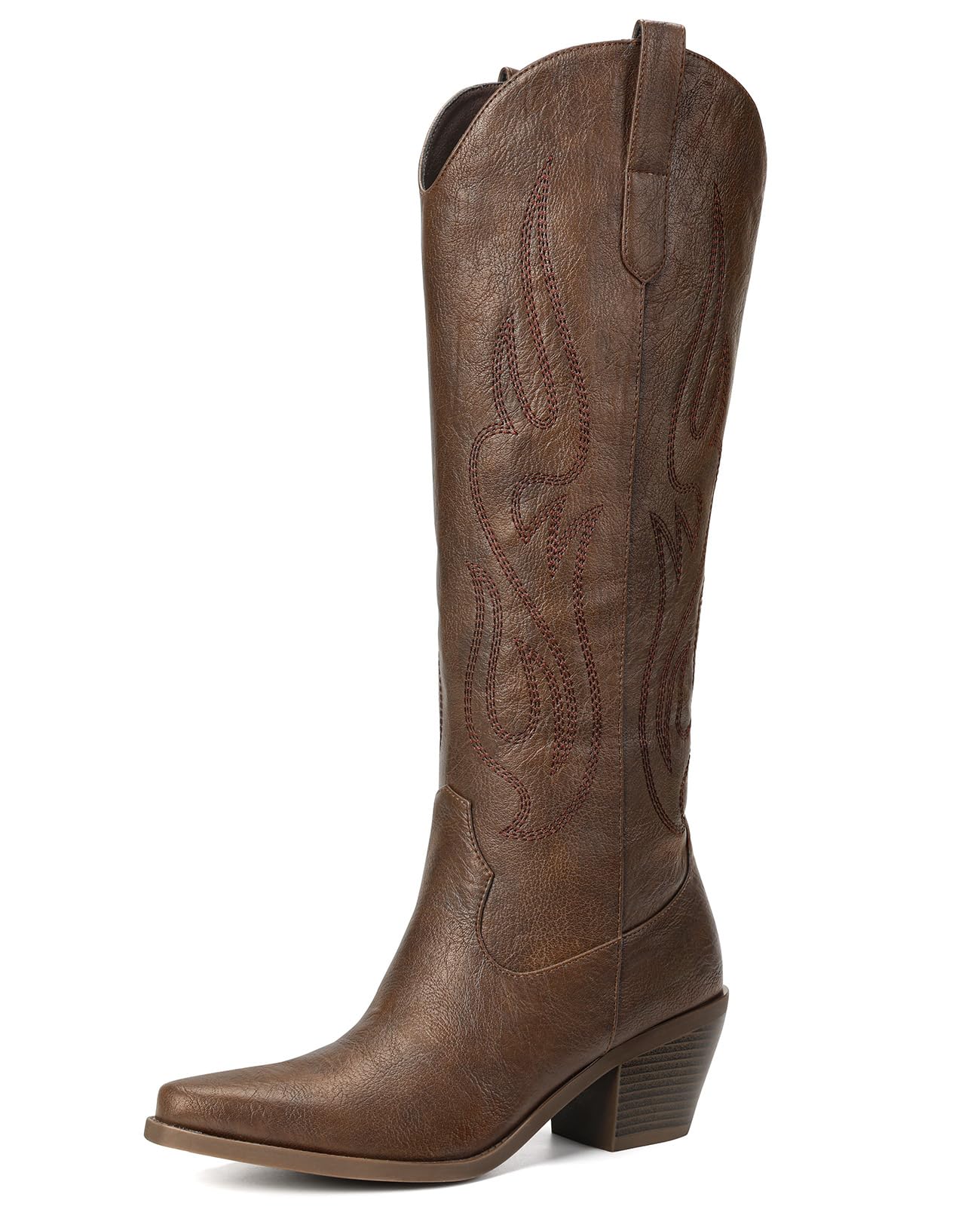
Who Should Buy Which Western Riding Boot?
New Riders Learning the Basics
New riders benefit most from a simple, well fitting western boot with a moderate heel and a smooth leather sole. Avoid tall fashion heels, heavy lug soles, and stiff decorative boots that make it hard to feel the stirrup. A classic western riding boot gives you a stable foot position without distracting extras, and it is easier to break in than a heavily tooled show boot. Choose comfort and control first, and save specialty styles for later.
Trail Riders Who Also Walk and Work
Trail riders need a boot that rides well and walks well, because a trail day often includes leading a horse, crossing streams, and walking uneven ground. Look for a slightly more flexible sole, a comfortable footbed, and a shaft height that supports the ankle without rubbing the calf. A rubber or leather outsole with a smooth tread pattern can help on dusty trails while still releasing cleanly from the stirrup. Make sure the boot still has a clear heel, since that heel is a safety feature, not just a style detail.
Ranch Riders and Regular Barn Workers
Riders who spend long days around horses need durability above all else. Full grain leather, strong stitching, and a sturdy shank under the arch help the boot hold its shape through mud, dust, and daily wear. A slightly taller shaft can protect the lower leg from stirrup leathers and brush, while a wider toe can give more room during long hours on foot. Check the sole bond and heel construction carefully, because these are the parts that fail first under hard daily use.
Key Features to Compare
Heel Height and Stirrup Safety
The heel is the most important safety feature on a western riding boot. A heel of about one inch to one and a half inches helps keep your foot from sliding forward through the stirrup, while still letting you step free when you dismount. A heel that is too low can feel unstable, and a heel that is too tall can change your balance and make walking awkward.
Look for a heel that is firmly attached, evenly shaped, and made from a material that will not catch on the stirrup tread. Test the heel with your actual stirrup if you can, since stirrup width and tread texture change how the boot sits.
Sole Type and Release
A smooth leather sole is the traditional choice for western riding because it slides easily in and out of the stirrup. Rubber soles can offer more grip on the ground, but a deep lug pattern can catch in the stirrup and slow your release. If you choose rubber, look for a fairly smooth tread with shallow grooves rather than an aggressive hiking pattern.
The sole should also flex at the ball of the foot, so you can keep your heel down and your foot relaxed. A stiff sole that never bends will tire your foot and make it harder to keep a natural riding position.
Toe Shape and Comfort
Western boots come in round, square, and pointed toe shapes, and the right choice depends on your foot shape and stirrup size. A round toe suits many riders and fits easily into a standard western stirrup. A square toe gives more room across the toes, which can help if your feet feel cramped in a narrow boot.
A pointed toe looks classic but can feel tight and may not suit wide feet or large stirrups. Try the boot with the socks you plan to ride in, and make sure your toes can wiggle without pressing against the front.
Leather and Construction
Full grain leather is the most durable common choice, and it molds to your foot over time while resisting scuffs and moisture. Split leather and synthetic uppers can cost less, but they often break in less comfortably and may wear faster around the ankle and heel. Look for even stitching, a clean welt or bonded sole, and no loose threads around the pull straps.
A leather lining adds comfort and helps manage moisture on warm days. For more ideas on related riding footwear, see our guide to the best western riding boots and compare shaft heights and toe shapes before you decide.
Fit, Shaft Height, and Calf Room
Western boots should fit snugly around the foot without pinching, and the shaft should sit close to the calf without cutting in. A new leather boot often feels tight at first and then relaxes slightly as it breaks in, so do not judge fit only by the first few minutes. Walk, bend your ankle, and mimic a riding position to check for heel slip and calf pressure.
Pull straps should be sturdy and easy to grip, and the boot should come off with a firm pull rather than a struggle. If you ride in wide stirrups, check that the boot width and toe shape still slide in and out freely.
Getting the Fit Right Before You Ride
Measure both feet in the afternoon, when feet are slightly larger, and wear your normal riding socks. Stand while you check length and width, because sitting hides pressure points that appear when you stand in the stirrup. Your longest toe should have a small amount of room, and your heel should lift only slightly when you walk.
If one foot is larger, fit the larger foot and use a thin insole in the other boot if needed. A boot that pinches across the instep or squeezes the toes will only feel worse after an hour in the saddle.
Break in new boots gradually with short walks and short rides before a long trail day. Leather softens with wear, but it should never cause blisters or numb toes during break in. Condition the leather as the maker directs, and keep boots away from direct heat while they dry.
Store them upright with boot trees or rolled towels inside, so the shaft keeps its shape. For a closer look at horse focused styles, see our guide to the best western boots for riding horses alongside this guide.
Rookie Mistakes to Avoid
- Choosing a fashion boot with a deep lug sole that can catch in the stirrup.
- Buying a heel that is too tall or too flat for safe stirrup placement.
- Ignoring calf fit, so the shaft rubs or cuts in during a long ride.
- Skipping a test walk in riding socks, then discovering pinching on the trail.
- Assuming all leather boots break in the same way, when construction and lining change the feel a lot.
Care and Maintenance for Riding Boots
Brush off dust and dried mud after each ride, and wipe the leather with a slightly damp cloth. Let wet boots dry at room temperature, away from heaters and direct sun, because fast drying can crack leather and loosen soles. Apply leather conditioner sparingly as the maker directs, and pay attention to the heel, welt, and pull straps during cleaning.
Check the sole bond and heel nails or adhesive regularly, and have a cobbler repair loose heels before they become a safety problem. Good care keeps the boot comfortable and helps it last through many seasons of riding.
Store boots in a cool, dry place and avoid stacking heavy gear on top of the shafts. If you ride in rain or cross water, dry the boots fully before storing them, and use boot trees to hold their shape. Replace boots when the sole wears smooth in a way that changes your stirrup feel, when the heel becomes loose, or when the leather cracks through the upper.
A worn boot may still look fine, but a changed fit or a loose heel can affect safety. To compare everyday horseback styles, see our guide to the best boots for horseback riding and our guide to the best cowboy boots for horseback riding for a broader view of toe and shaft choices.
Frequently Asked Questions
What features matter most in boots for western horseback riding?
A defined heel, a smooth sole, and a secure fit matter most for western horseback riding. The heel helps keep your foot from sliding too far through the stirrup, while a smooth sole lets your foot release cleanly when you dismount. Fit matters because a boot that pinches or slips will distract you and change your foot position. Leather quality, shaft height, and toe shape also matter, but they should support those three core needs rather than replace them.
Do western riding boots need special safety certifications?
Western riding boots do not carry a single universal safety certification like a riding helmet does. Instead, safety comes from design: a defined heel, a smooth sole, a stable shank, and a fit that works with your stirrup. Check local stable or event rules if you plan to compete, since some events set footwear requirements. If a boot claims a safety rating, read the fine print and check what the rating actually covers before you rely on it.
Can I ride in boots with a rubber sole?
You can ride in boots with a rubber sole if the tread is fairly smooth and the heel is clearly defined. A smooth rubber outsole can help with grip on the ground and may suit trail riders who walk a lot. Avoid deep lug patterns that can catch on the stirrup tread, and test the boot in your actual stirrup before a long ride. If the sole grips too much or changes your foot position, a leather sole may be the safer choice.
How do I choose the right size for western riding boots?
Choose the size that fits your larger foot while wearing your normal riding socks, and check the fit while standing. Your toes should have a little room, your heel should lift only slightly, and the shaft should sit close without pinching the calf. New leather often feels snug and then relaxes a bit, so a very tight fit in the store is a warning sign. If you are between sizes, consider the wider option and adjust with a thin insole rather than forcing a narrow boot.
How often should I replace western riding boots?
Replace western riding boots when the sole, heel, or fit changes enough to affect safety or comfort. Signs include a loose heel, a sole that separates at the edge, cracked leather through the upper, or a footbed that no longer supports your arch. Heavy daily use can wear boots out faster than occasional weekend riding. Regular cleaning and conditioning can extend life, but a boot that no longer holds its shape in the stirrup should be retired.
Final Thoughts
The best choice comes down to three things: a defined heel for stirrup safety, a smooth sole for a clean release, and a fit that stays comfortable through a full ride. Compare leather, toe shape, and shaft height only after those core needs are met, and use the product table above to narrow your shortlist by type and price. Remember that best boots for western horseback riding is a guide to features and fit, not a promise that any single boot suits every rider and every horse. Try boots with your own stirrups and socks when you can, break them in gradually, and follow local trail and stable rules for safe, enjoyable rides.


