
Best Boots for Horseback Riding and Hiking for 2026: A Clear Buying Guide for First Time Buyers
Disclosure: We may earn a commission when you buy through links on this page, at no extra cost to you. As an Amazon Associate I earn from qualifying purchases. Learn more
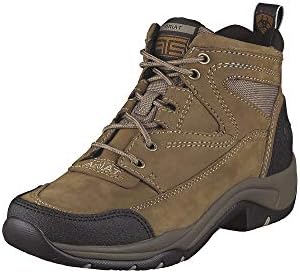
Stirrup safe heels and trail grip in one pair: the best boots for horseback riding and hiking.
One pair of boots has to do two different jobs here. In the saddle your foot must enter a stirrup easily, stay secure, and release cleanly if you fall. On foot the same boot must grip loose ground and stay comfortable for miles. The best boots for horseback riding and hiking balance those demands, and the comparison table below shows how the main choices differ.
This guide starts with the basics for new buyers. You will learn which heel, tread, shaft and fit suit your riding style and trails, and how to test a pair before long days in it.


Who Should Buy Boots That Work in the Saddle and on Trail?
Start with how your day splits between riding and walking. That split, more than looks, decides the right compromise for you.
Trail Riders Who Lead Their Horse Over Rough Ground
You ride out, then dismount to lead your horse down steep, rocky or muddy stretches where riding feels unsafe. You need the most trail grip of any group here. Choose moderate tread, a stiff shank and a shaft that guards your ankle, and accept extra weight as the price of walking safely beside a horse.
Lesson and Barn Riders Who Walk More Than They Hike
Your walking is mostly flat barn aisles, paddocks and short paths to the arena, with longer time in the saddle. Stirrup safety matters more for you than deep trail grip, so a smoother sole and slimmer toe suit you better. If you are starting lessons, see our guide to the best horseback riding boots for beginners for starter specific advice.
Western Riders Who Also Walk Fences, Fields and Campsites
You ride in a western saddle, then spend hours on foot checking fences, gathering stock or moving around camp. A tall western shape can work if the tread stays shallow and the heel stays defined. For style specific options, see our guide to the best boots for western horseback riding, then check any pair against the tests below.
Key Features to Compare
When you compare the best boots for horseback riding and hiking, judge these six factors in order, because a weakness in the first two can make a boot unsafe even if the rest feel great.
Heel Height and Shape for Stirrup Safety
A riding boot needs a distinct heel of about 1 to 1.5 inches, with a clear front edge that catches the stirrup and stops your foot sliding through. A flat hiking sole has no such stop, and a tall fashion heel tilts your foot and strains your calf. Look for a squared heel and a smooth front sole, so your foot can still slip free in a fall.
Outsole Tread That Grips Trails Without Catching in a Stirrup
Tread is the central trade off here. Deep, widely spaced hiking lugs grip mud and loose rock well, but they can wedge against a stirrup tread and slow a clean release. Shallow, closely spaced lugs of about 3 to 5 mm give useful grip on dirt, grass and gravel while sliding more freely. Choose shallow tread if most miles are in the saddle, and moderate tread only if you regularly lead a horse on foot over rough slopes.
Shaft Height, Ankle Support and Toe Room
Short boots of about 6 to 8 inches pair with half chaps for schooling and feel cooler and lighter on summer hikes. Taller shafts of about 10 to 14 inches guard your calf from saddle leather, brush and stirrup leathers. At the toe, choose a slim, rounded shape that enters the stirrup easily, with enough width inside that your toes lie flat and do not press the sides on downhill walks.
Waterproofing, Breathability and Upper Material
A waterproof membrane keeps feet dry in wet grass, stream crossings and muddy paddocks. The cost is warmth, since membranes release heat and sweat more slowly on summer hikes. Full grain leather resists scuffs from stirrups and brush and molds to your foot, but it weighs more and needs conditioning. Synthetic uppers weigh less and dry faster, but they usually show wear sooner at flex points.
Sole Stiffness, Cushioning and Weight for Miles on Foot
A boot that feels perfect for an hour in the saddle can punish your feet on a five mile walk if the sole bends too easily over stones. Look for a firm shank through the middle of the sole, which spreads pressure from both stirrups and sharp ground, plus cushioning under the heel and forefoot. Most suitable pairs weigh about 2.5 to 4 pounds per pair. Lighter boots suit barn days, while stiffer, heavier boots repay you on long, rough trails.
Closure and Fit: Laces, Zips and Pull On Styles
Laces give the finest adjustment around the ankle and instep, which helps narrow feet, but loose ends must be tucked away so they cannot snag. Side or back zips make entry fast and suit riders who change boots at the barn. Pull on styles have nothing to catch and feel simple, but they fit fewer foot shapes well, so test heel slip carefully before buying a pair without adjustment.
Boot Types Compared and How to Check the Fit
Three broad types cover most buyers. Short paddock style boots with half chaps feel flexible and light, suit lessons and short walks. Tall riding boots give the most calf protection, but they are the least pleasant for long hikes. Endurance style boots blend a hiking sole and cushioning with a riding heel and slimmer toe, and they suit riders whose days split most evenly.
Test both jobs during the return window. Wear your riding socks, slide your foot into your own stirrup or a similar width, and confirm a finger width of space on each side. Walk down a slope and check that your toes do not slam the front. Stand on a step edge in the stirrup position, heel down, and note any ankle pinching or heel lifting.
Riders who mostly ride and rarely hike may not need this compromise at all. If your walking stays on flat ground, see our guide to the best boots for horseback riding for saddle first choices, and see our guide to the best riding boots for tall boot styles.
Common Mistakes to Avoid
- Buying pure hiking boots with deep lugs and no heel risks your foot catching or sliding through a stirrup.
- Choosing tall fashion boots with a high, slanted heel strains your calf and makes long walks painful.
- Sizing for the saddle alone leaves toes cramped, so downhill walking quickly causes sore toenails.
- Leaving loose lace ends untucked lets them snag on brush, stirrups or fencing as you move.
- Skipping a stirrup width check means a wide toe may jam instead of releasing in a fall.
- Ignoring break in time before a long ride invites blisters on both the ride and the walk.
Care and Maintenance for Riding and Hiking Boots
Brush off mud and manure after each use, before it dries into seams and zips. Stuff boots loosely with paper and dry them at room temperature away from direct heat, since strong heat cracks leather and weakens glue. Condition leather once it looks dry, and reproof waterproof styles when water stops beading.
Check the heel, sole edges and stitching every few weeks, and stop riding in a boot whose heel has worn rounded or whose sole has started to split, since both change how the boot meets the stirrup. Store boots upright with rolled paper inside so the shaft keeps its shape, and give each pair a full day to dry between wet days.
FAQ
Can boots for horseback riding and hiking replace separate pairs for both sports?
Yes, boots for horseback riding and hiking can replace separate pairs for casual riding and moderate trails. The compromise shows at the extremes. If neither activity takes more than about three quarters of your time, one dual purpose pair usually serves you well.
How do I choose the right size for boots for horseback riding and hiking?
Choose the right size for boots for horseback riding and hiking by fitting late in the day, when your feet are at their largest. Wear the socks you ride and hike in, and leave about half an inch before your longest toe. Bring your thickest trail socks too, because a boot that only fits thin socks limits cold weather use.
Are waterproof boots for horseback riding and hiking too warm for summer trails?
Waterproof boots for horseback riding and hiking can feel warm on summer trails, but the degree depends on the upper. Leather lined waterproof boots run hottest. If your summer routes are mostly dry, a non waterproof pair with a surface proofer sheds light dew and dries far faster after a soaking.
How long do boots for horseback riding and hiking take to break in?
Boots for horseback riding and hiking usually take about one to two weeks of regular short use to break in. Leather tall boots sit at the slower end, and stiff endurance styles soften mainly around the ankle first. Wear new boots around the barn and on walks of under an hour, add distance only when no hot spots remain, and tape known rub points on your first longer outing.
Can I ride in boots for horseback riding and hiking with steel toes?
No, you should not choose steel toe boots for riding, even if they feel protective around the barn. A wide safety toe often fits stirrups poorly. For yard work around horses, change into safety boots after riding instead of asking one toe shape to serve both tasks safely.
Final Thoughts
Put stirrup safety first, trail grip second, and looks last. A defined heel, shallow to moderate tread, a toe that fits your stirrup with room to spare, and a stiff sole will cover most first time buyers well. Use the product table above to compare heel, tread and shaft height side by side.
When you judge best boots for horseback riding and hiking by those tests rather than by style alone, the right pair becomes easier to spot. Buy the pair that passes both the stirrup check and the downhill walk, and your one boot wardrobe will earn its place.


