
Best Boots for Weak Ankles Made Simple: A Clear Buying Guide for 2026
Disclosure: We may earn a commission when you buy through links on this page, at no extra cost to you. As an Amazon Associate I earn from qualifying purchases. Learn more

New to buying boots? Our simple guide to the best boots for weak ankles explains the basics, key specs, and smart tips so your first purchase is the right one.
A tall collar alone does not tell you how steady a boot will feel. This guide to the best boots for weak ankles starts with the plain basics, then walks you through fit, support, and daily use.
Weak ankles often roll on uneven ground or tire during long days. The right boot cannot fix an injury, but it can hold your heel and give you a more stable base. Use the comparison table below to compare collar height, weight, and waterproofing once you know which features matter most.

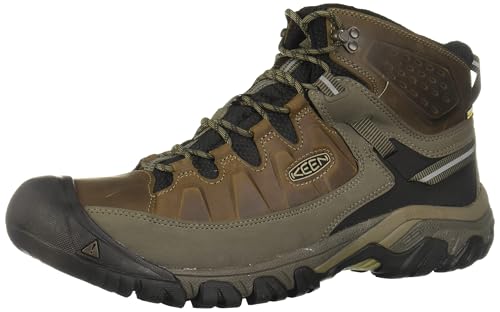

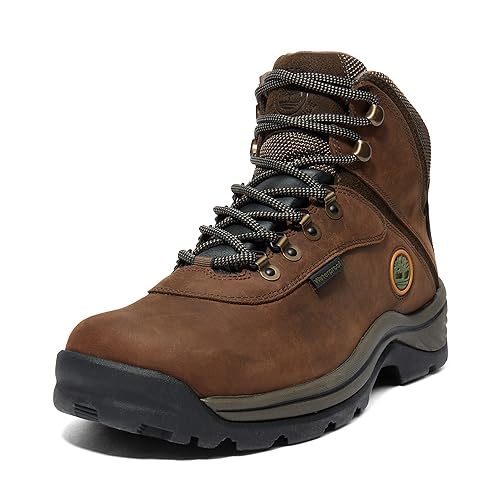


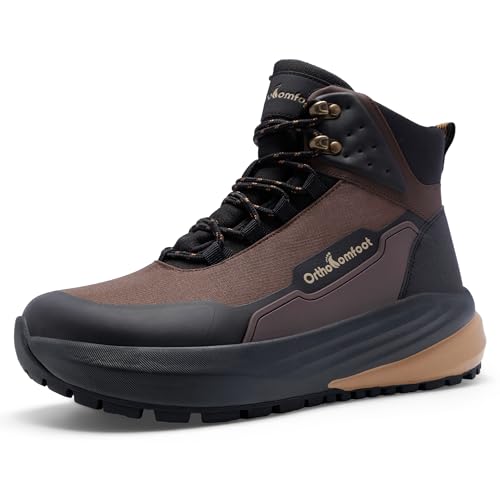


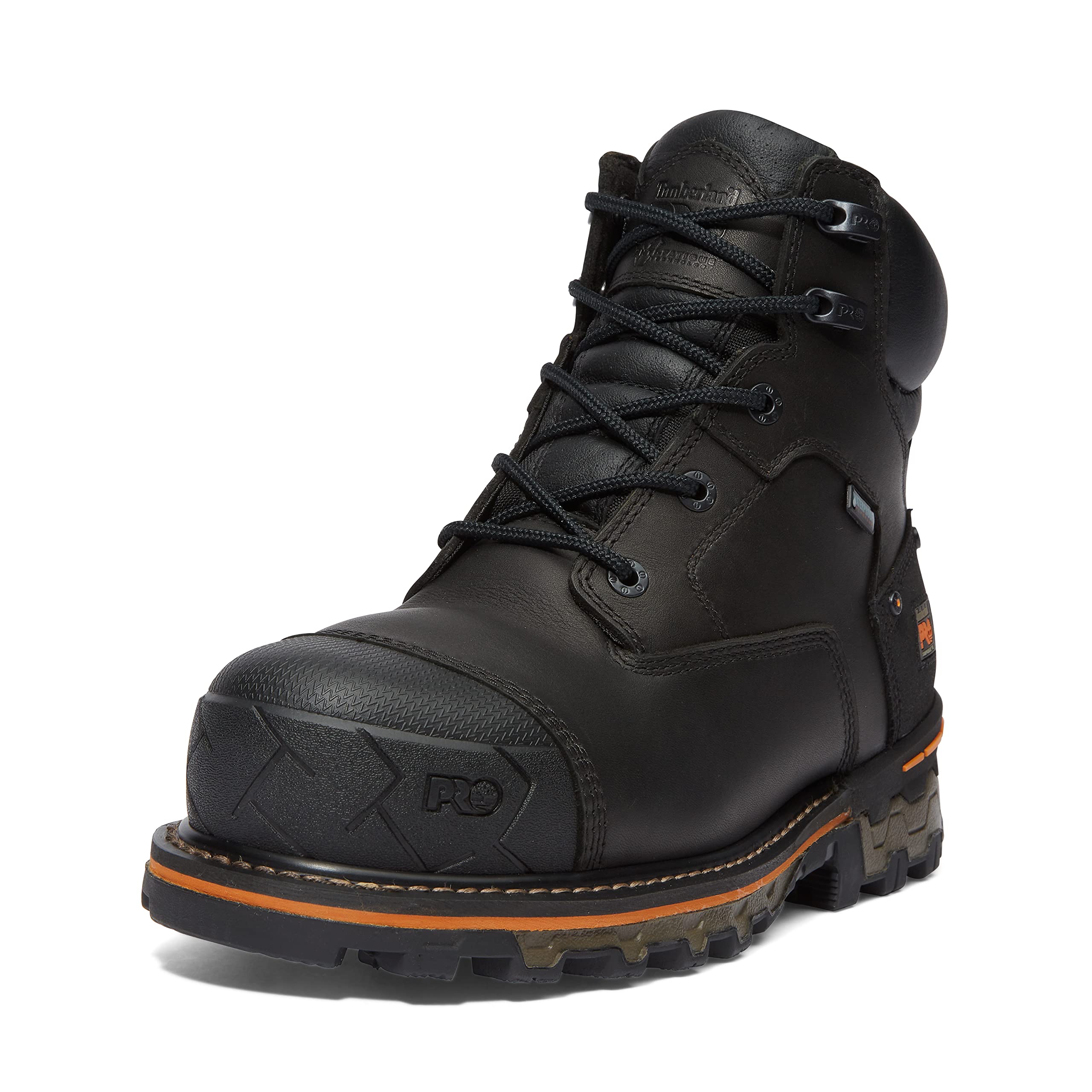
Boots 101: The Basics for First Time Buyers
A boot rises above your ankle, unlike a shoe that stops below it. That extra height lets the upper, laces, and heel counter work together to limit sideways movement. The upper wraps your foot and ankle, the midsole cushions each step and supports your arch, and the outsole grips the ground. Stability comes from how those parts work together, not from height alone.
The collar is the padded opening around your ankle, the heel counter is the firm cup around your heel, and the shank is a stiff insert that resists twisting. Heel to toe drop is the height difference between heel and forefoot. A moderate drop feels natural for most walkers, so judge it by a test walk.
Ankle Support Specs in Plain English
Read the specs below in order, because fit comes first.
Features That Matter Most for Weak Ankles
Start with a firm heel counter that does not fold when you squeeze it, because a soft cup lets your heel slide and roll. Look for a collar that sits snugly without pressing on bone, plus laces that lock the midfoot. A stiff shank helps on rocks and ladders, since the boot twists less under you, and arch support should fill the space under your arch without pushing painfully. If you have repeated sprains, swelling that does not settle, lingering pain, an ankle that gives way, or numbness, see a doctor or physical therapist promptly, and talk with your clinician about your personal needs before relying on footwear alone.
Fit, Sizing, and Toe Box for Boots for Weak Ankles
Measure both feet late in the day, when feet are largest, wearing your usual socks, and stand while measuring so your foot spreads under your weight. Your toes need room to wiggle, so choose a toe box that does not squeeze the sides or press the tops of your toes. Your heel should stay seated on stairs and slopes. If you fall between sizes, pick the size that locks the heel, then adjust volume with lacing or a thicker sock.
Upper Materials and Breathability in Supportive Boots
Leather uppers mold to your foot and resist scuffs, but they feel warm and need more break in time. Mesh and knit sections feel breathable and light, yet they stretch more and offer less structure around the ankle. Many boots mix both, with firm overlays over mesh at the heel and midfoot. If stability matters most, choose that mixed build. If heat builds up fast, favor more mesh and accept a shorter lifespan.
Staying Dry on Wet Trails Without Losing Ankle Support
A waterproof membrane such as Gore Tex sits inside the boot, blocks outside water, and lets some vapor escape. It helps in rain, wet grass, and slush. The trade off is warmth and slow drying, since a lined boot breathes less and dries slowly once water enters over the top. Choose waterproof boots for often wet routes. Choose a breathable style for mostly dry use, because cooler feet swell less and fit stays more consistent.
Weight, Flexibility, and Outsole Grip in Boots
Heavier boots feel protective, but extra weight tires your legs and can make tired ankles roll more late in the day, so lightweight shoes and boots deserve a close look. The sole should bend at the ball of your foot, not fold in the middle. Deep lugs grip trails and mud, while flatter tread grips smooth floors better. Match the outsole to the surface you use most.
What Makes the Best Boots for Weak Ankles Fit Your Routine
The same support feels different at work, on a trail, and in a hot yard. Prices often run about $80 to $250 depending on materials and waterproofing.
Best Work Boots for Weak Ankles: Tips for First Time Buyers
Work adds long standing, hard floors, and safety rules that casual boots may not meet. Prioritize a firm heel counter, a cushioned midsole that does not feel squishy, and an outsole made for your floor. Check whether your job requires a safety toe, and confirm the rule with your employer before ordering. Neutral shoes and boots with a stable, flat feeling sole usually feel more predictable during long shifts.
Boots for Walkers and Light Hikers With Weak Ankles
For daily walks and easy trails, choose a mid height collar, moderate weight, and tread that clears small stones. If your walks grow into hillier hikes, see our guide to the best hiking boots for weak ankles for terrain specific advice. On flat, dry days when boots feel like too much, see our guide to the best walking shoes for weak ankles for a lighter option.
Boots for Warm Weather and Active Days With Weak Ankles
Heat makes feet swell, so breathable uppers and extra toe room matter in summer. For faster training, boots are usually too heavy, and you can see our guide to the best running shoes for weak ankles for shoes built for movement. On rest days, see our guide to the best sandals for weak ankles for open footwear with arch support, and save boots for uneven ground.
Rookie Mistakes to Avoid When Buying Boots
- Choosing the tallest collar means a tall boot can still allow a roll if the heel counter is soft and the fit is loose.
- Buying your usual shoe size without a test walk means heel lift can turn into blisters and sideways movement on slopes.
- Tightening every lace section as hard as possible means pinched circulation can cause swelling that makes your ankle feel less steady.
- Picking deep trail lugs for smooth indoor floors means tall lugs can feel tippy on tile and wear down fast on concrete.
- Ignoring the return window means pressure points that appear only after a longer walk can leave you stuck with the wrong pair.
Getting Started: First Wear and Break In Steps
Start indoors on clean floors so you can return the boots if the fit is wrong. Wear your usual socks, lace from the bottom up, and use the extra top eyelet if your heel lifts, since that loop helps lock the heel into the counter. Walk for 20 to 30 minutes, including stairs, and note any hot spots or heel slip. Over the next week, take short walks before a long day. Stop and rest if pain sharpens, and do not push through a fresh sprain.
Care and Maintenance for Boots for Weak Ankles
Brush off dirt after use and loosen the laces so the collar keeps its shape. Air dry wet boots away from direct heat, because high heat can crack leather and weaken glues. Wash removable insoles by hand and dry them fully. Check laces each month, and replace worn laces early, since a broken lace removes the lockdown your ankle depends on.
FAQs About Boots for Weak Ankles
What features matter most in boots for weak ankles for a first time buyer?
A firm heel counter and a locked midfoot fit matter most for a first time buyer. One point many new buyers miss is lace hardware: metal hooks near the top let you fine tune tension in small steps, which helps when one ankle is weaker than the other. Set each side slightly differently if needed, then test both on stairs.
How long is the break in period for boots for weak ankles?
Most boots for weak ankles feel settled after about one to two weeks of short, regular walks. Leather styles often need the longer end of that range, while mesh styles may feel comfortable sooner. Even pressure with no hot spot after 45 minutes is a good sign of progress. If a sharp rub stays in the same place on every walk, more time rarely fixes it, so exchange the size or style.
Do boots for weak ankles need to be waterproof?
No, boots for weak ankles do not need to be waterproof unless your routes are regularly wet. One extra factor is sock choice: a damp cotton sock loses cushion and lets your foot slide, which can undo good support. If you skip waterproofing, carry spare socks on long wet days and change them at the halfway point.
Can I wear boots for weak ankles all day?
Yes, you can wear boots for weak ankles all day once the break in period is done and the fit feels even. Build up to a full day over several shorter wears, and raise your feet during breaks if they feel tired. On concrete, a cushioned insole can reduce fatigue, but remove it if it lifts your heel out of the counter.
How often should I replace boots for weak ankles?
Replace boots for weak ankles when the heel counter softens, the midsole feels flat and harsh, or the heel lugs wear smooth. For many walkers that point arrives after about 400 to 600 miles, though hard floors shorten it. Set the boots on a table and look from behind: a collar leaning to one side signals uneven wear and reduced support.
How should boots for weak ankles fit around the heel?
Boots for weak ankles should fit so the heel feels cupped and stays down with each step, while your toes can still spread. Try a stair descent, because heel lift shows up fastest when your weight shifts forward. If your heel rises more than a small amount, try the extra eyelet first, then a different size or a narrower last shape.
Final Thoughts
Start with fit, then judge the heel counter, shank stiffness, and outsole for your main surface. A breathable upper suits dry routines, a membrane suits wet ones, and neither helps if the heel slips. When you compare the best boots for weak ankles for your routine, use the product table above to check collar height, weight, and waterproofing against your short list.


