
Best Boots for Warehouse Made Simple: A Clear Buying Guide for 2026
Disclosure: We may earn a commission when you buy through links on this page, at no extra cost to you. As an Amazon Associate I earn from qualifying purchases. Learn more

Shopping for the best boots for warehouse for the first time? Learn the terms, compare options, and avoid rookie mistakes with this easy guide.
Buying work boots for the first time can feel confusing, because warehouse floors ask a lot from your feet. You stand on concrete, walk long aisles, and turn sharply around shelving during the same shift. The best boots for warehouse work balance cushioning, grip, and protection in a way that still feels comfortable at hour eight, not just in the store.
This guide starts with the basic terms, then covers fit, materials, support, and waterproofing in plain English. Each section tells you what a feature does and who should choose it. Use it alongside the comparison table below to narrow your shortlist before you order.
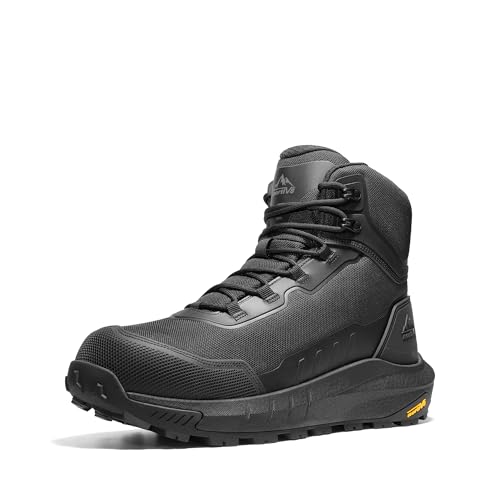
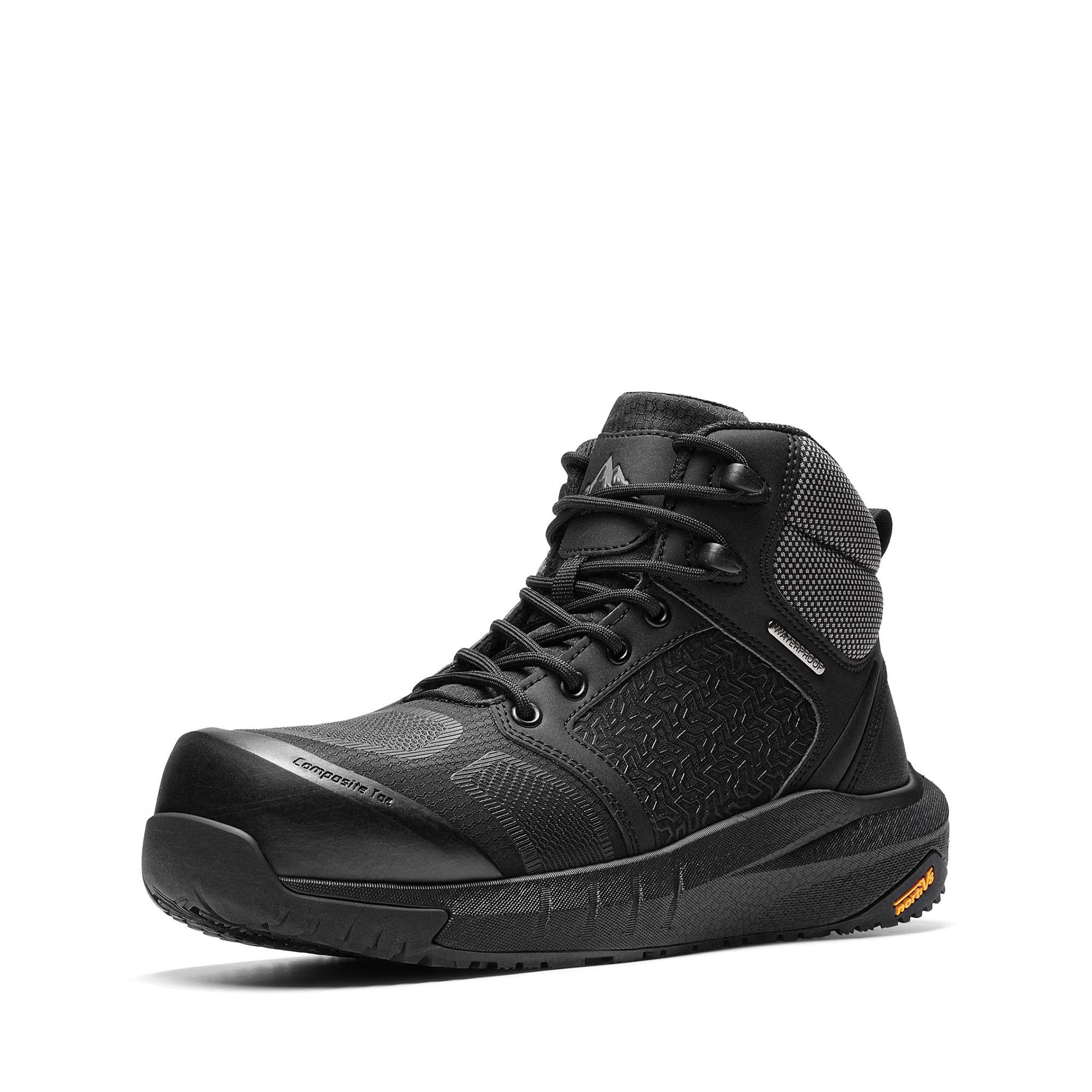

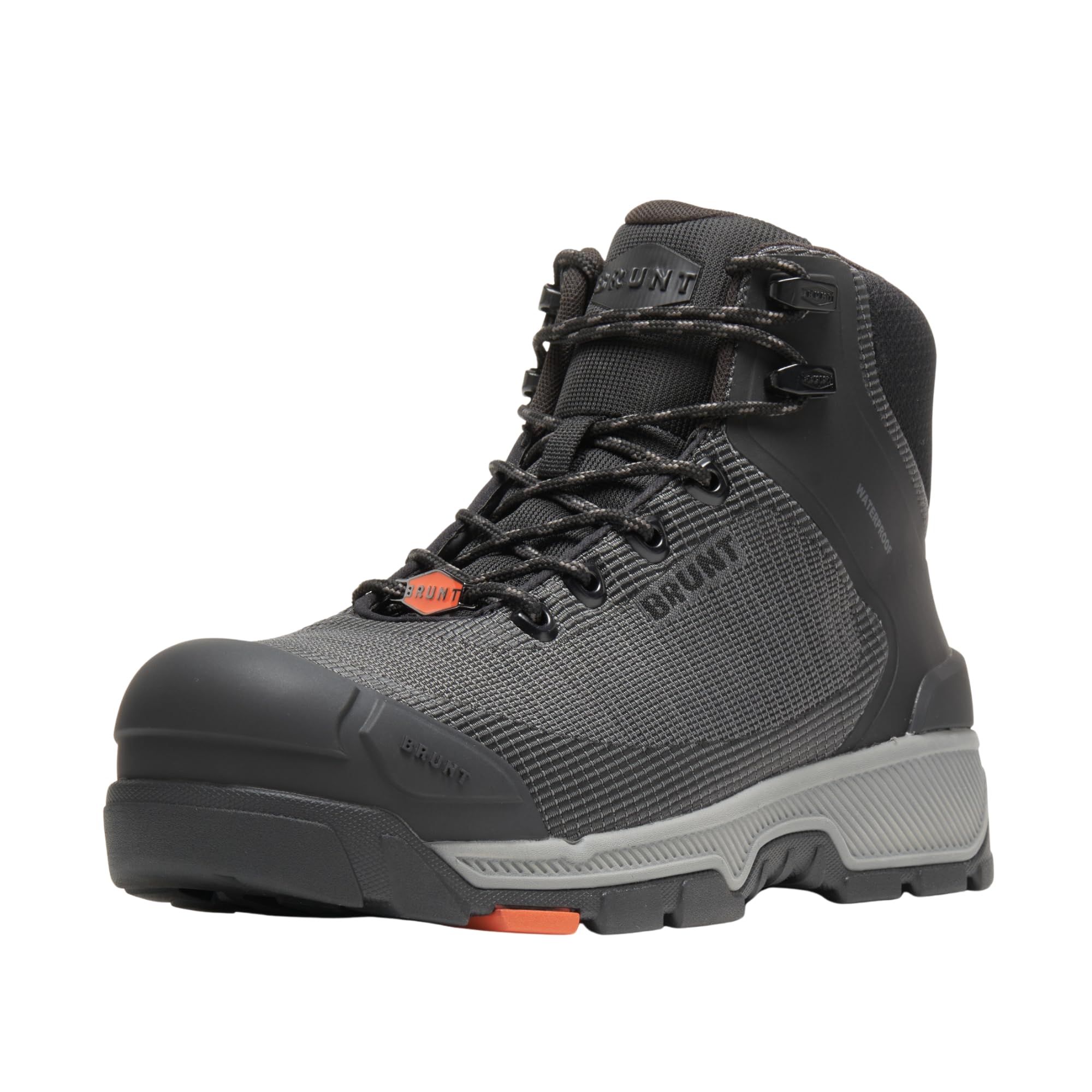


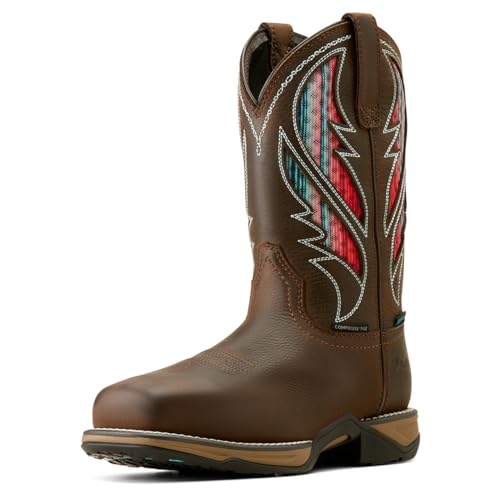


Boots 101: The Basics for First Time Warehouse Boot Buyers
A warehouse boot is a work shoe with a higher shaft that covers your ankle, a protective toe option, and an outsole built for hard, smooth floors. The upper wraps your foot, the midsole is the cushioning layer underfoot, and the outsole is the rubber that meets the floor. Shaft height and heel shape affect stability when you step onto a platform or turn with a load in your hands.
If your site rules require a safety toe or ankle coverage, start with boots and skip low shoes entirely. See our guide to the best warehouse work boots for a closer look at boot specific options.
Who Should Buy Warehouse Boots?
Your daily tasks decide which build suits you, because a picker who walks all shift needs different support from a loader who mostly stands and lifts.
Order Pickers and Packers Who Walk All Shift
You cover long distances on concrete, stop and start often, and pivot around bins and carts. Choose lighter boots with flexible soles and generous cushioning, because heavy, stiff boots will tire your legs by mid shift. If your role is mostly walking and scanning, see our guide to the best shoes for warehouse pickers to compare lower cut options for the same job.
Forklift Operators and Loaders Who Lift and Climb
You step on and off equipment, climb small ladders, and carry weight that shifts your balance. Choose a boot with a firm heel, a stable base, and a safety toe that matches your site rules, because a soft, narrow sole can feel unsteady under load.
Receiving and Dock Workers Who Move Indoors and Outdoors
You cross dock plates, wet loading areas, and sometimes gravel or rain soaked pavement outside. Choose deeper outsole tread and a water resistant upper if your dock work is often wet. Tread pattern matters more for you than a soft, flat indoor sole.
Key Features to Compare
When you shop for the best boots for warehouse use, compare the six points below in this order, starting with grip and toe protection.
Features That Matter Most for Warehouse Floors
Start with outsole grip, safety toe type, and stability, because these decide how safe the boot feels on your actual floor. A slip resistant outsole uses tread channels that push water and dust aside so rubber can contact smooth concrete. Safety toes come in steel, composite, and aluminum, and composite adds protection without metal, which suits sites with metal detectors. Check your employer handbook first, since some sites name the exact toe rating you must wear. A wide base and a firm heel counter limit sideways wobble.
Fit That Still Feels Right at the End of a Picking Shift
Measure both feet late in the day, when they are at their largest, and size to the longer foot. Your toes should have about a thumbs width of space in front, and they should spread without pressing the sides when you stand. If you are between sizes, try the larger size with your work socks, because tight boots that feel fine in the morning often pinch after hours of swelling.
Uppers That Breathe Through Warm Aisles and Dock Work
Leather uppers resist scuffs from pallets and cart wheels, and they mold gradually to your foot shape. Mesh and knit panels vent heat well and feel light, but they offer less scuff protection and can let in dust. Many warehouse boots mix both, with leather at the toe and heel and breathable panels along the sides. If your building runs warm, choose that mixed build, because trapped heat makes feet swell sooner.
Weight and Flexibility
Boot weight is usually listed per pair and often falls around two to four pounds, depending on toe type and shaft height. A lighter boot reduces leg fatigue for walkers, while a heavier boot often brings a thicker outsole and more ankle structure for loaders. Flexibility matters at the forefoot, where the boot bends as you push off. It should bend at the ball of the foot, not fold under your arch.
Arch Support and Foot Type
The midsole and insole support your arch, the curved middle part of your foot that carries load as you stand. Flat feet often roll inward, a motion called overpronation, and they usually feel better with firmer support and a stable heel. High arches absorb less impact on concrete, so they often need more cushioning under the heel and forefoot. Heel to toe drop, the height difference between heel and forefoot, changes how pressure moves as you walk; a moderate drop suits most workers. If you have ongoing foot pain or numbness, talk with your clinician about personal needs before choosing a support level.
Waterproofing, Gore Tex, and Other Membranes
A waterproof membrane is a thin layer inside the boot that blocks outside water while letting some sweat vapor escape. Gore Tex is one well known membrane, and many brands use similar versions. Choose waterproof boots if you work wet docks, cold rooms with melt water, or outdoor yards. Skip them for dry indoor shifts if you run warm, because the membrane vents less freely than plain mesh and can feel hot in a building without cooling.
Getting Started: First Wear and Fit Checks at Home
Wear new boots at home first, with your thickest work socks, for short periods across two or three evenings. Walk on hard floors, climb stairs, and squat to check that the toe cap does not press down when the boot bends. Then wear the boots for a half shift before trusting them for your longest day.
Common Mistakes to Avoid
- Buying your regular sneaker size without measuring, so swollen feet end the shift pressed against the toe cap.
- Choosing a safety toe your employer has not approved, so the boots cannot be worn on site at all.
- Picking a smooth fashion style outsole for polished concrete, so dust and spills turn every turn into a slide risk.
- Wearing brand new boots for the longest shift of the week, so stiff leather rubs blisters before it softens.
- Ignoring width options and squeezing into a standard width, so numb toes appear long before the shift ends.
Care and Maintenance for Warehouse Boots
Brush off dust after each shift, and wipe leather with a damp cloth when dock grime builds up. Stuff damp boots with newspaper and air dry them away from direct heat, because heaters can crack leather and weaken glue lines.
Check the outsole every few weeks for smooth worn patches and cracks near the toe bend. Replace insoles when they stay flat after a night of rest, and replace frayed laces, since a snapped lace mid shift leaves the boot loose. Workers on sealed floors can also see our guide to the best shoes for concrete warehouse for more cushioning ideas.
Warehouse Boots: Your Questions Answered
What features matter most in boots for warehouse picking work?
For picking work, light weight and flexible cushioning matter most, because you repeat thousands of steps and turns each shift. A new point to check is the toe bumper, a reinforced strip over the front of the upper. It protects the boot when you nudge cartons and low shelving with your foot.
How often should warehouse work boots be replaced?
Warehouse work boots should be replaced when grip, cushioning, or support fades, which often happens after about six to twelve months of full time use. Watch for a midsole that leans to one side on a flat surface, because that lean shows the foam has compressed unevenly.
Do warehouse workers need waterproof boots for indoor shifts?
No, most indoor only warehouse workers do not need waterproof boots. Dry concrete, warm air, and long walking distances usually favor breathable uppers instead. The exception is a building with frequent washdowns or cold storage doors that drip condensation all shift, where a membrane keeps socks dry.
How should warehouse boots fit at the end of a shift?
Warehouse boots should still fit at the end of a shift with toe room left and no hot spots on your heels or the tops of your toes. That end of day check is the truest fit test, because it reflects real swelling and heat. If redness appears in the same spot after two trial days at home, the last shape is wrong for your foot, and a width change helps more than a longer size.
How long is the break in period for warehouse boots?
The break in period for warehouse boots is usually about one to two weeks of gradual wear. Leather shafts and heel counters soften in stages during that time. A useful sign is laces staying at the tension you set in the morning; when you stop retightening them at lunch, the upper has largely settled. Severe pinching that worsens after a week is a fit problem, not a stage to push through.
The Bottom Line
For a first pair, put fit first, then grip and safety toe compliance, then cushioning that matches your walking distance. Walkers should favor lighter, flexible builds, and loaders should favor stability. When you compare the best boots for warehouse options with those points in mind, use the product table above to check sizes, widths, and toe types before you buy. Readers who walk the most may also see our guide to the best shoes for warehouse walking for lower cut alternatives.


