
Best Boots for Tree Work: Budget, Midrange, and Premium Bands in 2026
Disclosure: We may earn a commission when you buy through links on this page, at no extra cost to you. As an Amazon Associate I earn from qualifying purchases. Learn more
Compare the best boots for tree work at every price point. Learn what you get at budget, midrange, and premium levels and where spending more pays off.
Tree work boots range from ground crew pairs at the low end to specialised climbing builds that cost several times more, and the price gap confuses buyers who assume more money means a tougher boot. It does not: extra money buys a different class of build for a different job. This guide sorts best boots for tree work into budget bands, so you can pay for the features your role uses instead of funding another role.
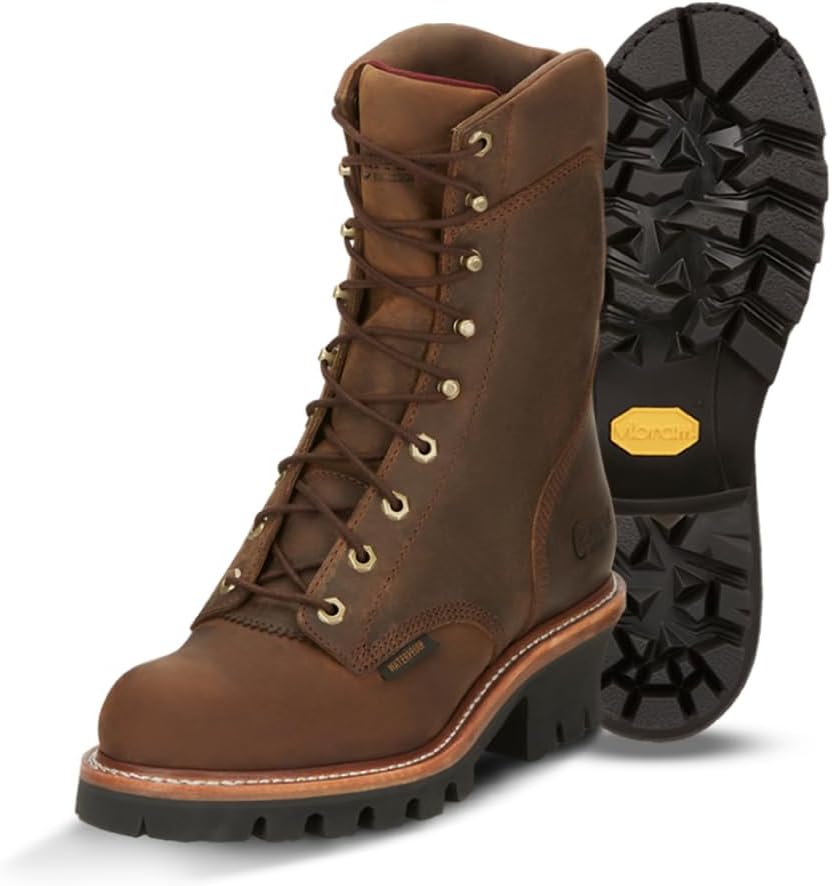
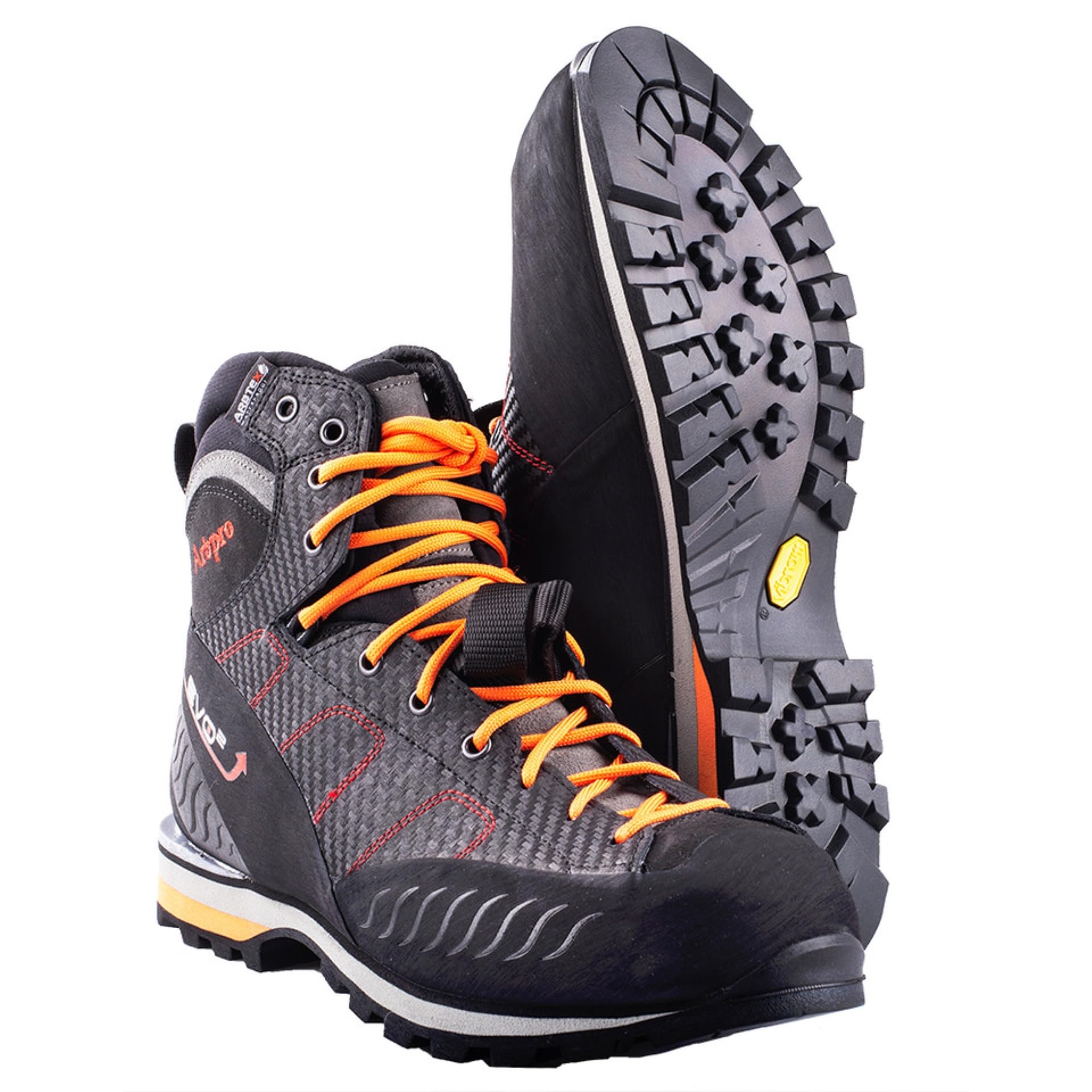
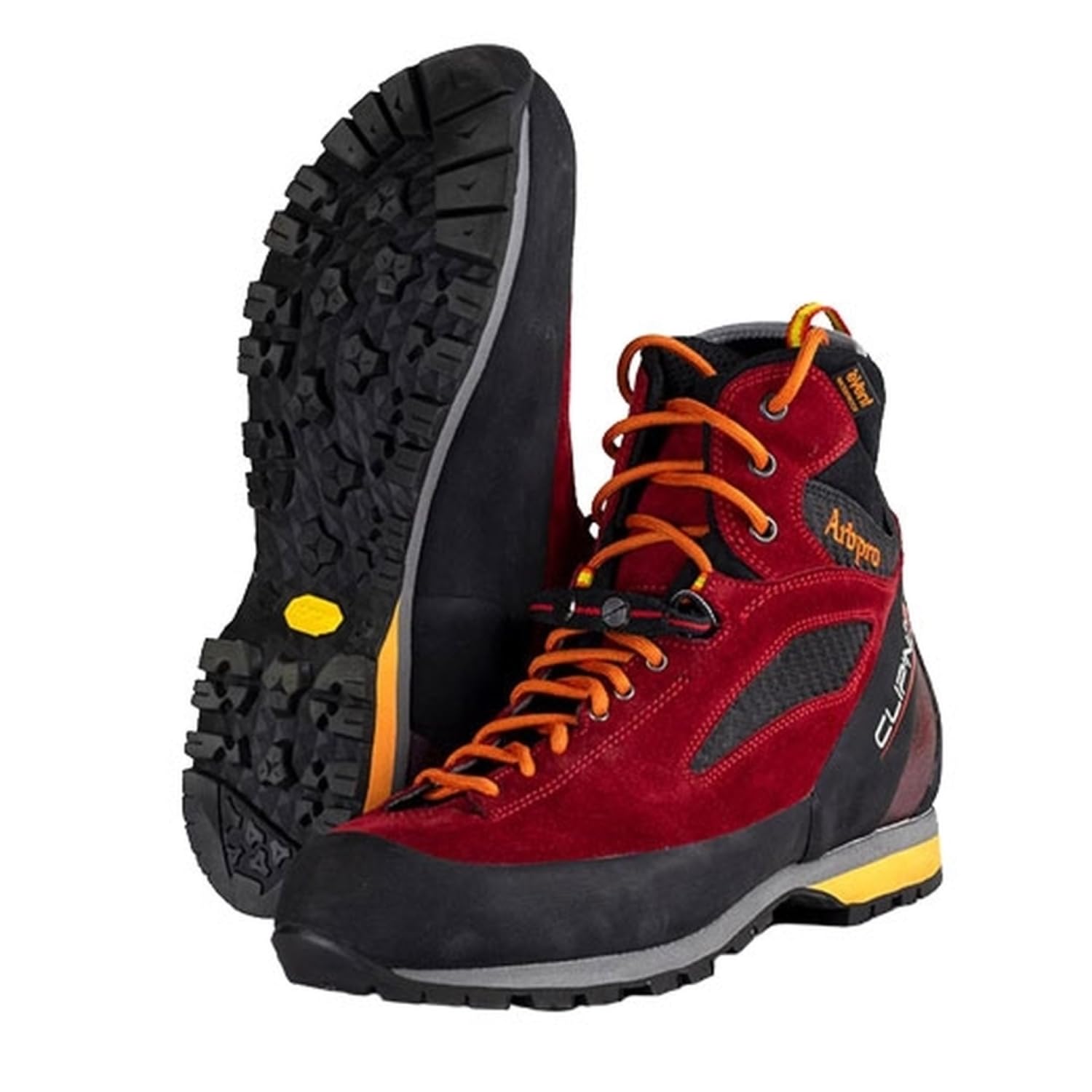
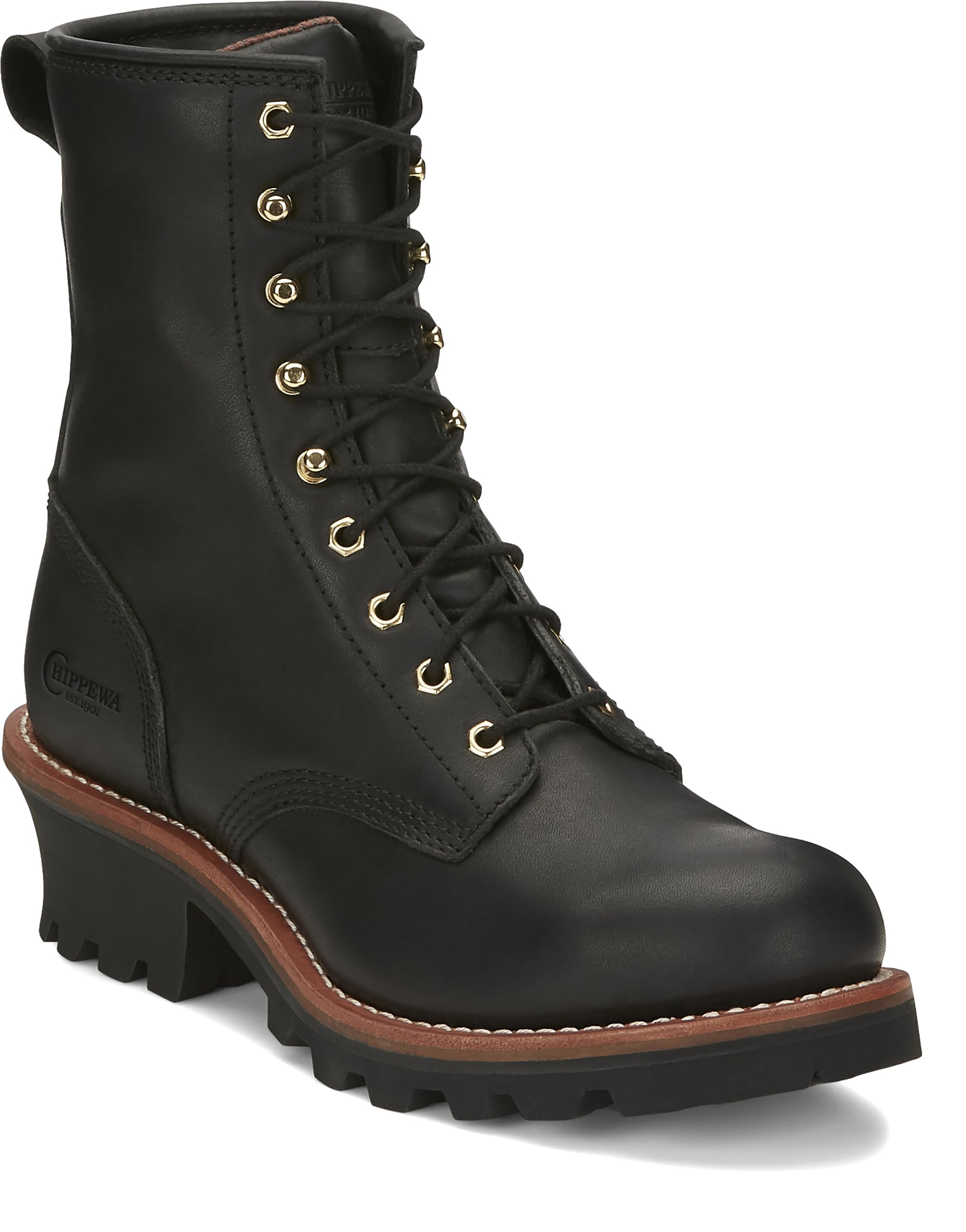
Tree work splits into two purchases. The climbing class works in the canopy, where the heel and shank classes carry the job: a defined heel catches the spur strap, and a stiff shank supports your weight standing in spikes. The ground class reads support and grip instead, dragging brush, feeding the chipper, and walking uneven ground all day. The comparison table below lists current pairs across the bands; match your class first, then compare prices inside it.
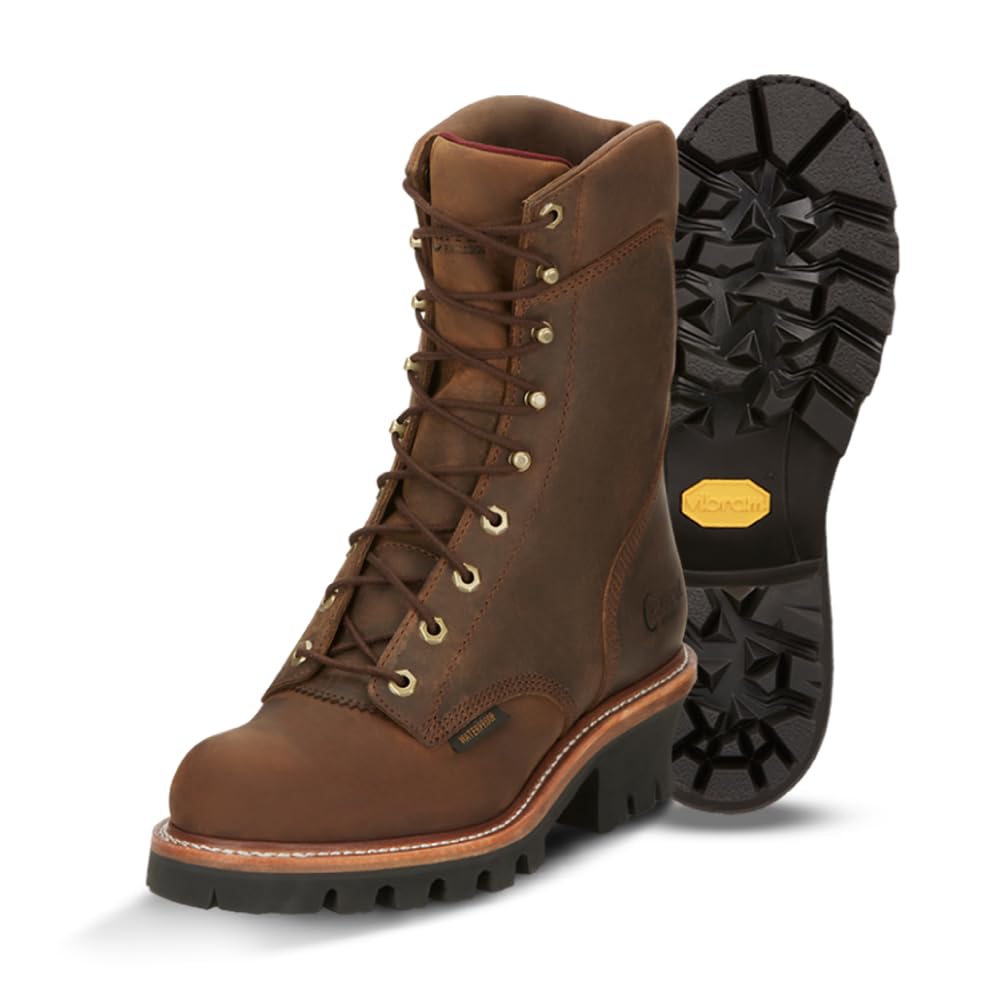
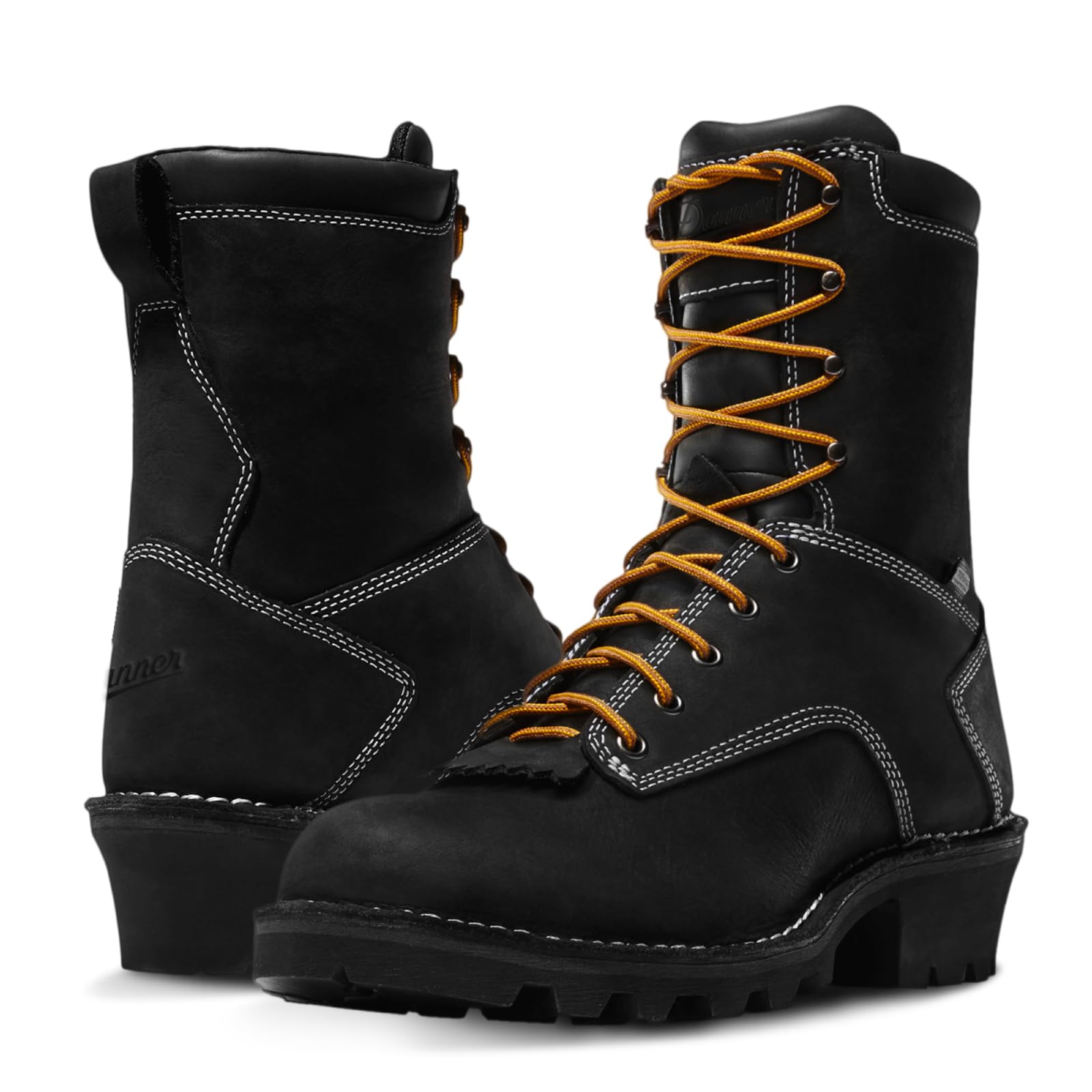
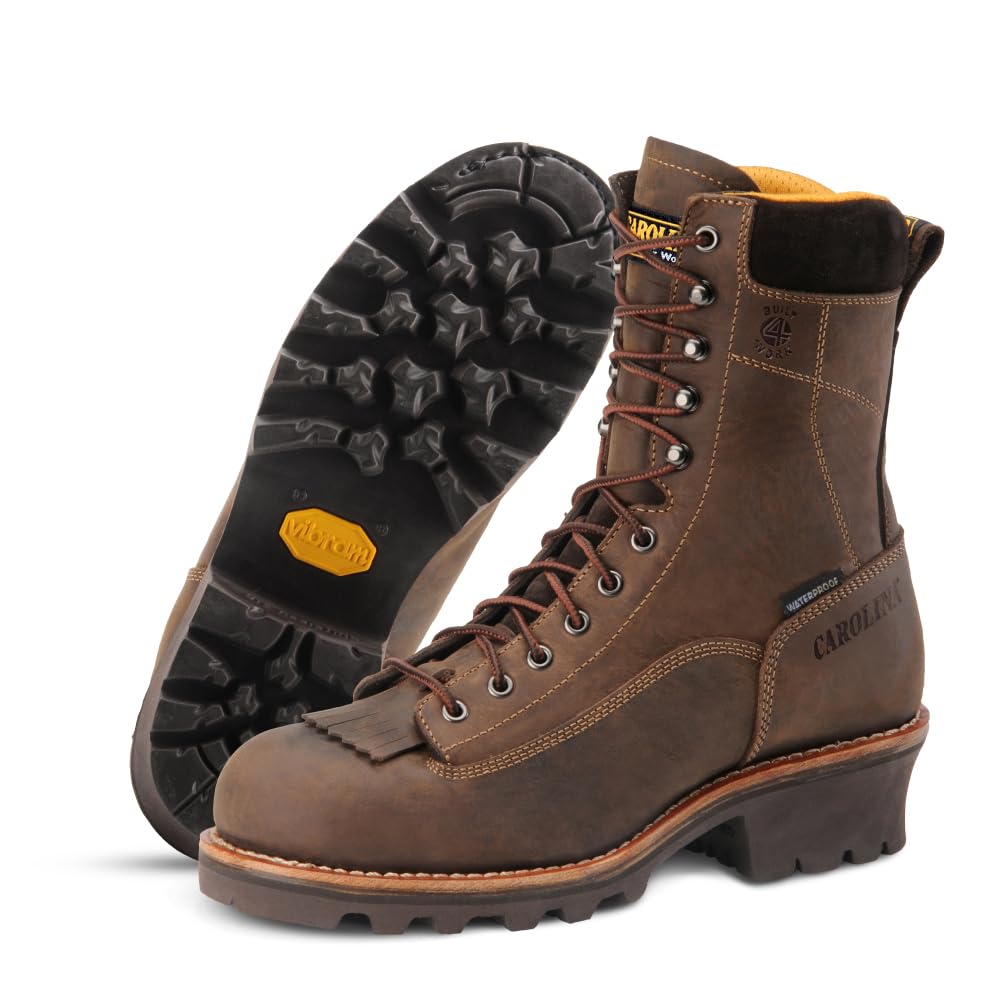


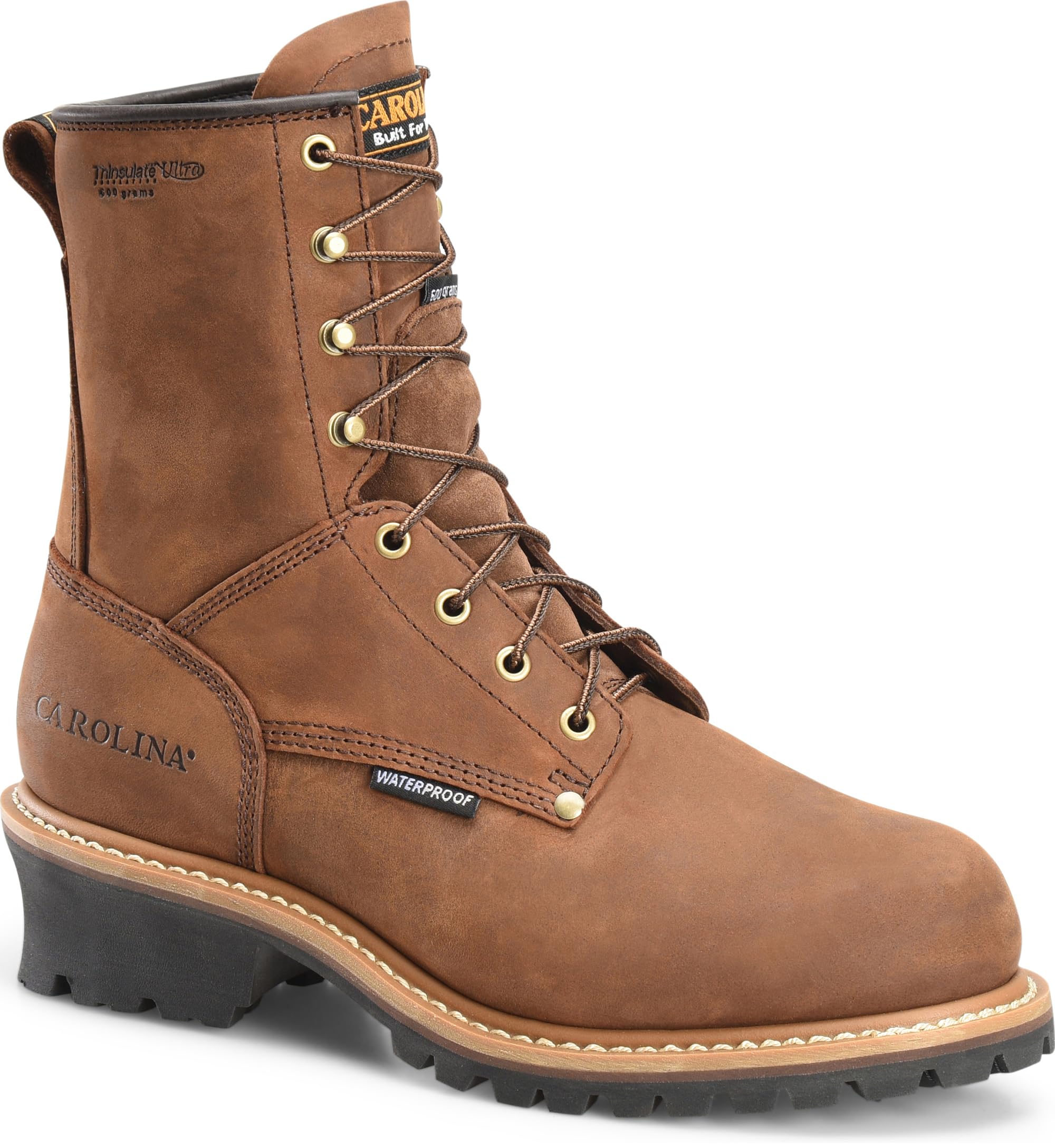
Budget Bands for Climbers and Ground Crews
Budget Band: Ground Work Basics
Budget pairs, about $100 to $160, are built like leather work boots: a safety toe in steel or composite, a low or nearly flat heel, and a grippy sole for wet grass and sawdust. That build serves ground crews, firewood work, and trainees well, where the daily hazards are dropped logs, rolling brush, and slippery ground. Climbers should not buy in this band for canopy work, since a flat heel gives a spur strap nothing to hold and a soft shank tires the calf within the hour.
Midrange Band: The Working Middle
Midrange pairs, about $160 to $250, add thicker leather, waterproof linings, stiffer shanks, and a properly defined heel that suits occasional climbing days. Most full time ground workers and part time climbers land here, because the boot covers both roles without punishing either. General guides to best work boots cover a wider trade audience, but tree work adds the two things general trades rarely need: spur friendly heels and shafts tall enough to protect the shin from bark and brush.
Premium Band: Climbing Builds and Long Service
Premium pairs, about $250 to $400, are built around the canopy: tall shafts, pronounced heels, stiff full length shanks, and leather a cobbler can resole when the tread wears down. Some climbing specific builds also trim weight, because every ounce hangs off the leg at height. The maths only works for people who climb weekly; spread across seasons of daily use, the cost per season undercuts two midrange pairs worn out in the same span.
What Your Money Gets You at Each Price Tier
Rising price buys better leather, a stiffer platform, and construction that survives repair instead of landfill.
Leather, Linings, and Waterproofing
Budget pairs use thinner leather that scuffs and soaks quickly, and most skip a waterproof lining. Midrange pairs thicken the leather and add a membrane, which keeps feet dry in wet brush and morning dew. Premium pairs use the thickest hides and better sealed seams, so the boot shrugs off the daily soaking that rots cheaper stitching, and the lining stays intact instead of peeling.
Shanks, Soles, and Hardware
The shank is the hidden upgrade. Budget boots use flexible or partial shanks that feel fine on the ground but bend under spike pressure. Midrange pairs stiffen the midsole enough for short climbs, while premium builds run a rigid full length shank that spreads your weight along the spike. Soles follow: deeper lugs, harder wearing rubber, and metal eyelets that outlast fabric loops.
Build Quality and Resoling
Construction decides the second life of the boot. Cemented soles are cheaper and cannot be replaced once worn smooth, which makes a budget boot a single season purchase for heavy users. Welted premium builds can be resoled about once or twice, so the expensive pair becomes the cheaper pair across three or four seasons. Stitching density, heel attachment, and leather finish all improve with price, and each shows up as months of extra service.
Features Worth Paying For (and Ones to Skip)
Features That Matter for Tree Work
Three features separate a tree work boot from a general work boot: a defined heel that holds a spur strap, a stiff shank for standing in climbing spikes, and a tall shaft that shields the shin. Chainsaw protection is read from the safety class wording on the boot, not from marketing: some boot classes carry cut resistant material rated against chain speed, but no boot class is saw proof, and a rated boot never replaces safe cutting habits. Treat spikes, ropes, and saws as separate gear budgets; the boot only supports them.
Toe Protection and Safety Ratings
Where an employer class or a contract rates a toe class, the certified class decides, and the boot must carry that rating before it enters the site. Steel toes handle the highest impact and compression loads, while composite toes cut weight and stay warmer in winter. Read the rating honestly: a rating rates a hazard class, meaning the toe cap is tested against set impact and compression levels, and it never promises an uninjured foot. Buy the class your work requires, then judge the rest of the boot on fit.
Outsole Traction and Terrain
Ground work happens on wet bark, mud, sawdust, and sloped ground, so lug depth and spacing matter more than looks. Deep, widely spaced lugs shed mud instead of packing smooth, and a firm heel breast gives the boot a braking edge on descents and a seat for the spur strap when climbing. Very soft, sticky rubber grips bark well but wears fast on gravel and pavement, so ground crews who cross hard surfaces daily should favour a harder compound that trades a little grip for longer life.
Fit, Sizing, and Toe Box
Measure your feet late in the day, in the thick socks you work in, because feet swell under load and heat. The toe box needs room for toes to spread while the heel stays locked; a heel that lifts on the ground will hammer your shins on spikes. Most tree work boots follow men's sizing runs, and the guide to best men's work boots covers the wider fit questions behind those runs. Cushion tuning is a component class of its own: best inserts for work boots are replacement parts that adjust a boot, not a substitute for the right size.
Break In Period and Comfort Out of the Box
Stiff climbing builds need a ground based break in before they earn trust at height. Wear a new pair for site cleanup and brush work for about one to two weeks, so hot spots show up while a change of socks can still fix them. Budget boots feel easy within days, but that softness is the same flexibility that tires a climber. Judge comfort after a full working day, not after a walk around the shop.
Long Term Costs to Factor In
The boot is only part of the spend. Proofing products for leather run about $10 to $25 a year, replacement laces a few dollars, and a resole on a welted premium pair about $80 to $140 once the tread wears smooth. Climbing spikes are a separate purchase class, and rotating two pairs across the week extends the life of both.
FAQs
What features matter most in boots for tree work?
Your work class matters most: climbers need a defined heel, a stiff shank, and a tall shaft, while ground crews need grip, support, and a rated toe. One check many buyers skip is the employer's written spec, because contracts and insurers can name required safety classes for toes and chainsaw protection. Match the spec sheet first, then compare fit and price among the boots that meet it, rather than buying a favourite pair and hoping.
How should tree work boots fit?
Tree work boots should lock the heel, leave thumb width in front of the toes, and hold the midfoot without squeezing it. Test the fit by standing on a step edge with your weight on the ball of one foot, which mimics standing in spikes better than flat floor walking. If the heel slips or the arch aches during that short test, the boot will hurt far more after an hour in the canopy, so change size or class before buying.
Do tree work boots need to be waterproof?
Most tree work boots benefit from a waterproof lining, because crews work through wet brush, dew, and rain rather than around them. There is one cost to weigh: soaked leather gains real weight, and extra weight on the foot is the last thing a climber wants at height. Ground crews usually gain more from the membrane than they lose, while climbers who work in fair weather may prefer a lighter unlined build.
How often should tree work boots be replaced?
Replace them when the structure goes, not when the leather merely looks tired. Ground crew boots often last about one to two heavy seasons, while premium climbing builds can run several seasons with one resole. The warning signs are a shank that flexes where it used to stay rigid, a heel worn unevenly enough to change your stance, and lugs worn smooth on the braking edge. Any of those signs ends the boot's safe service, whatever the upper still looks like.
Are expensive tree work boots worth it?
For weekly climbers, yes, because the cost spreads across seasons and the stiff platform protects the feet every day. Run the cost per season instead of the sticker price: a premium pair resoled once can undercut two midrange pairs across the same years. For occasional ground work, the maths reverses, and a midrange pair delivers nearly all the protection at half the spend. The deciding factor is hours in the boot each week, not the size of the tree.
Final Thoughts
Start with your class, because climbing and ground work are different purchases wearing the same name. Climbers should fund the heel, shank, and shaft first; ground crews should fund grip, toe rating, and support. Then confirm the certified classes your employer requires, break the pair in on the ground, and revisit the product table above to compare the shortlist. Chosen that way, the best boots for tree work for your crew is the pair whose band matches your hours, not the pair with the highest price.


