
Best Boots for Trail Work 2026: What Your Money Really Gets You at Every Price
Disclosure: We may earn a commission when you buy through links on this page, at no extra cost to you. As an Amazon Associate I earn from qualifying purchases. Learn more

Compare the best boots for trail work at every price point. Learn what you get at budget, midrange, and premium levels and where spending more pays off.
Trail work asks more of a boot than a casual hike does. You stand on slopes, carry tools, and stay out in mud and rain for a full shift. The best boots for trail work protect your feet through all of that, yet prices range from under $100 to well over $250, and the difference is not always obvious from a photo.
This guide explains where that money goes, tier by tier, and which features deserve your budget first. If you are comparing the best trail work boots for a coming season, start with fit and grip, then use the comparison table below.
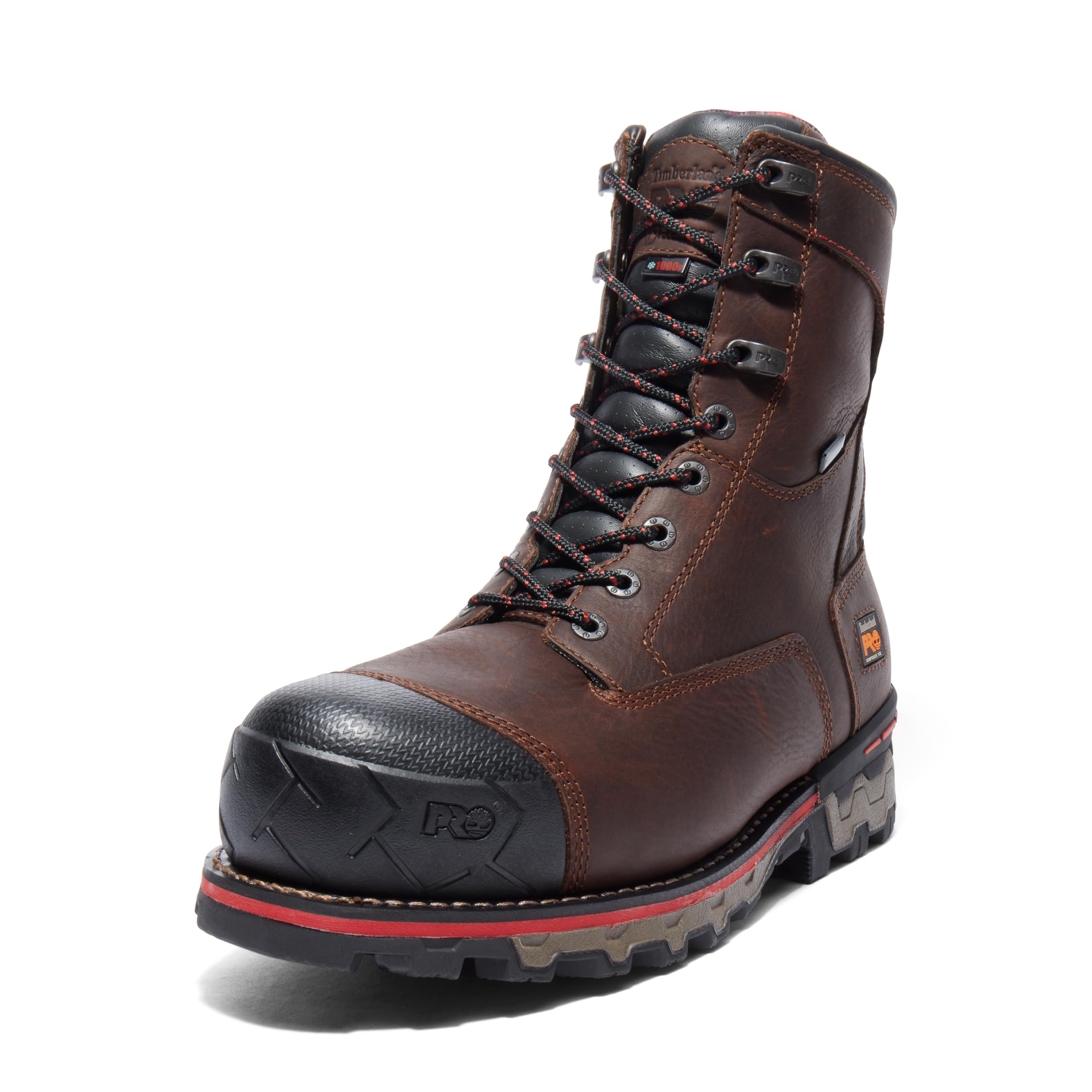
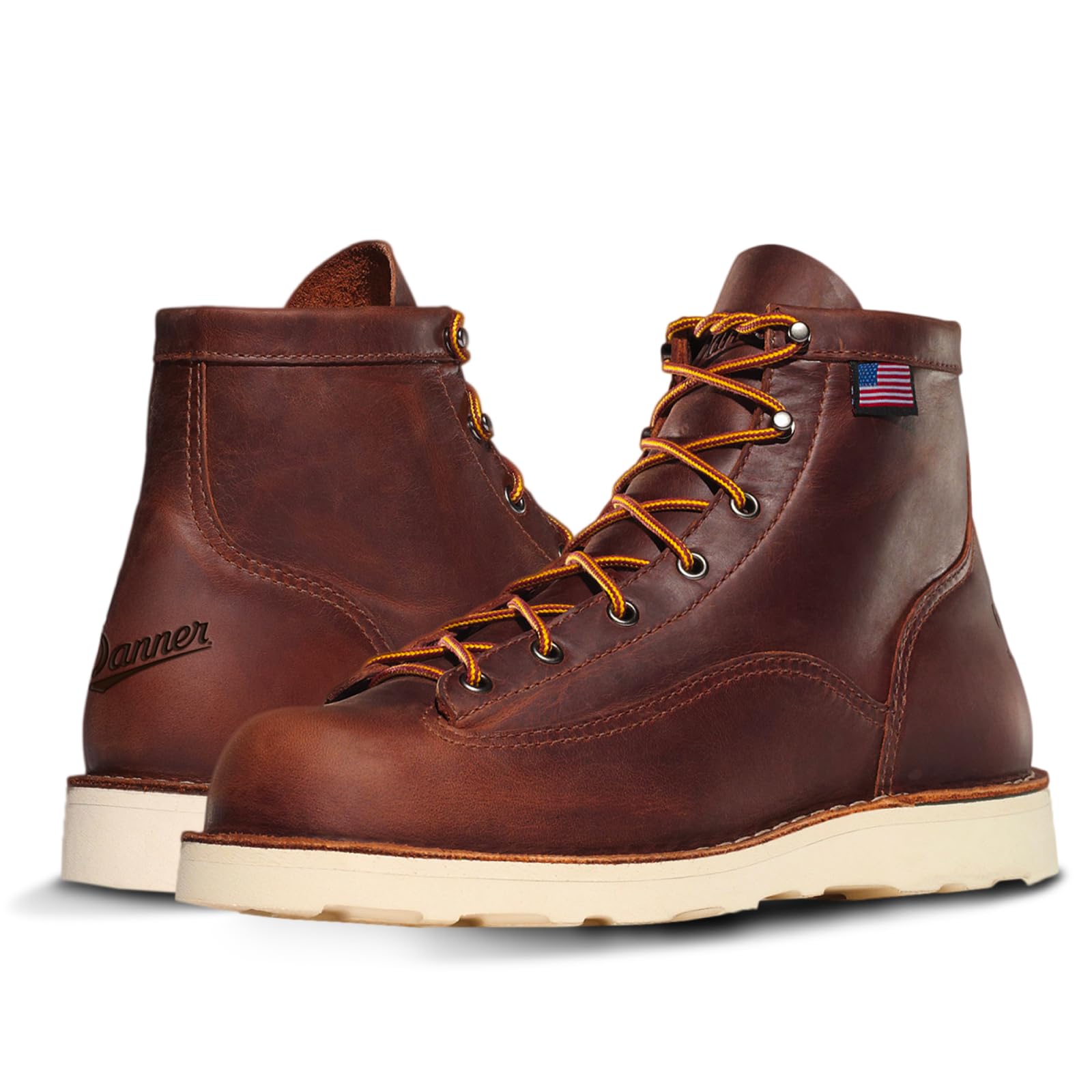


Who Should Buy Which Type of Trail Work Boot?
Trail Crew Members Who Work Full Shifts Outdoors
You clear brush, move stone, and rebuild tread five days a week, so durability and ankle stability matter more than a low price. Look for a mid or high cut boot with a firm midsole and a reinforced upper. A mid or premium tier pair usually serves you best, and our guide to the best work boots shows how general work designs compare.
Land Managers and Rangers Covering Long Distances
Your day mixes patrol walks, site checks, and light clearing, often covering many miles. A lighter boot with moderate cushioning keeps your legs fresher across that distance. Breathable uppers suit dry regions, while a waterproof membrane fits wet forests. Prioritize a secure heel fit on descents.
Seasonal Workers and Volunteers on a Tight Budget
If you work one season or a few weekends a month, a budget boot with honest grip and a roomy toe box can be a sensible start. You give up some durability, but you gain a low entry cost while you learn your preferences. Many in this group also browse the best men's work boots for wider size ranges.
Key Features to Compare
Outsole Grip and Lug Pattern for Loose and Wet Ground
The outsole is your contact with mud, wet roots, and slick rock, so its pattern decides how confidently you can stand while you work. Look for deep, widely spaced lugs of about 4 to 6 mm that shed mud instead of packing smooth, plus a defined heel breast for braking on descents. Softer rubber grips wet stone better but wears faster, while harder rubber lasts longer with less bite.
Ankle Support, Stability, and Shaft Height
A higher shaft and a firm heel counter help keep your ankle steady when a foothold shifts under a load. Stability also comes from a stiff shank, which limits twisting on uneven tread. Crews on side slopes benefit most from mid or high cut designs, while low cut boots feel freer on maintained paths. Support is about giving the boot enough structure that small slips stay small.
Fit, Sizing, and Toe Box Room for Long Days
Measure both feet late in the day, when they are at their largest, and shop with the socks you plan to wear on shift. You want a thumb width of space in front of your longest toe, a heel that lifts very little, and a toe box wide enough for your toes to spread on a slope. Feet swell during long workdays, so a morning snug fit can pinch by afternoon. If you fall between sizes, choose the larger size with a thicker sock.
Waterproofing, Gore Tex Membranes, and Breathability
A waterproof membrane such as Gore Tex keeps rain and puddles out, which matters during wet season work. The trade off is airflow, because that same membrane slows the escape of sweat on hot climbs. In dry, warm regions a breathable mesh or suede upper often feels better across a shift. Treat waterproofing as a climate decision rather than an automatic upgrade.
Arch Support, Cushioning, and Heel to Toe Drop
Arch support should match your foot shape, with flat feet needing firmer structure and high arches needing more cushioning. A heel to toe drop of about 8 to 12 mm suits most work boots and keeps your calves in a familiar position on slopes. Neutral shoes and neutral boot lasts fit average arches well, while strong pronation control can feel intrusive if you do not need it. If standard insoles leave you sore, see our guide to the best inserts for work boots, which explains aftermarket options.
Upper Durability, Weight, and Debris Protection
Full grain leather resists abrasion from rock and brush and can last several seasons, while synthetic uppers weigh less and dry faster. A rubber toe cap protects the spot that strikes roots and stone most often. Weight matters across a long shift, but the lightest option rarely survives daily crew work. Check that the collar keeps grit and sawdust out, because debris inside the boot causes blisters fast.
What Each Price Tier Buys in Trail Durability
Price tiers here are really about materials and service life. As you compare the best boots for trail work across stores, remember long term costs too, including replacement insoles and spare laces, since a cheap boot replaced twice can cost more than one durable pair.
Budget Tier: Simple Builds for Occasional Trail Days
Boots at about $70 to $120 usually pair a basic synthetic or split leather upper with a molded outsole and modest cushioning. Grip is adequate on dry trails, and break in is quick because the materials are soft. Expect wear within a season of regular use. This tier fits volunteers and light duty workers who need protection now and can upgrade later.
Mid Tier: Stronger Materials for Daily Crew Use
At about $120 to $200 you typically get a better rubber compound, a stiffer shank, improved waterproof membranes, and uppers that hold their shape through a full season. Cushioning lasts longer and hardware feels sturdier. For most paid trail workers this tier delivers the strongest value, because you gain real durability without paying for premium leathers.
Premium Tier: Refined Fit and Long Service Life
Boots at about $200 to $300 earn their price through full grain leather, advanced membranes, and lasts shaped for all day comfort. You also get better ankle structure and denser foams. This tier pays off when you work outdoors year round or have a hard to fit foot, because a precise fit prevents blisters.
Common Mistakes to Avoid
- Buying by your street shoe size without measuring, which leaves toes striking the front of the boot on descents.
- Choosing a low cut boot for steep crew work, which leaves your ankles exposed to rolls and debris.
- Paying extra for waterproofing in a hot, dry climate, which traps sweat and raises blister risk.
- Ignoring outsole lug depth, which makes mud and wet roots far more slippery than they need to be.
- Wearing thin everyday socks on shift, which removes cushioning and lets the heel slip inside the boot.
- Spending the whole budget on the boots alone, which leaves nothing for proper socks, insoles, or care products.
Care and Maintenance for Trail Work Boots
Brush off mud after each shift and let boots dry at room temperature away from direct heat, since hot air cracks leather. Remove the insoles while drying so moisture escapes, and loosen the laces fully. Clean leather with mild soap when dirt builds up, then apply conditioner once the surface feels dry and stiff.
Refresh water repellent treatments when rain stops beading, and inspect the outsole monthly for lugs worn smooth. Check stitching and the junction between upper and sole for early separation, because small repairs are far cheaper than replacement. Store boots upright in a dry place. Readers who also hike recreational trails may enjoy our guide to the best trail hiking boots for lighter weekend options.
FAQ
What features matter most in boots for trail work on rough ground?
Grip, ankle stability, and a protective toe area matter most on rough ground. Deep lugs keep you planted while you swing tools or carry stone, and a firm shank limits twisting on uneven tread. Many buyers miss the heel breast, the stepped rear edge of the outsole, which does much of the braking on loose descents.
How long is the break in period for trail work boots?
Most trail work boots feel work ready after about 10 to 20 hours of gradual wear. Start with short walks and half shifts, then add load and steeper ground over one to two weeks. Stiff leather models sit at the long end of that range, while soft synthetic models settle quickly. Wear new boots for household chores first, which flexes the forefoot without risking a blister far from home.
Do I need waterproof boots for trail work in dry climates?
No, you do not need waterproof boots for trail work if your sites stay dry most of the season. A breathable upper will usually keep your feet cooler and drier from sweat during long, hot shifts. Keep waterproof socks in your kit for the occasional wet week instead, since they add protection only on days with standing water or soaked brush.
Can I wear trail work boots comfortably for a full work shift?
Yes, you can wear trail work boots for a full shift when the fit, socks, and lacing are right. Use a heel lock lacing pattern through the top hooks to stop forward slide, and plan a midday sock change on hot days. Many crew members find the best trail work boots for long shifts are midweight models, because very light boots can leave your soles tired by late afternoon.
How often should I replace boots used for trail work?
Replace boots used for trail work when the lugs are worn smooth, the midsole feels flat and harsh, or the upper splits at the flex point. For daily crew use that often means every one to two seasons, while occasional volunteers may get several years. Track your hours rather than the calendar, since a boot worn forty hours a week ages far faster than one worn on weekends.
Final Thoughts
Start with grip, fit, and the right shaft height for your terrain, then let your budget decide how much durability you add. A mid tier boot that fits well will serve you better than a premium boot that pinches. Before you order your best boots for trail work, look back at the product table above and compare each tier against the days you actually spend on the trail.


