
Best Boots for Tile Setters in 2026: Which One Fits the Way You Use It?
Disclosure: We may earn a commission when you buy through links on this page, at no extra cost to you. As an Amazon Associate I earn from qualifying purchases. Learn more

Discover the best boots for tile setters for your needs. We match features to real use cases so you avoid overpaying and get the right fit the first time.
Tile work keeps you on your knees, on wet floors and on hard subfloors, often in the same hour. The best boots for tile setters are not the tallest or the toughest pair in the store. They are the pair that matches how you spend your day, and the comparison table below helps you check that match.
A setter who lays small bathroom floors faces standing water, mortar splashes and tight corners. A setter on a large retail floor walks far, carries heavy boxes and kneels less often. This guide sorts those needs first, then covers grip, cushioning, fit and care.


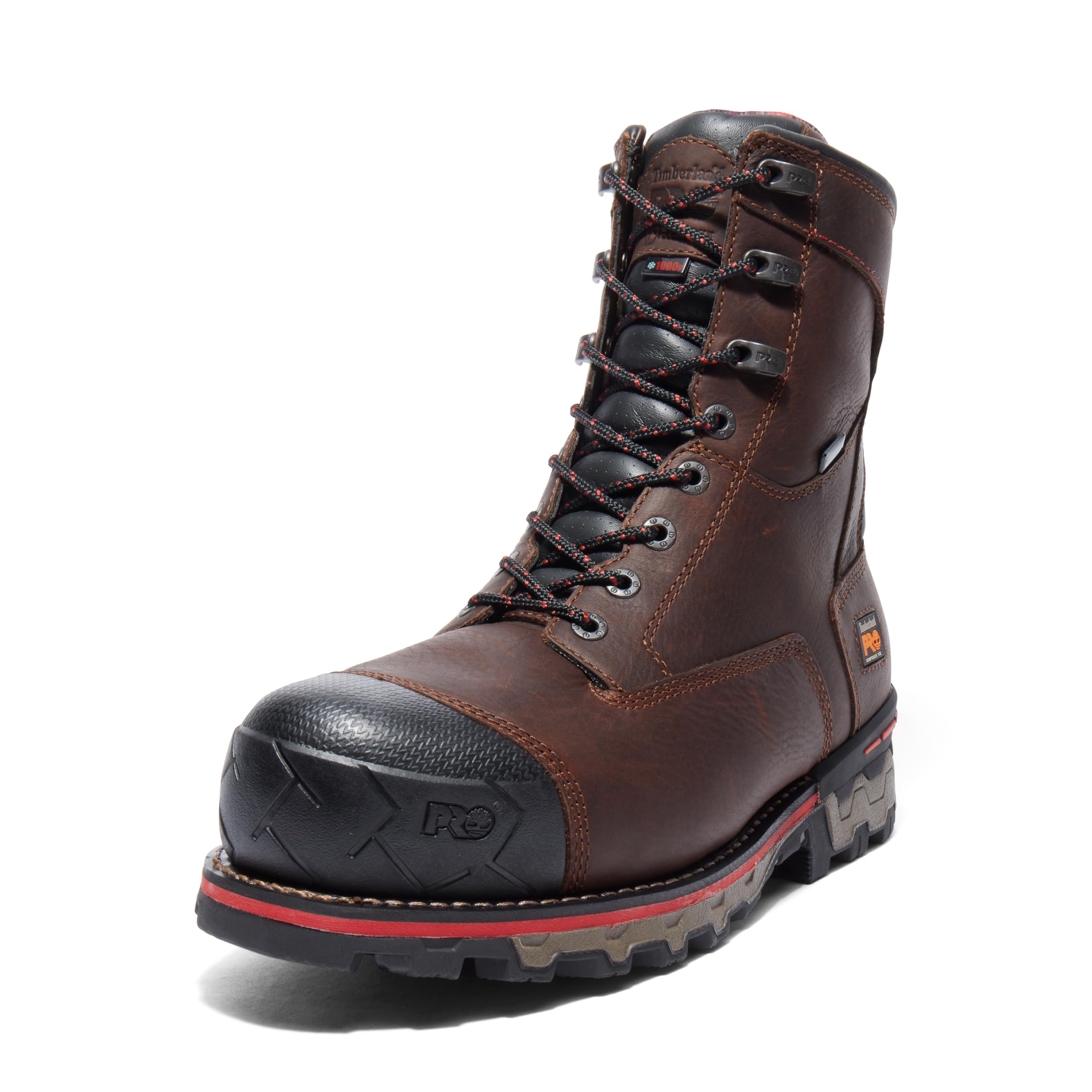
Who Should Buy Which Boots for Tile Work?
Start with the job you repeat most weeks, because that pattern decides height, toe protection and how much waterproofing you truly need.
Installers Who Kneel Through Most of the Day
You spend hours with your toes bent and your weight forward while you set, level and grout. Choose a flexible forefoot, a roomy toe box and padding that does not feel bulky when the boot folds. A lower heel to toe drop keeps your stance level on the floor. Soft toe boots often suit this work well, because you kneel more than you drop heavy pieces.
Setters Who Mix Mortar and Work in Wet Rooms
You move between dry subfloors, wet saw spray and fresh thinset, so your boots get soaked and coated during a normal shift. Choose waterproof leather or a waterproof membrane, sealed seams and an upper you can rinse clean at the end of the day. Taller shafts keep splashes and grit out. Grip matters most for you, because wet tile and slurry turn smooth soles into a real hazard.
Setters Who Cover Large Floors and Carry Heavy Loads
You walk long distances, haul tile boxes and stand during layout and cutting, so fatigue builds in your feet and legs by afternoon. Choose light boots with firm arch support and a stable base that does not roll on uneven subfloors. A protective toe earns its keep when boxes shift.
Key Features to Compare
Compare the factors below in this order. A boot that fails on grip or fit will not become right through price alone.
Outsole Grip on Wet Tile and Dusty Subfloors
The outsole is your contact with floors that swing between dusty, wet and coated with slurry. Look for soft rubber with many small edges and wide channels that clear water and grit as you step. A mostly flat contact area feels steady when you stand to cut or level, while deep lugs can feel wobbly on smooth tile. Tread pattern and rubber softness decide most of your real grip on site.
Underfoot Padding for Hours Spent Kneeling on Hard Floors
Hard subfloors send every step back into your feet, so cushioning needs to absorb shock without feeling soft or unstable. A firm midsole with a cushioned insole suits most setters, and strong arch support matters if your arches ache by midday. Heel to toe drop on work boots often sits around 8 to 12 mm, and a lower drop can feel more level when you kneel and stand often. Support that feels snug in the morning may pinch by evening as feet swell.
Water Resistance, Breathability and Thinset Splashes
Thinset, grout and wet saw spray test a boot from the outside, while sweat tests it from the inside. Waterproof membranes such as Gore Tex block outside water and still let some vapor escape, though they breathe less than plain mesh or unlined leather. In hot indoor work, a breathable upper with water resistant leather may feel better if splashes stay small. Choose full waterproofing for shower builds and wet rooms, where your feet stand near water for hours.
Fit, Sizing and Toe Box Room for Kneeling
Fit your boots late in the day, when your feet are at their largest, and wear the socks you use on site. Your toes need room to spread and to bend without jamming when you kneel, so look for a toe box that is wide at the front yet secure at the heel. Walk, kneel and climb a step in the store. A heel that lifts will rub, and a boot that pinches now will not stretch enough later.
Durability Against Abrasion, Grout and Dropped Tile
Tile work wears boots in specific places, so check those spots first. The toe area scuffs as you kneel, seams split where the boot folds, and alkaline grout and thinset dry out leather that is left coated. Full grain leather and strong synthetic uppers both work, and extra rubber over the toe adds life for kneeling installers. Soles wear fastest at the heel and forefoot, so inspect those zones first when a pair starts to feel tired.
Matching Boot Height and Toe Protection to Your Jobs
Height changes how a boot protects and how it moves. Low boots feel light and bend easily for kneeling, but they let in grit and splashes. Mid height boots cover the ankle, add stability on ladders and uneven subfloors, and suit most setters. Tall boots guard the shin during demolition and wet work, yet they feel warm and stiff on long indoor days. Choose the shortest height that still covers the mess your jobs create.
Toe choice follows the same logic. A soft toe is fine for finish work in lived in homes, a composite toe adds protection without the weight of steel, and steel suits demolition and commercial sites with strict rules. As you compare the best boots for tile setters across heights and toe types, check whether your sites require a rated toe, because that one rule can settle the choice at once. For a closer look at rated options, see our guide to the best work boots for tile setters.
Common Mistakes to Avoid When Buying Boots for Tile Work
Each mistake below costs comfort or money within the first weeks of wear.
- Buying stiff demolition boots for finish work leaves you fighting the boot every time you kneel.
- Choosing deep lugs for smooth indoor floors reduces contact, raises slipping risk and tracks mortar onto finished tile.
- Sizing boots in the morning with thin socks leads to pinched toes once your feet swell during a shift.
- Ignoring the toe protection rules on commercial sites can get a new pair refused at the gate.
- Letting thinset dry on leather for days makes the upper crack early and shortens the life of the boot.
Care and Maintenance Tips for Tile Setting Boots
Knock dried mortar off the soles each evening and rinse splashes from the upper before thinset sets hard. Wipe leather clean, then let boots air dry at room temperature away from direct heat, because hot air can crack leather and weaken glue. Loosen the laces and pull the insoles out so the inside dries fully before the next shift.
Once a week, brush grout dust from seams and condition leather if the maker advises it, and check tread depth at the heel and forefoot. Rotate two pairs if you work daily, because a rest day lets cushioning recover and moisture leave.
Frequently Asked Questions
What features matter most in boots for tile setters?
Grip on wet floors matters most, followed closely by kneeling comfort and protection from splashes. Those three needs appear on almost every tile job, while extras like tall shafts serve only some sites. At home, stand on a taped layout line and check that you can shift weight without the sole sliding or your toes crowding.
Can tile setters wear the same boots all day?
Yes, tile setters can wear one pair all day if the fit leaves room for swelling and the insole support still feels firm at the end of the shift. Many setters simply loosen laces during breaks to ease pressure points. If numbness or sharp heel pain keeps returning, change the fit or support and talk with a clinician about your personal needs.
Do tile setters need waterproof boots?
Tile setters who build showers, mix mortar or run a wet saw most days do need waterproof boots, because repeated soaking rots stitching and leaves feet cold. Setters who mostly lay dry floors in finished rooms can choose lighter breathable boots instead. One middle path is a waterproof pair kept for wet phases and a lighter pair for layout and finish days.
How long is the break in period for tile setting boots?
Most tile setting boots feel settled after about one to two weeks of wear, with stiff leather taking the longest. Wear new boots for prep and layout days first, not for a long grouting day, so small rubs do not turn into blisters under load. A thicker sock can protect a hot spot while the upper softens, and pain that stays in one spot points to a fit problem rather than a slow break in.
How often should tile setters replace their work boots?
Tile setters should plan to replace work boots about every 12 to 24 months of daily use, sooner if early signs appear. Set the pair on a flat bench and view it from behind, because a heel that leans to one side shows the support has broken down. Cracks that pass through the upper and a sole that stays slick on a wet test patch also mark the end of useful life.
Our Verdict
Match the boot to your most common day, then confirm grip, kneeling comfort and splash protection before you look at price. Low flexible boots suit finish work, waterproof mid height boots suit mixed wet and dry jobs, and protective toes suit demolition and commercial sites. Use the product table above to compare height, toe type and weight.
Chosen that way, the best boots for tile setters stop being a guess and become a tool that supports every stage of the job. Buy the pair that fits your feet late in the day and your work on a wet floor, and it will earn its place in your kit.


