Best Boots for Thick Legs of 2026: Complete Buying Guide
Disclosure: We may earn a commission when you buy through links on this page, at no extra cost to you. As an Amazon Associate I earn from qualifying purchases. Learn more

Find boots for thick legs that truly fit your calf, with clear guidance on shaft width, height, closures, support, materials and price for daily wear.
A boot can fit your foot and still fail at the calf, pinching at the top or refusing to zip. The best boots for thick legs solve the calf first, with enough shaft room, an adjustable closure, and an ankle that holds your heel. Use the comparison table below to match shaft measurements and types to your leg.
Start with one number, your calf circumference at its widest point, measured standing in the afternoon. That number rules out more wrong pairs than any style label, and it shows whether you need stretch, laces, or a wide shaft.


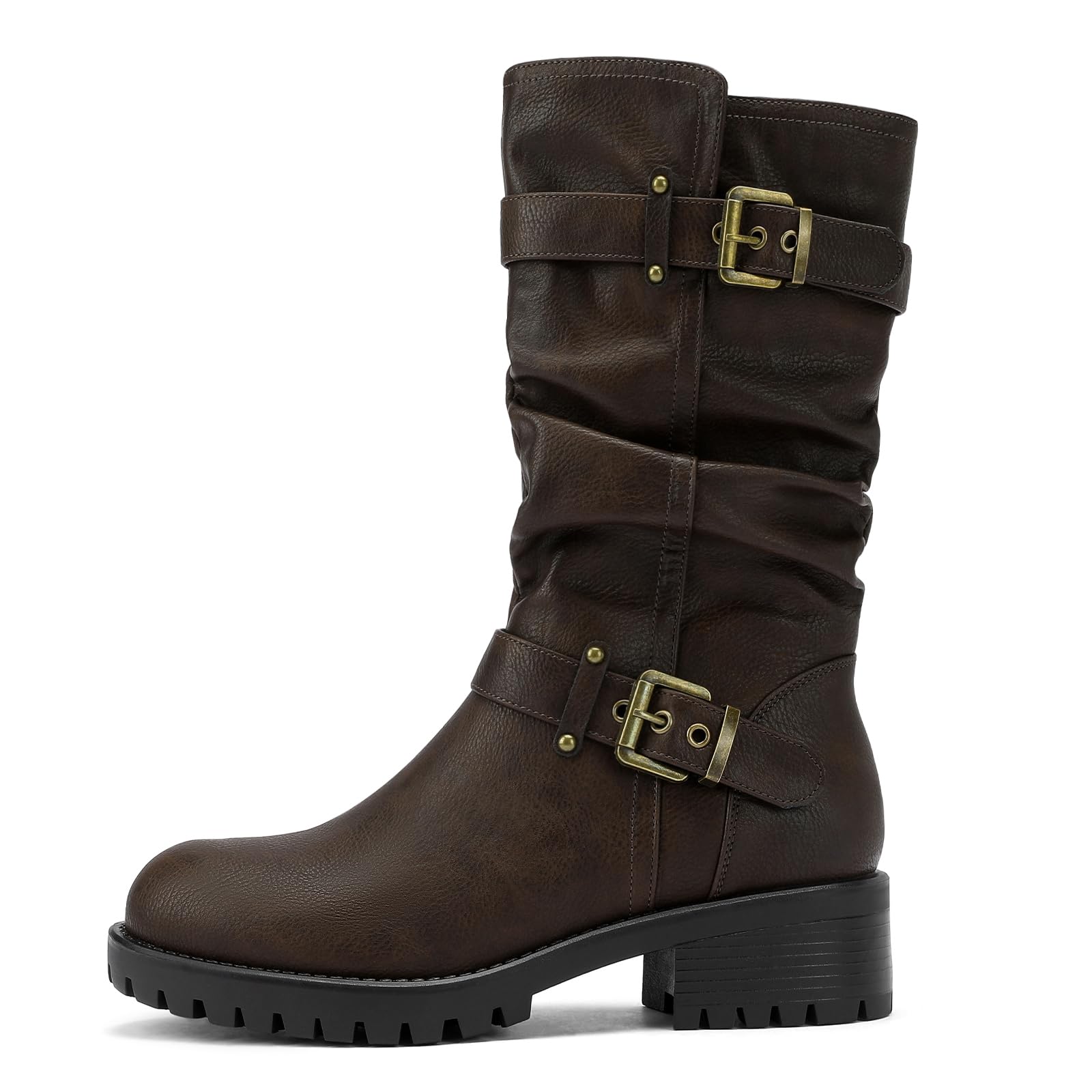
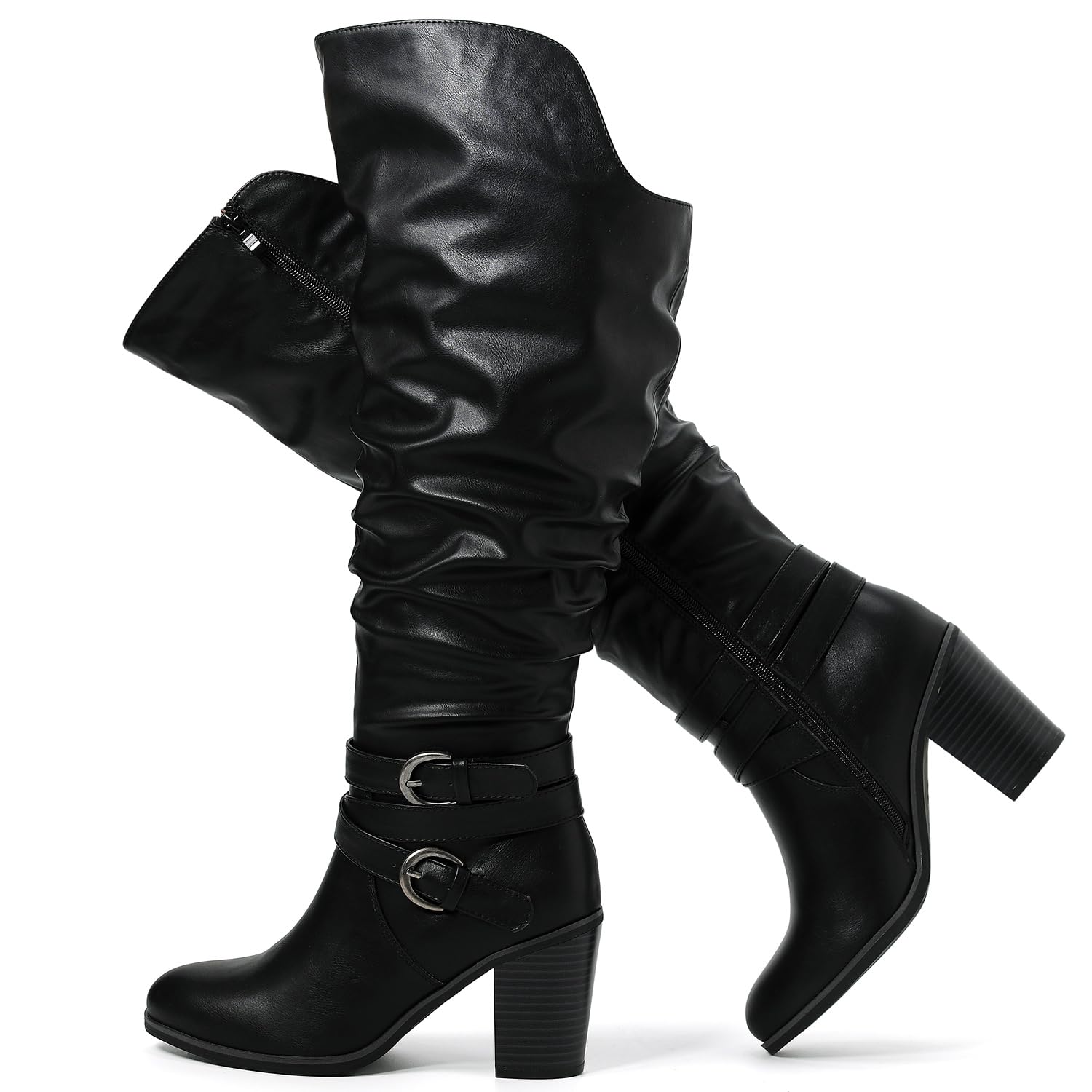
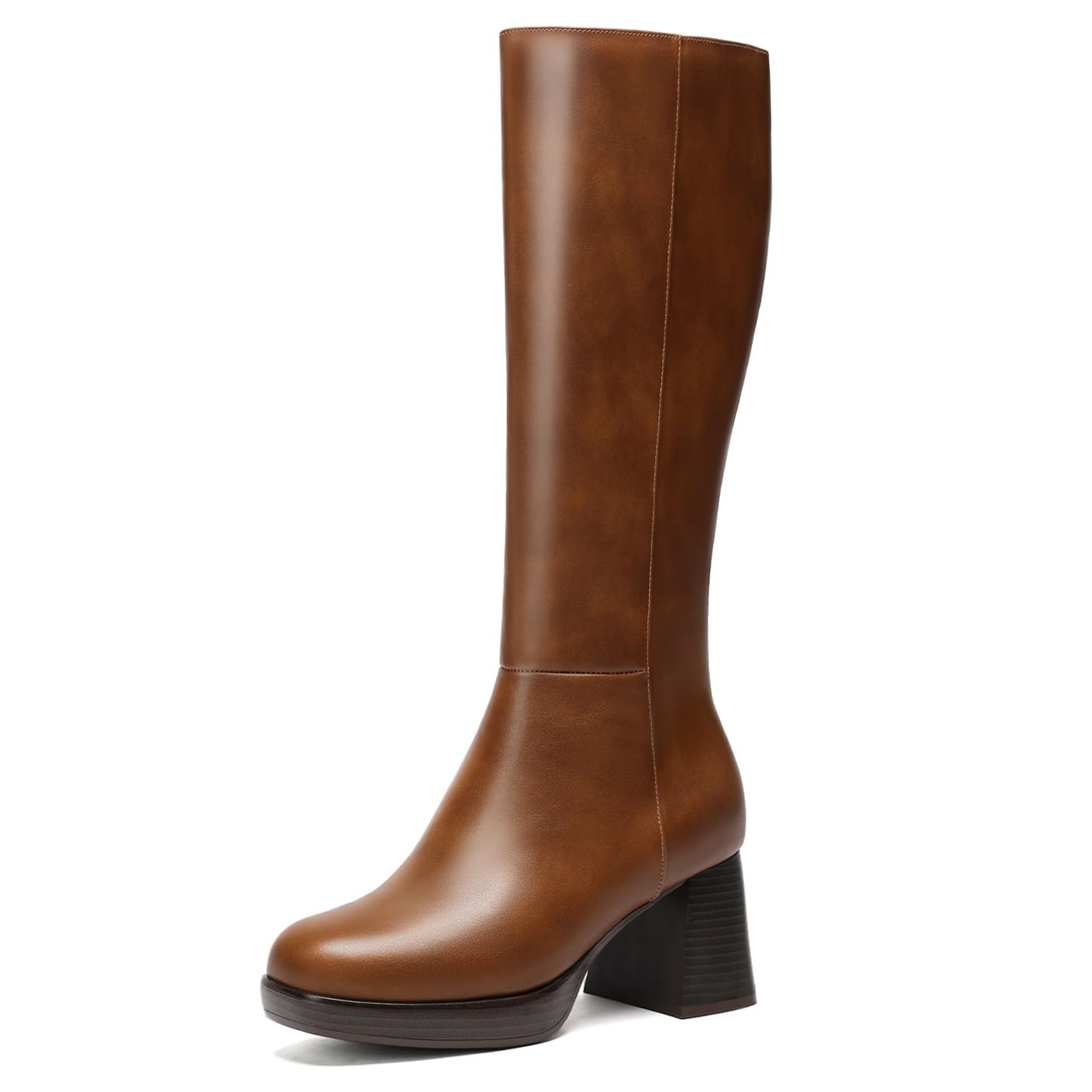
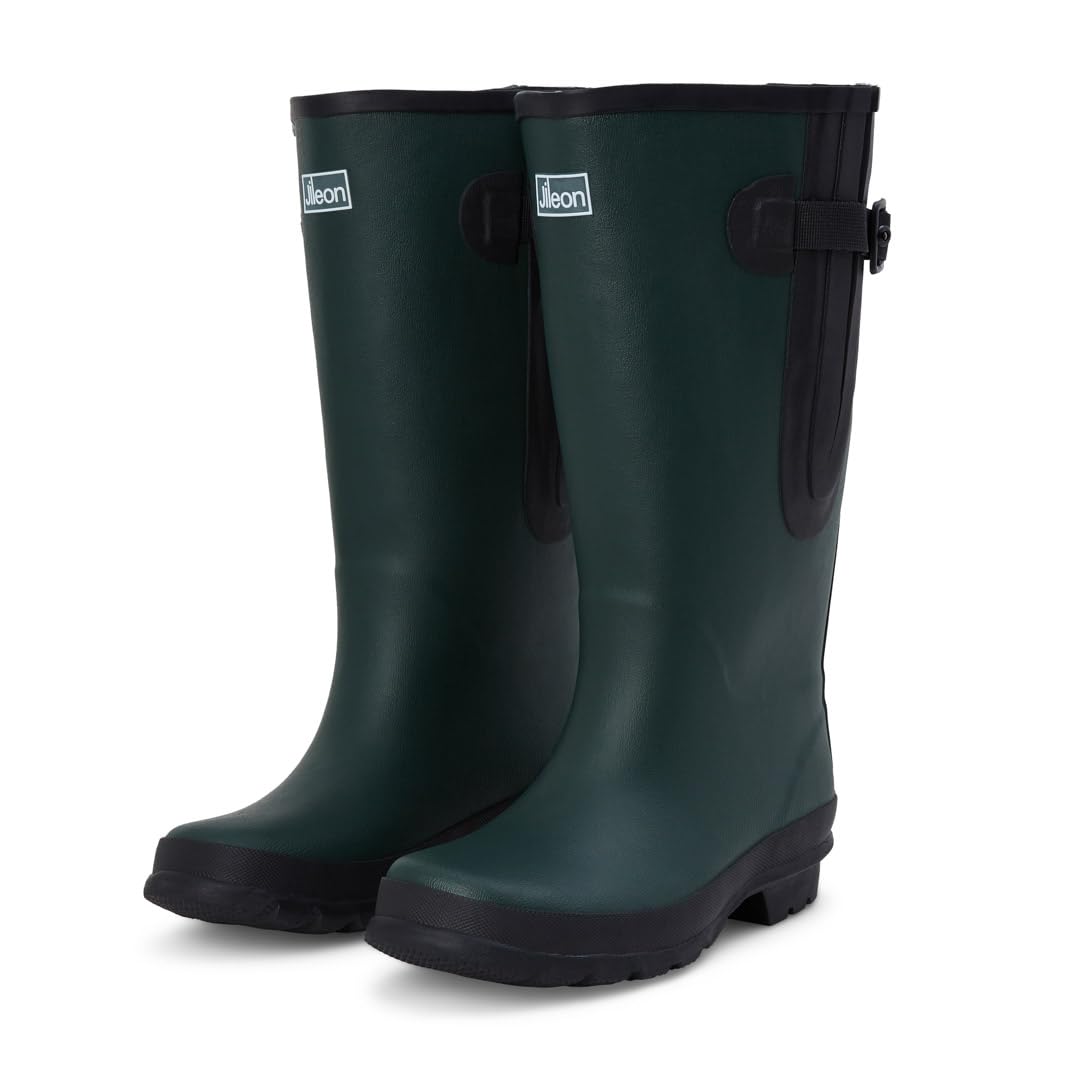
Who Should Buy Which Boots for Thick Legs?
Thick legs come from muscle, build, and daily swelling, and each cause changes what a boot must do.
Women and Men With Strong Athletic Calves
You run, lift, cycle, or work on your feet, so your calf is firm and widest high on the leg. Look for a shaft that stays generous near the top, plus laces or a long zip that sets tension in stages. A shaft that narrows sharply will dig in when your calf flexes on stairs.
Shoppers Whose Calves Swell During the Day
Your leg can feel larger by evening after travel, heat, or long standing. Choose elastic panels, straps, or laces you can loosen slightly without losing heel hold. If swelling is sudden, affects one leg only, or comes with pain, redness, or warmth, seek medical care promptly rather than sizing up, and talk with your clinician about your personal needs.
Shorter Wearers Who Need Room Without Extra Height
A tall shaft can hit the back of your knee even when its width is right. Mid calf styles often suit you better, and our guide to the best boots for short thick legs covers proportion in depth. Pick a top edge below the knee crease so you can sit and bend freely.
Key Features to Compare
When you shop for the best boots for thick legs, start with shaft numbers, then check the foot. Favor brands that publish shaft width and height for each size, because listings that give only a shoe size are hard to trust.
Shaft Circumference and Calf Opening
Shaft circumference is the distance around the inside of the top opening, and it is the most important number here. Standard shafts often measure about 14 to 15 inches, while wide calf designs commonly offer about 16 to 20 inches. Add about half an inch for trousers you tuck in, and choose the larger opening when you fall between sizes.
Shaft Height and Leg Proportion
Shaft height, measured from the footbed up the back, decides where the top edge lands. Ankle boots sit at about 3 to 4 inches, mid calf styles at about 8 to 11 inches, and tall boots at about 13 to 16 inches. An edge at your widest point feels tightest, so a slightly shorter or taller shaft can feel roomier. Our guide to the best boots for short legs adds proportion tips.
Stretch Panels and Adjustable Closures
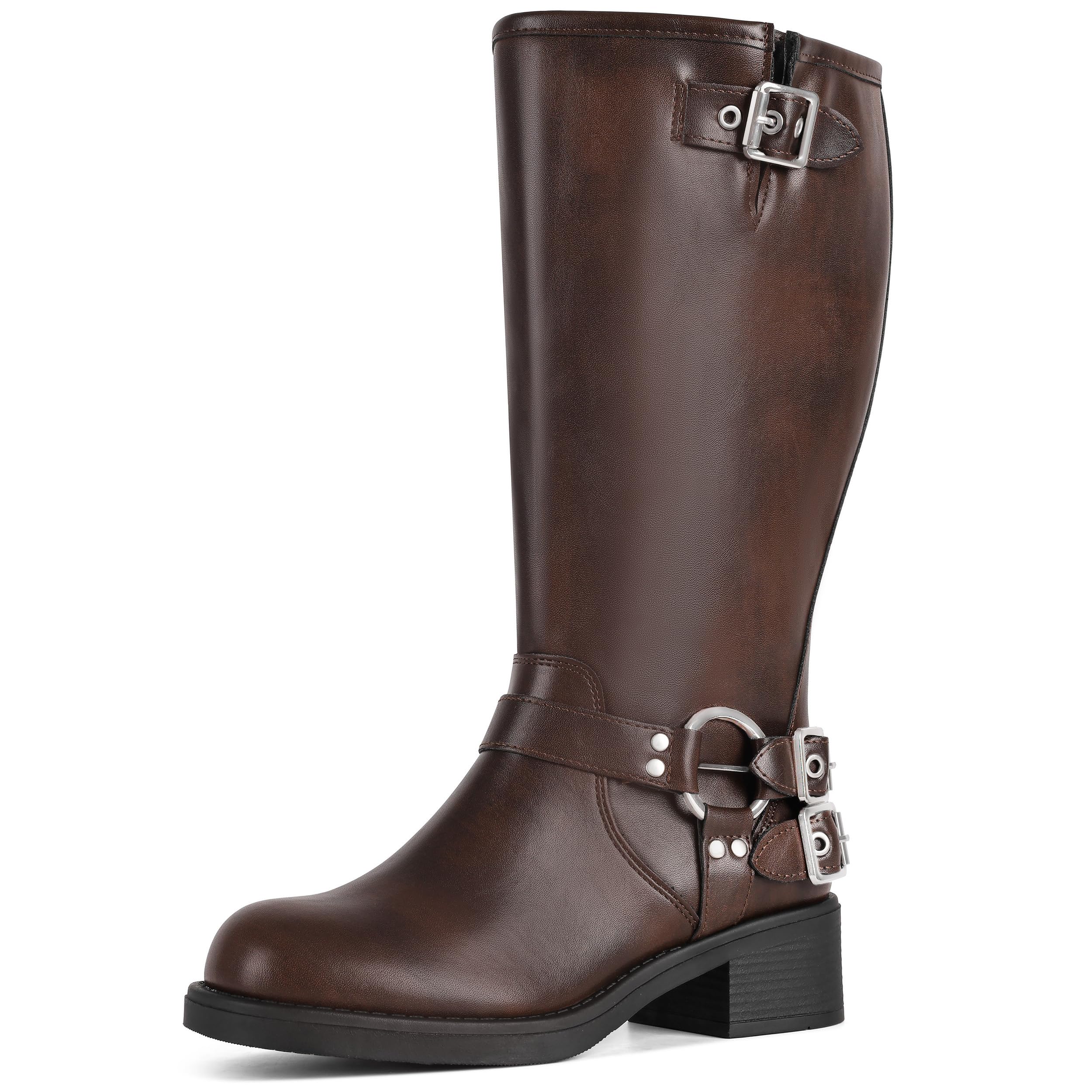
Elastic gussets, stretch panels, laces, and buckle straps let a shaft adapt to your leg. A full length side zip makes entry easy, but a zip alone adds no room, so pair it with stretch or lacing if your calf is near the limit. Laces give the finest control along the whole calf, while one strap adjusts only one spot.
Ankle Fit, Toe Box, and Foot Width
A wide shaft should not mean a sloppy foot, so the ankle and heel should stay fairly close while the calf stays roomy. If your heel lifts with every step, the boot will rub however well the top fits. At the front, a rounded toe box with room to spread your toes helps on long walks. Calf width and foot width are separate needs.
Arch Support, Cushioning, and Stability
A tall shaft limits ankle movement, so the footbed carries more load. A shaped insole with clear arch support suits flat feet, while softer cushioning spreads pressure for high arches. Look for a firm heel cup and a sole that resists twisting, since that stability helps on uneven ground. A heel to toe drop of about 8 to 12 mm feels familiar for most walkers.
Upper Materials, Outsole, and Weight
Full grain leather softens and shapes to your calf over time, though it needs a longer break in and weighs more. Knit and fabric uppers stretch on day one and breathe better, but offer less structure and rain protection. A waterproof membrane such as Gore Tex helps in wet weather, at the cost of extra warmth. Underfoot, choose rubber lugs deep enough for wet pavement.
Types of Boots for Thick Legs Compared
Boot type changes where the shaft ends, and that alone can solve a fit problem.
Tall Boots With Wide Shafts
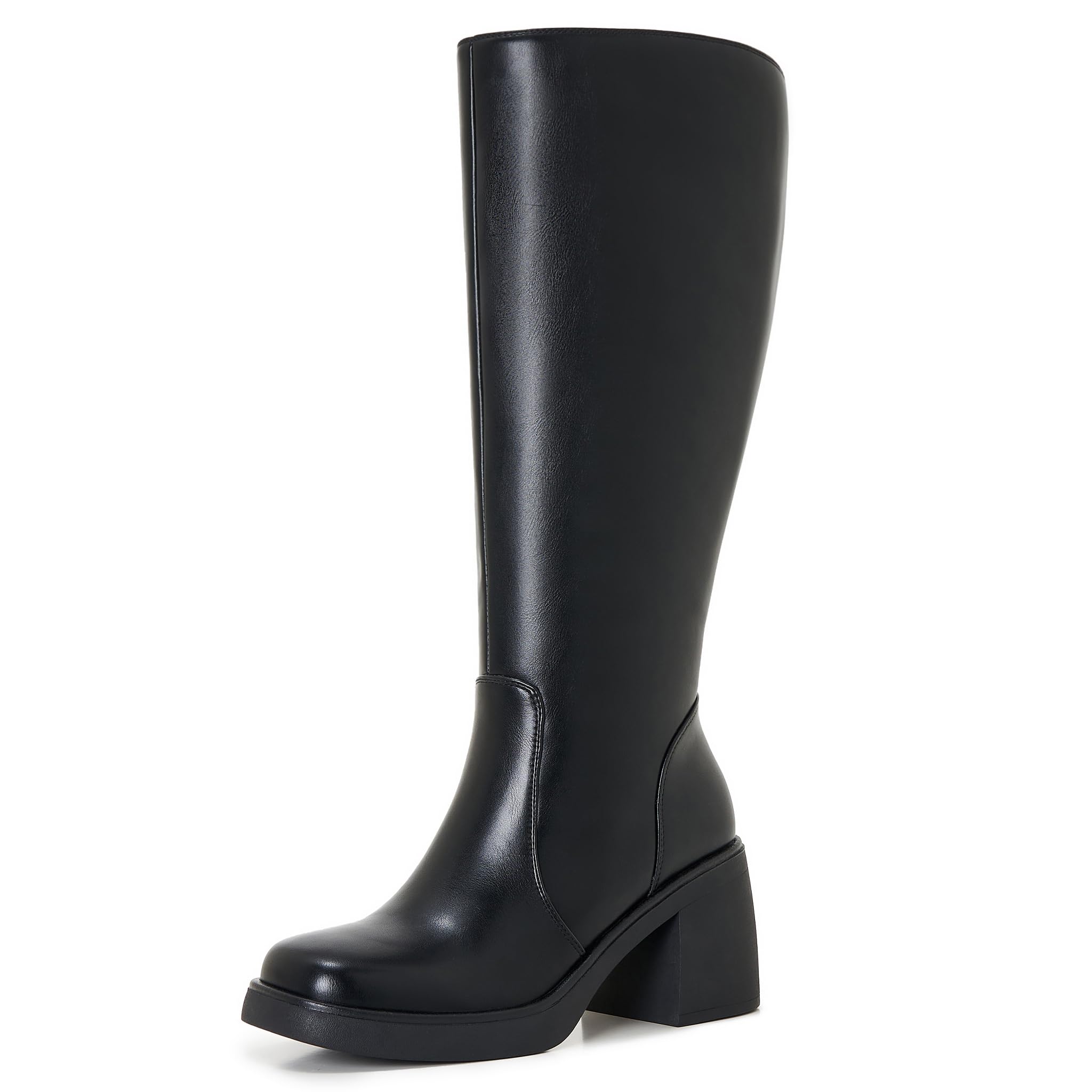
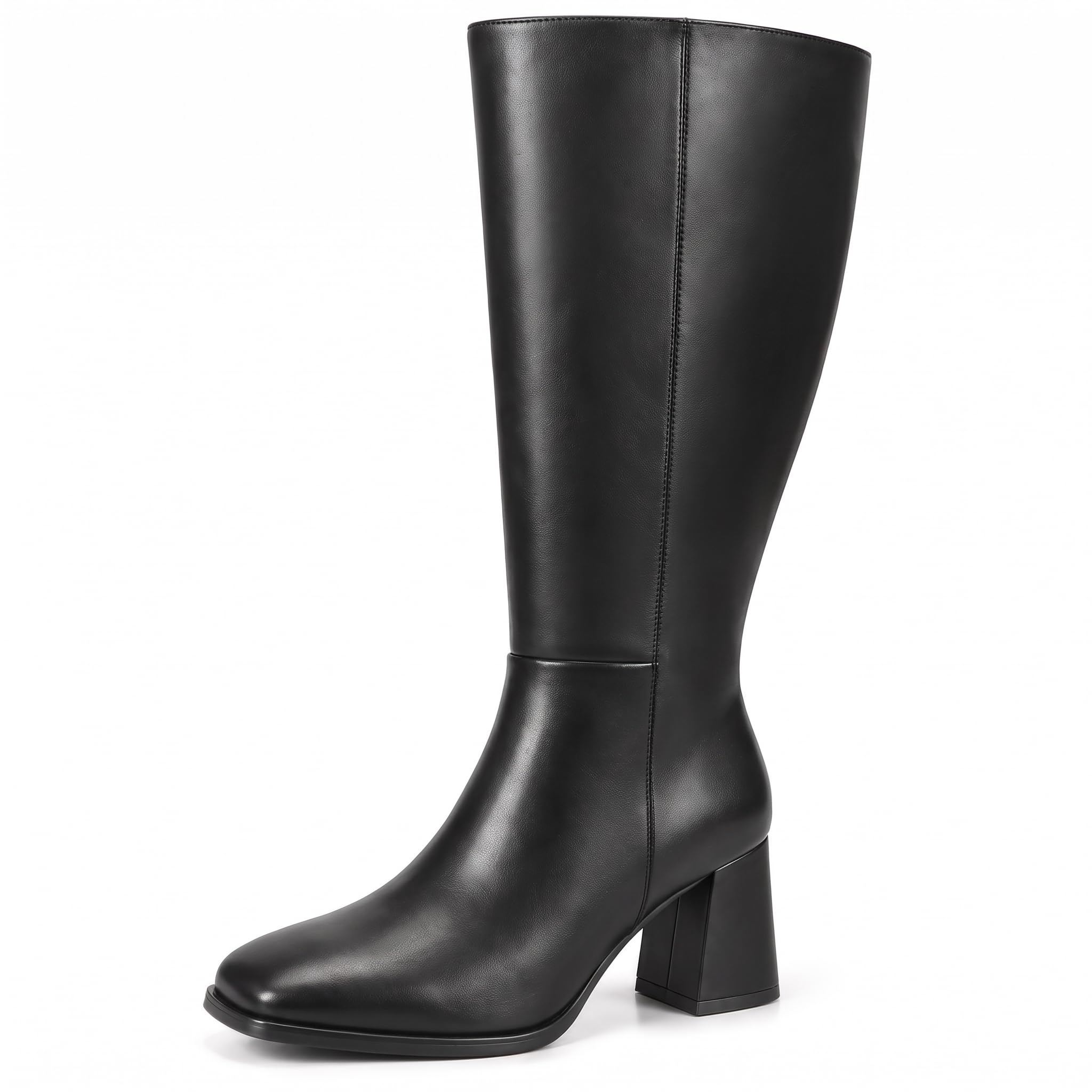
Tall boots give the most polished look and weather cover, and wide shaft versions are the clearest answer for thick calves. Our guide to the best wide leg boots focuses on this category. Confirm the top edge sits below your knee with room to pinch a little material.
Ankle and Mid Calf Boots for Thick Legs
Ankle boots avoid the calf almost entirely, while mid calf boots end below the widest point for many wearers. Both are easier first choices if tall shafts have failed you, and both pair well with straight trousers. The trade off is less weather cover, and a mid calf edge can catch as you walk.
Adjustable Lace Up Boots for Work and Hiking
Lace up boots let you loosen the top eyelets and keep the ankle snug, a mix that suits work sites and trails. A padded collar protects the back of your leg on slopes, and a gusseted tongue keeps grit out when laces are set wider. They look rugged and run heavier, and they reward patient, even lacing.
Waterproof Boots With Roomy Shafts
Waterproof boots seal the foot against rain and puddles, and roomy rubber styles slip on with no zip to fight, which suits gardening and wet commutes. Rubber does not stretch, so the listed opening must clear your calf with socks on and a finger of space to spare. Rotate pairs so the insides dry.
Common Mistakes to Avoid
- Buying by shoe size alone, so the boot fits your foot but will not close over your calf.
- Measuring your calf in the morning, so the pair feels fine at home and pinches by evening.
- Forcing a tight zip closed, so the teeth separate or the seam splits within weeks.
- Assuming a wide foot width means a wide shaft, so the toes feel roomy while the top cuts in.
- Wearing a new tall pair all day for travel, so normal stiffness turns into blisters with no backup shoes.
- Keeping boots that slip at the heel because the calf fits, so every step rubs.
Care and Maintenance for Boots for Thick Legs
Unzip boots fully and loosen laces before pulling them off, because forcing your calf past a closed shaft strains zips and seams. Use pull loops or a long shoe horn if entry feels tight, rather than crushing the heel counter with your foot.
Brush off mud and salt once boots are dry, condition leather lightly so it stays flexible, and let wet pairs air dry away from direct heat with the insoles removed. Store tall pairs upright with rolled towels so the shaft keeps its shape, and check elastic panels and zip teeth each season.
FAQ
What features matter most in boots for thick legs?
Shaft circumference matters most, followed by an adjustable closure and a top edge that lands away from your widest point. Also check the shape of the opening, since a slightly scooped back sits lower at the knee crease and feels roomier than a straight edge. Trust published measurements over wide labels, which vary between brands.
How wide should the shaft be for boots for thick legs worn with jeans?
Your shaft should clear your calf plus the fabric tucked inside, which for most jeans adds about half an inch to a full inch. Measure your calf while wearing the jeans and sitting down, since denim bunches behind the knee and pushes the top edge outward. If that total leaves no finger of space, choose the next width.
Do boots for thick legs also need a wide toe box?
Not always, because calf width and foot width are separate measurements that do not rise together for every shopper. Some brands widen both, while others keep a standard foot on a wide shaft, so read both parts of the size chart. Stand in the boots late in the day and confirm your toes can spread freely.
Can I wear boots for thick legs all day in comfort?
Yes, if the heel stays put, the arch feels supported, and the top edge does not press harder as the day goes on. Build wear time over the first week, starting with short outings, and swap a flat footbed for a shaped insole on long shifts. Fresh socks at midday cut friction when your feet warm up.
How long does the break in period last for boots for thick legs?
Most leather boots soften noticeably after about three to five wears, while knit and fabric styles feel right almost at once. Watch the top edge during break in, since a slightly firm shaft often relaxes as it shapes to your calf. If a zip still needs force after a week indoors, the size is wrong rather than stiff.
Are waterproof boots for thick legs worth the extra cost?
They are worth it if you walk dogs, garden, commute in rain, or face slush for much of the year, since a dry foot stays warmer and blisters less. For mostly indoor wear the value is smaller, because a membrane adds warmth you may not want. Expect about $90 to $180 for a solid waterproof pair.
The Bottom Line
Measure your calf in the afternoon, choose a shaft that clears that number with a finger of space, and insist on an adjustable closure. Then confirm a secure heel, toe room, and support that matches your arch. When those pieces line up, the best boots for thick legs feel like regular shoes, not a compromise. Compare your shortlist in the product table above.