Best Boots for Thick Calves: What Actually Matters Before You Buy for 2026
Disclosure: We may earn a commission when you buy through links on this page, at no extra cost to you. As an Amazon Associate I earn from qualifying purchases. Learn more

A buying guide to boots for thick calves covering shaft width, stretch panels, closures, cushioning, and fit checks before you order.
Most boot frustration for you probably starts at the zipper. The footbed feels fine, the toe box has room, and then the shaft stops halfway up your leg or squeezes so hard you cannot wait to sit down. Choosing the best boots for thick calves is mostly about shaft measurements, closures, and stretch, not about the foot size printed on the box.
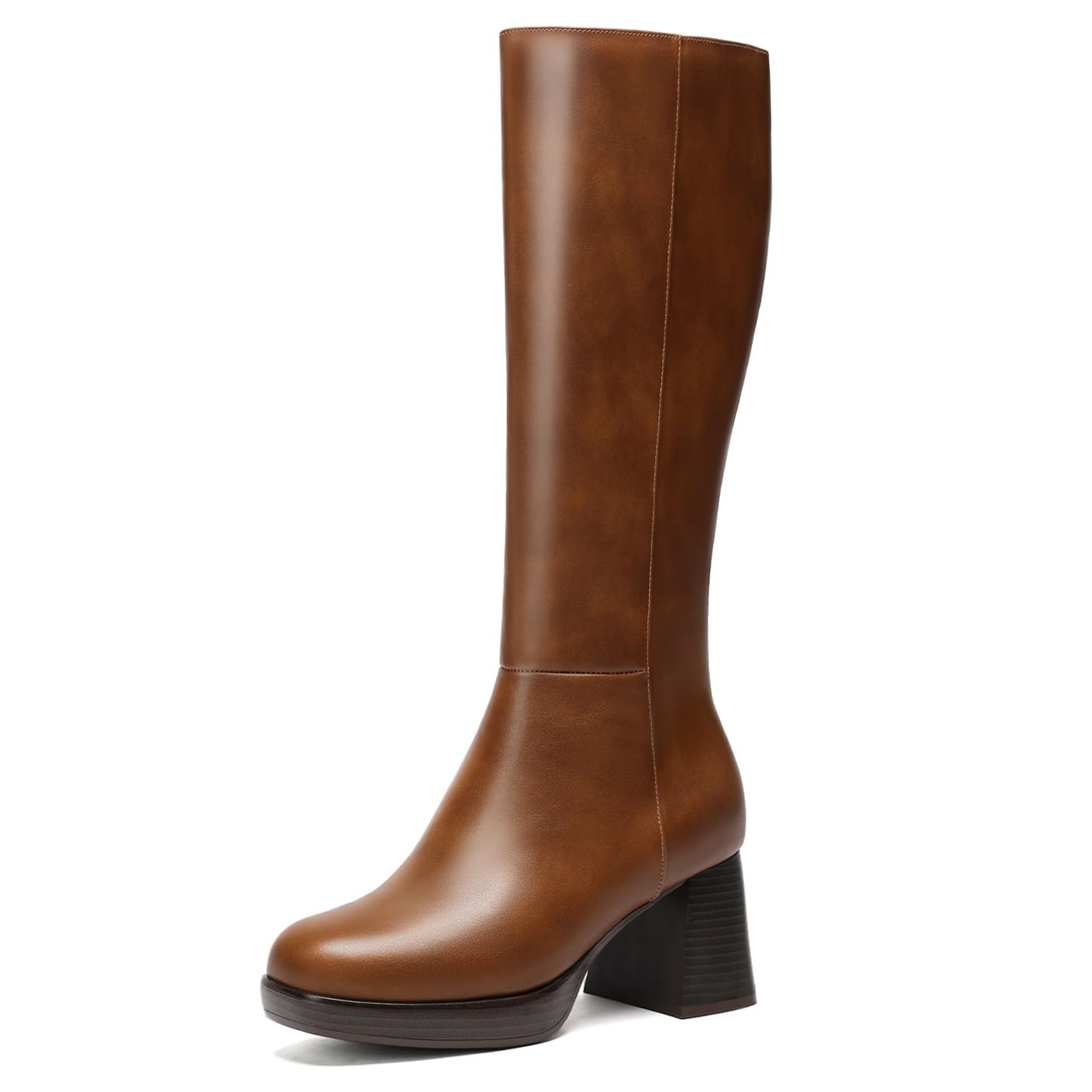
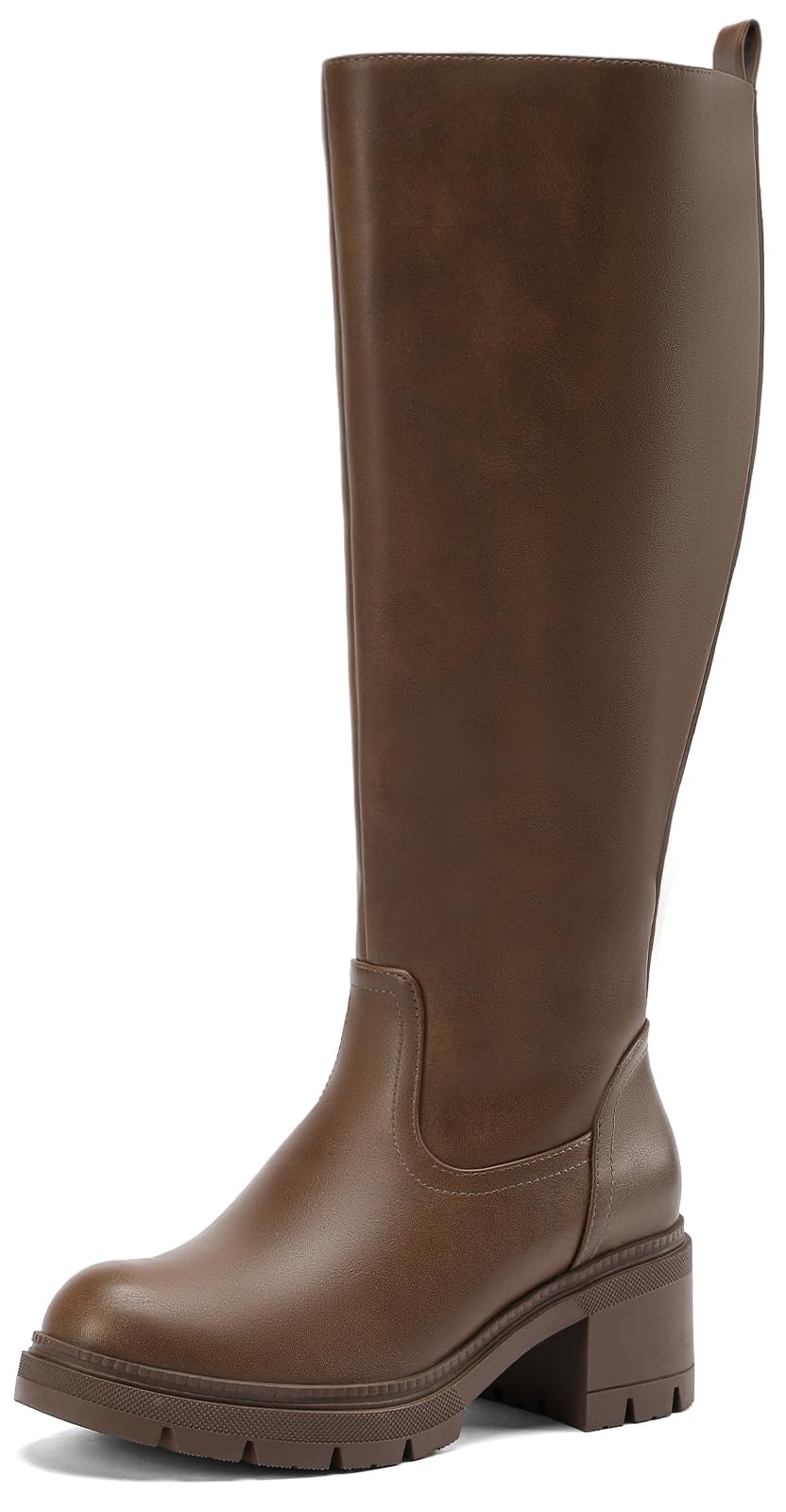
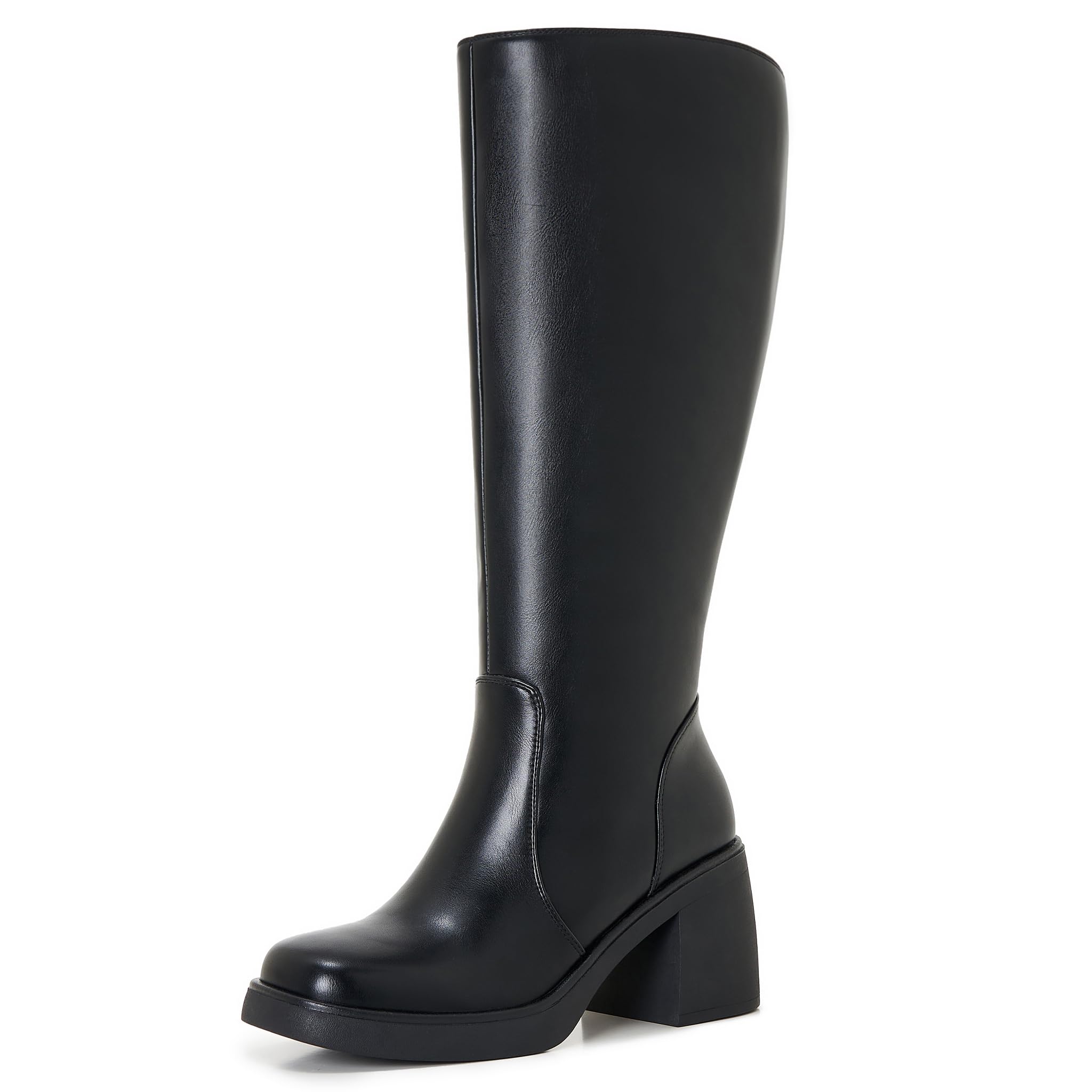
This guide walks through a simple checklist you can apply to any pair, from tall fashion boots to waterproof work and winter styles. Use it alongside the comparison table below, where you can line up shaft widths, materials, and prices before you commit to an order.


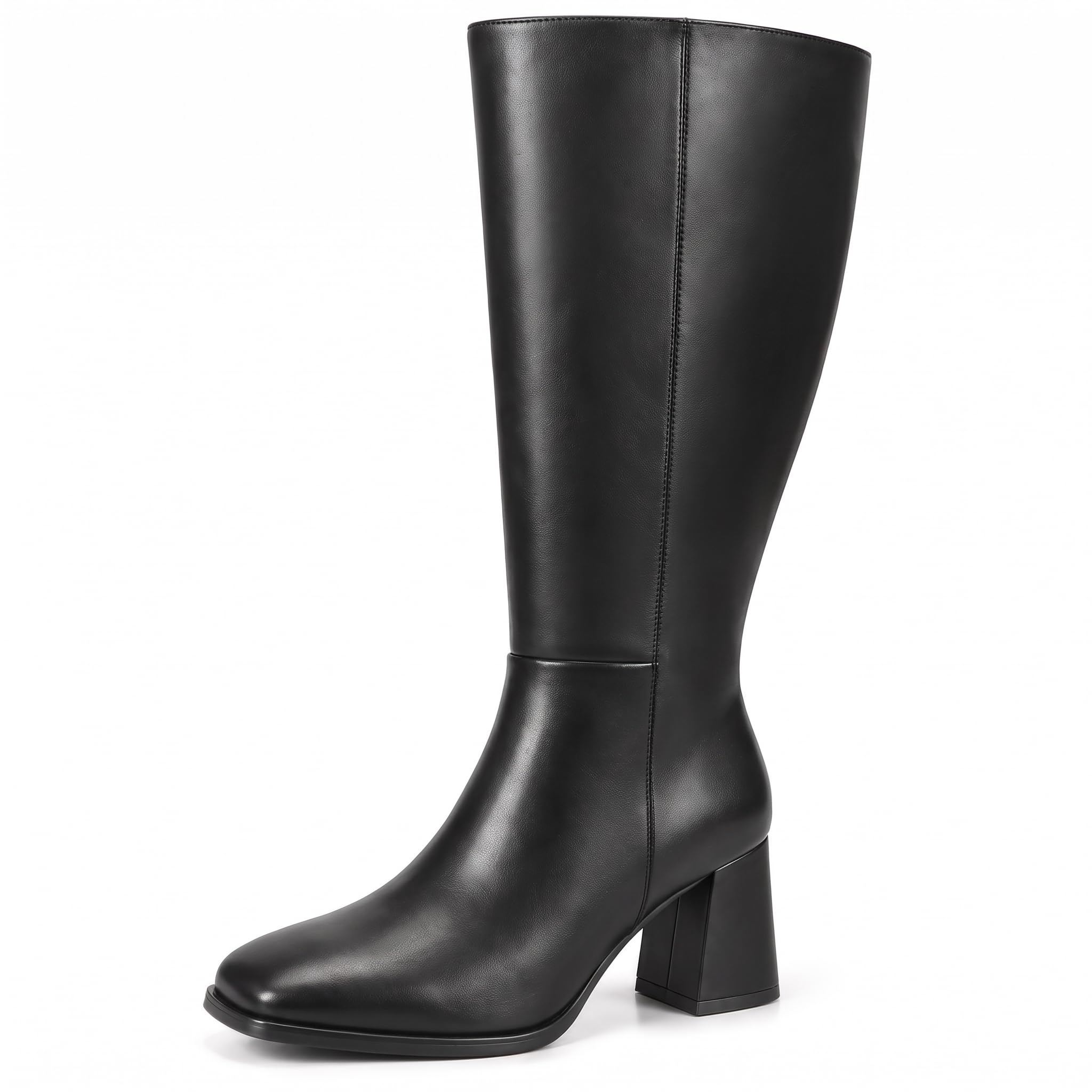
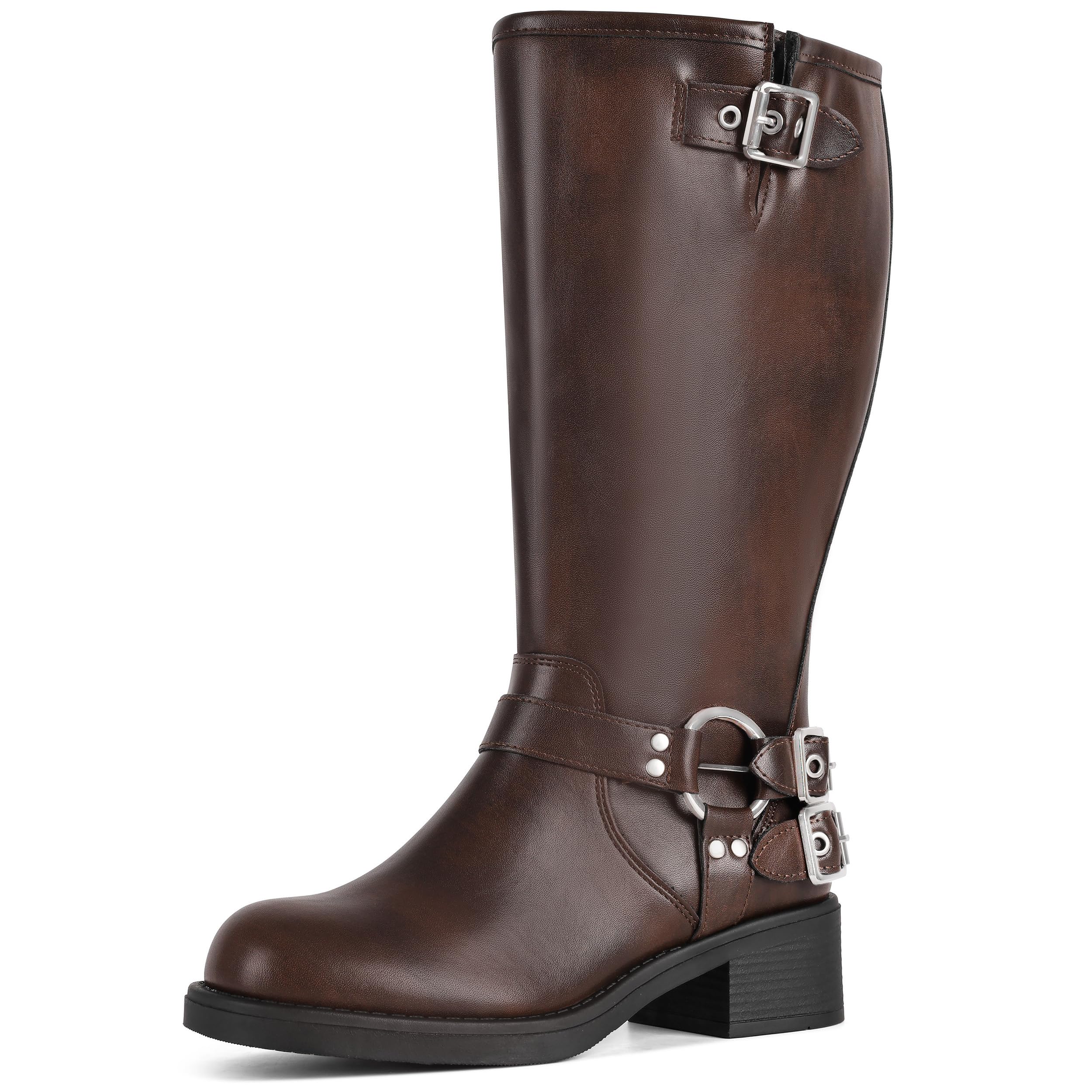
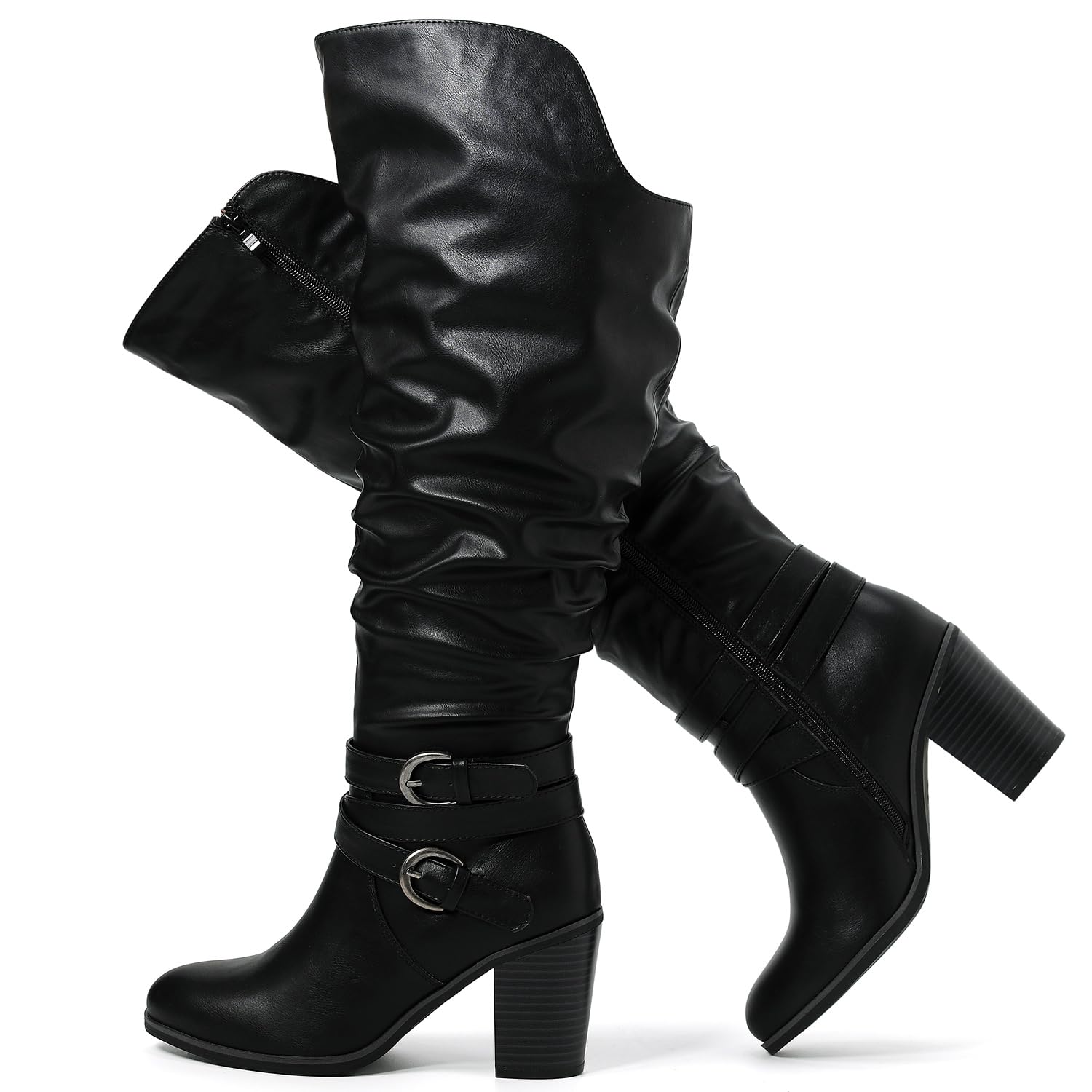
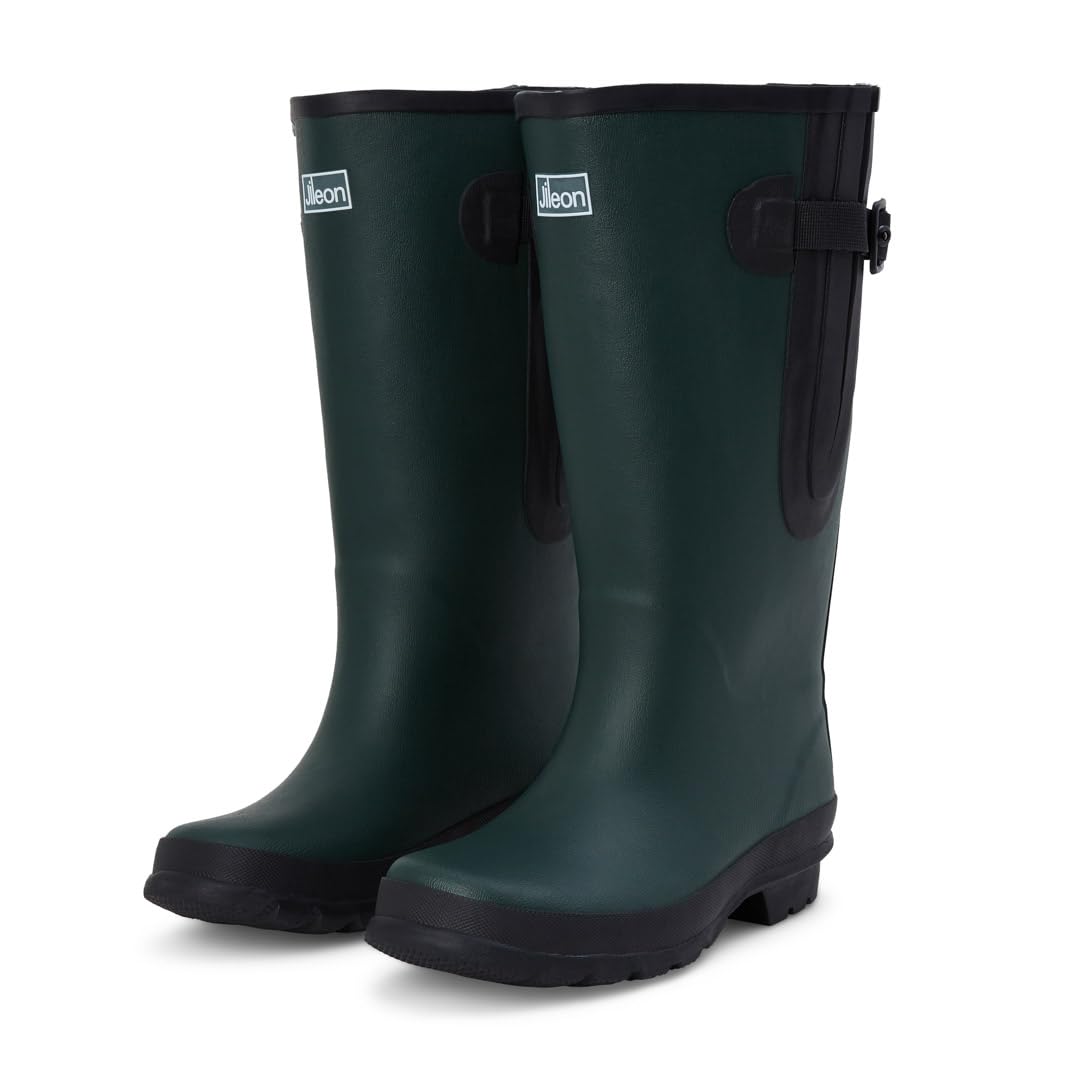
Key Features to Compare
A standard boot shaft is built around an average calf, so your shopping starts one step earlier than most buyers. The details below explain what to measure and how each choice feels during a full day of wear.
Features That Matter for Thick Calves
The single most important spec is shaft circumference, measured around the widest part of the shaft opening. Regular shafts often run about 14 to 15 inches, wide calf versions about 16 to 18 inches, and extra wide styles can go beyond that. Pick a shaft at least half an inch larger than your own calf measurement so you have room for socks and natural swelling later in the day. A tall boot that fits your foot but ignores this number will never feel right.
Fit, Sizing, and Toe Box
Measure both calves in the afternoon, when your legs are at their largest, and size for the bigger one. Sit down and measure over the socks or leggings you plan to wear, since denim tucked inside adds real bulk. Your foot size and calf size do not always scale together, so never assume a larger shoe size gives a wider shaft. In the toe box, look for a rounded shape with room to wiggle your toes, because a wide calf last is often paired with a roomier forefoot that suits thicker ankles too.
Upper Materials and Breathability
Leather gives structure and molds gradually to your leg, and soft full grain leather usually feels kinder at the top edge than stiff corrected leather. Stretch knit and elastic panel uppers forgive small measurement errors and move with you when you sit and stand. A breathable lining matters more than many buyers expect, because a snug shaft traps warm air around your calf. Mesh lined summer styles feel cooler, while insulated winter boots trade airflow for warmth.
Break In Period and Comfort Out of the Box
Expect leather shafts to relax slightly over the first few wears, gaining a small amount of give as the material softens. That give is measured in fractions of an inch, so a zipper that will not close today will not magically close next week. Stretch panels and knit uppers need almost no break in time and should feel comfortable on the first outing.
Cushioning and Support
Cushioning underfoot matters because a boot that fits your calf still has to carry you through long days. Look for a padded insole you can remove, since swapping in your own insert is easier when the stock one feels thin. Arch support should match your foot shape, with firmer support helping if your arches tire quickly. Heel to toe drop in most everyday boots sits around 8 to 12 millimeters, and a moderate drop usually feels natural. Stability comes from a firm heel counter and a shaft that holds your ankle steady without pinching above it.
Outsole Traction and Terrain
The outsole decides how confident you feel on wet pavement, gravel, and muddy paths. Deeper lugs, around 4 to 5 millimeters, grip soft ground better, while flatter rubber soles suit office floors and city sidewalks. A wide, stable heel base helps if you stand for hours, because it spreads your weight and reduces wobble. Waterproof membranes such as Gore Tex keep rain out of winter and hiking styles, though they add warmth.
Buying Guidance: Shaft Styles and Closures That Work
Since fit at the calf is the whole battle, closure design deserves as much attention as looks. The options below explain why two boots with the same listed circumference can feel completely different on your leg.
Zippers, Laces, and Adjustable Openings
A full length side zipper is the easiest way into a tall boot, and a zipper placed slightly toward the back often follows the curve of a fuller calf better than one at the front. Lace up fronts and adjustable buckle straps let you fine tune the top few inches, which is where most pressure shows up. Pull on styles with no opening are the riskiest choice for you, because your foot has to pass through the narrowest part of the shaft at an angle.
Stretch Panels and Elastic Gore
An elastic gore panel at the back or side of the shaft adds give exactly where your calf is widest, and it flexes every time you bend your knee or sit down. Measure the shaft with the panel relaxed, then assume it can stretch about an extra inch under gentle pressure. Neoprene and stretch fabric inserts work the same way in rain and winter boots.
Matching the Boot to How You Will Wear It
Think about what goes inside the shaft before you settle on a circumference. Skinny jeans and leggings need little extra room, while straight leg trousers or thick winter socks can add an inch or more. For snowy commutes, a taller insulated shaft keeps slush off your legs, and readers comparing insulated options for the slopes can also see our guide to the best ski boots for thick calves, since ski shells use their own buckle fit system. In warm weather, when even a short boot feels like too much, you might see our guide to the best sandals for thick ankles and calves for open styles built around the same leg shape.
Quick Buyer Checklist
Run through these questions before you order, and again when the box arrives. A good pair should earn a yes on nearly every line.
- Is the listed shaft circumference at least half an inch larger than your measured calf?
- Does the boot come in a stated wide calf or extra wide calf version, not just a wide foot width?
- Can you close the zipper or laces over your usual socks without forcing them?
- Does the top edge sit below your knee without digging in when you sit down?
- Is there a stretch panel, adjustable strap, or lace section where your calf is widest?
- Can you walk, climb stairs, and bend your knee without the shaft pulling or gaping?
- Does the seller list an easy return window in case the shaft fits differently than the chart suggests?
If your calf measures closer to the standard range and tall boots usually feel loose on you instead, the fit advice runs the other way, so see our guide to the best boots for thin calves for closing down extra shaft space.
Red Flags to Watch For
Some listings make a wide calf boot sound perfect while leaving out the details that decide fit. Watch for these warning signs before you spend money.
- The product page gives no shaft circumference at all, so you cannot compare it with your own measurement.
- The word wide refers only to foot width, while the shaft stays at a standard size.
- Customer photos show the zipper straining or the top edge flaring open on fuller legs.
- The size chart lists one shaft measurement for every shoe size, which rarely matches how real boots are graded.
- The return policy excludes worn boots entirely, leaving you no safe way to test the fit at home.
Any one of these does not doom a boot, but two or more together usually mean the maker did not design the shaft with your legs in mind. Readers at the opposite end of the size range face the mirror image problem of shafts that swallow the leg, covered in our guide to the best boots for slim calves.
Care and Maintenance Tips
Care for boots for thick calves focuses on the shaft, because stretched leather and tired elastic end the life of an otherwise sound pair. Condition leather shafts every few months so the material stays supple and does not crack where it bends behind your knee. Store tall boots upright with boot trees or rolled towels inside, since a folded shaft develops a permanent crease.
Let wet boots air dry at room temperature away from direct heat, which can shrink leather and make a snug shaft even tighter. Check zippers for grit and brush along the teeth, because a stuck zipper on a close fitting shaft is hard to free. If an elastic panel starts to feel slack, a cobbler can often replace that section for far less than new boots.
FAQ
What features matter most in boots for thick calves?
Shaft circumference matters most, followed by a closure you can adjust and a stretch panel at the widest point of your leg. Beyond fit, look at shaft height, because a boot that ends right at your widest point will pinch, while one ending just above or below it usually feels better.
How long is the break in period for boots for thick calves?
Most leather boots feel settled after about three to five wears spread over a week or two. During that time the footbed compresses and the ankle area softens, so judge early discomfort by location: pressure at the ankle often fades, while tightness across the calf rarely does. Wearing thick socks for short indoor sessions can speed the process without risking blisters on a long first day out.
Do boots for thick calves need to be waterproof?
Boots for thick calves only need waterproofing if your routine includes rain, snow, or wet work sites. A sealed membrane keeps water out but also holds heat, so a waterproof tall boot can feel warm on a crowded train or in an office. If you want one pair for mixed weather, a water resistant leather treatment you reapply each season is a flexible middle ground that keeps the shaft breathable on dry days.
Are expensive boots for thick calves worth the money?
Pricier boots for thick calves are worth it when the extra cost buys real leather, replaceable soles, and a graded size chart with several calf widths. Spending more on a fashion label alone rarely improves fit. A practical approach is to pay for the closure and shaft options first, and skip decorative hardware that adds weight without adding room.
How often should you replace boots for thick calves?
Replace boots for thick calves when the shaft no longer holds its shape or the outsole tread has worn smooth, which for daily wear often means every two to three years. A subtler sign is a zipper that starts drifting down as you walk, since that points to stretched material around the closure. Rotating two pairs through the week rests the elastic and leather, and noticeably extends the life of both.
Can you wear boots for thick calves all day?
Yes, you can wear boots for thick calves all day when the shaft clears your calf with a little room to spare and the insole supports your arch. Plan your first full day for a schedule with chances to sit, and carry your previous shoes as a backup. If your calves swell noticeably by evening, choose the pair with the most adjustable top for long days and save fixed shaft styles for shorter outings.
Final Thoughts
Everything in this guide comes back to three checks: measure your calf at its widest, demand a listed shaft circumference with room to spare, and choose a closure you can adjust through the day. Compare your shortlist against the product table above, paying closest attention to shaft numbers rather than marketing words like wide or comfort fit. Get those basics right and the best boots for thick calves for your wardrobe will feel less like a compromise and more like boots that were simply made for your legs.