
Best Boots for Teachers for 2026: What Your Money Really Gets You
Disclosure: We may earn a commission when you buy through links on this page, at no extra cost to you. As an Amazon Associate I earn from qualifying purchases. Learn more

Compare boots for teachers by budget, with guidance on cushioning, arch support, toe box fit, traction, and waterproofing for long days at school.
A school day can mean six or more hours on tile and polished hall floors, with little time to sit between lessons. The best boots for teachers protect your feet through that routine without looking out of place in a classroom. Price alone tells you little, because two pairs at the same cost can differ sharply in cushioning and support.
This guide sorts boots by budget so you can see what each tier adds and leaves out, covers fit and care for teaching, and the comparison table below brings the current options together.


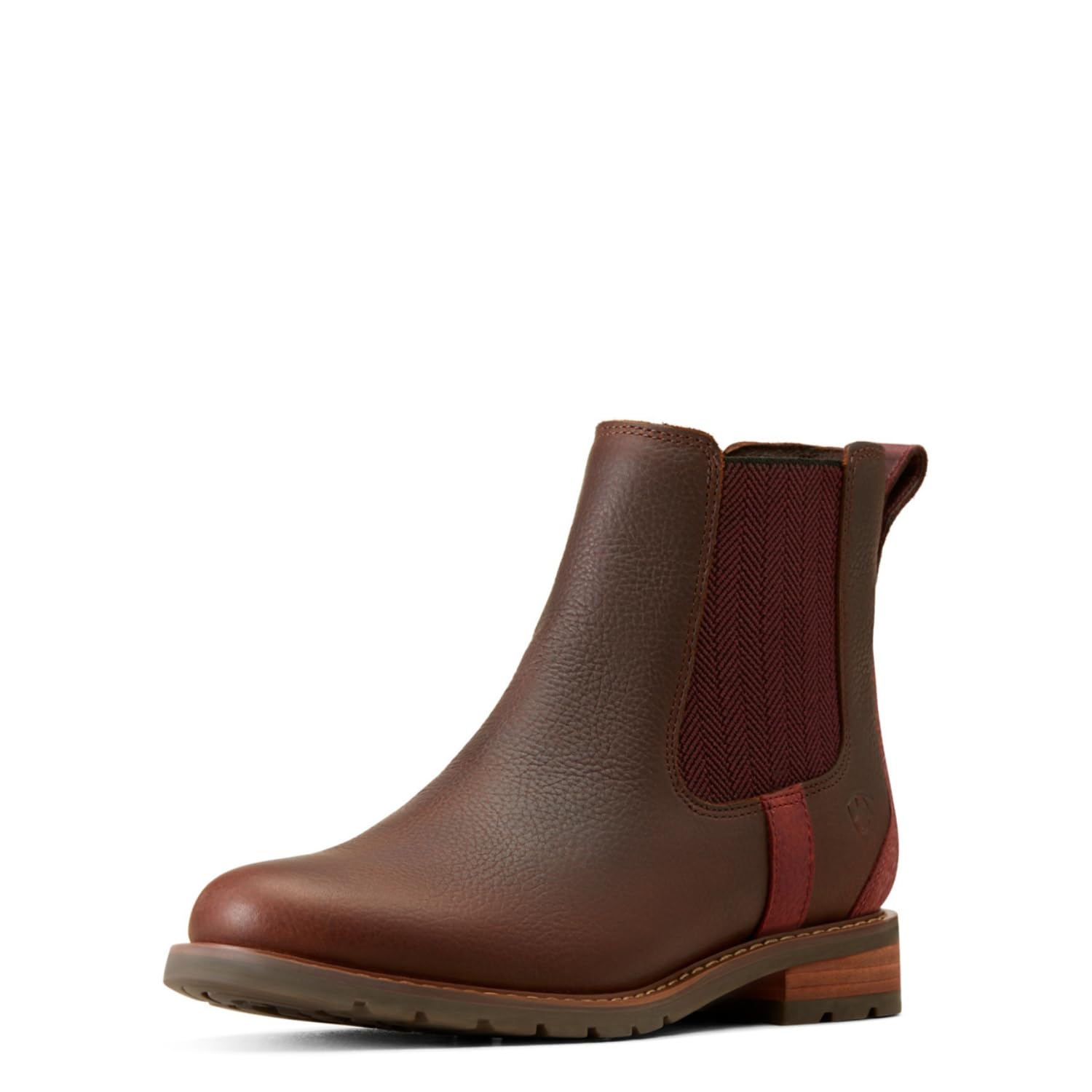

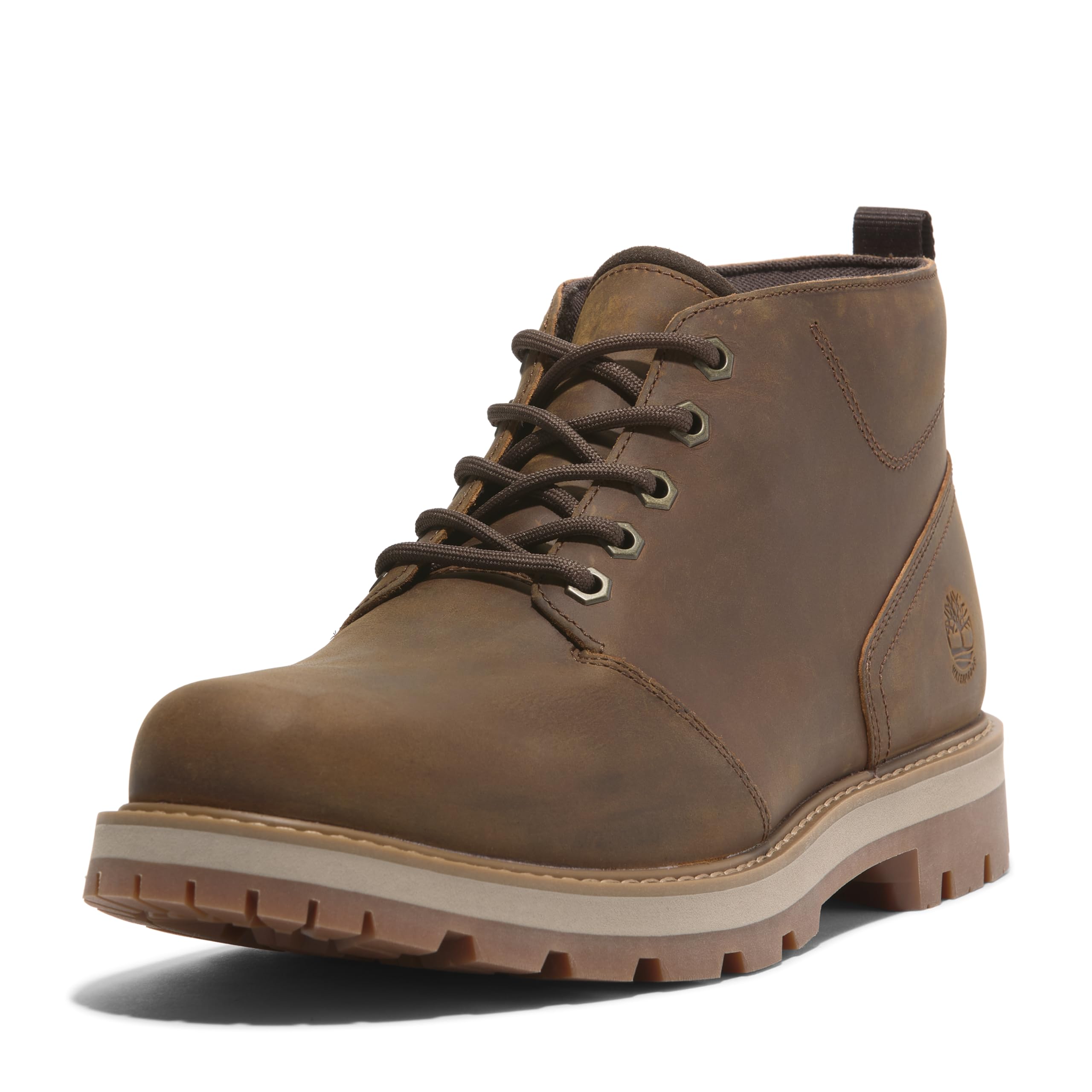
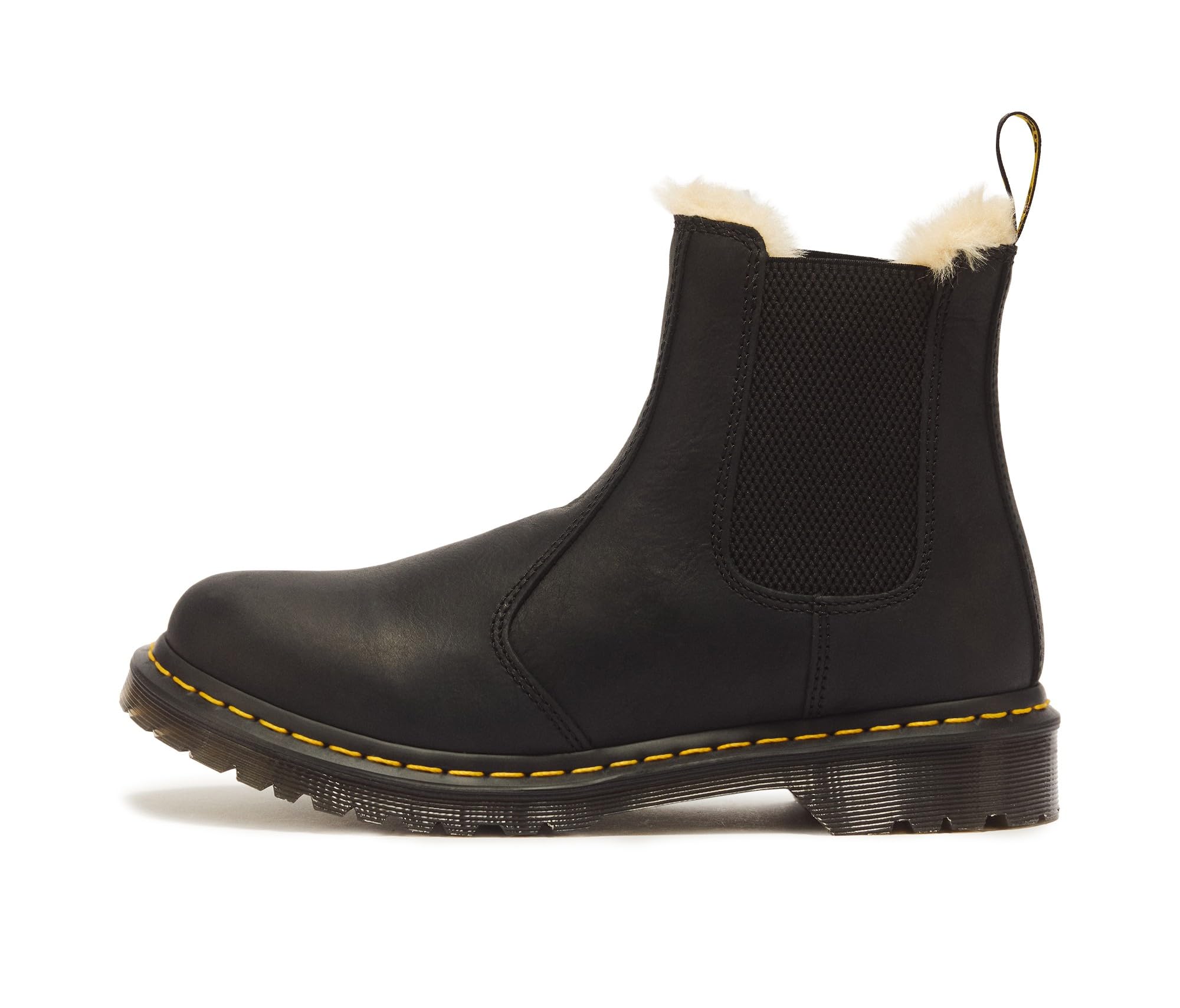


Who Should Buy Boots for a Full School Day?
Teaching loads your feet in ways an office job rarely does. Start from your timetable and duties.
Teachers Who Stand on Hard Floors for Most Lessons
If you teach standing at a board, move between desks, and stand again for lunch duty, cushioning and stability matter more than style. Look for a firm midsole that does not collapse under your heel and a replaceable padded insole. Fashion boots with thin flat soles rarely suit this schedule, because fatigue builds by midday.
Teachers Who Cover Hall Duty, Recess, and a Walking Commute
Outdoor duties and a commute on foot add wet pavement, grass, and cold mornings to your day. You need deeper outsole lugs for grip outside, a water resistant upper for puddles, and a shaft that keeps splashes off your ankles. A lighter build helps here, since extra weight grows tiring across a week of walking.
Teachers Who Mix Standing Lessons With Seated Group Work
Many teachers alternate between standing instruction and seated reading groups, floor time with younger children, and help at low tables. Choose boots that flex at the forefoot so kneeling and crouching feel natural, with a low to moderate heel for balance.
What Each Budget Level Buys for Classroom Comfort
Prices span a wide range, and the best boots for teachers for your budget depend on how many days a week you wear them. The tiers below describe typical trade offs, not fixed promises.
Budget Tier About $50 to $90: Basic Comfort for Lighter Schedules
At this level you usually get a synthetic upper, a basic foam insole, and a simple rubber outsole. That can work for two or three wear days a week indoors. Expect cushioning to pack down sooner and waterproofing to be a surface coating rather than a true membrane. Careful fit checks matter most here.
Midrange Tier About $90 to $150: Stronger Support for Daily Wear
Midrange boots commonly add denser midsole foam, better arch contouring, leather or part leather uppers, and outsoles with more thoughtful tread. Daily wearers tend to gain the most per dollar here, since support and durability step up together. Many pairs offer wide sizes, which helps if your feet swell by afternoon.
Premium Tier About $150 to $250: Durability and Fit for Heavy Use
Premium boots tend to use full leather uppers, sturdier shanks, and outsoles built to resist wear on concrete. Fit options widen too, with more half sizes and widths, plus removable insoles that accept your own inserts. Spending more pays off when you wear one pair five days a week in all weather. It pays off less when the cost buys height or decoration instead of support.
Key Features to Compare in Teacher Boots
Cushioning and Heel to Toe Drop for Long Standing
Cushioning should feel firm and springy rather than soft and sinking, because very soft foam lets your foot roll and tires the muscles that keep you upright. Heel to toe drop, the height difference between heel and forefoot, often runs about 8 to 12 mm in supportive boots. A moderate drop eases calf strain for many standing workers, while a lower drop suits people used to flat shoes.
Arch Support and Stability Through the School Day
Arch support keeps your foot from flattening fully under load, spreading pressure across the sole. Press the midsole at the arch: it should resist, not fold. A firm heel counter and a midfoot shank add stability on stairs and when you pivot between desks. If you have ongoing foot pain, numbness, or swelling that does not settle with rest, talk with your clinician about your personal needs before choosing a support level.
Toe Box, Fit, and Afternoon Foot Swell
Feet swell during a standing day, so try boots on in the afternoon wearing your usual school socks. A roomy toe box lets your toes spread, which aids balance, and you want about a thumb width of space ahead of your longest toe. Check that the heel stays seated when you walk, since slip at the back causes blisters. Between sizes, the larger size with a thicker insole usually wins.
Outsole Traction and Quiet Steps on Polished Floors
The outsole is your contact with wet entryways, cafeteria spills, and icy sidewalks, so tread pattern matters as much as material. Rubber with many small edges grips smooth tile better than a flat sole, while deeper lugs handle outdoor ground. Teachers also value a quiet outsole, because squeaking soles distract a silent reading room.
Waterproofing, Gore Tex Membranes, and Breathability
Waterproof boots use a membrane such as Gore Tex or a house brand equivalent to block rain while letting some vapor escape. That suits wet commutes and rainy recess duty, but any membrane breathes less than plain leather, so indoor only teachers may find waterproof pairs warm by afternoon. Sealed seams matter too, because water enters at openings first.
Weight, Flexibility, and Shaft Height
A heavy boot protects well outdoors yet can feel punishing by the last period, so weigh protection against your indoor hours. A flexible forefoot lets you crouch by a desk without fighting the boot. Taller shafts guard ankles and keep out rain, while shorter shafts feel cooler and meet dress codes more easily. For mostly indoor days, lighter and shorter usually wins.
Long Term Costs to Factor In Beyond the Price Tag
The purchase price is only part of what a pair costs you. Replacement insoles run about $20 to $40 and can refresh support after a school year of daily wear. Conditioner and waterproof treatment cost little per use, yet skipping them shortens upper life. Some premium boots can be resoled for about $60 to $100. Divide the total by expected wear days.
Common Mistakes to Avoid
- Choosing fashion boots with thin soles for a standing job, so foot fatigue builds before lunch.
- Trying boots on in the morning with thin socks, so the pair pinches by the last period.
- Paying for heavy waterproof boots you wear only indoors, so your feet overheat each afternoon.
- Wearing a brand new pair for a full school day first, so stiff areas rub blisters.
- Spending premium money on heel height and decoration, so needed features stay at budget level.
- Ignoring your school dress code until the boots arrive, so a pair you love sits unworn during observation weeks.
Care and Maintenance for Boots Worn Every School Day
Rotating between two pairs, even if one is older, lets foam recover and uppers dry fully, extending the life of both. Brush dust and playground grit off each evening, since grit wears materials faster. Dry wet boots at room temperature away from radiators, stuffed with paper, because direct heat cracks leather. Clean outsole grooves weekly so packed dirt does not reduce grip.
Condition leather uppers every few months, and renew water resistant treatments each wet season. Replace insoles when the heel print stays compressed after a rest day. In warm months, rotating to lighter footwear rests your boots, and you can see our guide to the best sandals for teachers for those options. Store boots upright so shafts do not crease.
Frequently Asked Questions
What features matter most in boots for teachers who stand all day?
Firm cushioning, real arch support, and a roomy toe box matter most for all day standing. Beyond that, check the bend point: a boot should flex where your foot bends, behind the toes, not mid arch. Also weigh the pair in hand, because a boot that feels heavy in the shop will feel heavier by afternoon.
Are premium priced boots worth it for teachers?
Premium boots are worth it when you wear them daily and need wide fits or resolable soles. Try a cost per wear check: a pair at about $200 worn 180 school days costs close to a dollar a day, while a pair at about $70 replaced twice costs nearly the same.
Do teachers need waterproof boots for the school day?
Most teachers need waterproof boots only if the commute or outdoor duties put them in rain regularly. A middle path is a water resistant leather pair treated each season, which sheds light rain without the warmth of a full membrane. Keep spare socks at school either way, since one soaked morning can mean damp feet until dismissal.
Can teachers wear boots comfortably for a whole school day?
Yes, teachers can wear well fitted boots for a whole school day once the boots are broken in and matched to the floor surface. Build up wear time across the first week, starting with a morning. Sitting for register and reading tasks where the lesson allows also helps, as does shifting your weight often.
How should boots for teachers fit at the end of the school day?
Boots for teachers should still feel secure at day end, with toes able to wiggle and no hot spots at the heel. Test fit in the late afternoon, then walk down stairs in the shop if you can, because toes that jam forward on a decline will ache on school ramps. Lace from the bottom each morning for an even hold.
The Bottom Line
Start with your schedule, then match the price tier to your wear days and spend on cushioning and fit before decoration. For most full time teachers, midrange offers the soundest balance, while heavy outdoor duties justify premium durability. Whichever tier you choose, the best boots for teachers are the pair you can stand and walk in comfortably until the final bell, so compare your shortlist against the product table above.


