Best Boots for Swollen Ankles in 2026: Which One Fits the Way You Use It?
Disclosure: We may earn a commission when you buy through links on this page, at no extra cost to you. As an Amazon Associate I earn from qualifying purchases. Learn more

Discover the best boots for swollen ankles for your needs. We match features to real use cases so you avoid overpaying and get the right fit the first time.
Swelling changes the fit you need by the hour, so a boot that feels fine at breakfast can pinch by late afternoon. The best boots for swollen ankles give you room you can adjust, support that stays steady, and comfort without squeezing the ankle. Use the comparison table below to match each style to the way you actually spend your day.
There is no single style that suits every reader. A nurse on long shifts, a walker on wet trails, and a commuter who sits then walks need different closures, cushioning, and shaft height. This guide puts your use first and explains the features that change fit.


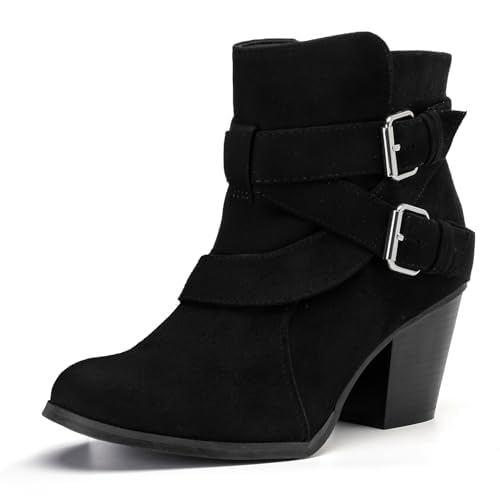
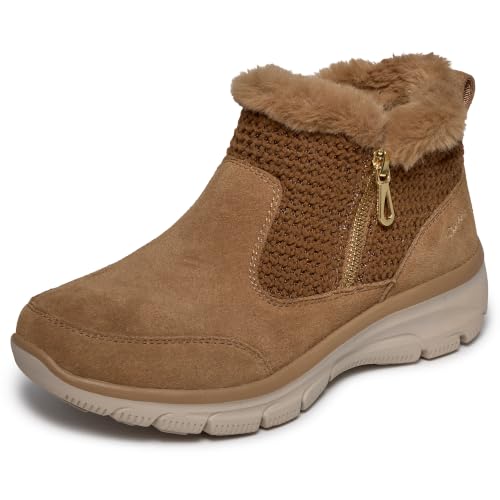


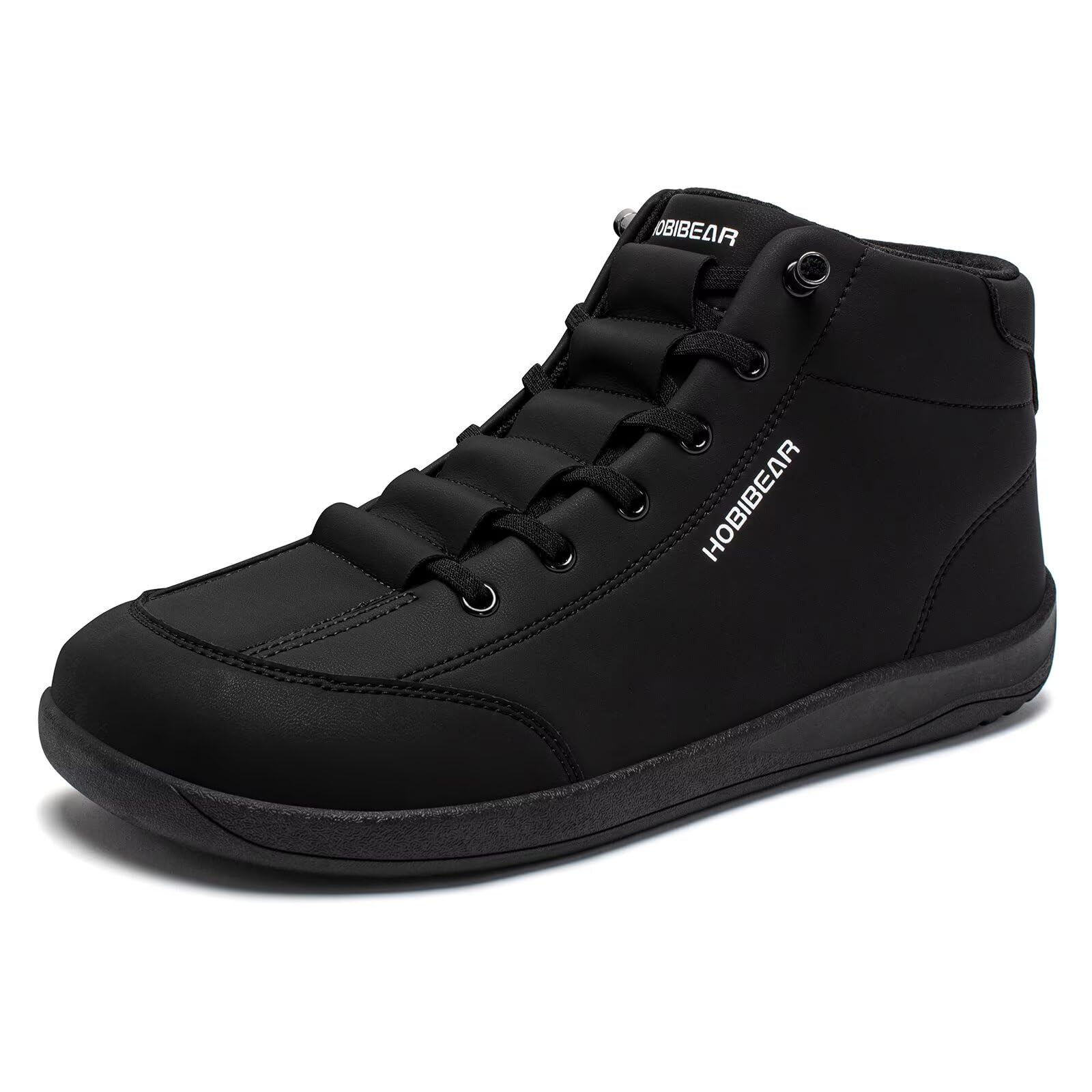
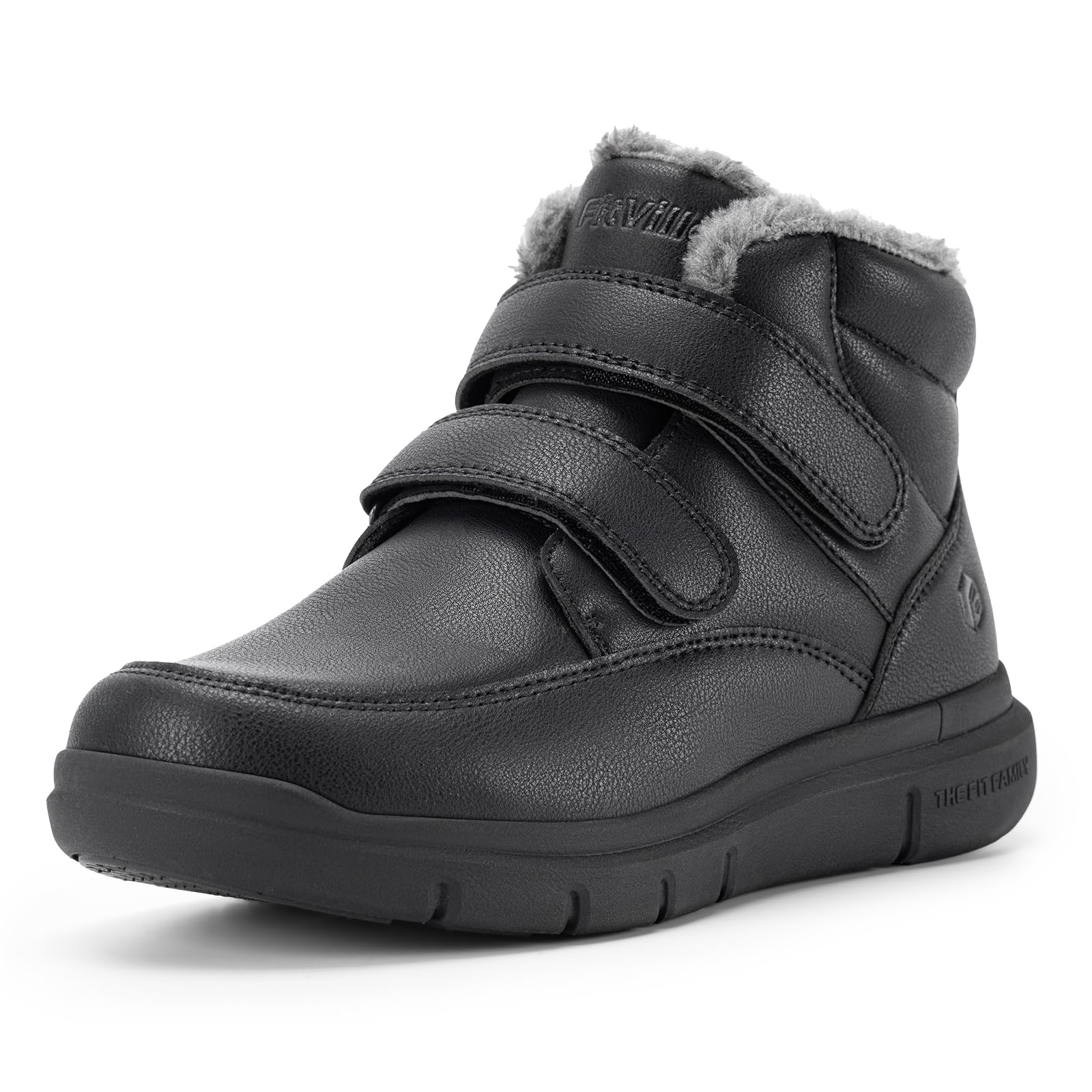
Who Should Buy Which Boots for Swollen Ankles?
Start with when your swelling is worst and what you do while wearing boots. That pattern matters more than color or brand, and it points to the closure, height, and support below.
Swelling can also be a health signal, so pay attention to changes that are new or sudden. See a doctor promptly if swelling appears in one ankle only, comes with pain, redness, warmth, or fever, or arrives with shortness of breath or chest pain. This guide covers fit and comfort only, so talk with your clinician about your personal needs.
People Whose Ankles Swell During Long Work Shifts
You stand, walk, and pivot for hours, and your ankles are often largest near the end of a shift. Choose lace up boots with a wide ankle opening, firm cushioning, and a stable sole that does not twist easily. Breathable lining helps during indoor work. If heat builds indoors, see our guide to the best sandals for swollen ankles for open footwear to change into at home.
People Whose Swelling Changes From Morning to Evening
Your morning size may not match your evening size, so fixed tight uppers will frustrate you. Look for long laces, a side zip for quick entry, and laces you can loosen in small steps as the day changes. A roomy shaft avoids a sharp edge at the calf. For lower cut daily wear, see our guide to the best shoes for swollen ankles and feet for days when boots feel too warm.
Walkers Who Need Steady Support in Wet Weather
You walk on wet pavement, grass, or light trails and need grip more than a tall rugged shaft. Choose a waterproof membrane, deeper lugs, and a collar that seals out splash without pressing the ankle. Pick a firm heel counter and a sole that bends at the toes. Shorter styles can work in town, and you can see our guide to the best ankle boots for city use.
Key Features to Compare
Compare these five factors in order. Fit and adjustability come first, because support and traction help little if the boot squeezes by evening.
Adjustable Closures and a Roomy Ankle Opening
Closures decide whether a boot adapts or fights you. Full laces let you keep the forefoot snug while leaving the top hooks looser and still locking the heel. Side zips speed entry but offer less fine tuning, while wide shafts and soft padded collars spread pressure over a larger area. Avoid stiff collars and tight elastic panels that dig a line into swollen skin. Try closures with the socks you plan to wear most.
Fit Checks for Ankles That Grow Through the Day
Shop and measure late in the day, when your feet are largest, and measure both feet while standing. Leave about half an inch in front of your longest toe, and choose a wide toe box so toes can lie flat when fluid shifts downward. Volume matters as much as length, so a boot can be long yet still feel tight over the instep. If one foot is larger, fit that foot first.
Padding and Support That Ease Pressure on Tender Ankles
Cushioning softens each step, while arch support spreads load across the foot and can reduce tired arches on hard floors. Look for a firm midsole rather than a very soft one, because deep soft foam can let the foot roll and feel unstable. A low heel to toe drop of about 4 to 8 mm suits many walkers who want a level stance. Stability also comes from a broad outsole and a heel counter that holds the rear foot centered.
Waterproofing With Gore Tex and Breathability
A Gore Tex membrane blocks rain and puddles while letting some vapor escape, which suits wet commutes and damp trails. Waterproof boots still breathe less than unlined mesh or leather, so they can feel warm during long indoor shifts. Choose waterproofing if your feet often get wet, because damp socks add friction and chill. If you mostly stay indoors, a breathable upper will usually feel cooler and lighter indoors.
Lightweight Build, Traction and Easy Entry
Heavy boots tire legs that already feel heavy, so aim for a lightweight build you can lift without effort at the end of the day. Lugs about 3 to 5 mm deep grip wet pavement and park paths, while very deep lugs can feel clumsy on smooth floors. Pull loops and a side zip help when bending or pulling feels hard. Check that the sole flexes at the ball of the foot, not in the middle.
Boot Styles Compared for Swollen Ankles
Lace up hiking style boots give the most tuning and support for walks and uneven ground, but they take longer to put on. Side zip casual and work boots are faster for shifts and errands, though tuning is coarser. Pull on styles with wide shafts are quickest, yet they offer the least control if swelling drops and the boot starts to slip.
Use a simple test before you keep a pair. Wear the boots at home in the evening for 30 minutes, walk stairs, sit, and stand, then check for red marks, heel slip, or toe pressure. When you shop for the best boots for swollen ankles, that evening test tells you more than a quick morning try in a store.
Choose height by task. Ankle height suits town use and driving, mid calf height adds splash cover and support, and tall shafts only help if the top edge stays loose. A tall shaft that cuts in at the calf undoes the room you gained at the ankle.
Common Mistakes to Avoid
These errors are common, and each one is easy to spot before you buy.
- Buying boots in the morning means the fit can turn tight and painful by evening.
- Sizing up two sizes adds length without adding ankle room, so your heel slips and blisters can form.
- Choosing a stiff narrow collar presses swollen skin, so redness and soreness build during the day.
- Ignoring return terms leaves you stuck with boots that only fit on a low swelling day.
- Paying for deep trail lugs for office floors adds weight and stiffness, so walking indoors feels clumsy.
Care and Maintenance for Boots for Swollen Ankles
Loosen laces fully before you take boots off, so you never force a swollen ankle through a tight opening. Air dry wet boots at room temperature away from direct heat, and remove insoles so air can reach the inside. Wipe mud from soles and uppers, then let leather dry fully before conditioning.
Rotate two pairs if you wear boots daily, because foam needs a day to recover its shape. Store boots upright with laces loose and the shaft open, not folded or crushed. Replace insoles when they stay flat after a rest day, and retire boots when tread wear changes your stance.
Boots for Swollen Ankles: Your Questions Answered
What features matter most in boots for swollen ankles?
Adjustability matters most, followed by a roomy ankle opening and stable cushioning. Those three decide whether a boot stays comfortable as size changes during the day. One point many buyers miss is the return window, so buy where evening home trials and returns after indoor wear are allowed. That test matters more than a quick store fitting.
Do I need waterproof boots for swollen ankles?
You need waterproof boots only if rain, puddles, or wet grass are part of your normal week. For mostly indoor use, breathable uppers are usually the better trade. A useful middle path is water resistant leather for light splash. Keep dry spare socks at work if your commute is wet.
Can I wear boots for swollen ankles all day?
Yes, you can wear boots for swollen ankles all day if the fit still feels kind in the evening. Build wear time over the first week, and loosen the top laces during seated breaks when you can. Short walks during breaks can keep you more comfortable than sitting still for hours. Stop and change footwear if numbness or sharp pain appears.
How long is the break in period for boots for swollen ankles?
The break in period for boots for swollen ankles is often about one to two weeks of short daily wear. Start with one hour at home, then add time as long as no hot spots form. Soft uppers settle faster, while stiff leather may need three weeks. Never push through a blister, because swollen skin can mark and rub sooner than usual.
How often should I replace boots for swollen ankles?
Replace boots for swollen ankles when support or fit changes, not on a fixed date. Many daily wearers get about 12 to 18 months, but tread wear is the clearest signal. Retire a pair when lugs look smooth at the heel or one side of the heel wears down. Worn boots can change your gait.
How should boots for swollen ankles fit?
Boots for swollen ankles should fit snug at the heel, roomy at the toes, and gentle at the ankle. Your toes should wiggle and your heel should lift only slightly. Try a runner loop to lock the heel, because that lets you keep the top looser while the foot stays secure.
Wrapping Up
Focus on three checks: adjustable fit at the ankle, room measured late in the day, and a stable cushioned sole that suits your ground. Match height and waterproofing to your real week, not to a rare trip. Use the product table above to compare closures, shaft room, and weight side by side, then choose the best boots for swollen ankles for the use you repeat most.