Best Boots for Skinny Calves for 2026: Types Compared and How to Choose
Disclosure: We may earn a commission when you buy through links on this page, at no extra cost to you. As an Amazon Associate I earn from qualifying purchases. Learn more

Compare best boots for skinny calves by shaft fit, calf adjustment, closure, and comfort, with sizing tips for narrow calves and high boot styles.
Shopping for best boots for skinny calves can feel frustrating when a boot fits the foot but gaps around the leg. A shaft that is too wide can slip, rub at the ankle, and make the boot feel loose even when the foot size is right. The fix is not to size down the foot, but to choose a shaft, closure, and calf shape that match a narrower leg. The comparison table below sets out the main boot types so you can see those differences at a glance.
This guide compares boot types by shaft fit, adjustment, and comfort, then explains how to measure and choose. It keeps the focus on general fit and comfort, with no claims about changing the shape of the leg. With a few measurements and the right closure, a narrow calf can still get a secure, comfortable boot.


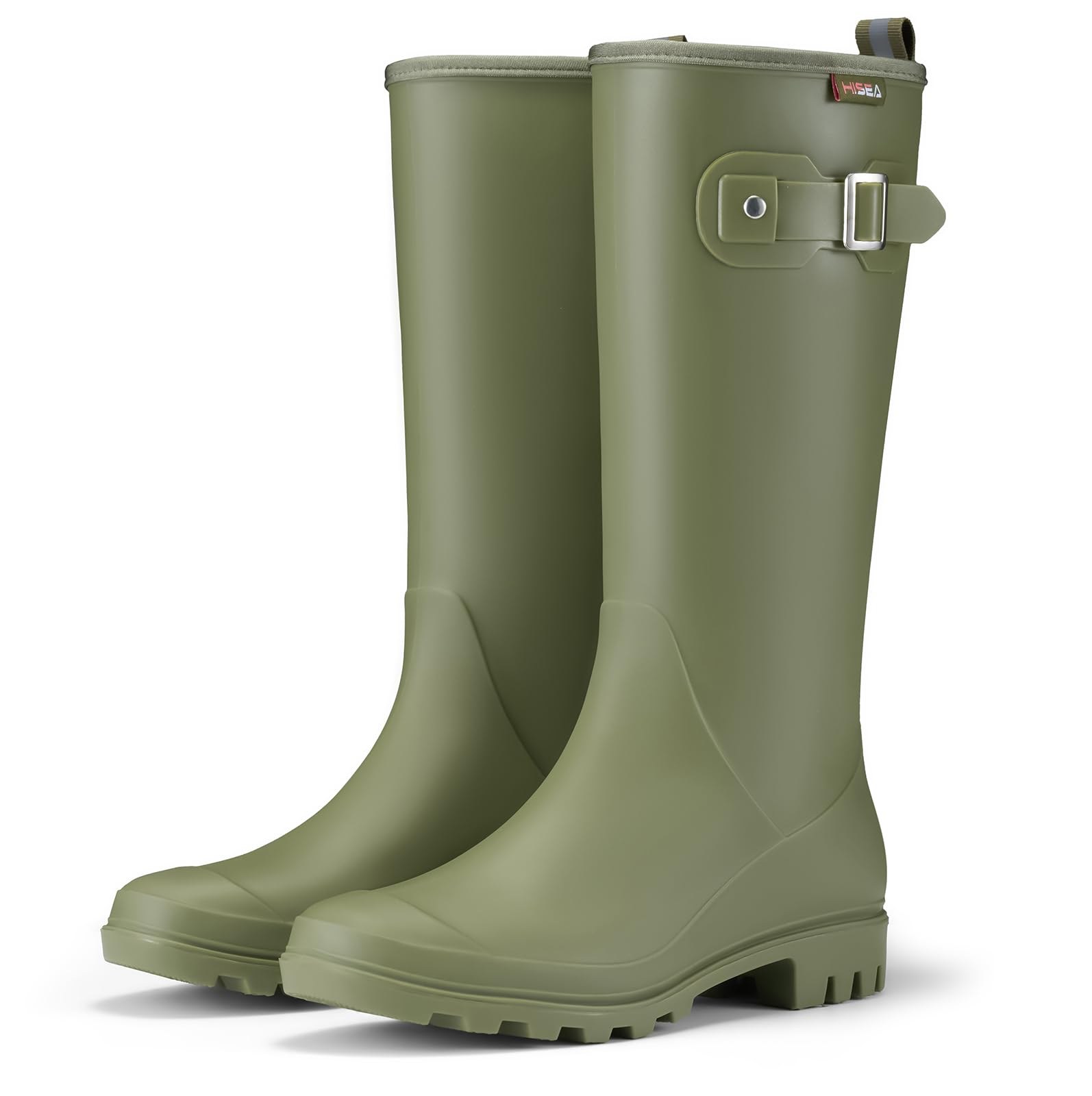
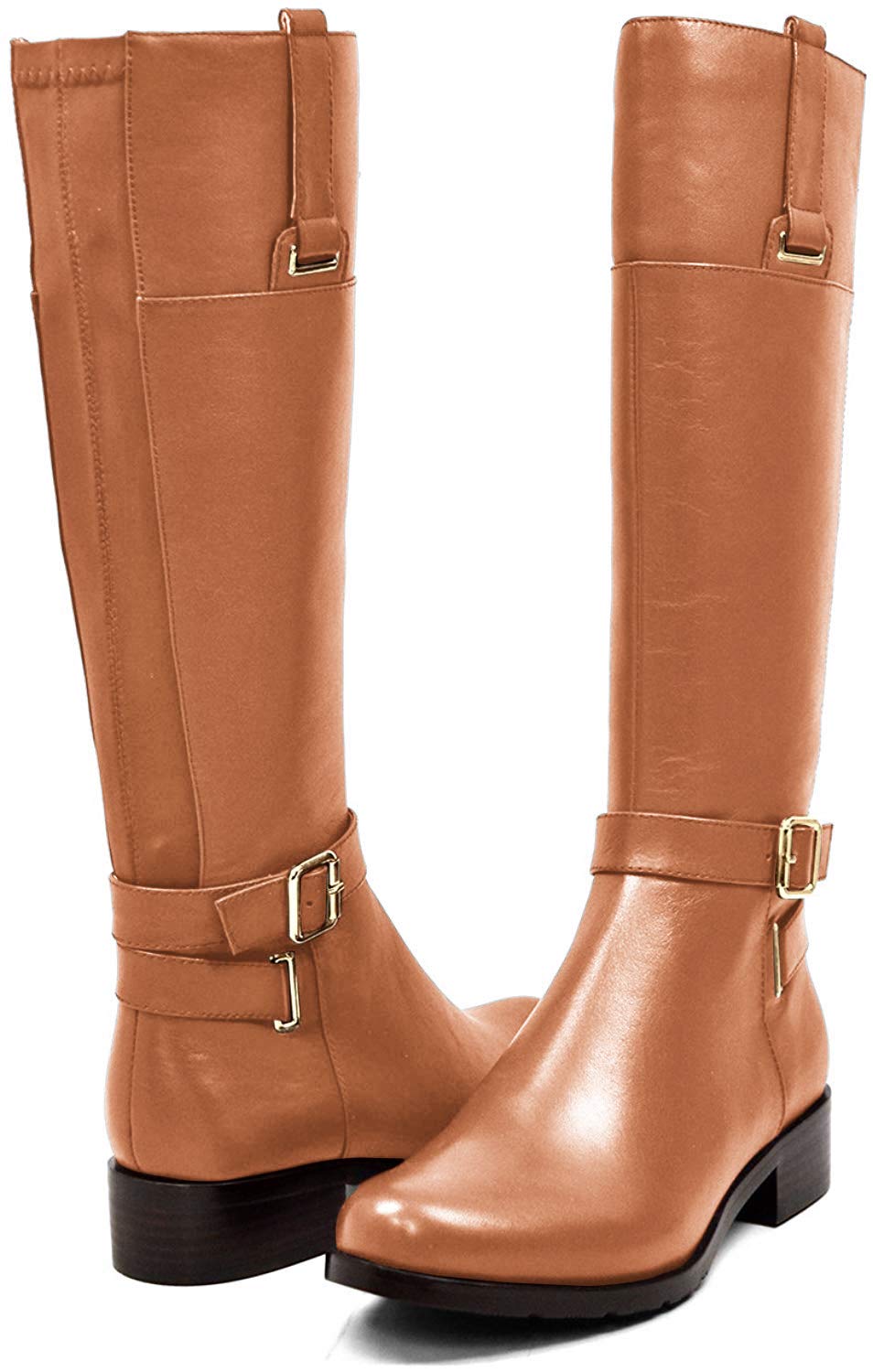


Types of Boots Compared
Boot types differ most in how the shaft hugs the calf. Some rely on laces for a close fit, some use a side zip plus an adjustable strap, and some use stretch panels that flex with the leg. The table below gives a quick view, and the sections that follow explain who each type tends to suit.
| Type | Best For | Pros | Cons | Typical Price |
|---|---|---|---|---|
| Lace up boots | Narrow calves that need a close fit | Fine fit control from ankle to top | Slower to put on | about $80 to $180 |
| Side zip boots with straps | Everyday wear with easy entry | Quick entry and calf adjustment | Less fine tuning than full laces | about $70 to $160 |
| Waterproof boots | Wet weather and outdoor work | Weather protection and sturdy soles | Can feel heavier and warmer | about $90 to $200 |
Lace Up Boots
Lace up boots give the most control over calf fit, because you can tighten the lower shaft for ankle support and ease the upper shaft where the calf is narrowest. This control helps when one leg is slightly smaller than the other, or when you wear different sock weights through the seasons. A lace up boot also tends to stay in place during walking, since the laces hold the shaft close to the leg instead of letting it swing. The trade off is time, because full laces take longer to adjust than a zip, and the laces need occasional replacement if they fray.
Side Zip Boots with Adjustable Straps
Side zip boots are easy to step into, and a strap at the top or back can close the gap that a plain zip shaft often leaves on a narrow calf. This type suits daily wear, commuting, and short walks, where quick entry matters more than a fully custom fit. Look for a strap that moves in small steps, rather than a single snap position, so you can fine tune the top of the shaft. A side zip boot should still feel snug at the ankle when the zip is closed, because ankle hold keeps the foot from sliding forward inside the boot.
Waterproof Boots
Waterproof boots add weather protection to the fit question, and they often have a sturdier sole and a slightly stiffer upper. That structure can help a narrow calf, because a firm shaft holds its shape instead of collapsing around the leg. On the other hand, a stiff waterproof boot may need a short indoor trial to confirm that the top edge does not press the front of the shin. Check that the waterproof lining does not make the interior feel tight, and choose a shaft height that matches your leg length so the top does not sit on the knee.
Side Zip Boots versus Lace Up Boots: Which Should You Choose?
Side zip boots win on speed and ease, while lace up boots win on fine fit control. If you put boots on and off many times a day, a zip plus a strap is often the more practical choice, as long as the strap can close the calf gap. If your calves are much narrower than the standard shaft, or if the two legs differ in size, laces give you the control to match each leg. Comfort also differs: a lace up boot spreads pressure along the whole shaft, while a zip boot concentrates adjustment at the strap point.
Try both styles with your usual socks, walk on a hard floor, and notice whether the shaft stays close to the leg without pinching at the top edge.
How to Choose the Right Boot
Four fit points decide most outcomes for narrow calves. The shaft circumference should match your calf at the widest point of the boot, not just at the top. The closure should adjust in small steps. The foot fit should stay true to your foot size, without sizing down to fix a leg gap.
The ankle should feel held, so the foot does not slide inside a shaft that is too roomy.
Arch Support and Foot Type
Flat feet, high arches, and feet that roll inward each need a different kind of support, but the support should feel gentle and even. A contoured insole can spread weight and reduce pressure on the forefoot, while a firmer heel counter can help a foot that rolls inward stay aligned. If you have a high arch, extra cushioning under the midfoot often feels better than a rigid support. Test the boots with your usual socks and any insole you plan to use, and notice whether the arch feels supported without pressing in one spot.
Cushioning and Support
Cushioning and support work together: cushioning softens each step, while support keeps the foot aligned. A neutral boot suits a foot that lands fairly straight, while a stability boot suits a foot that rolls inward more than usual. Sole thickness also matters, because a very thick sole can feel unsteady on a narrow leg, while a very thin sole can feel harsh on hard ground. Heel to toe drop, the height difference between heel and forefoot, changes how the foot strikes the ground, so a lower drop often feels more natural for walking, while a higher drop can feel easier on the calf during long days.
Fit, Sizing, and Toe Box
Measure both feet in the afternoon, while standing, and use the larger foot as your guide. Measure the calf too, at the widest point where the boot shaft will sit, and compare that number with the shaft circumference listed for the boot. A toe box that lets the toes wiggle without sliding forward is a good sign, and there should be a small gap between the longest toe and the front of the boot. If you use an insole, test the fit with that insole in place.
When a size feels borderline, consider the wider width option before going up a full size, because extra length alone can cause the foot to slide.
Features That Matter for Skinny Calves
For narrow calves, three features matter most: shaft circumference, closure range, and top edge shape. A shaft made for a narrow calf, or a shaft with an adjustable strap, closes the gap without forcing you to size down the foot. Laces, straps, and stretch panels each adjust in a different way, so choose the one that matches how much adjustment you need. The top edge should sit flat against the leg, not flare outward or dig into the shin.
A boot with a slightly shorter shaft can also help, because it sits below the widest part of the calf and needs less adjustment to feel secure.
Picking the Right Boots for Different Uses
Different uses call for different shaft heights and closures, even when the calf size stays the same. Everyday boots benefit from a quick closure and a shaft that stays close during walking. Outdoor boots benefit from a firmer sole and a shaft that keeps out debris. Dressier boots benefit from a clean shaft line, which often means a strap hidden inside the shaft rather than a bulky buckle on the outside.
Best High Boots for Skinny Calves: Which Type Works Best
Best high boots for skinny calves need extra attention to shaft fit, because a taller shaft has more room to gap. Lace up high boots usually work best here, since laces adjust along the full height of the shaft, from ankle to top. A high boot with a back strap or an inner elastic panel can also work, as long as the top closes without pinching. Check the shaft height against your leg length, so the top does not press behind the knee when you sit or climb stairs.
For high boots, a related guide to the best tall boots for skinny calves compares taller shaft options in more detail.
How to Make Your Boot Last Longer
Good care keeps the shaft shape and the cushioning even. Air dry wet boots away from direct heat, because heat can stiffen leather and warp insoles. Rotate two pairs for daily wear when possible, so each pair can dry fully and recover its shape. Replace walking shoes after about 300 to 500 miles, and check boots for a similar pattern of sole wear and flattened cushioning.
Clean the shaft gently, keep straps and zips free of grit, and store boots upright so the shaft does not fold and crease. Check the tread and heel regularly, and retire boots when the sole wears smooth or the upper loses its hold on the foot.
Other narrow calf options can help you compare shaft styles. See our guide to the best riding boots for skinny calves for a taller, structured shaft, and our guide to the best women's boots for skinny calves for cuts shaped for a narrower leg. For snow and trail use, our guide to the best ski boots for skinny calves covers a very different closure system, while our guide to the best tall riding boots for skinny calves focuses on the tallest shafts.
Frequently Asked Questions
What features matter most in boots for skinny calves?
Shaft circumference, closure range, and ankle hold matter most for narrow calves. A shaft that matches your calf measurement, plus laces or a strap that adjusts in small steps, keeps the boot close to the leg without sizing down the foot. Ankle hold matters too, because it stops the foot from sliding when the shaft is roomy. Together, these three features matter more than color, heel height, or a rugged outer look, and they should be checked before any other detail.
Can I wear boots for skinny calves all day?
Yes, you can wear a well fitting boot all day if the foot size is right and the shaft stays close without pinching. A boot that gaps at the calf can rub at the ankle over time, so check for red marks after a long day and adjust the closure if needed. Cushioning that feels even from heel to toe helps on long days, and a second pair to rotate can reduce fatigue. If the top edge presses the shin after sitting, try a slightly shorter shaft or a different strap position.
How often should I replace my boots?
Replace boots when the cushioning flattens, the tread wears smooth, or the shaft no longer holds its shape. For daily walking, that often happens after many months of regular use, and the 300 to 500 mile guide for walking shoes gives a rough sense of timing. Watch for uneven heel wear, a midsole that feels flat on one side, or a shaft that starts to flare outward. If a boot that once felt secure starts to slip at the calf, the shaft material may have stretched and it may be time for a new pair.
Do I need waterproof boots for skinny calves?
Waterproof boots help in rain, mud, and snow, but they are not needed for every routine. A waterproof membrane can keep feet dry, yet it can also add warmth and stiffness, so consider your climate and how long you stay outdoors. If you do choose waterproof boots, make sure the shaft still closes well on a narrow calf and the lining stays smooth inside. For dry indoor routines, a breathable boot often feels more comfortable and dries faster between wears.
Are expensive boots worth it for skinny calves?
Higher prices often buy better materials, steadier shaft construction, and more precise closures, but price alone does not guarantee a good calf fit. A mid priced boot with a narrow shaft option, an adjustable strap, and a secure ankle can feel better than a costly boot with a wide, fixed shaft. Focus first on shaft circumference, closure range, and foot fit, then compare prices within the group that passes those tests. A good return policy matters too, because calf fit over a full day is hard to judge in a short try on.
The Bottom Line
The best choice balances three things: a shaft that matches your calf, a closure that adjusts in small steps, and a foot fit that stays true to your foot size. Measure the calf and the foot in the afternoon, test with your usual socks, and give the boots a short indoor trial before a long day out. The product table above can help you compare those basics once you know which boot type fits your routine.
If you remember one rule, let it be this: do not size down the foot to fix a leg gap. Choose the shaft and closure that fit the leg, keep the foot size honest, and let comfort over a full day be the final test. With those steps, best boots for skinny calves becomes a practical fit question, not a compromise between a good foot fit and a loose shaft.