
Best Boots for Short Women: What Actually Matters Before You Buy 2026
Disclosure: We may earn a commission when you buy through links on this page, at no extra cost to you. As an Amazon Associate I earn from qualifying purchases. Learn more

Shopping for boots that suit a shorter frame? Compare shaft height, heel shape, weight and fit so your boots look balanced and feel comfortable all day.
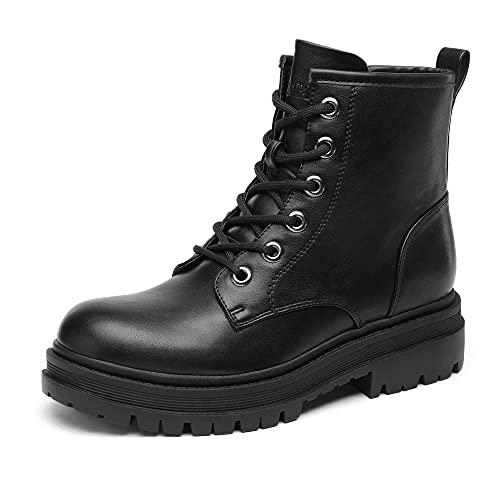
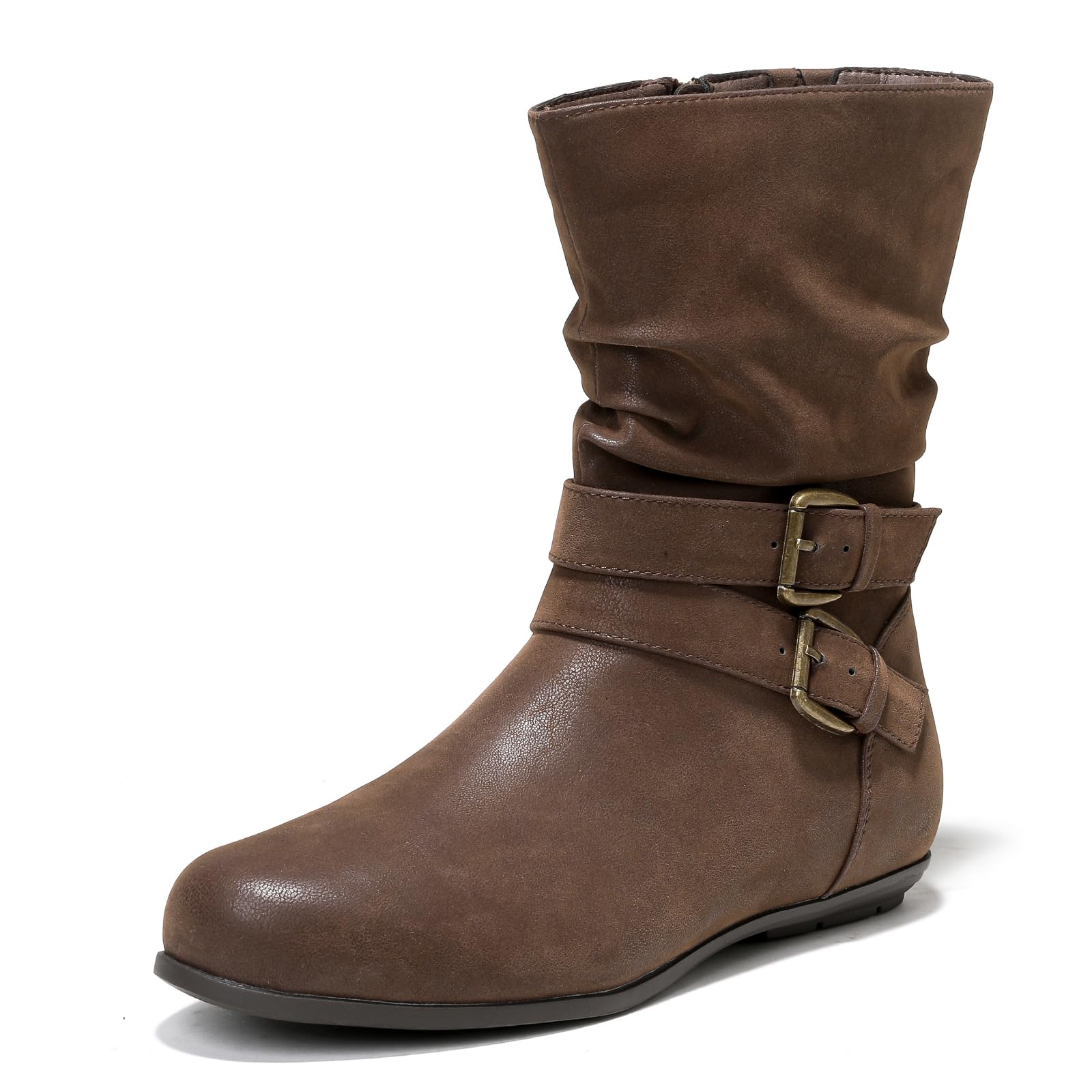
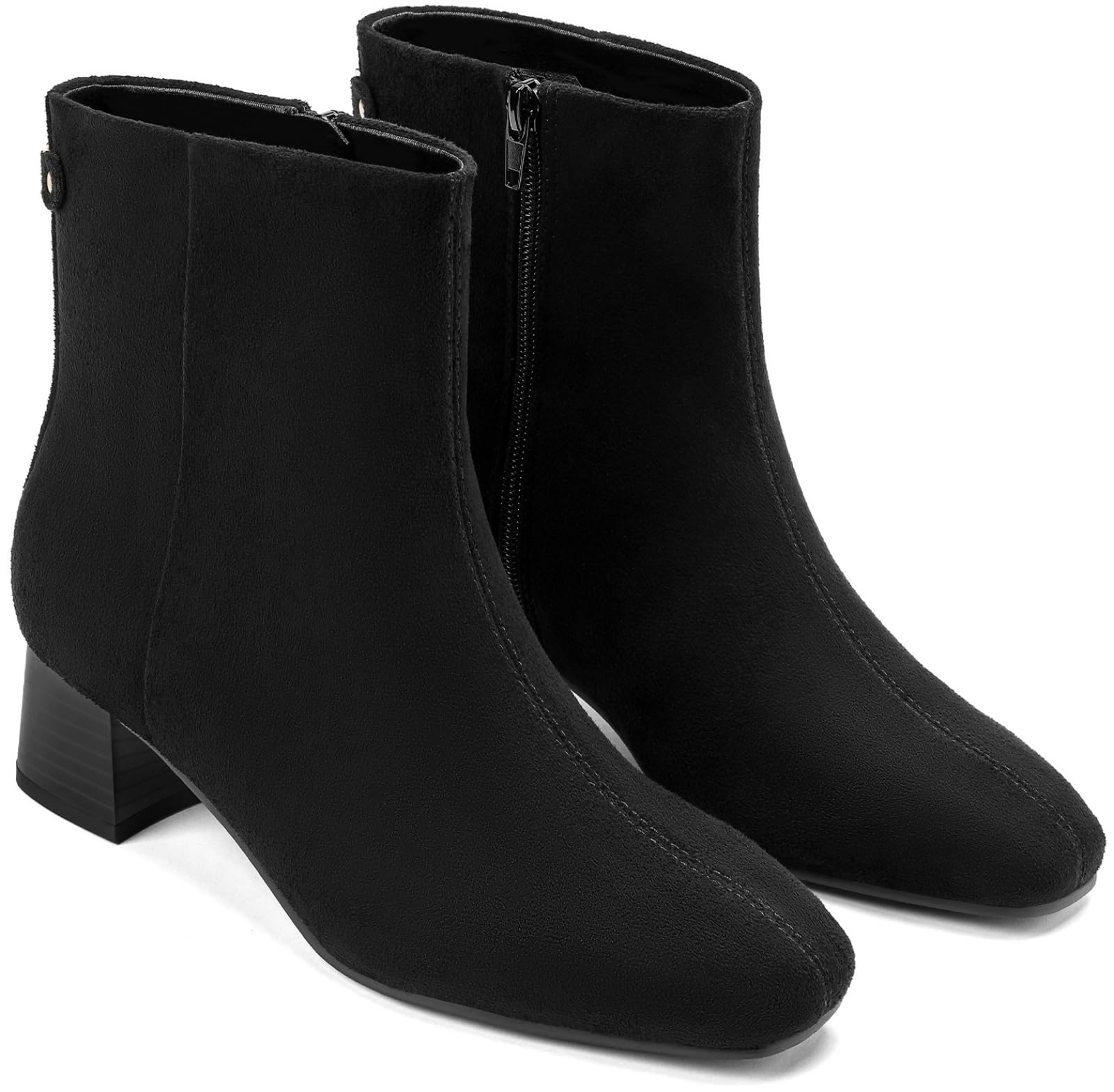
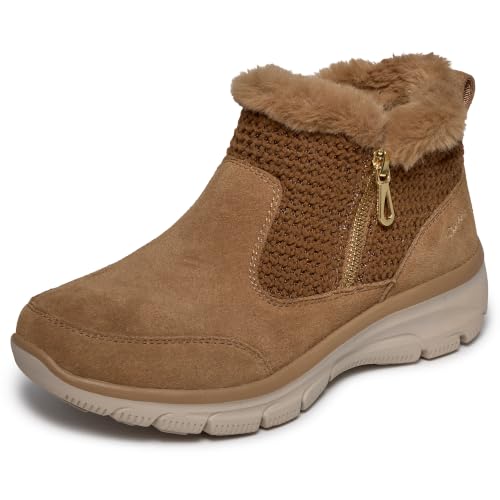
Finding the best boots for short women is less about following a trend and more about proportion. A boot that looks balanced on a taller frame can overwhelm a shorter leg, pinch at the calf, or add bulk where you do not want it. The comparison table below can help you weigh the main types side by side before you narrow your choice.
The right pair should fit your foot, sit well on your calf, and match how you actually spend your day. This guide walks through a practical checklist, so you can judge any pair on fit and function rather than on styling alone.



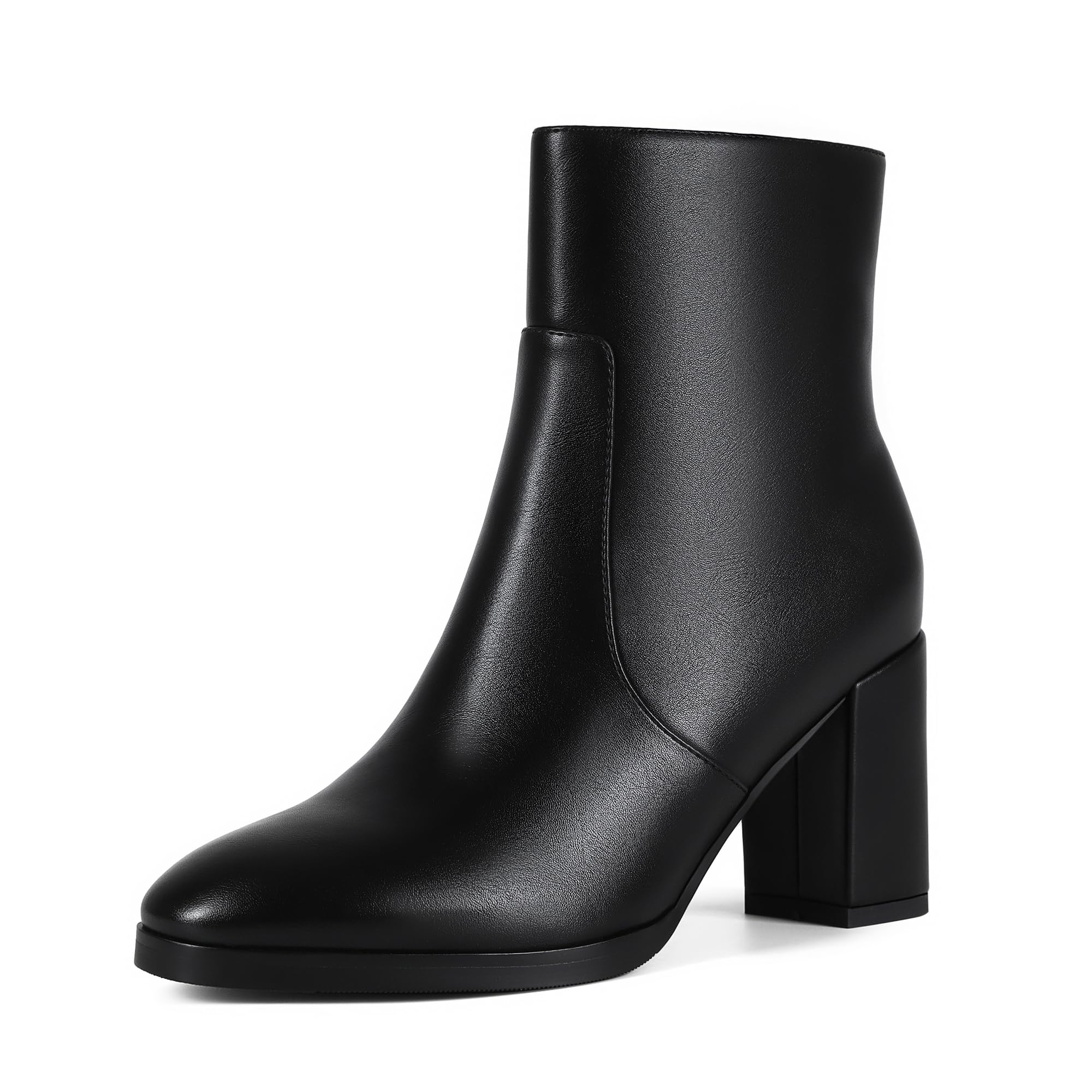
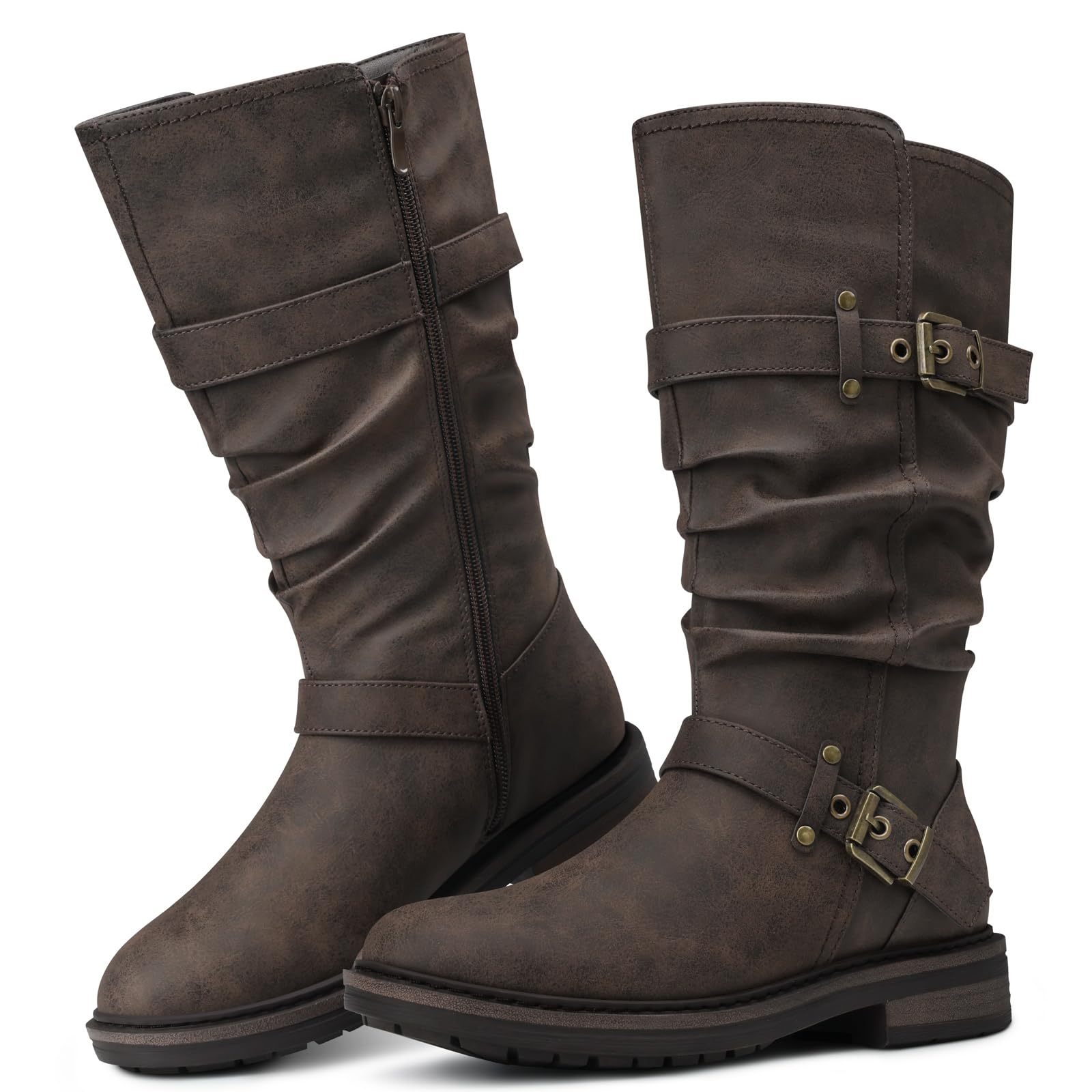

Key Features Checklist for Shorter Legs
Use this checklist as a filter, not as a score. A boot only passes when it fits your foot, suits your leg length, and works for your daily routine. If one of those three points fails, the other features rarely make up for it.
What Women Should Look For
Start with foot shape, not with the outside look of the boot. Look for a roomy toe box that lets your toes spread, a heel counter that holds your heel steady, and a sole that bends where your foot bends. Check whether the maker offers smaller sizes and narrower widths, since a boot built on a wide last can feel loose even when the length is right. A secure ankle fit matters more than a tall shaft, because it stops your foot from sliding forward and crowding your toes.
Features That Matter for Short Legs
Shorter legs change which proportions work. Shaft height is the biggest factor: a shaft that ends just below the knee often looks more balanced than one that reaches the knee, and ankle boots usually keep the leg line longer. Calf width matters just as much, since a wide shaft can gap or slip on a slim calf. A lower heel or a modest platform keeps the boot in proportion and makes walking easier, while a very high heel can throw your balance off on uneven ground.
Fit, Sizing, and Toe Box
Measure your feet in the afternoon, when they are slightly larger, and measure both feet. Wear the socks you plan to use with the boots, and stand while you check the fit. Your longest toe should have a little room in front, and the widest part of your foot should line up with the widest part of the boot. If only one foot is larger, fit the larger foot and use an insole or a thicker sock on the other side.
Try walking on a hard floor, not just carpet, before you decide.
Durability and Expected Lifespan
Durability depends on how often you wear the boots and on what surfaces you walk. Daily wear on pavement wears soles and seams faster than occasional weekend wear. Look for solid stitching, a well attached sole, and an upper that holds its shape after a few weeks of use. Replace them when the sole is worn smooth, the heel counter collapses, or the upper no longer supports your ankle.
A pair that still looks neat can be past its useful life.
Weight and Flexibility
Heavy boots tire shorter legs faster, because each step lifts more weight relative to body size. A lighter boot usually feels easier over a full day, especially if you walk or stand a lot. Flexibility matters too: the sole should bend at the ball of the foot, not in the middle, and the ankle area should move with you without pinching. Very stiff boots can feel protective at first, then cause blisters at the ankle or across the top of the foot.
Break in time should be measured in days of short walks, not in weeks of discomfort.
Waterproofing and Breathability
Waterproof membranes, including Gore Tex style membranes, keep rain out but can trap warmth inside. Choose full waterproofing for wet commutes, muddy paths, and winter slush. For dry weather and indoor wear, a water resistant finish with a breathable lining often feels more comfortable. Check how the boot is sealed at the seams, since an untreated seam can let water in even when the upper material is waterproof.
Always let wet boots dry at room temperature, away from direct heat.
What Different Price Levels Buy
Price tiers tell you what to expect, not which pair to buy. Lower cost boots often use simpler soles and thinner linings, and they can work well for occasional wear. Middle cost boots usually add better cushioning, stronger stitching, and more size options, which matters if you wear boots most days. Higher cost boots tend to offer finer leather, better waterproofing, and more careful finishing, but they only make sense when the fit is right.
Pay for fit and construction first, and treat extra features as a bonus.
Watch for hidden costs as well. Insoles, waterproofing spray, and resoling can add up over time, so a cheaper pair that needs frequent replacing may cost more in the long run. On the other hand, an expensive pair that pinches is never good value. Set a budget range before you shop, then judge every pair inside that range on the checklist above.
For rainy days, see our guide to the best short rain boots for women, and for cold weather, see our guide to the best short winter boots for women. In warmer months, our guide to the best sandals for short women covers open styles that suit shorter legs.
Quick Buyer Checklist
- Does the shaft height suit your leg length, and does the calf fit without gaping?
- Does your longest toe have room, and does the toe box let your toes spread?
- Does the heel stay put when you walk, without slipping or rubbing?
- Is the boot light enough for a full day on your feet?
- Does the sole bend at the ball of the foot and grip well on wet ground?
- Does the waterproofing match your weather, without making the boot too warm?
- Can you walk comfortably in the boots for at least half an hour indoors?
- Does the maker offer your size and width, with a clear return policy?
Red Flags to Watch For
Be wary of vague size charts that give no calf or shaft measurements, since those numbers matter most for shorter legs. Short warranties, unclear materials, and missing care instructions can signal a maker that does not stand behind the product. Extremely low prices paired with grand claims about comfort or durability deserve a second look. Also watch for boots that look neat in photos but have a very narrow toe box or a stiff ankle in practice.
If you cannot find basic facts about sole material, lining, and waterproofing, keep looking.
Setup and Care Tips
Break new boots in slowly with short walks around the house, and add thicker socks only if the fit stays comfortable. Air dry wet boots away from direct heat, and stuff them lightly with paper to hold their shape. Rotate two pairs for daily wear when you can, since rest days let the lining dry and the cushioning recover. Replace boots when the sole is worn smooth, the heel counter folds inward, or support fades.
Clean the uppers as the maker directs, and reapply a water resistant treatment when water stops beading on the surface.
Boots: Your Questions Answered
What makes boots for short women different from standard boots?
Boots for short women differ mainly in proportion, not just in size. Shaft height, calf width, and heel height all need to suit a shorter leg, or the boot can look bulky and feel awkward. Makers that design for shorter frames often offer shorter shafts, slimmer calves, and smaller sizes with narrower widths. The goal is a boot that fits the foot and the leg together, rather than a scaled down version of a taller boot.
What features matter most in boots for short legs?
Shaft height, calf fit, weight, and heel height matter most for short legs. A shaft that ends below the knee usually keeps the leg line longer, while a snug calf stops the boot from slipping or gaping. Lighter boots reduce fatigue over a long day, and a modest heel keeps walking comfortable. A roomy toe box and a secure heel counter matter for every wearer, but they matter even more when the boot is already competing for leg room.
How long is the break in period for new boots?
Most boots need a few days of short walks to break in, and softer materials usually settle faster than stiff leather. Wear new boots indoors for an hour or two at a time, and stop if you feel sharp rubbing or pinching. Mild stiffness is normal at first, but pain is a sign of a poor fit rather than a normal break in. If the boots still hurt after several short sessions, consider a different size, width, or style.
Can I wear boots for short women all day?
You can wear boots for short women all day when the fit, weight, and cushioning suit your routine. A secure heel, a roomy toe box, and a sole that bends at the ball of the foot all help over long hours. Lighter boots with good arch support usually feel better than heavy, stiff pairs for standing and walking. Take a short break to change socks or rest your feet when you can, and keep a second pair for rotation.
How often should I replace my boots?
Replace boots when the sole is worn smooth, the heel counter collapses, or the upper no longer holds your ankle steady. Daily wear shortens lifespan, while occasional wear can stretch it to several seasons. Check the tread, the stitching, and the lining every few months, and watch for leaks after rain. A boot that still looks tidy can still be worn out inside, so judge condition by support and grip rather than appearance alone.
Are expensive boots worth it for short women?
Expensive boots are worth it only when they fit better and last longer for your use. Higher cost pairs often offer better leather, stronger stitching, and more size and width options, which can matter for shorter legs. Cheaper pairs can still work well for occasional wear, especially when the fit is right. Compare boots inside your budget on shaft height, calf fit, weight, and sole quality before you judge price.
The Bottom Line
Focus on shaft height, calf fit, and overall weight first, then check toe room, heel hold, and waterproofing. A boot that balances those points will look better and feel better than a taller or heavier pair, whatever the price. Use the product table above to compare types, and let fit decide the final choice. The best boots for short women are the ones that suit your leg, your foot, and your daily routine at the same time.


