Best Boots for Short People Made Simple: A Clear Buying Guide for 2026
Disclosure: We may earn a commission when you buy through links on this page, at no extra cost to you. As an Amazon Associate I earn from qualifying purchases. Learn more

Learn how the best boots for short people should fit, with plain guidance on shaft height, heel height, cushioning, traction and a simple first wear plan.
Buying your first boots is harder when most boots are patterned around taller legs and longer feet. Shafts rise too high, heels feel steep, and a boot that looks fine in a photo can crowd your calf. The best boots for short people solve those proportion problems first, and this guide walks you from the basic terms to a confident choice using the comparison table below.
Start with three numbers: your foot length, your calf circumference at its widest point, and the height from the floor to the back of your knee. Those measurements decide more about comfort than a brand name.


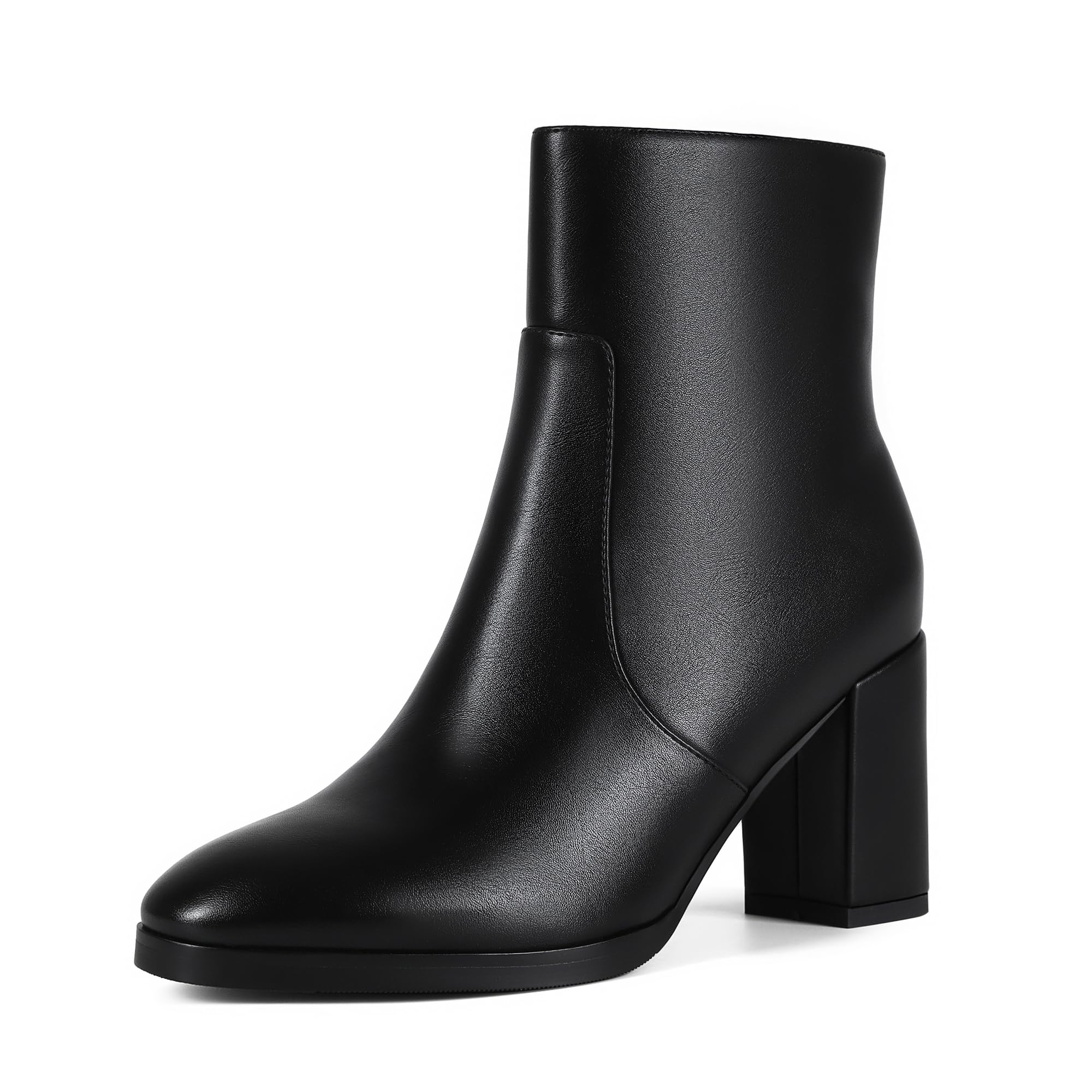
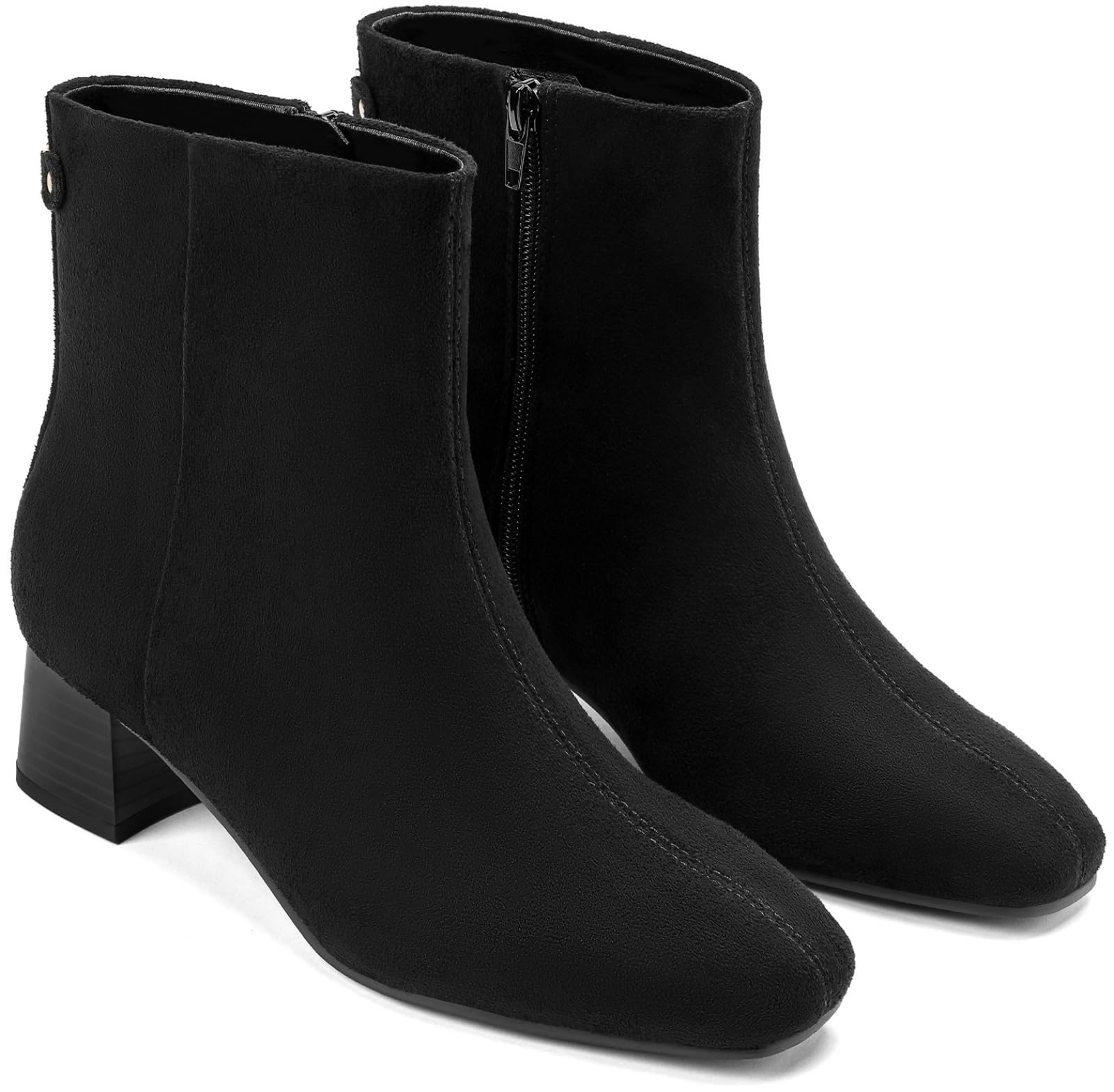

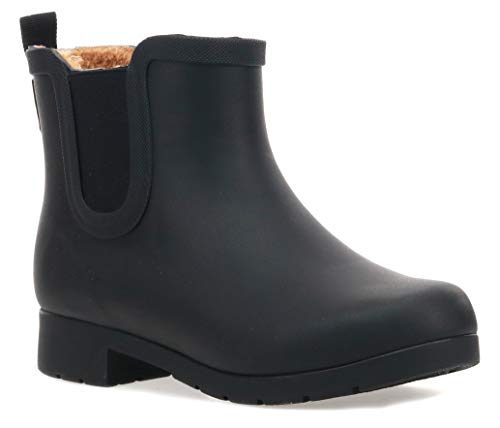
Boots 101: The Basics for Shorter Legs
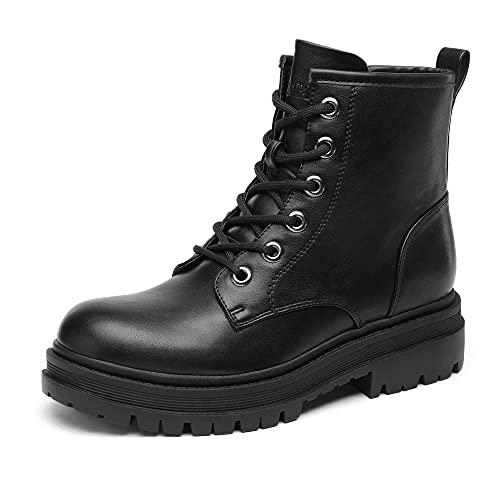
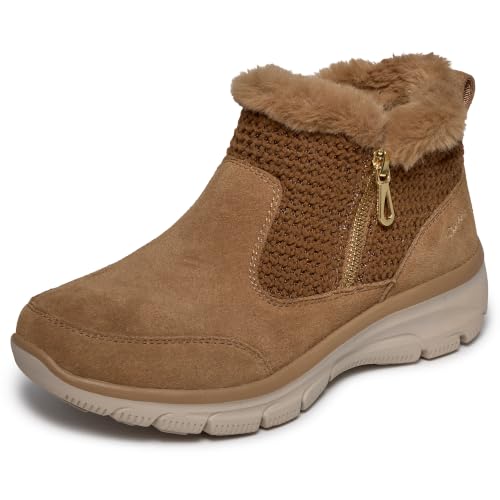
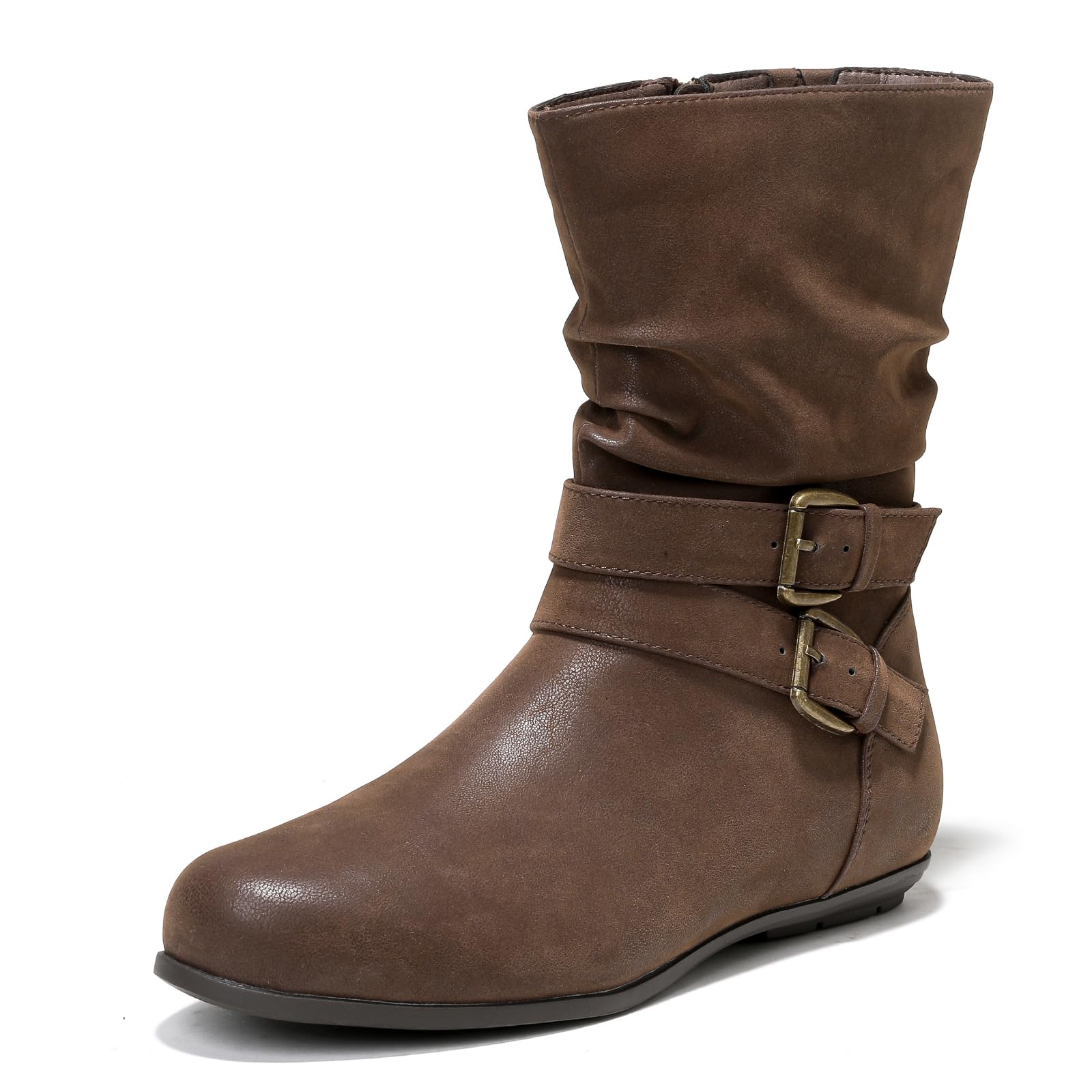
A boot is a shoe that rises above the ankle, and that extra height changes everything for a shorter wearer. The shaft wraps your ankle and calf, the heel counter is the firm cup around your heel, and the outsole is the treaded layer that meets the ground. A tall shaft adds warmth, but on a short leg it can reach the knee and rub the calf.
An ankle boot ends below the calf and pairs well with most outfits. A mid calf boot ends near the widest part of the calf, so its opening must match your calf measurement closely. A knee high boot gives the most coverage, yet its shaft bunches at the ankle.
Who Should Buy Boots Shaped for Shorter Legs
Short Commuters Who Walk and Sit All Day
You split your day between sidewalks, transit platforms, and a desk, so you need a boot that walks well and lets you sit without the shaft digging behind your knee. Choose an ankle or low mid calf shaft, a heel of about 1 to 2 inches, and a replaceable cushioned insole.
Short Hikers and Weekend Trail Walkers
You want grip and ankle support on uneven ground without a heavy boot tiring a smaller frame. Choose a light mid cut boot with a firm heel counter, a lugged outsole, and laces you can tension in two zones, snug at the ankle and looser over the toes. A waterproof membrane suits wet trails, while a mesh upper suits dry paths.
Short Workers Who Stand on Hard Floors
You spend long shifts on concrete or tile, and your feet feel it by evening. Choose a wide, stable heel base, strong arch support, and a slip resistant outsole rated for wet or oily floors where your job needs it. A shorter shaft keeps the boot from fighting your calf as you bend, and a roomy toe box lets your toes spread under load. If pain keeps returning, talk with your clinician about personal needs.
Key Features to Compare
Work through these factors in order, because the best boots for short people are the ones whose proportions fit your leg first.
Features That Matter Most for Short People
Shaft height matters most, because it is set for an average leg that may be longer than yours. Measure from the floor to the back of your knee, then choose a shaft at least 2 inches below that point so you can sit and climb stairs freely. Many standard boots assume a calf of about 14 to 16 inches, so look for narrow calf options if yours measures less.
Sizing and Toe Room on a Shorter Frame
Measure both feet in the afternoon, when they are at their largest, and size to the longer foot. Your heel should stay planted when you walk, with about a thumb width of space before your longest toe. A toe box that is tall as well as wide matters for short feet, because many small sizes are scaled down and end up shallow. A wide fitting in your usual size often beats going up a size.
Weight and Flexibility in a Smaller Boot
A heavy boot protects on rough ground but tires shorter legs sooner, since each step lifts it with a shorter lever. For daily wear and light trails, a pair of about 1.5 to 2.5 pounds feels balanced. Flex the boot by hand: it should bend at the ball of the foot, not in the middle of the arch. A boot that twists easily offers less stability.
Cushioning and Support Underfoot
Cushioning softens impact, while support controls how your foot rolls. A neutral boot suits feet that roll little, and a stability design suits feet that roll inward, because its firmer inner midsole slows that motion. Heel to toe drop is the height difference between heel and forefoot, and many boots sit at about 8 to 12 mm.
Outsole Traction and the Terrain You Walk
Lugs are the raised blocks on the outsole, and their depth sets grip. Shallow lugs of about 2 to 3 mm suit pavement and dry floors, while deeper lugs of about 4 to 6 mm bite into mud and loose gravel. Wide lug spacing sheds mud instead of packing flat, and a defined heel breast helps you brake on downhill slopes.
Arch Support and Your Foot Type
Wet your foot and step on dry cardboard to see your footprint. A full print suggests a flat foot that often needs firmer arch support, a print with a narrow band suggests a high arch that often needs more cushioning, and a print between the two suggests a neutral foot. Stand in the boot and check that the support sits under your arch, not your toes.
First Wear and Break In Steps for New Boots
Wear new boots indoors first, starting with about 30 to 60 minutes on carpet and hard floors. This confirms the fit while returns are still simple, and it lets stiff leather soften where your ankle bends. Add time each day, then take a short outdoor walk before any long day. Lace from the bottom and keep the heel locked with a firmer pull at the top eyelets.
Treat hot spots early. Redness or warmth is a signal to adjust your socks or lacing that day, not a stage to push through, because a blister can end a walking trip. If you feel numbness, sharp pain, or swelling that does not settle overnight, stop and talk with a clinician.
Common Mistakes to Avoid on a First Boot Purchase
- Buying a tall shaft by outfit photos alone leaves the top edge pressing behind your knee when you sit.
- Choosing a high heel for extra height steepens your stride and can leave your calves aching by midday.
- Sizing up to gain width makes the boot too long, so your toes strike the front on slopes.
- Ignoring calf circumference means a wide standard opening can gap and let in rain and grit.
- Wearing brand new boots on a long trip invites blisters, because stiff materials have not yet softened.
- Judging grip on a dry shop floor tells you little about wet pavement, where lug shape matters most.
Care and Maintenance for Your Boots
Brush dirt from the upper and outsole after muddy wear, because grit left in the lugs grinds at stitching and fabric. Air dry wet boots at room temperature away from direct heat, and stuff them loosely with plain paper to hold their shape. Heat from a radiator can crack leather and weaken sole glue.
Condition leather boots when the surface looks dry, and refresh water repellent spray on fabric boots once water stops beading. Store boots upright with laces loosened, and check lug depth each season.
FAQ
What features matter most in boots for short people?
Shaft height, calf fit, and heel height matter most, in that order. Before you order, compare the shaft measurement against your own lower leg, not against the model in the photo, because product photos use taller wearers. Many brands list shaft height in the size details.
Can short people wear boots all day?
Yes, short people can wear boots all day when the shaft clears the back of the knee and the heel stays moderate. Build up to a full day over about a week rather than starting with your longest shift. A spare pair of socks restores cushioning that a compressed pair has lost by afternoon.
Are expensive boots worth it for short people?
Expensive boots are worth it when the extra cost buys a shaft height and calf fit that standard ranges skip. Budget boots at about $60 to $120 often fit well for light daily use, while boots at about $150 to $250 more often offer replaceable insoles and better membranes. A costly boot in the wrong proportions is still the wrong boot.
How long is the break in period for new boots?
Most new boots feel settled after about one to two weeks of regular short wear. Soft fabric and mesh boots may need only a few days, while stiff full grain leather can take three weeks. A useful sign is that the crease across the toe box forms in the same place each day.
Do short people need waterproof boots?
Short people need waterproof boots when their routes cross wet grass, puddles, or snow, and the lower shaft of a shorter boot helps here, because it sits below most splash height from passing traffic. A membrane such as Gore Tex keeps water out but breathes slowly, so breathable boots feel cooler in hot climates.
How should boots fit on shorter legs?
Boots should fit on shorter legs with the shaft top clear of the knee crease, the calf held without squeezing, and the ankle free to flex on stairs. Test the fit by sitting, kneeling, and stepping onto a stair before removing the tags.
Our Verdict
Choose by proportion first: a shaft that clears your knee, a calf opening that matches your measurement, and a heel of about 1 to 2 inches you can walk in all day. Then match cushioning, arch support, and traction to your ground and foot type, and use the product table above to compare details.
When you judge the best boots for short people by those points, the right first pair is rarely the tallest or the costliest one. Buy the boot that fits your leg today and break it in gently.