
Best Boots for Seniors of 2026: Complete Buying Guide
Disclosure: We may earn a commission when you buy through links on this page, at no extra cost to you. As an Amazon Associate I earn from qualifying purchases. Learn more
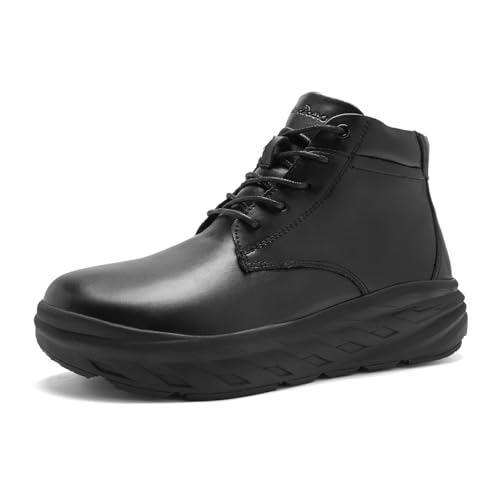
The best boots for seniors offer room for toes, steady grip and easy closures. Learn which fit and support details matter most.
Stiff soles, narrow toes, and closures that demand a lot of bending can turn a simple walk into hard work. The right best boots for seniors should feel steady from the first step, give your toes room to spread, and go on without a struggle. This guide explains the fit and support details that matter most at this stage of life.
Use the comparison table below to compare shaft height, weight, closures, and waterproofing at a glance. Then read on for sizing help, traction advice, and care tips that help a good pair last longer and feel better every day.


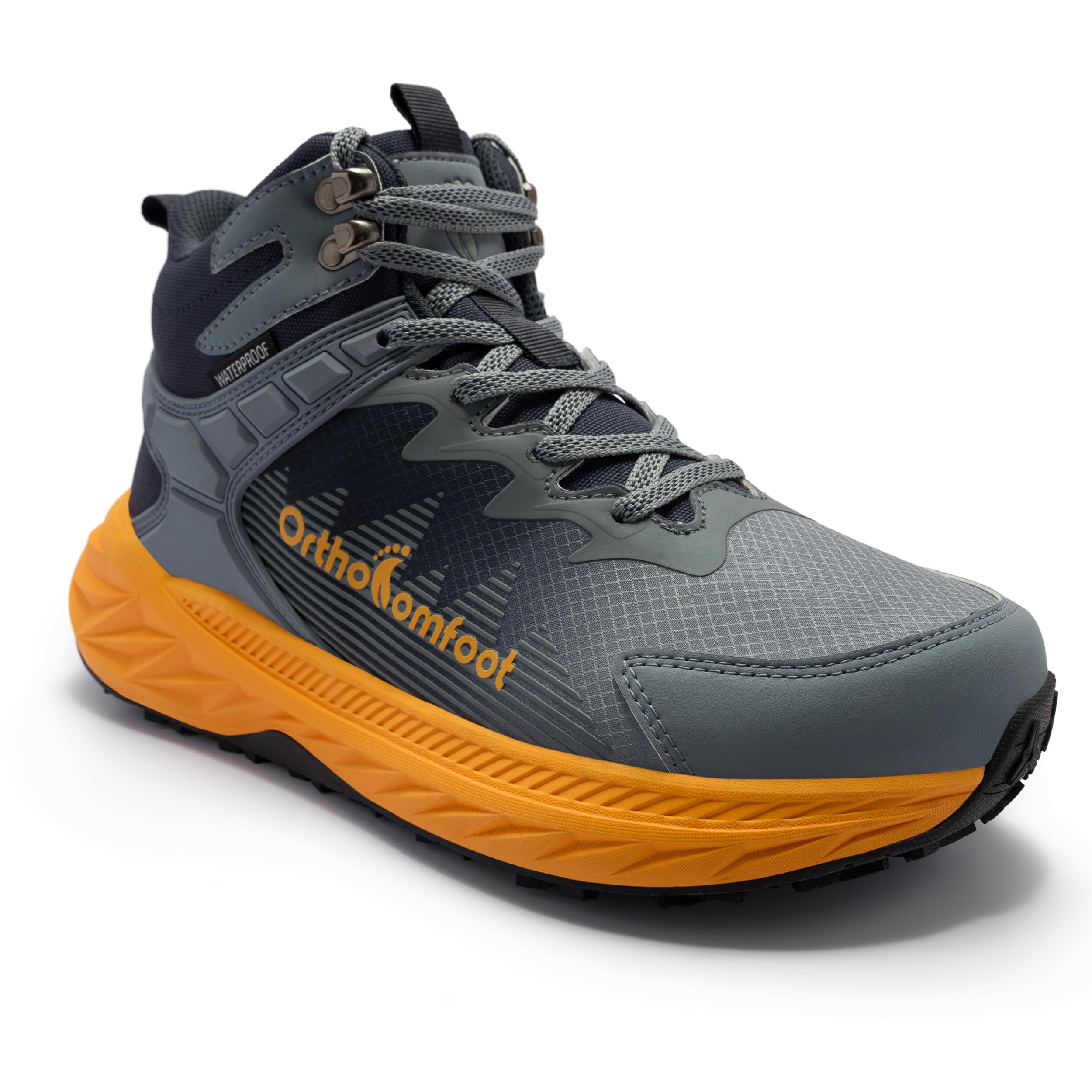

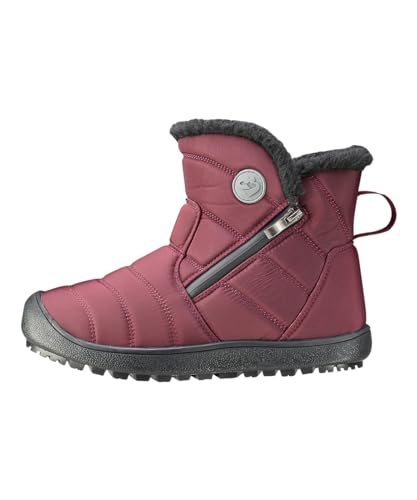
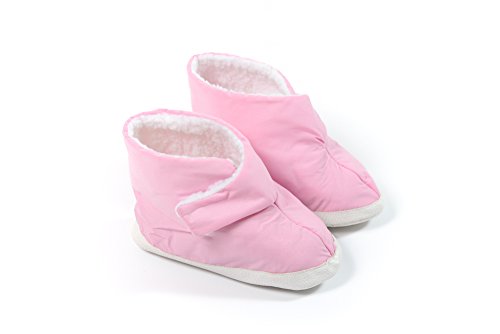
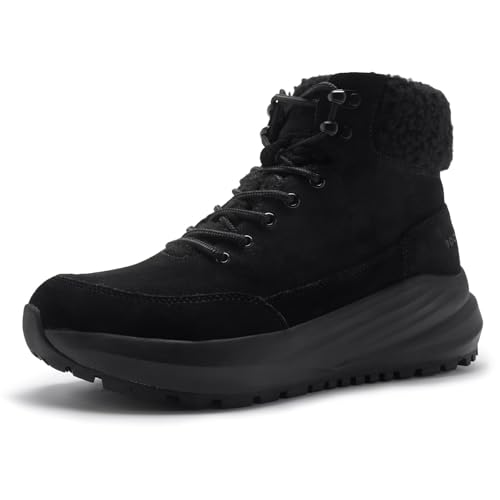
Who Should Buy Which Boots for Seniors?
Your daily routine, your feet, and your balance all point toward a different boot. The three groups below cover the most common needs, so you can match the features to your life instead of guessing from a size chart alone.
Seniors Who Walk Daily for Exercise and Errands
You need a light boot with flexible cushioning that does not fight your stride on pavement and park paths. Look for a moderate heel to toe drop, a padded collar, and shallow lugs that grip wet sidewalks without catching on carpet edges.
Seniors With Sore Arches, Bunions, or Swelling
Feet often widen and swell as the day goes on, and stiff leather across the forefoot can press on bunions and tired arches. Choose a wide toe box, soft or stretchy panels over the forefoot, and real arch support you can feel when you stand. A removable insole matters too, since it leaves room for an orthotic your clinician recommends. Boots that lace in two zones, snug at the ankle and looser across the toes, help you adjust for afternoon swelling.
Seniors Who Need Extra Stability and Fall Prevention
If your balance feels less sure, stability should come before style. A firm heel counter, a wider base under the heel, and a shaft that supports the ankle without locking it stiff can help you feel planted on uneven ground. Flat, wide lugs matter more than deep tread. Avoid tall heels and narrow soles, since both shrink your base and make a stumble harder to recover from.
How to Choose Boots That Fit Senior Feet
This is the heart of the guide. As you shop for best boots for seniors options, work through each factor below and use the product table above to check fit, support, and closures before you order.
What Seniors Should Look For First
Start with weight, because heavy boots tire legs and lift the risk of shuffling and tripping late in the day. Next, check how the boot opens. Side zips, wide openings, pull loops, and hook and loop straps all reduce bending and hand strain, which matters if your back is stiff or your fingers are sore from arthritis. Finally, look for a padded tongue and collar, since thin spots there rub quickly on thinner skin.
Fit, Sizing, and the Toe Box
Measure both feet late in the afternoon, when they are at their largest, and size for the bigger foot. Stand while you measure, wear the socks you plan to walk in, and leave about a thumbs width between your longest toe and the end of the boot. The toe box should let your toes lie flat and wiggle without pressing the sides. If you notice numbness, tingling, new sores, or sudden swelling in one foot, stop and talk with your doctor or podiatrist before your next long walk, and ask about personal fit needs.
Cushioning, Arch Support, and Heel to Toe Drop
Cushioning softens the impact that travels to knees, hips, and the lower back on hard floors. Look for a midsole that feels springy when you press it with a thumb, not rock hard and not so soft that your foot rolls inward. Arch support should fill the arch gently rather than pushing it up. Heel to toe drop describes how much higher the heel sits than the toes. A modest drop of about 8 to 12 mm suits many walkers, while a very flat boot can strain calves used to raised heels.
Waterproofing With Gore Tex and Other Membranes
Waterproof boots keep socks dry in rain, slush, and wet grass, which helps prevent blisters and chilled feet. Gore Tex is the best known membrane, and many brands use their own versions that work in a similar way, blocking liquid water while letting some vapor escape. The trade off is warmth and slower drying once water gets in over the top. If you mostly walk in dry weather, a water resistant treated upper may feel cooler and cost less. Reserve full waterproofing for wet climates and winter use.
Outsole Traction and the Ground You Walk On
The outsole is your only contact with the ground, so its pattern and rubber matter for safety. Shallow, closely spaced lugs suit pavement and indoor floors, while deeper lugs of about 4 to 5 mm bite better on gravel, mud, and packed snow. Softer rubber grips smooth wet surfaces better but wears faster. Check that the sole flexes at the ball of the foot, where your foot bends, rather than in the middle, which can leave the arch unsupported.
Durability and How Long Boots Should Last
A well made pair worn for daily walks often lasts through several seasons, while very soft soles can flatten within months. Leather uppers tend to outlast thin fabric, and stitched soles usually outlast soles that are only glued. Watch the heel and ball area for smooth, worn tread, since grip goes first there. Flattened cushioning is another end point, because once the midsole stops springing back, your joints absorb more of each step.
Break In Period and Comfort From the First Wear
Good boots for older feet should feel comfortable almost right away. A short break in period of a few brief walks at home is normal for stiff leather, but pain and hot spots are warning signs, not a stage to push through. Wear new boots indoors first, so you can still return them if the fit is wrong. Increase wear time gradually, and check for red marks that last more than a few minutes, since those spots often become blisters.
Types of Boots Worth Considering
Boot styles overlap, but each type below solves a different problem. Match the type to your weather and terrain first, then compare fit and closures within that group.
Waterproof Boots for Rain and Slush
These boots pair a sealed membrane with taller shafts that keep puddle splashes and slush away from your socks. They suit wet winters, rainy errands, and garden work on damp ground. The downside is extra warmth in summer and a higher price. Choose a shaft height that covers your ankle but still lets you bend to drive, climb steps, and get in and out of a car comfortably.
Lightweight Walking and Hiking Boots
Built for trails and long neighborhood walks, these boots use fabric and leather panels to cut weight while keeping ankle support. They are a strong default for active seniors on mixed ground, offering a good mix of cushioning and traction. If your walks are mostly on flat pavement, pick the lighter end of this group so your legs stay fresher.
Insulated Winter Boots
Insulation traps warmth for slow paced outings in cold weather and shoveling. Thick lining takes up space, so you may need a half size larger to keep blood flowing freely to your toes. Squeezing toes backfires, because tight boots feel colder. Look for a wide opening and a closure you can work with gloves on, plus tread that stays flexible in the cold.
Supportive Everyday Boots
These ankle height boots focus on all day comfort for errands and travel rather than rough trails. They usually have the softest step in feel and the easiest closures. At home, many people swap them for softer indoor footwear to rest their feet, and if that sounds like you, see our guide to the best slippers for seniors for options with support. Think of sandals and recovery footwear the same way, as rest day choices rather than replacements for a supportive boot outdoors.
Common Mistakes to Avoid
- Buying your old shoe size without measuring again, since feet often lengthen and widen with age and a tight boot can cause sores and numbness.
- Choosing fashion boots with a raised narrow heel, since a smaller base makes balance harder and raises the risk of a fall.
- Testing fit in the morning only, since feet swell during the day and a boot that felt fine at breakfast can pinch badly by evening.
- Picking deep trail lugs for mostly indoor and pavement use, since tall lugs can catch on carpet edges and thresholds.
- Fighting stiff laces every day when a zip or strap closure exists, since skipped outings are the real cost of hard to use boots.
- Keeping boots long after the tread turns smooth, since worn soles lose grip exactly where you need it most on wet floors.
How to Make Your Boots Last Longer
Care for boots is simple, and a few habits protect both the materials and the grip you depend on. Loosen laces fully when you take boots off, instead of prying them off with the other foot, which crushes the heel counter that gives you stability. Let wet boots air dry at room temperature away from radiators and direct heat, and stuff them loosely with plain paper to hold their shape.
Brush dried mud from the outsole during cleaning, since grit packed between lugs reduces traction. Wipe leather with a damp cloth and apply conditioner when it looks dry. Store boots upright, rotate two pairs if you walk daily, and replace insoles when they flatten.
Frequently Asked Questions
What makes boots for seniors different from regular boots?
Boots for seniors put easy entry, stability, and room for changing feet ahead of fashion and stiff support. Wider toe boxes, lighter weight, padded collars, and closures that need less bending and grip strength are the main differences. Many also use softer tread rubber for grip on smooth floors. One detail worth checking is the insole, since senior focused models more often use removable insoles that leave space for custom orthotics.
Can seniors wear boots all day without foot pain?
Yes, seniors can wear well fitted boots all day if the cushioning still feels springy and the toes have room to move. Build up wear time over several days, change socks if they get damp, and sit down to rest when your legs feel tired. A useful trick is to keep a second pair of socks with you, since dry socks reduce friction on long outings. Persistent pain, swelling, or numbness is a sign to stop and speak with your clinician.
Do seniors need waterproof boots or is water resistant enough?
Seniors need full waterproofing only when walks regularly involve rain, slush, wet grass, or puddles that reach the ankle. For dry climates and short errands, a water resistant upper sheds light drizzle and costs and weighs less. One point many buyers miss is gaiters and pant cuffs, because water often enters over the shaft rather than through the upper. If your socks get wet from the top, a taller shaft helps more than a better membrane.
How do seniors put on boots easily with limited bending?
Seniors with limited bending can use a long handled shoehorn, a side zip, and a sturdy pull loop to get boots on while seated. Sit in a chair with a firm seat, rest the boot on the floor between your feet, and slide your heel in before closing the zip or straps. Elastic laces that stay tied are another option worth trying. Practice the routine at home first, and keep the chair near a wall or rail you can hold for balance.
How often should seniors replace their boots?
Seniors should replace boots when the tread turns smooth, the midsole feels flat and dead, or the heel counter leans to one side. For daily walkers that can arrive well before the upper wears out. A simple home check helps: set the boots on a table and look from behind, and if one heel tilts or the sole looks uneven, replacement is due. Do not wait for a slip on wet ground to make the decision for you.
Final Thoughts
Start with fit measured late in the day, then weigh stability, closures you can manage, and tread that matches your usual ground. Compare your shortlist against the product table above, and favor the pair you will actually enjoy putting on each morning. Chosen well, best boots for seniors should make daily walks feel easier, steadier, and worth looking forward to.


