
Best Boots for Seattle Winter in 2026: Which One Fits the Way You Use It?
Disclosure: We may earn a commission when you buy through links on this page, at no extra cost to you. As an Amazon Associate I earn from qualifying purchases. Learn more

Compare boots for Seattle winter by waterproofing, grip on wet hills, fit with thick socks, insulation and care, so you choose the right height and sole.
Seattle winter rarely means deep snow at your door. It means weeks of steady rain, slick sidewalks, steep wet hills and puddles that sit at every curb. The best boots for seattle winter keep that water out, grip when the pavement shines and stay comfortable on a long walk to the bus. Use the comparison table below to match each style to your route.
There is no single style that suits every Seattle routine. A downtown commuter needs light weight and a sole that handles wet tile at the station, while a dog owner in a hilly neighborhood needs deeper tread and stronger ankle support. The sections below sort those needs first, so you buy for the walks you actually repeat.
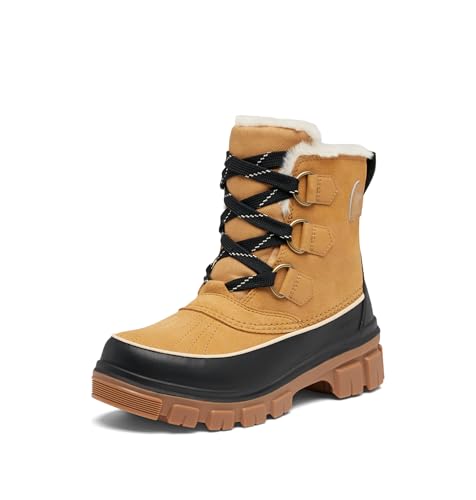


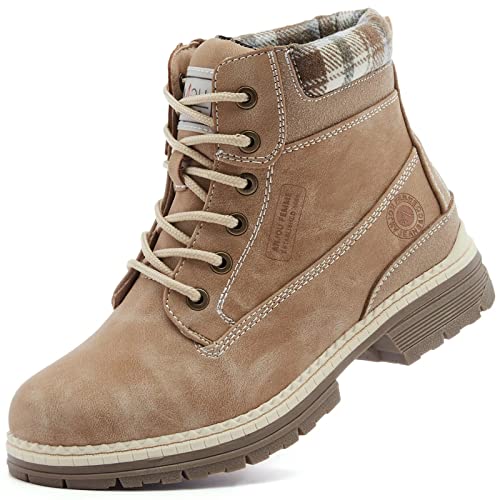
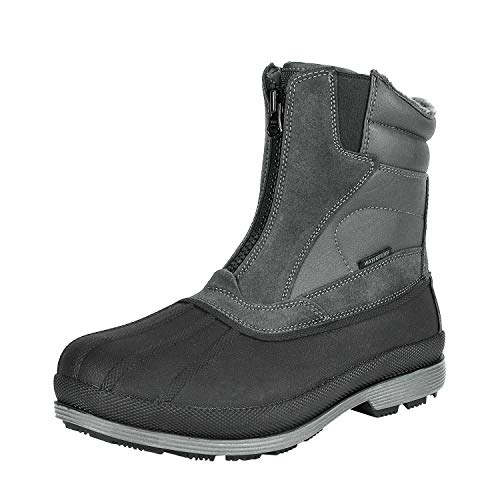

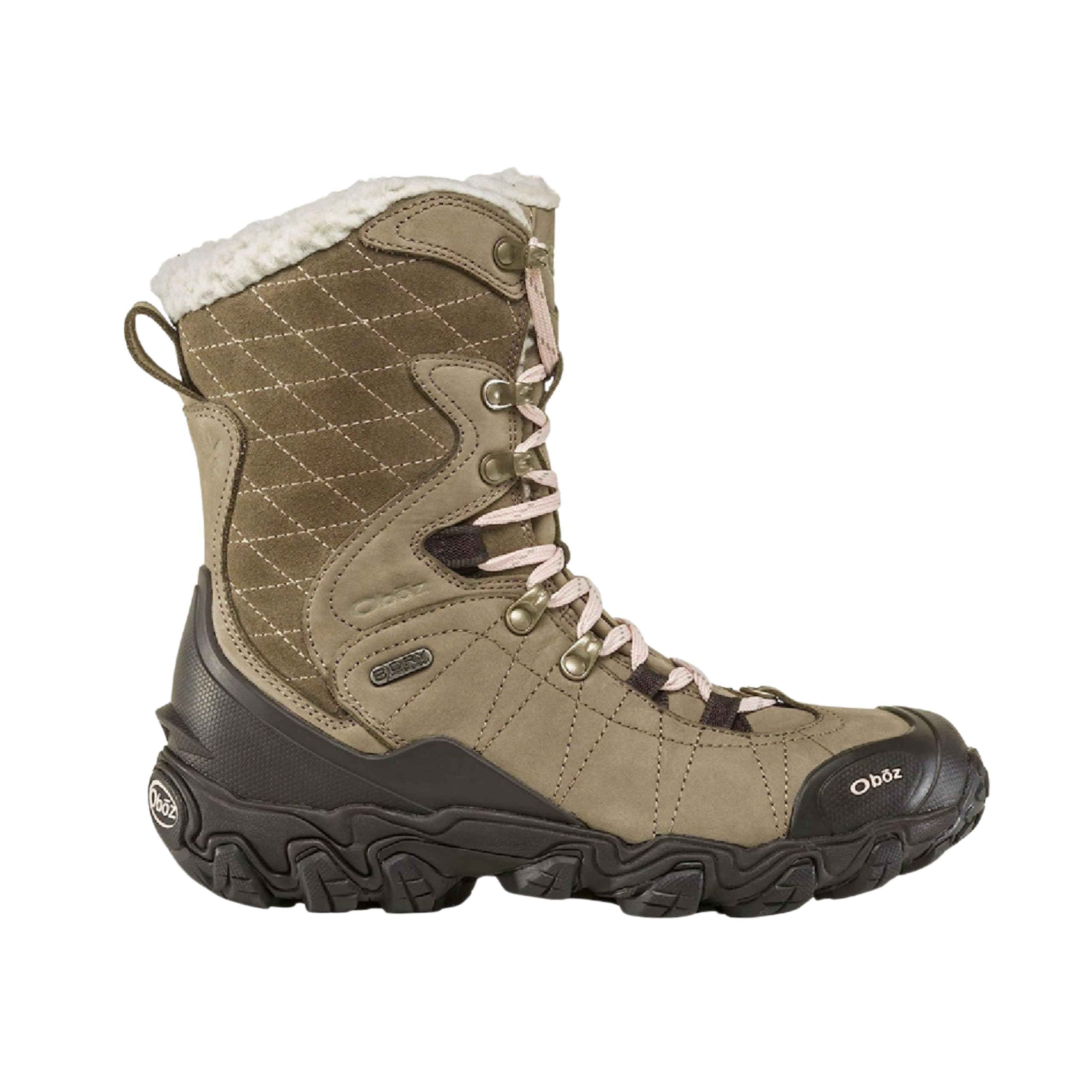
Who Should Buy Which Boots for Seattle Winter?
Start with the walk you do most often in January, not the worst storm you can imagine. Foot shape and sizing also differ, so readers who want a focused shortlist can see our guide to the best ladies winter boots for narrower fits and our guide to the best boots men winter options for larger sizes and wider lasts.
Daily Commuters Who Walk and Ride Transit in Steady Rain
You need a waterproof upper, a moderate shaft that blocks splash from curbs and a sole that grips wet concrete and smooth station floors. Choose a lighter boot with soft cushioning, since you may climb stairs, stand on the bus and walk several blocks in one trip. A neat ankle or mid height style pairs well with work pants and dries faster overnight.
Hill Walkers and Dog Owners on Wet Slopes
You need stronger traction, firmer stability and more ankle support than a flat commute demands. Seattle hills turn slick with wet leaves, and park paths add mud at the edges. Choose deeper lugs, a secure lace fit that locks your heel and a toe box with room for downhill steps. A taller shaft also helps when grass verges and trail puddles splash above ankle level.
Workers and Shoppers Who Move Between Indoors and Outdoors
You need balance more than maximum insulation. Warm stores and offices can make a heavily lined boot feel hot within minutes, while the walk outside still calls for full waterproofing. Choose a breathable membrane, moderate cushioning and a sole that grips both wet pavement and polished indoor floors. Slip on styles suit frequent errands, but a laced fit gives better arch support on long shifts.
Key Features to Compare
Compare each feature against your route, your socks and the temperatures you face most weeks. The best boots for seattle winter are not always the tallest or warmest pair, and the details below show where extra money truly helps and where it adds little.
Waterproofing and Shaft Height for Puddles and Splash
A waterproof membrane keeps rain out only when seams are sealed and the tongue is attached well enough to block water at the laces. Leather and synthetic uppers behave differently once soaked, but both need that sealed construction. Shaft height decides splash protection: ankle styles suit light rain, mid height styles cover most curb puddles, and taller shafts suit flooded corners and slush at bus stops.
Outsole Grip on Wet Pavement, Leaves and Hills
The outsole does the safety work in Seattle. Softer rubber compounds tend to grip smooth wet concrete better than very hard rubber, while deeper and wider spaced lugs clear mud and bite on hills and park paths. Look for edges and varied lug shapes that channel water away from the contact patch. On black ice, no ordinary boot sole grips well, so slow down and treat shiny patches with care.
Insulation and Breathability for Mild Wet Cold
Seattle winter days often sit around 35 to 45 degrees, so heavy arctic insulation can leave your feet sweaty on the bus or in the office. Light insulation or a warm sock pairing usually suits daily use better, and truly warm linings make sense for long outdoor waits or trips into the mountains. A breathable membrane lets some vapor escape as you walk, which keeps socks drier and reduces chill when you stop.
Fit, Toe Box and Sizing With Winter Socks
Try boots late in the day, when your feet are at their largest, and wear the socks you plan to use all season. Your heel should stay seated as you walk, your toes should wiggle freely in the toe box, and no seam should press across the top of your foot. Many rain boots run generous, while insulated styles can feel snug, so check the return policy and walk indoors first.
Cushioning, Arch Support and Stability for Long Walks
Long wet walks punish flat and unsupportive soles. Look for cushioning that feels firm rather than spongy, clear arch support for your foot type and a stable base that resists twisting on uneven pavement. Heel to toe drop affects how your calf and Achilles feel: a lower drop feels flatter and more natural to some walkers, while a higher drop can ease calf strain on hills.
Choosing Boot Height and Style for Seattle Rain
Ankle height boots feel light and suit short walks from car to door, but they let splash reach your socks in heavy rain. Mid height boots cover the ankle bone, block most puddles and still flex well for stairs and driving, which makes them the most versatile choice for city use. Tall boots protect your calves on flooded routes and in deep slush, yet they feel warmer and heavier through a full day.
Match the style to your longest regular walk, then check the sole and fit before you judge the look. If your winters also include trips to colder snow country, see our guide to the best winter boots for styles built for deeper snow. For Seattle itself, a mid height waterproof boot with strong wet grip covers more days than any extreme option.
Common Mistakes to Avoid
Most returns in this category trace back to a short list of avoidable choices.
- Buying heavy snow boots for Seattle rain leaves your feet hot and tired on mild wet days.
- Choosing smooth fashion soles for hilly routes turns wet leaves and painted crosswalks into a fall risk.
- Sizing boots with thin summer socks makes the same pair pinch once thick winter socks go on.
- Ignoring shaft height lets curb puddles splash over ankle boots and soak your socks within one block.
- Paying for extreme insulation while skipping fit checks wastes money on boots you stop wearing by midseason.
Care and Maintenance for Boots in a Wet Seattle Winter
Air dry wet boots at room temperature, away from direct heat, and pull the insoles out so the interior dries fully. Radiators and forced heat can crack leather and weaken adhesives, so patience protects the bond between upper and sole. Stuffing boots loosely with newspaper for the first hours helps pull moisture from the toe area. Rotating two pairs gives each pair a full day to dry between wears.
Brush dried mud from the outsole and upper, then wipe salt and road grime off with a damp cloth. Renew the water repellent finish on the upper when rain stops beading and starts soaking in, following the maker directions for your material. Check lug depth, loose stitching and heel wear each month, and store boots upright in a dry place once spring arrives.
Your Questions Answered About Boots for Seattle Winter
What features matter most in boots for Seattle winter rain?
Waterproof construction, wet grip and a shaft that covers your usual puddles matter most for Seattle rain. One detail many buyers miss is the gusseted tongue, the attached tongue that keeps grit and splash from slipping in beside the laces. Sealed seams at the toe flex point also matter, since that area bends thousands of times and can leak first.
Do I need waterproof boots for a Seattle winter commute?
Yes, you need waterproof boots for a Seattle winter commute if you walk more than a few minutes outdoors. An umbrella shields your head and coat, but it does nothing for splash from passing buses, runoff at curb ramps or puddles hidden under leaves. Water resistant coatings alone tend to wet through during a long, steady downpour.
Can I wear boots for Seattle winter all day at work?
Yes, you can wear boots for Seattle winter all day at work when the insulation stays light and the fit leaves room to move. A spare pair of dry socks kept at your desk solves the one real comfort problem, which is damp socks after the morning walk. Choose a quiet sole if your office floors are polished stone or tile.
How should boots for Seattle winter fit with thick socks?
Boots for Seattle winter should fit snug at the heel and midfoot, with clear space ahead of your longest toe. Test the fit on stairs or a ramp if the store allows it, since toes that touch the front on a downhill slope will ache on Seattle hills. Lace firmly from the lower eyelets upward to hold that space.
How long is the break in period for Seattle winter boots?
The break in period for Seattle winter boots is usually a few short wears over about one week. Start with a dry errand of about an hour, then add distance each day, since stiff collars and new insoles settle with use. Keep your receipt until you finish a longer walk, because a fit flaw that shows at mile two rarely improves later.
The Bottom Line
For most Seattle routines, a mid height waterproof boot with a grippy outsole, light insulation and room for warm socks covers the season well. Commuters can go lighter, hill walkers should add tread and support, and anyone who stands indoors should favor breathable linings. Use the product table above to compare height, weight and price against your route.
When you choose best boots for seattle winter by use case first, you avoid paying for warmth or height you will not need. Pick the pair that fits your wettest regular walk, and winter rain becomes a smaller part of your day.


