
Best Boots for Pronation of 2026: Complete Buying Guide
Disclosure: We may earn a commission when you buy through links on this page, at no extra cost to you. As an Amazon Associate I earn from qualifying purchases. Learn more

The best boots for pronation slow the inward roll with a firm heel and stiff sole. See the classes, fit checks and price tiers.
Pronation is the natural inward roll of the foot as you walk, and it only becomes a shopping problem when the roll runs too far and leaves your feet, ankles, or knees sore by the end of the day. The best boots for pronation share a few build traits that slow that roll and spread the load.
You will find the main boot classes first, then a full buying guide, care tips, and answers to common questions. The comparison table below shows the classes side by side.


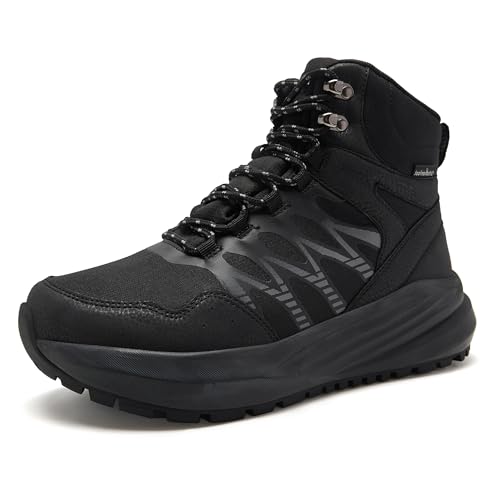

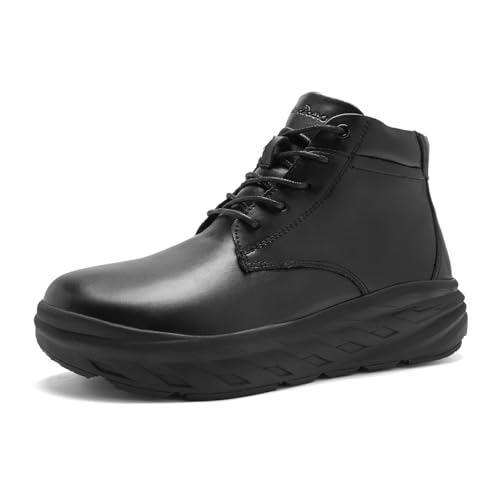
Boot Classes Worth Considering
This guide sorts boots into three build classes instead of naming individual products. Prices below are typical for each class.
Firm Stability Boots
About $90 to $160 buys the class built for a strong roll. These boots pair a firm heel counter with a straighter shape and a midsole that feels denser on the inner side. They suit daily walkers and workers whose ankles drop inward early in every step. The trade off is stiffness, since this class feels firm underfoot at first.
Cushioned Boots With Gentle Support
About $70 to $130 buys a softer class with mild guidance. The midsole cushions more and controls less, which suits a slight roll and feet that ache from hard floors more than from motion. This class feels comfortable sooner than the firm class. Skip it when your roll is strong, because soft foam compresses on the inner side and lets the roll grow.
Rugged Boots for Rough Ground
About $130 to $220 buys height and stiffness for uneven ground. Tall collars, firm shanks, and deep lugs keep the foot planted when the surface tries to tip it. This class suits trail work, farm yards, and winter sidewalks. It is heavier than the other classes, though the stiff stride suits flat pavement less.
How to Choose the Right Boots: Buying Guide
Features That Matter for Pronation
A boot supports comfort only, and it is honest to say so up front: no boot corrects how your foot rolls, and none treats pain. What a well chosen boot can do is slow the inward roll, hold the heel steady, and cushion the miles. A soft, flexible boot lets the ankle drop inward with every step. Shoppers comparing the best boots for pronation should start with firmness and fit.
When to Talk With a Clinician or Fitter First
Some readers should get advice before they get boots. If your feet hurt most days, if pain travels up to your knees or back, or if one foot rolls far more than the other, a clinician or shoe fitter should look at your gait first. The same applies when pain follows an injury. A fitter can also judge whether an insole change would help more than a new boot.
Heel Counter and Sole Firmness
Two parts govern how much your foot rolls inside a boot. The heel counter is the stiff cup around the back of the heel, and a firm one holds the heel upright instead of letting it tip inward. The sole matters too, because a boot that twists easily in your hands will twist under your weight, while a stiff sole resists the roll. Squeeze the heel and try the twist test before you buy, since both checks take seconds.
Fit, Sizing, and Toe Box
Measure both feet late in the day and fit the larger one, because feet swell across a shift. Your heel should sit locked in the counter with no lift as you walk, since a slipping heel defeats the firmness you paid for. Leave about a thumb width ahead of your longest toe, and choose a toe box wide enough for your toes to lie flat. A foot squeezed sideways will roll to escape the pressure.
Arch Support and Foot Type
Flat feet roll inward more often, while high arches roll less and land harder, so support differs by foot type. For a rolling foot, look for a contoured footbed that fills the arch and a midsole that feels denser on the inner side. Removable insoles matter, since they let you swap the factory footbed for one shaped to your arch. Readers who split the day between boots and open footwear can compare the same arch logic in our guide to best sandals for pronation.
Outsole Traction and Terrain
A support boot still has to grip. On wet pavement and loose trail, a lugged rubber outsole with lugs about 4 to 5 millimetres deep keeps your footing predictable, and a predictable step keeps the ankle from rolling further. Smooth soles belong on dry indoor floors only. Trail walkers can compare tread patterns in our guide to best hiking boots for pronation, which covers lug shapes in more depth.
Upper Materials, Breathability, and Membranes
Leather uppers hold their shape longest, which helps a boot keep guiding the foot after months of wear, but they weigh more and dry slowly. Mesh and knit uppers breathe and feel light, yet they stretch, and a stretched upper lets the foot slide and roll inside the boot. A middle path pairs leather around the heel with fabric at the forefoot.
A waterproof membrane keeps rain and puddles out, which matters when a soaked insole would soften and stop supporting your arch. The trade off is heat, because membranes vent sweat slowly, so choose the membrane for wet commutes and muddy sites and skip it for dry indoor work.
Break In Period and Comfort Out of the Box
A firm boot should feel snug and stable in the store, never painful. Leather stability boots soften over about one to two weeks of short walks, and the heel counter molds slightly to your foot, while cushioned classes feel right sooner. Sharp heel pain or numb toes are fit problems, not break in problems, so exchange the pair instead of pushing through.
Types of Boots
Waterproof Boots
Waterproof boots pair a sealed membrane with a covered upper, so rain and slush stay outside. They suit wet commutes, muddy yards, and winter sidewalks. The cost is warmer feet in summer and a higher price.
Lightweight Boots
Lightweight boots trade some stiffness for a lighter stride, which suits long distances on even ground. Runners meet the same inward roll in an even lighter package, covered in our guide to best running shoes for pronation. In boot form, check the heel counter twice, because light models often soften where a rolling foot needs hold.
Neutral Cushioned Boots
Neutral cushioned boots guide the foot very little and rely on foam to absorb the day. They suit mild rolls, sensitive joints, and long hours of standing. Strong rollers usually outgrow this class, because the foam packs down on the inner side and the support fades.
Choosing Boots for Your Situation
Work Boots for Pronation
Work adds two demands that walking boots do not face. The first is hours of standing on concrete, which tires a rolling foot faster than walking does, so a dense cushioned midsole matters more than trail style tread. The second is the safety toe class many sites require, and a toe cap widens the front of the boot, so check that the heel stays narrow and locked. Work boots here run about $100 to $180, and a removable insole lets you tune arch support.
Setup and Care Tips
At home the roll continues on hard floors, and our guide to best slippers for pronation covers the indoor half of the day. A few habits protect the support you paid for:
- Rotate two pairs if you wear boots daily, because a rested midsole recovers its shape.
- Air dry wet boots away from direct heat, since heat warps the heel counter and cracks leather.
- Replace the factory insole when it packs flat, since a flat insole removes the arch fill.
- Lace firmly from the middle eyelets upward, because a locked heel keeps the firm counter doing its job.
- Brush grit out of the lugs weekly, since packed tread grips less and wears unevenly.
Boots: Your Questions Answered
What features matter most in boots for pronation?
A firm heel counter and a sole that resists twisting matter most, because together they slow the inward roll without forcing the foot anywhere. Fit comes next, since support only works when the heel stays locked in place. One check the buying guide did not mention is your old pair, because heavy inner heel wear on your current boots confirms the roll and the firmness to shop for.
Are expensive boots for pronation worth it?
They can be, because higher prices usually buy materials that hold their shape longer, and shape is what keeps guiding the foot month after month. A budget pair may feel identical in the store and then soften within a season. Judge the price per month of daily wear rather than the sticker alone. If you walk only on weekends, the midrange class often delivers the same comfort for less.
How often should I replace boots for pronation?
Replace them when the support fades, which usually shows before the boot looks worn out. A clear test is to stand the pair on a flat surface and look from behind, because inward leaning heels mean the midsole has packed unevenly. Daily wearers often reach that point in about a year, while occasional walkers get longer. Tread wear and cracked uppers are later signs, so do not wait for them.
Can I wear boots for pronation all day?
Yes, and most buyers in this class plan to, because support matters more with every hour on your feet. Start new boots on shorter days during the first week, then extend the wear time as the upper softens. Thick socks with a smooth heel reduce friction on long shifts. If your feet ache more in the boots than out of them after two weeks, the fit or class is wrong, and a fitter should look before you buy again.
How should boots for pronation fit?
They should hold the heel still, leave about a thumb width ahead of your longest toe, and let your toes lie flat without squeezing. Fit them late in the day, wearing your work socks and any insole you plan to use. Walk on a hard floor and turn sharply before deciding. A boot that lets the heel lift or the foot slide sideways in the store will roll more on the street.
Do I need waterproof boots for pronation?
Only if your routes are wet, because the membrane answers weather, not gait. A soaked standard boot does lose support as the insole softens, so regular rain, slush, or mud makes the waterproof class a sensible pick. Dry indoor workers gain more from a breathable, cooler upper. One extra point is that membrane boots often feel slightly stiffer, which some feet welcome and others find tiring.
The Bottom Line
Firmness and fit do the real work here: a locked heel, a sole that resists twisting, and an arch that is filled rather than bridged. Use the product table above to compare the classes at a glance, then choose the best boots for pronation class that matches your ground and your day. If pain is part of the picture, let a clinician or fitter confirm the plan before the boots carry the blame.


