Best Boots for Pressure Washing at Every Price in 2026: What Your Money Really Gets You
Disclosure: We may earn a commission when you buy through links on this page, at no extra cost to you. As an Amazon Associate I earn from qualifying purchases. Learn more

Compare the best boots for pressure washing at every price level. See what budget, midrange, and premium tiers add in sealing, grip, and lasting comfort.
Pressure washing boots sell at prices from about $40 to well past $200, and the price gap is not about looks. The extra money buys a taller sealed shaft, rubber that stands up to detergents, and tread that still grips wet concrete at the end of a long shift. Choosing the best boots for pressure washing starts with knowing which of those upgrades your work actually needs.
This guide walks through the market by price tier, so you can see what each level adds and where the spending stops paying off. The comparison table below lines the main classes up side by side.
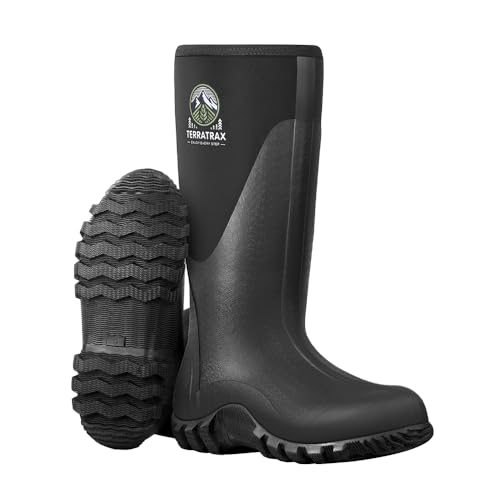

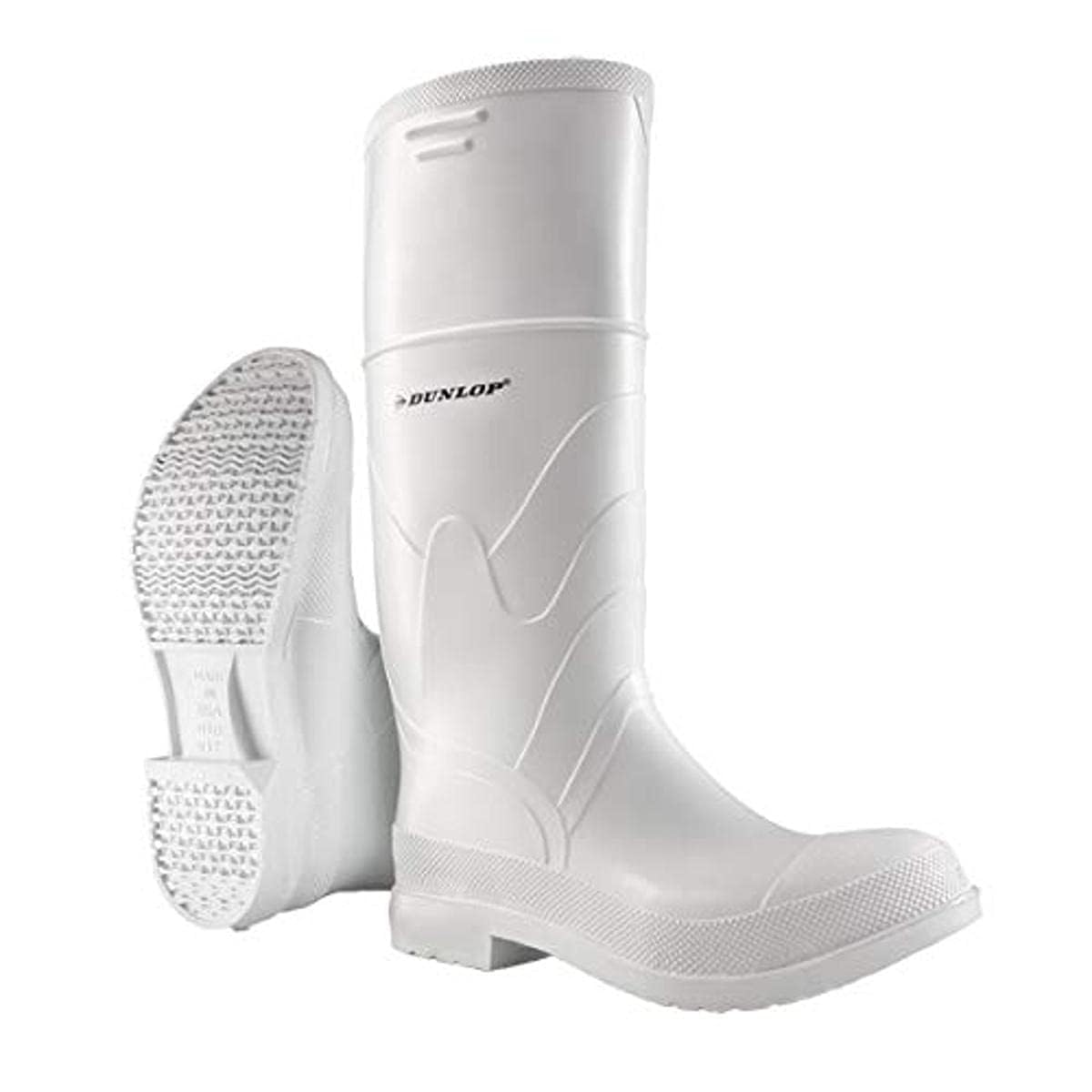


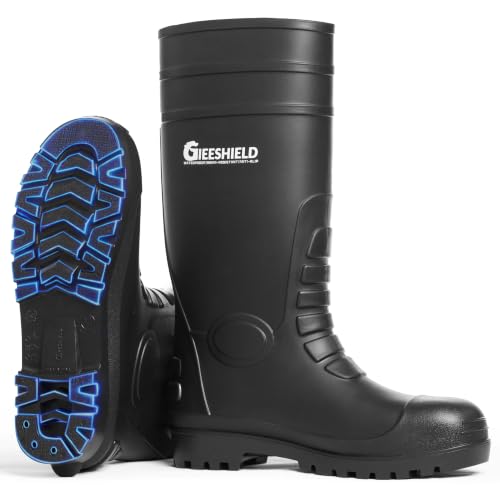
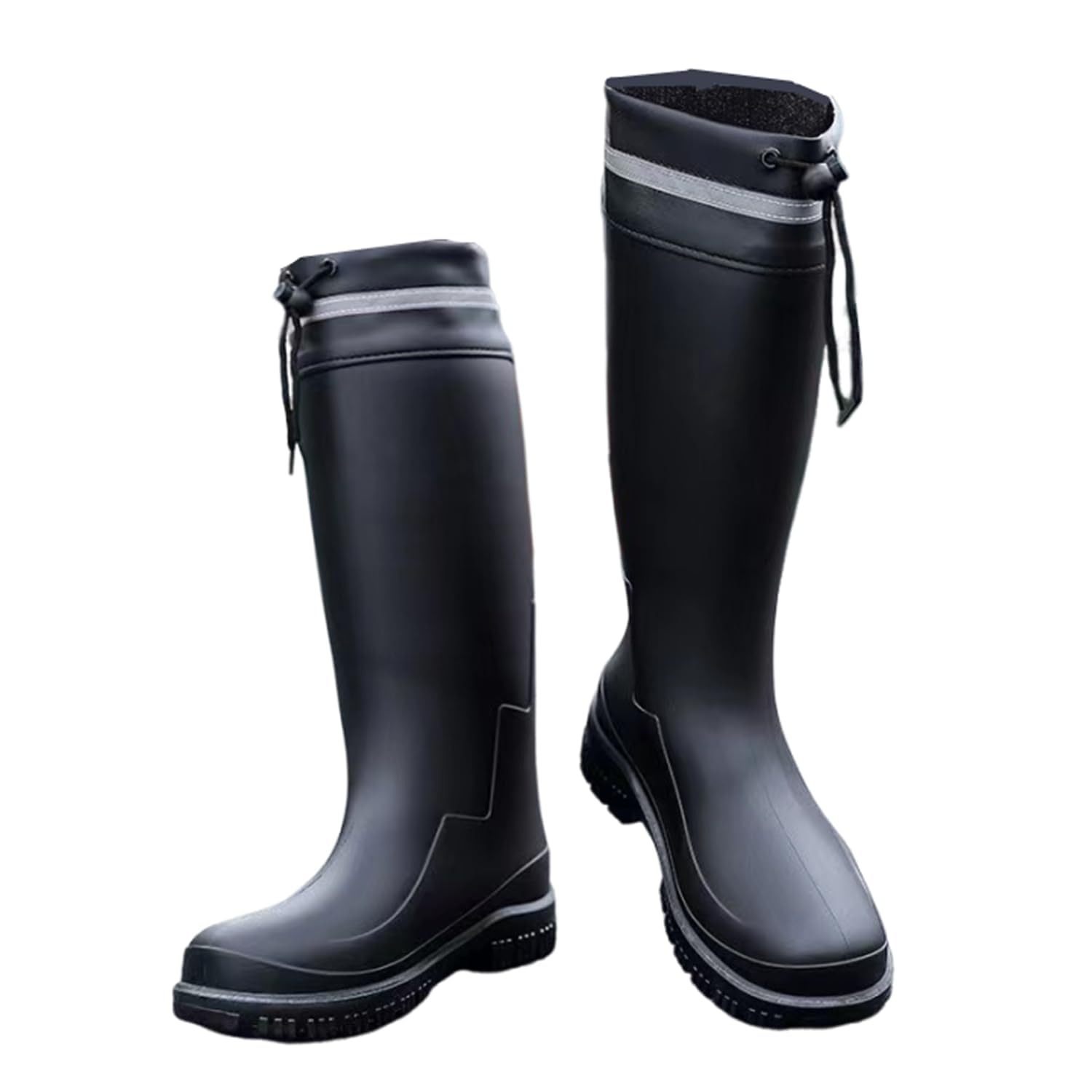
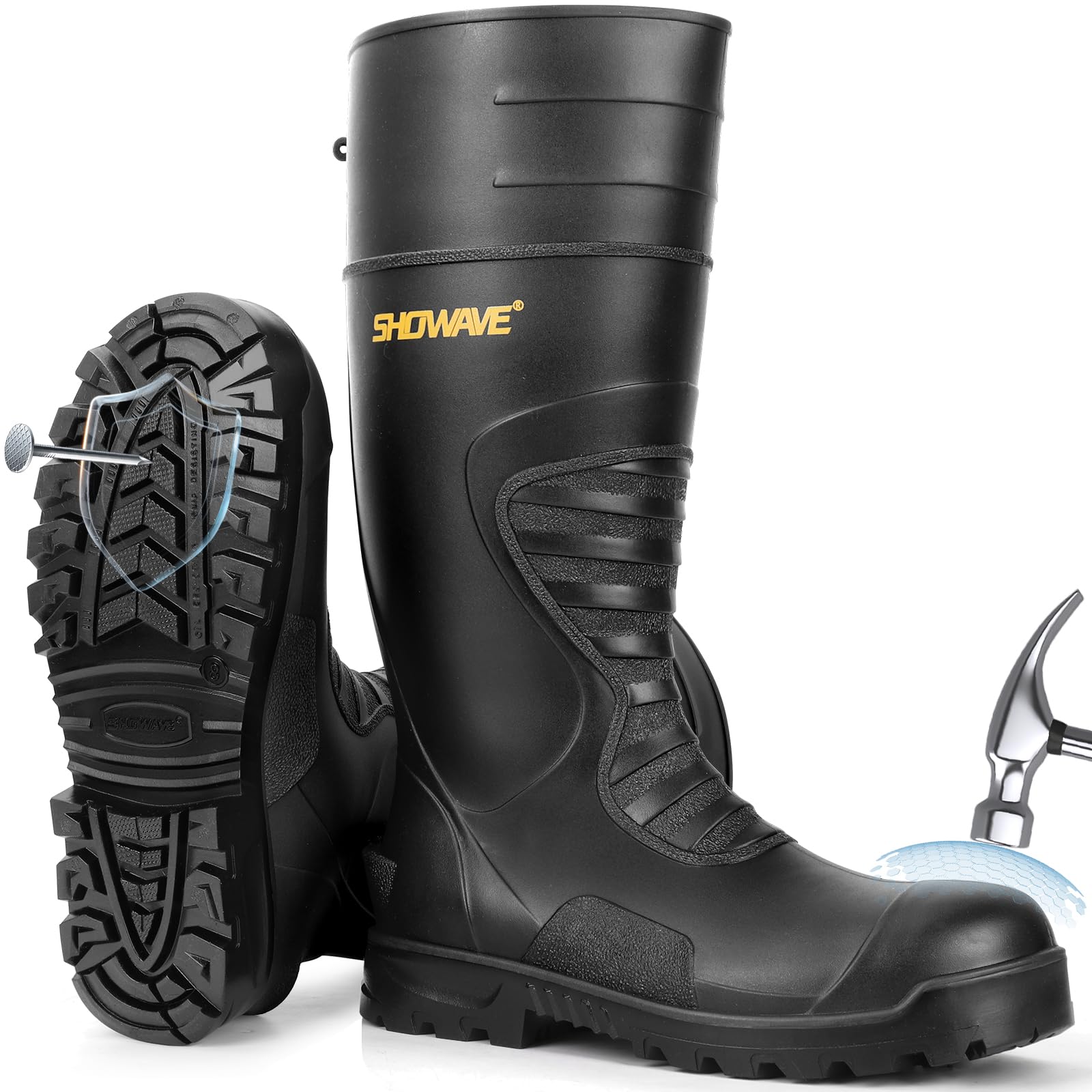
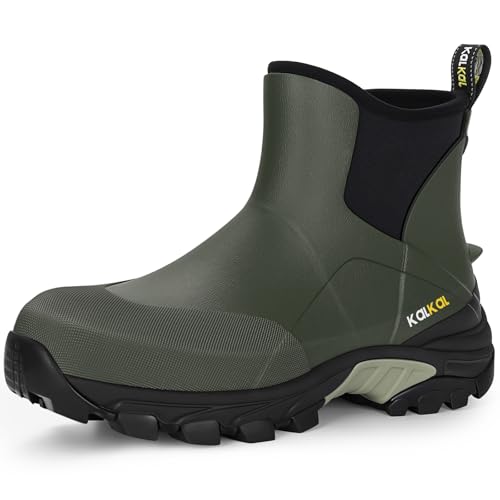
What Your Money Gets You at Each Price Tier
Your washing budget splits between the machine and the gear you stand in, and the boot share deserves its own plan. Prices cluster into three bands, and each band buys a different level of sealing, chemical tolerance, and sole life. Read the bands as classes rather than products, because models change every season while the classes stay stable.
Budget Tier: What to Expect
Around $40 to $80 buys a plain rubber boot with a shaft about 10 to 12 inches tall and a basic tread. This class keeps feet dry during short jobs and rinses clean in seconds, which suits weekend driveway and deck work. The trade offs show up fast on paid work, though. Thin soles pass every pebble through to your foot, the rubber softens around strong degreasers, and the tread packs smooth after a season or two.
Midrange Tier: Sealed Shafts and Better Tread
About $80 to $140 is where boots start lasting through regular work. Shafts rise to about 14 to 16 inches, soles gain real cushioning for concrete, and tread patterns use deeper channels that push water aside instead of skating on it. Many boots in this band add a sealed membrane above the ankle, so splash that clears the shaft still stays out. For part time crews and serious home users, this band covers most needs.
Premium Tier: When the Extra Money Shows
About $140 to $220 buys boots built for daily commercial washing. The rubber compounds in this class resist the bleach and degreaser mixes that eat budget boots, and the fit improves with shaped footbeds and narrower heel cups. The extra money also buys longer warranties and sturdier stitching at the shaft top. If you wash five days a week, the longer service life usually makes this band the cheapest per season.
Features Worth Paying For (and Ones to Skip)
Price alone does not sort good boots from poor ones, because a costly fashion boot can fail faster than a plain work boot. The features below decide how a boot behaves once the spray starts. Two upgrades are worth skipping at any price: thin fashion leather that drinks water, and smooth dress soles that turn wet concrete into a skating rink.
Sealing Comes First, Because Spray Hits Your Boots All Shift
A pressure washing shift soaks your boots from every angle, because the jet bounces off walls, wheels, and the ground for hours at a time. Dry feet depend on the seal class, not on a coating you spray on later. A full rubber boot has no seams below the shaft top, so water has no path in at all.
A sealed membrane boot pairs a waterproof layer with a fabric upper, which breathes better but only stays dry up to the height of that lining. Readers comparing sealed classes can see our guide to best waterproof boots for pressure washing for the membrane trade offs. Match the class to your deepest puddle, since ankle deep splash needs less shaft than gutter work.
Chemical Resistance Is a Separate Purchase
Waterproof and chemical resistant are different classes, and confusing them ruins boots. The detergent class you run decides what your boots must survive, so read the label on every bottle before you buy footwear. Plain water and mild soap forgive almost any rubber.
Bleach mixes and strong degreasers attack soft compounds, cracking them within a season. Boots sold as chemical resistant use denser rubber or coated uppers rated for that contact, and they cost more because the material costs more. If you only wash with water, skip this class and spend the difference on tread.
Tread Decides Your Grip on Wet Concrete
Most washing happens on concrete, sealed stone, or painted decks, and all three turn slick under a film of water and soap. Tread is what governs your footing on those surfaces. Look for wide channels that move water out from under the sole, plus many small edges that bite when the surface is smooth. Deep hiking style lugs are the wrong pattern here, because they reduce the rubber that actually touches flat ground, and a shallow sole wears treacherous within months.
Fit, Sizing, and Toe Box
Measure your feet late in the day, when they are at their largest, and size for the thick socks you wash in. A boot that fits in the morning can pinch by the last job, and pinched toes tire fast on concrete. Leave about a thumb width of room in front of your toes, because feet slide forward when you brace against the wand. Wide feet do better in a roomy toe box than in a size up, since extra length lets the foot swim and rub.
Durability and Expected Lifespan
A washing boot ages by wash days, not by miles. Budget rubber often lasts one to two seasons of weekend use, while premium compounds can run three to five seasons of weekly work. The usual failure points are cracks where the shaft bends, soles worn smooth, and linings that tear at the heel. Vulcanized construction, where the sole and upper cure as one piece, outlasts glued seams in constant water.
Weight and Flexibility
A tall rubber boot is never light, but weight still matters across an eight hour shift. Heavy boots with stiff soles protect well on rubble and demolition wash downs, yet they punish your legs on flat residential work. Flexible soles bend with your stride and suit long days on smooth concrete, though they pass more ground feel through. Choose by your surface, since the rougher the ground, the more sole you want under you.
Long Term Costs to Factor In
The sticker price is only part of what a pair costs you. Replacement insoles run about $15 to $30 and restore cushioning long before the boot itself wears out. Thick work socks add a small yearly cost, and a second pair for rotation lowers your cost per season even as it raises the upfront bill.
Budget for a drying rack if boots must be ready every morning, because a boot put on wet starts the day uncomfortable. Warranty length belongs in this math too, since a two year warranty on a premium pair can beat two budget pairs bought back to back.
Boots: Your Questions Answered
What features matter most in boots for pressure washing?
Sealing matters most, because spray reaches your boots from every angle for the whole shift. A full rubber boot, or a membrane sealed to the lining height, keeps feet dry, while surface coatings wear off within weeks. After sealing, tread on wet concrete and tolerance for your detergent class decide the rest. One point buyers miss is the shaft top finish, because a raw foam edge wicks water down inside the boot.
Can I wear pressure washing boots all day?
Yes, if the fit and sole suit long standing, because the boot itself is only half of all day comfort. Choose a cushioned sole, size for thick socks, and expect a short adjustment stretch with tall rubber shafts. A point the fit section did not cover is the midday insole swap: if your feet sweat heavily, changing to a dry insole at lunch restores both comfort and your grip inside the boot for the afternoon jobs.
Are expensive pressure washing boots worth it?
They are worth it when you wash often, because the premium band buys chemical resistant rubber and soles that keep their tread through several seasons. A weekend user may never wear out a budget pair, so the extra money buys nothing there. Judge by wash days per month rather than by the calendar. Also weigh the warranty, since a longer warranty turns one premium purchase into a predictable cost, while repeated budget pairs arrive as surprise expenses.
How often should I replace boots used for pressure washing?
Replace them when the tread channels wear shallow, the shaft cracks at the bend, or the lining tears, because each failure lets water or grit reach your foot. Weekend users often get two to three seasons, while daily crews may finish a pair in one. A simple test is to stand in ankle deep water for a minute before a shift. If your socks dampen, the seal has failed somewhere and the boot is done, no matter how good it still looks.
How long is the break in period for pressure washing boots?
Full rubber boots need almost no break in, because the material barely changes shape, so the fit has to be right on day one. Membrane and leather blend boots soften over about three to five wash days as the upper creases settle. Wear new boots on a short job first rather than a full shift. If a heel hot spot appears, a thicker sock or a small lace adjustment usually settles it before it becomes a blister.
Final Thoughts
Sort your choice by seal class first, tread second, and chemical tolerance third, and the price tiers will make sense on their own. The product table above gathers the main classes in one place for a quick comparison. Pick the best boots for pressure washing your wash schedule can justify, and your feet will stay dry long after cheaper pairs have cracked.