
Best Boots for Pregnancy in 2026: Every Type Explained Side by Side
Disclosure: We may earn a commission when you buy through links on this page, at no extra cost to you. As an Amazon Associate I earn from qualifying purchases. Learn more

Compare boot types for pregnancy by swelling room, easy entry, grip and cushioning, with sizing checks, seasonal guidance and simple care tips.
Choosing boots gets confusing during pregnancy because your feet, balance and daily routine keep changing. A pair that felt fine in month three may pinch by evening in month seven. The best boots for pregnancy give your toes room, support a shifting center of gravity and go on without a struggle. This guide compares boot types plainly so you can use the comparison table below with confidence.
Start with the problem you need to solve most often. For some readers that is swelling after a work shift. For others it is rain, cold pavement or simply bending down to pull on a boot.




Who Should Buy Which Boots During Pregnancy?
Your trimester, your weather and how long you stay on your feet matter more than fashion details. Use the group that sounds most like your week.
Readers in Later Trimesters With Daily Swelling
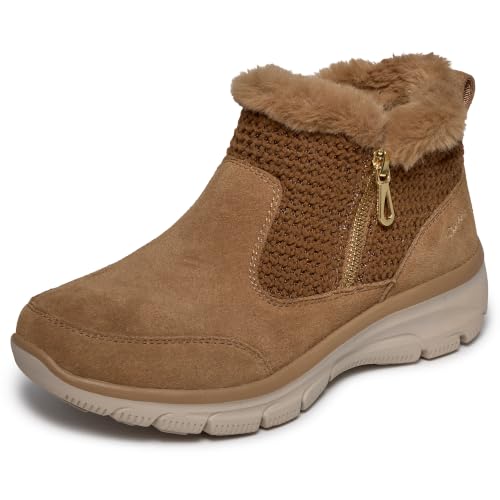
Your feet may measure larger late in the day, and your calves may feel tighter in a tall shaft. Look for a roomy toe box, an adjustable shaft and a closure you can loosen in small steps. Slip on ankle boots with elastic side panels often suit you best because they flex as your size shifts from morning to evening.
Readers Who Walk or Stand Through a Workday
You need steady support more than extra height or decoration. Choose cushioning under the heel and forefoot, firm arch support and an outsole that grips smooth floors as well as pavement. A lace up boot with a side zip gives you a close fit in the morning and a faster, easier exit when your feet feel tired.
Readers Facing Rain, Snow or Cold Commutes
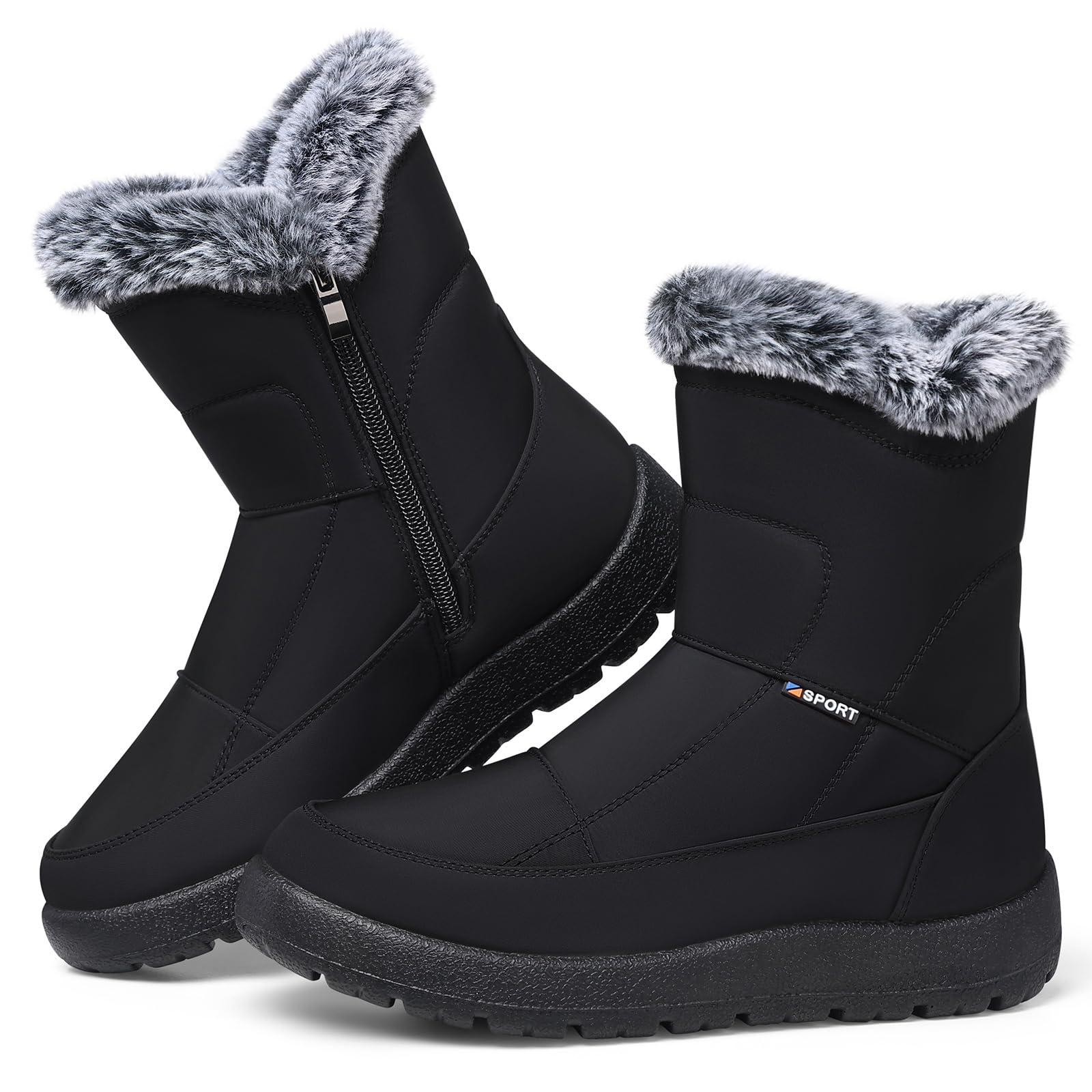
You need dry feet and sure footing on wet leaves, slush and icy patches. Waterproof boots with a lugged outsole and a shaft that seals around the calf suit you best, and our guide to the best winter boots for pregnancy covers colder conditions in more detail. Pick insulation matched to your climate.
Types of Boots Compared
When you shop for best boots for pregnancy, compare type before color or price. Each type below solves a different daily problem, and the right one depends on weather, swelling and how often you take your boots off during the day.
Slip On Ankle Boots for Easy Entry
An ankle boot ends above the ankle bone and leaves the calf free, which helps when calves swell. Elastic side panels or a back pull loop let you slide the boot on while seated, with far less bending and tugging. Choose this type for mild weather, short walks and days with many shoe changes.
Lace Up Boots With a Side Zip for Adjustable Fit
Laces let you set tension across the top of the foot, looser at the toes and firmer at the ankle. Once that fit feels right, the side zip handles daily entry, so you do not rebuild the lacing every morning. This type suits changing foot volume better than a fixed opening. The trade off is extra weight and more parts to clean.
Waterproof Tall Boots for Wet and Cold Days
A tall waterproof boot uses a sealed membrane and sealed seams to keep rain and slush out, while the higher shaft shields your lower leg. The trade off is warmth and stiffness, and a snug calf fit in early pregnancy may feel tight later. Try this type on with the socks and pants you will actually wear.
Key Features to Compare
Compare these factors in order, because fit and safety should outrank color and price.
Fit, Sizing and Room in the Toe Box
Measure both feet in the afternoon, when swelling is most honest, and shop to the larger foot. Stand in the boot and leave about a thumb width of space in front of your longest toe. Your heel should stay seated when you walk, while your toes should spread without pressing the sides. Many readers go up about half a size during pregnancy, and some keep that change afterward.
Easy Entry When Bending Gets Hard
A wide opening, a side zip, elastic panels and a sturdy pull loop all reduce the bending and pulling that late pregnancy makes awkward. Test entry while seated, not while standing and forcing the boot. If a boot needs two hands, strong tugging and a deep bend every morning, it will likely sit unworn on busy days.
Cushioning and Arch Support for Changing Pregnancy Feet
Added body weight and looser ligaments can leave arches feeling tired sooner than usual. Look for even cushioning and arch support that feels present but never pushes into the foot. A heel to toe drop of about 5 to 10 mm and a low, broad heel of about 1 inch or less keep balance steadier. Report sudden swelling of the feet, hands or face, or one leg that swells with pain or redness, to your doctor right away, and talk with your clinician about your personal fit and support needs.
Outsole Grip, Weight and Breathability
Rubber outsoles with shallow lugs grip wet pavement better than smooth leather soles, and a wide base feels steadier as your balance changes. Lighter boots, often about 1 to 2 pounds per boot, reduce leg fatigue on long days, but very soft soles can feel unstable. Breathable linings help in mild weather and heated rooms, while waterproof membranes trade some airflow for dry feet.
Slip On Boots or Waterproof Boots: Which Should You Choose?
Choose slip on ankle boots if your main problems are bending, frequent shoe changes and mild dry weather. They feel lighter, pack smaller and usually cost about $50 to $100. Choose waterproof tall boots if your main problems are rain, snow and cold, with prices often about $80 to $180. If your budget allows only one pair, pick the type that matches your worst weekly weather. In warm months, our guide to the best sandals for pregnancy can help on days when even a light boot feels too warm.
Common Mistakes to Avoid
These errors are common because pre pregnancy habits no longer match a changing foot.
- Buying your old size in the morning leaves toes cramped and sore by evening.
- Choosing a tall narrow heel makes each step less steady as your balance shifts.
- Picking a smooth sole for wet pavement raises your chance of a slip.
- Forcing a tight calf shaft all day leaves deep marks and aching legs by night.
- Wearing new boots on the longest walk of the week invites blisters and sore arches.
- Ignoring pain that keeps returning can delay a fit fix or a needed medical check.
Caring for Boots Through Every Trimester
Air dry wet boots at room temperature, away from direct heat, and loosen the laces or open the zip so air can reach the lining. Rotate two pairs if you wear boots daily, because a rest day lets cushioning recover its shape. At home in the evening, our guide to the best slippers for pregnancy gives tired feet a softer option while your boots rest.
Brush dried mud from the outsole and wipe the upper with a damp cloth, then treat leather or fabric only with products the maker allows for that material. Check lug depth, loose stitching and worn heel edges each month. Store boots upright with the shaft supported, out of strong sunlight, so the shape and the waterproof finish age more slowly.
Frequently Asked Questions
What features matter most in boots for pregnancy when feet swell by evening?
Adjustable fit matters most when your feet swell by evening. Laces, wide elastic panels or an adjustable shaft let you ease pressure without changing shoes. Shop after lunch rather than first thing, and check that you can loosen the boot while seated. A removable insole also helps, because taking it out for a short indoor stretch can free a little space.
Do I need waterproof boots during pregnancy?
You need waterproof boots during pregnancy only if rain, snow or wet grass is part of your normal week. In a mostly dry routine, a breathable ankle boot will feel cooler and lighter. One middle option is a waterproof ankle height style, which keeps puddle splashes out without covering the whole calf. Keep dry spare socks at work for storm days.
Can I wear boots all day during pregnancy?
Yes, you can wear boots all day during pregnancy if the fit still feels good at the end of the day. Plan short sitting breaks where you can raise your feet. After a long day on your feet, our guide to the best pregnancy pillows can help you get comfortable while you rest. Tingling, deep pressure marks or pain that builds each hour means the boot no longer suits a full day.
How should boots fit during pregnancy at the calf?
Boots should fit during pregnancy with calf room you can adjust, not room you must endure. You should be able to slide one finger between shaft and leg while standing, with your usual pants tucked or worn as normal. Elastic gussets and partial lacing at the back give the most useful give. Measure both calves in the evening, because the larger one sets the size you need.
How long is the break in period for boots worn during pregnancy?
The break in period for boots worn during pregnancy is usually about three to five short outings. Start with trips of about 20 to 30 minutes on flat ground, then add distance if no hot spots appear. The toe box will not stretch into a bigger size. Return a boot that still pinches after that trial, because swelling later will not improve a tight start.
Wrapping Up
Put fit first, then grip, then easy entry, and let weather decide how tall and how waterproof your boot should be. A roomy toe box, steady low heel and a closure you can manage while seated will serve you through every trimester. Use the product table above to check shaft height, weight and price against the needs you marked.
When you compare best boots for pregnancy with those points clear, the choice stops feeling like a guess. Pick the simplest type that solves your daily problem, and save your energy for everything else pregnancy asks of you.


