
Best Boots for Plus Size Calves in 2026: Which One Fits the Way You Use It?
Disclosure: We may earn a commission when you buy through links on this page, at no extra cost to you. As an Amazon Associate I earn from qualifying purchases. Learn more

Not all boots fit every routine. See which best boots for plus size calves match how you actually use them, what features to prioritize, and what to skip.
There is no single boot that suits every calf, foot and routine. A shaft that closes easily on one leg can pinch at the widest point on another, and a style that feels fine for an hour can rub by evening. The best boots for plus size calves solve the fit at the calf first, then support the foot below it. Use the comparison table below to check shaft size before you fall for a color.
Start with how you will wear them. Daily walking, outdoor work and office days ask for different closures, heel heights and grip. The sections below match each routine to the right shaft shape and support.


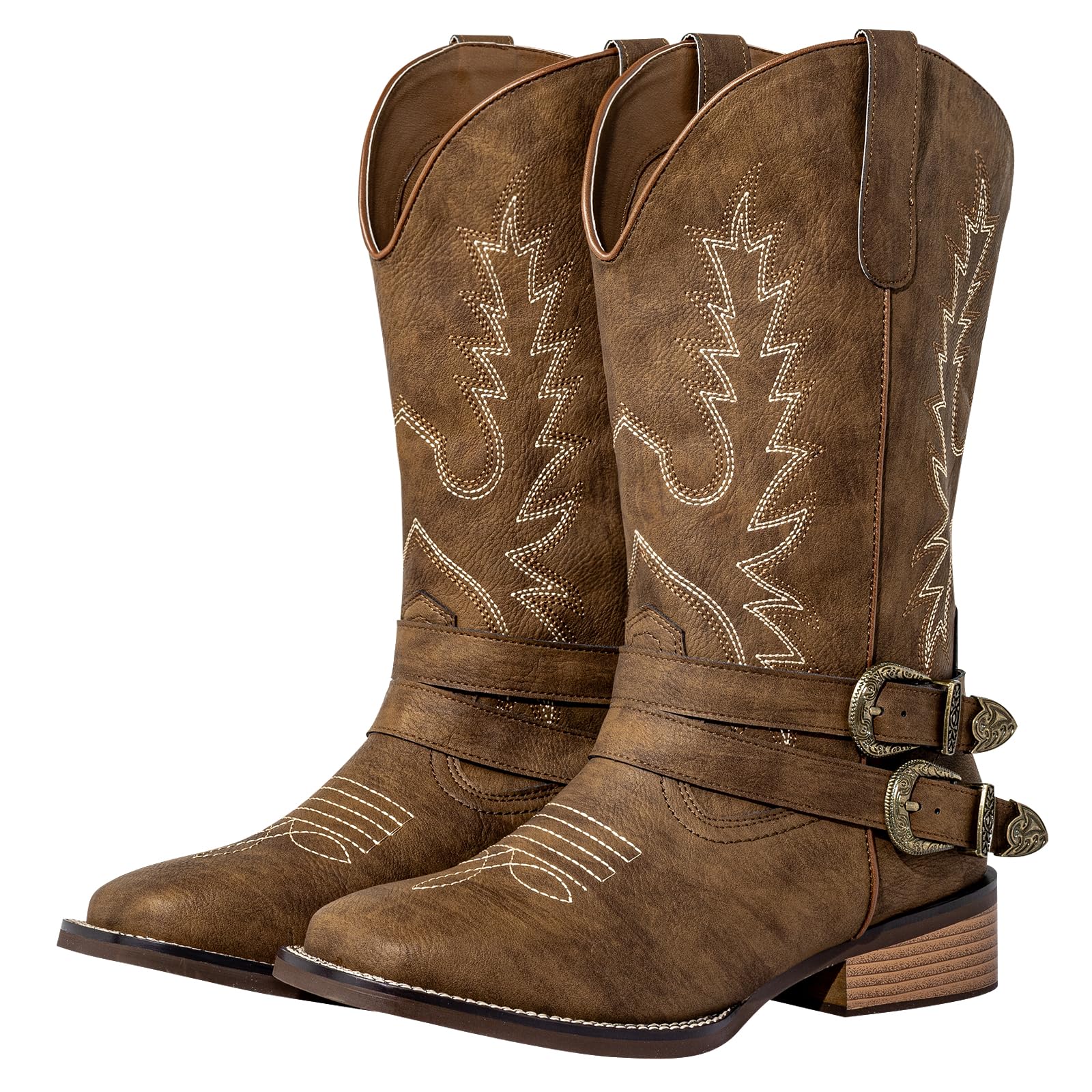


Who Needs Wide Calf Boots?
Your calf shape matters as much as your shoe size. The same foot size can need shafts that differ by several inches.
For Daily Walkers and Commuters With Wide Calves
You need a boot you can close in seconds, walk in for blocks and stand in on a train without pinching. Look for a full length side zip with an elastic gore panel, a low block heel and a cushioned footbed. A mid calf shaft in soft leather will flex as you move. Prioritize a roomy toe box and tread for wet pavement.
For Outdoor and Work Days on Your Feet
You need protection, grip and a shaft that stays closed over thick socks and work pants. Choose lace up or buckle styles where you can tighten the ankle and loosen the top as the day changes. A lug outsole, a water resistant upper and a firm shank under the arch help on gravel, mud and concrete. Avoid tall fashion shafts with thin soles here.
For Dress and Office Wear With Wide Calves
You need a clean silhouette that closes over tights or slim trousers and does not squeeze by afternoon. Look for a smooth leather shaft with a hidden elastic panel, an almond toe in a wide foot width and a modest heel.
Key Features to Compare
Compare the shaft first, the closure second and the footbed third. A boot that fails at the calf never gets to show its cushioning.
Shaft Circumference and Shaft Height
Shaft circumference is the inside measurement around the top opening, and for wide calves it often runs about 16 to 22 inches depending on foot size. What matters is where that width sits. A tall shaft reaches the widest point of many calves, so a knee high style needs more room than a mid calf style that ends below it. Check the circumference for your exact shoe size.
Closures That Adjust Around Your Calf
A fixed pull on shaft gives you one size and no way to adapt when your legs swell slightly by evening. An elastic gore panel stretches a short distance, while long laces and buckle straps let you set the ankle snug and the calf looser on the same boot. A full length zip makes entry easy, but check that it reaches low enough that you are not forcing your heel past a tight ankle curve.
Ankle Shape and Heel Hold in a Wide Shaft Boot
A wide shaft should not mean a wide ankle. Good designs narrow at the ankle even as the top opens, so your heel stays seated and the boot does not slop forward. Look for a shaped ankle pocket, light padding at the back of the heel and laces or a strap that locks the midfoot. If the ankle is as wide as the opening, expect heel lift, blisters and folds around your lower leg.
Footbed Support, Toe Box and Heel Height
Support matters more when a boot carries you all day. A contoured footbed with real arch support spreads pressure and reduces fatigue, while a flat thin insole leaves the work to your feet. Choose a toe box that lets toes lie flat, especially if your forefoot is also wide. Keep the heel about 1 to 2 inches for daily wear, and note the heel to toe drop, since a smaller drop feels steadier for long standing.
Materials, Lining and Breathability
Soft leather stretches slightly and molds to your calf over the first wears, which helps a borderline shaft feel personal. Stiff synthetic shafts give almost nothing, so the listed size must be right from day one. A smooth lining reduces friction on skin and tights, while a breathable textile lining helps in mild weather. In cold rain, waterproof boots with sealed seams and a membrane such as Gore Tex trade airflow for dry feet.
Outsole Traction and Water Protection
The outsole decides whether a comfortable boot stays usable in winter. Shallow smooth soles suit dry office floors, while lugs about 3 to 5 mm deep grip gravel, light snow and mud and still clear debris on pavement. Rubber stays flexible in cold weather. If you choose a waterproof style, confirm the protection covers the shaft seams and zip, since water often enters at the closure first.
How to Measure Your Calves and Check Boot Fit
Measure both calves at the widest point while sitting with your foot flat and your knee bent. Wrap a soft tape around the fullest part without pulling it tight, and write down the larger number. Measure in the afternoon, wearing the socks you plan to use. Match your number to the shaft size for your foot size when you compare the best boots for plus size calves, not to a general average.
Next, mark where the top of a tall boot would land and measure the circumference at that height, since a shaft can bind higher or lower. When boots arrive, close them fully and walk on a hard floor. Your toes should not press the front, your heel should lift only slightly and the shaft should feel snug without tingling.
Fit is about comfort, not medical treatment. Seek care promptly if one calf swells suddenly, turns red or feels painful or hot, and talk with your clinician about personal needs if swelling or foot pain keeps returning.
For days when boots are too warm, see our guide to the best shoes for plus size for closed styles, and see our guide to the best sandals for plus size for open straps that adjust around a wider foot.
Common Mistakes to Avoid
- Buying by foot size alone leaves you with a shaft that will not close over your calf.
- Choosing a shaft that is too tall puts the top edge at your widest point and creates constant pinching.
- Sizing up the foot to gain calf room gives you heel slip and toes that slide forward.
- Ignoring the ankle shape lets a wide shaft fold and rub even when the top measures correctly.
- Judging fit in the morning hides the swelling that makes the same boot tight by evening.
- Paying for a high heel before checking tread leaves you unstable on wet pavement.
Care and Maintenance Tips
Clean boots after wear with a soft brush or damp cloth, and let wet pairs air dry away from direct heat, since heat can crack leather and warp the shaft. Condition leather once dry, and brush grit from zip teeth before closing them.
Store tall boots upright with boot shapers or rolled towels inside the shaft so the top does not fold at the ankle. Rotate two pairs if you wear boots daily. Check heels and lugs each season, and replace worn heel caps before wear changes your stride.
Boots for Plus Size Calves: Your Questions Answered
What features matter most in boots for plus size calves?
The features that matter most are a shaft sized for your exact calf, an adjustable closure and an ankle that stays narrow. Beyond those, check the pull loop size, since a sturdy pull you can grip with gloves or stiff morning fingers makes daily entry far easier. That detail decides whether a well fitting pair gets worn.
Are expensive boots for plus size calves worth the higher price?
Expensive boots for plus size calves are worth it only when the extra cost buys real leather, replaceable soles or better adjustability. Price alone does not widen a shaft. A pair around $150 to $250 that lasts several winters and can be resoled often beats a cheaper pair whose zip fails in one season.
How should boots for plus size calves fit at the ankle and calf?
Boots for plus size calves should feel secure at the ankle and evenly snug, not tight, at the calf. You should be able to slip one finger behind the top edge without forcing it. Try a sit and stand test: sit, cross your legs, then stand. The top edge should not dig in, and the zip should stay closed.
How long is the break in period for boots for plus size calves?
The break in period for boots for plus size calves is usually about three to five wears of a few hours each for leather styles. Start indoors or on short errands so you can change shoes if a hot spot appears. Knit shafts need almost no time, while stiff work leather can take longer. Use moleskin on a rubbing spot rather than pushing through pain.
Can I wear boots for plus size calves all day?
Yes, you can wear boots for plus size calves all day if the heel is modest and the footbed supports your arch. Plan the first full day after the break in wears, not before. Carry thin socks to swap at midday, since a dry sock reduces friction late in the day. If you sit most of the day, walk briefly each hour.
Do I need waterproof boots for plus size calves?
You need waterproof boots for plus size calves only if rain, snow or wet work sites are part of your normal week. For mostly indoor days, a water resistant finish is enough and feels more breathable. Note that a membrane boot dries slowly inside after a soaking, so remove the insoles overnight.
The Bottom Line
Measure your calf at its widest point, match shaft height to your leg and choose a closure you can adjust as the day changes. Keep the ankle snug, the toe box roomy and the heel walkable. Then use the product table above to compare pairs that meet those tests.
When you shop for best boots for plus size calves with those checks in hand, the right pair stops being a guess. You will close the zip and get on with your day.


