
Best Boots for Pest Control: Buying Guide for 2026
Disclosure: We may earn a commission when you buy through links on this page, at no extra cost to you. As an Amazon Associate I earn from qualifying purchases. Learn more

A route mixes wet yards and tile floors. Learn how to choose the best boots for pest control by resistance, grip and all day comfort.
Pest control work puts your feet in places most jobs never reach, from wet lawns and muddy crawl spaces to garages splashed with treatment products. The wrong footwear soaks through, slips on damp concrete, and leaves your feet aching long before the route is done. Choosing the best boots for pest control means balancing chemical resistance, grip, and all day comfort in one pair.
This guide walks through the features that actually matter on a service route, how sizing and waterproofing work, and which boot styles suit indoor and outdoor calls. Use the comparison table below to line up your options, then read on for the detail behind each spec.


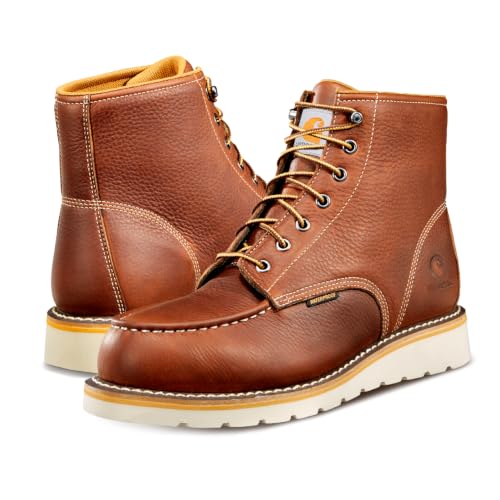


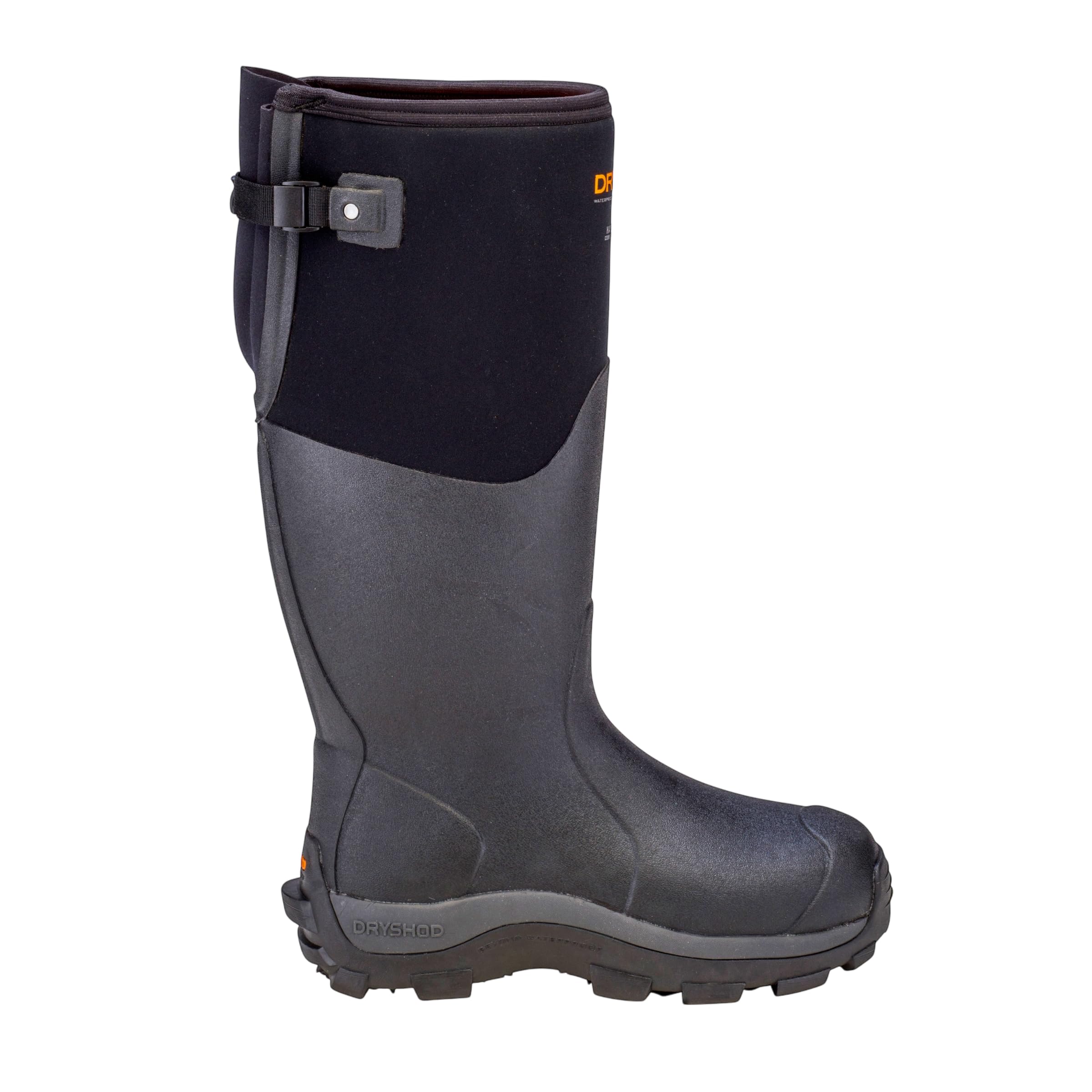
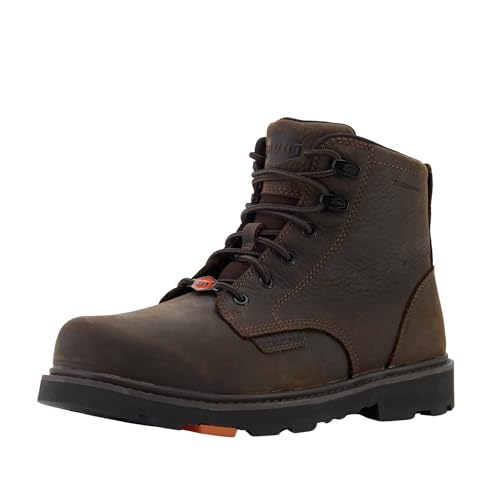


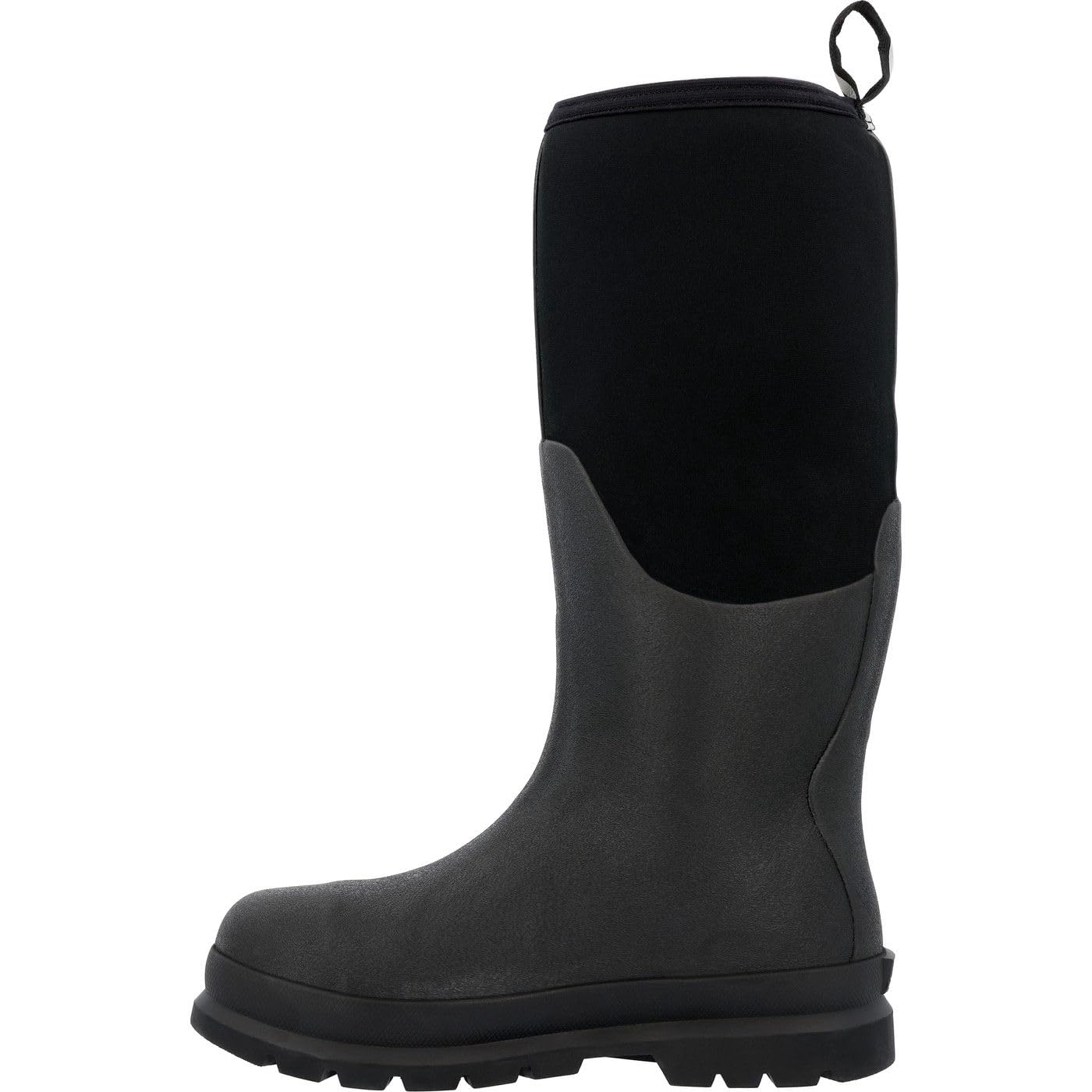

What Sets Pest Control Boots Apart
A pest control route mixes indoor and outdoor work in a single shift, so your boots need to handle both without a change of footwear at every stop. They must shrug off moisture and treatment liquids outside, then walk cleanly across tile, hardwood, and carpet inside a customer home. That dual role is what separates this category from ordinary work footwear.
Chemical and Moisture Resistance Comes First
Treatment products, standing water, and wet grass all reach your boots during a normal day, so the upper material matters more here than in most trades. Full rubber boots and sealed leather uppers resist soaking and wipe clean at the end of a shift, while open mesh panels absorb liquids and hold odors. Check that seams are sealed rather than simply stitched, because stitch holes let moisture creep in around the toe and heel during long treatments in wet yards.
All Day Comfort on a Walking Route
Technicians walk far more than they stand still, moving between the truck, the yard perimeter, and every room of a home. A boot that feels fine in the store can punish your feet by the tenth stop, so weight and cushioning deserve real attention. Lighter boots reduce leg fatigue across a long route, and a padded collar keeps the ankle from rubbing when you climb in and out of the truck dozens of times a day.
Protection Where the Work Happens
Crawl spaces, attics, and overgrown fence lines hide nails, sharp debris, and uneven footing, so toe and sole protection are practical rather than optional. A reinforced toe cap guards against dropped equipment, and a puncture resistant midsole adds safety when you cross old boards or construction scraps. If your route is mostly outdoor treatment work, see our guide to the best work boots for pest control for a closer look at taller protective styles.
How to Choose: A Complete Buying Guide
Features That Matter for Pest Control Work
Start with the conditions you meet most often: wet turf, chemical overspray, hard indoor floors, and tight crawl spaces. Look for a waterproof or water resistant upper, a slip resistant outsole rated for wet surfaces, and a shaft height that keeps spray and debris out, usually around 6 to 8 inches for service work. Follow every product label for the treatments you apply, use the protective equipment the label requires, and seek medical care promptly if you develop skin or eye irritation, dizziness, or nausea after an exposure.
Fit, Sizing, and Toe Box
Measure your feet in the afternoon, when they are at their largest after hours of walking, and try boots on with the socks you actually wear on route. Your toes should wiggle freely without pressing the front of the boot, because a roomy toe box prevents blisters and bruised toenails during long days. Leave about a thumb width of space ahead of your longest toe, and remember that sizes vary between brands, so check the maker size chart rather than assuming your usual number transfers.
Waterproofing, Gore Tex, and Membranes
A waterproof membrane such as Gore Tex blocks outside water while letting some sweat vapor escape, which suits technicians who treat wet lawns and enter homes all day. Solid rubber boots shed water completely but trap more heat, so they fit short outdoor treatments better than full indoor routes. Breathable waterproof liners sit between those extremes. The trade off is simple: the more complete the waterproofing, the warmer your feet run in summer, so match the membrane to your climate and season.
Durability and Expected Lifespan
Daily route work wears boots faster than occasional yard use, and most pairs give roughly 12 to 18 months of full time service before cushioning and tread fade. Full grain leather and quality rubber uppers outlast thin synthetic panels, and a stitched or bonded sole resists separation better than a lightly glued one. Inspect the outsole lugs and heel counter every few months, because worn tread on wet surfaces is a safety problem long before the boot looks finished.
Outsole Traction and Terrain
Lug depth drives grip on soil and mulch, with deeper lugs around 4 to 5 mm biting into soft ground around foundations and garden beds. On indoor tile and sealed concrete, a flatter tread pattern with many small contact points grips better and tracks less dirt into a home. Rubber compounds from makers such as Vibram balance both worlds well. If your route mixes both surfaces daily, choose a medium lug pattern rather than an aggressive hiking tread that can feel unstable on smooth floors.
Break In Period and Comfort Out of the Box
Stiff leather boots usually need one to two weeks of shorter shifts before the material softens around your ankle and forefoot. Rubber and soft synthetic boots often feel comfortable immediately, though they offer less structure while you adjust. Wear new boots on light routes first, and keep your old pair in the truck as a backup until the new ones feel settled. Blisters during break in usually signal a sizing problem rather than stiffness, so recheck fit before blaming the material.
Cushioning and Support
Cushioning absorbs the repeated impact of pavement and truck steps, while arch support keeps your foot stable on ladders and uneven ground. A heel to toe drop of about 8 to 12 mm suits most walkers, easing calf strain without feeling unstable in a crawl space. Stability designs add firmer foam under the arch for feet that roll inward, while neutral cushioning works for feet that stay aligned. Match the support to your stride, not to the highest price tag.
Types of Boots for Pest Control Routes
Tall Rubber Boots
Tall rubber boots give the most complete protection against standing water, mud, and heavy spray, and they rinse clean in seconds. They suit outdoor only treatments, termite work in wet soil, and mosquito applications around ponds and drainage areas. The downsides are heat and limited ankle support, so most technicians reserve them for specific stops rather than wearing them through an entire mixed route.
Mid Height Service Boots
Mid height leather or synthetic boots are the route workhorse, balancing ankle support, water resistance, and a tidy look for entering homes. They pair well with uniforms, grip most surfaces competently, and handle the constant truck exits that define service work. For technicians who move between yards and living rooms all day, this style usually covers the widest range of calls with the fewest compromises.
Lightweight Low Cut Options
Low cut waterproof shoes and light boots trade shaft protection for cooler feet and easier movement during indoor heavy routes. They work well for inspection calls, apartment buildings, and follow up visits where chemical exposure stays minimal.
Tips to Get the Most From Your Boots
- Rotate two pairs on alternating days so each pair dries fully, which slows odor and lining breakdown.
- Rinse treatment residue off the uppers after outdoor calls, because chemical buildup can dry out leather and rubber over time.
- Air dry wet boots away from direct heat, since radiators and heaters can crack leather and warp glued soles.
- Lace firmly through every eyelet to prevent heel slip, which is a leading cause of blisters on long walking routes.
- Replace worn insoles before replacing the whole boot, because fresh insoles restore much of the original cushioning at low cost.
How to Make Your Pest Control Boots Last Longer
Care for these boots is about chemical exposure as much as dirt. Wipe or rinse the uppers at the end of any day that involved spraying, and let the boots dry in open air before storing them in the truck. A leather conditioner used every few months keeps leather uppers flexible, while rubber boots need only a wash and a dry storage spot away from sunlight.
Store boots upright so the shaft keeps its shape, and loosen the laces fully when you take them off to reduce stress on the eyelets and collar. Check the tread and seams monthly, and retire a pair when the outsole runs smooth or the waterproof lining starts leaking, because both problems appear suddenly on wet ground. Good care stretches the working life of a solid pair well past the one year mark.
Frequently Asked Questions
What features matter most in boots for pest control?
Chemical resistance, waterproofing, and slip resistant traction matter most in boots for pest control. Together they keep treatment liquids and wet ground away from your skin while you move safely between yards and indoor floors. One point buyers often miss is shaft coverage around the ankle, because low openings let spray and debris in during perimeter treatments even when the rest of the boot performs well.
Can I wear pest control boots all day?
Yes, you can wear pest control boots all day when the fit and cushioning suit your feet. Choose a pair with a roomy toe box, moderate arch support, and a weight your legs tolerate across many stops. Rotating two pairs during the week also helps, because fresh dry lining feels far better on the second long day than a boot that never fully dried overnight.
Are expensive pest control boots worth the money?
Expensive pest control boots are worth it when the extra cost buys sealed seams, better membranes, and replaceable insoles rather than styling. Higher priced pairs often last a full extra season under daily route use, which lowers the real cost per month. If your work is occasional yard treatment at home, a mid priced rubber or leather pair usually covers your needs without the premium.
How often should I replace pest control boots?
Most pest control boots need replacing after about 12 to 18 months of daily professional use. Homeowners treating their own yard can stretch a pair much longer. Watch for three clear signals: tread worn smooth on wet surfaces, a lining that leaks during hose downs, and cushioning that feels flat by midday. Replacing on those signals protects your footing better than following any fixed calendar date.
How should pest control boots fit compared with regular shoes?
Pest control boots should fit slightly roomier than regular shoes, with space for thicker work socks and natural foot swelling during long shifts. Your heel should stay seated when you walk, while the toes move freely. Many technicians order a half size up from their casual shoes, especially in rubber styles that cannot stretch, so compare the brand size chart against your afternoon foot measurement before ordering.
Do I need waterproof boots for pest control work?
Yes, waterproof boots are strongly recommended for pest control work because lawns are often wet and treatments are applied as liquids. A membrane lined boot handles mixed indoor and outdoor routes, while full rubber suits heavy outdoor spraying. If you only do dry indoor inspections, a water resistant upper may be enough, but one surprise wet lawn can soak an untreated boot for the rest of the day.
Final Thoughts
The right pair comes down to three checks: an upper that resists chemicals and water, traction that holds on both soil and tile, and a fit your feet can live in for a full route. Use the product table above to compare those points side by side before you order. When you match those basics to your route, the best boots for pest control become the pair you forget you are wearing, which is exactly what long service days demand.


