
Best Boots for Pear Shaped Body 2026: Matching the Right Model to Your Routine
Disclosure: We may earn a commission when you buy through links on this page, at no extra cost to you. As an Amazon Associate I earn from qualifying purchases. Learn more

Learn how to choose the best boots for pear shaped body, with calf measurements, shaft height, heel stability and fit checks for balanced proportions.
There is no single boot that fits every pear shaped figure, because calf width, leg length and daily use change what works. The best boots for pear shaped body shoppers need are ones that fit the widest calf point without squeezing, balance fuller hips and stay steady underfoot. Use the comparison table below to check shaft, heel and fit.
A pear shaped body usually means fuller hips, thighs and calves with a narrower waist and shoulders. That makes two problems common: a shaft that stops at the widest calf and cuts the leg in half, and a calf opening that will not zip over jeans.
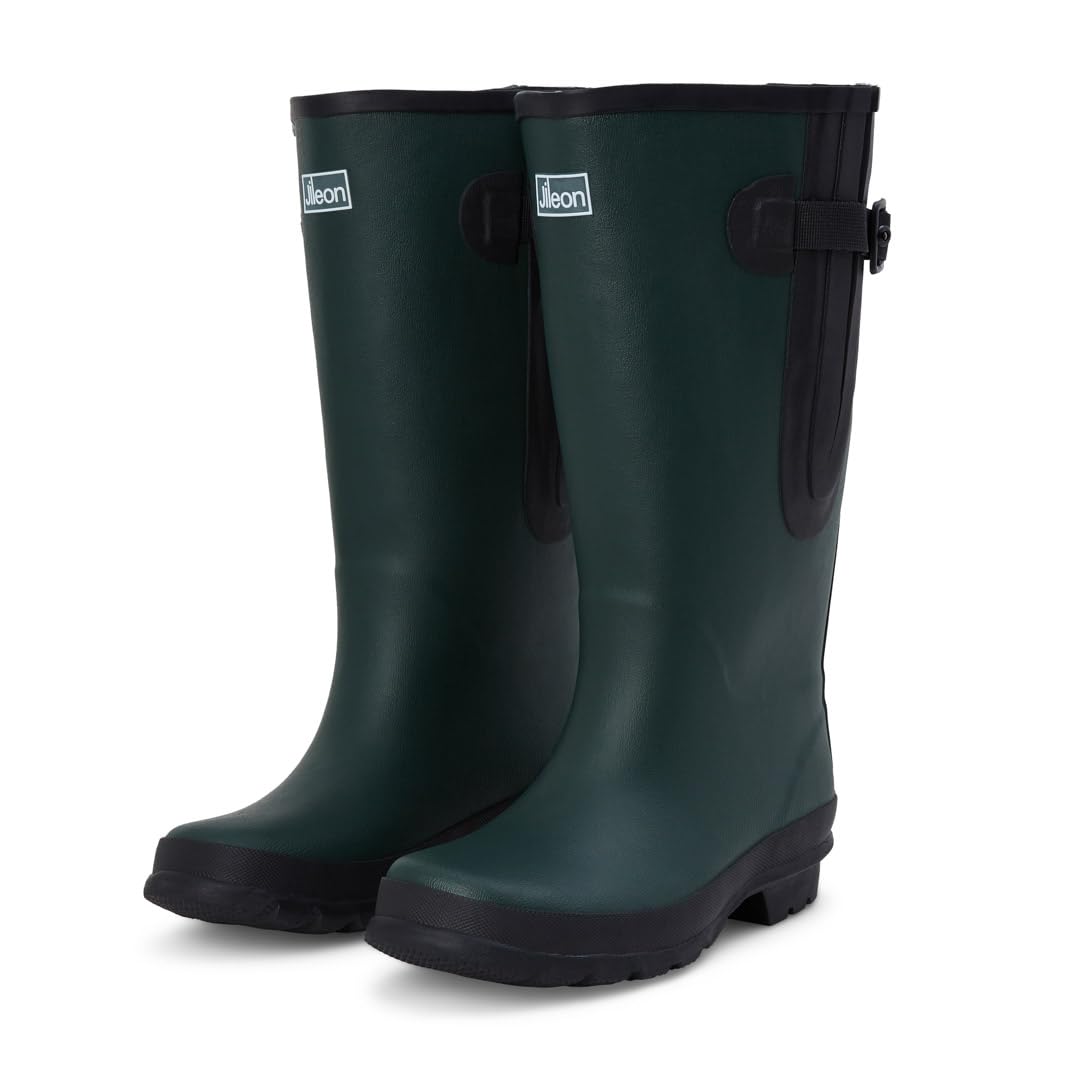


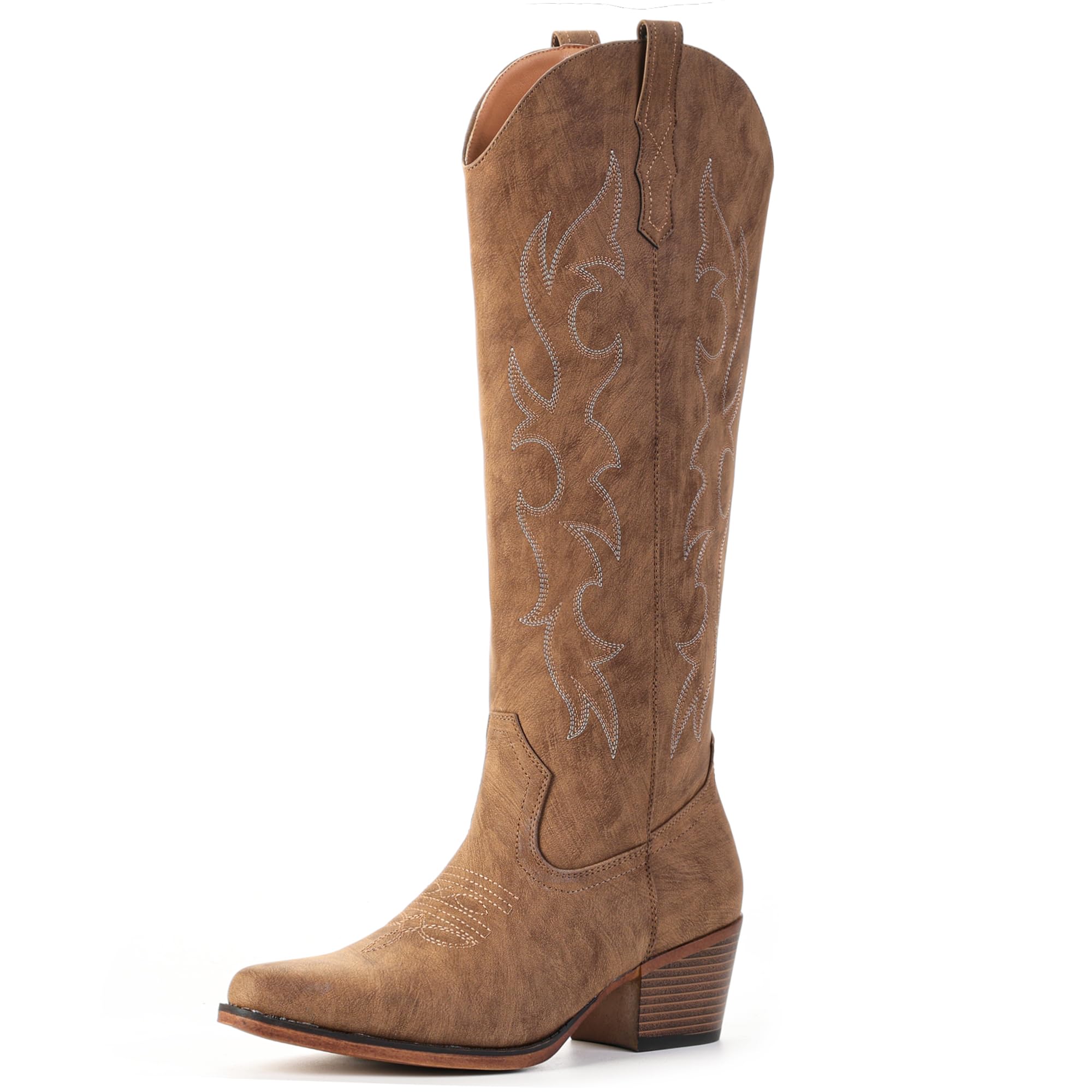


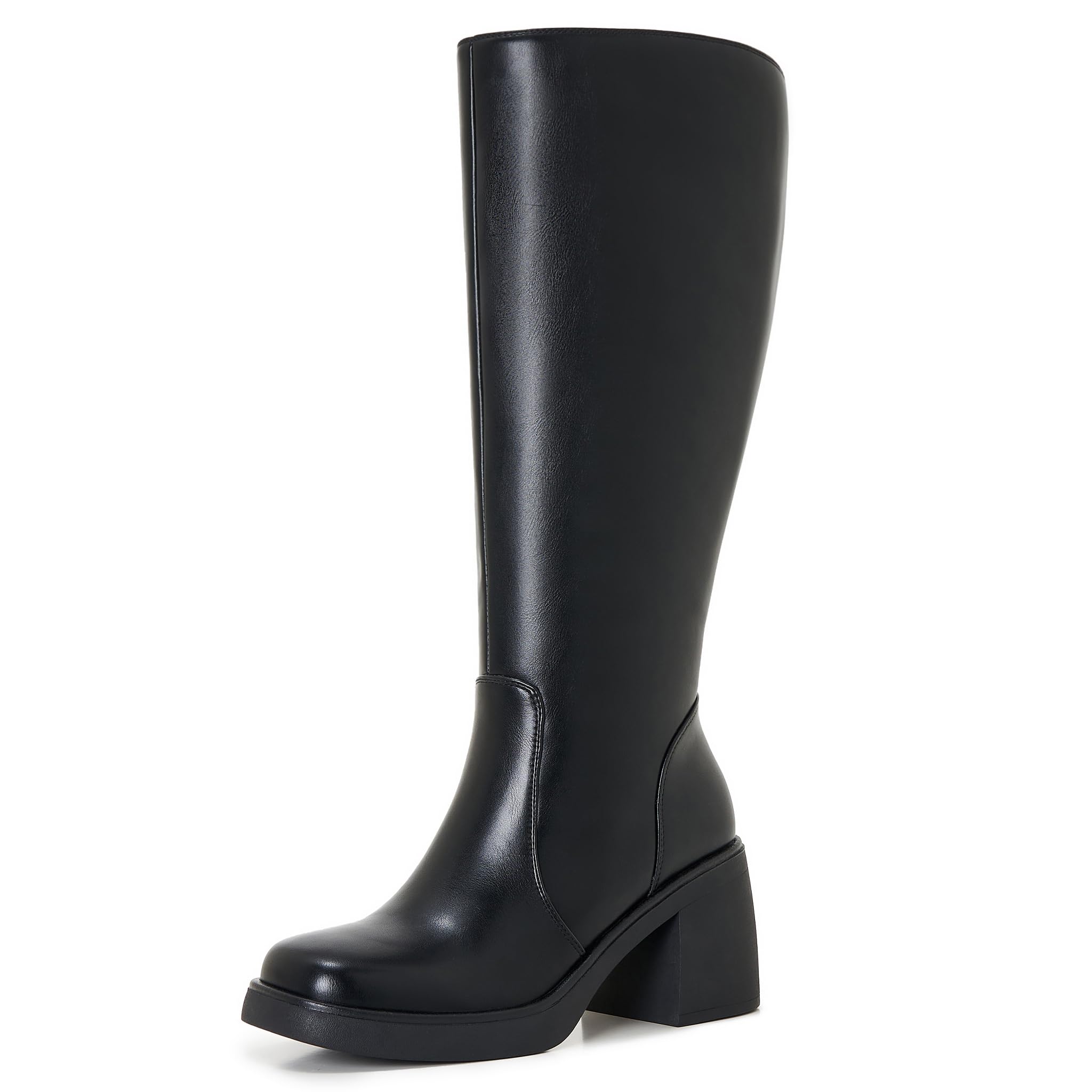
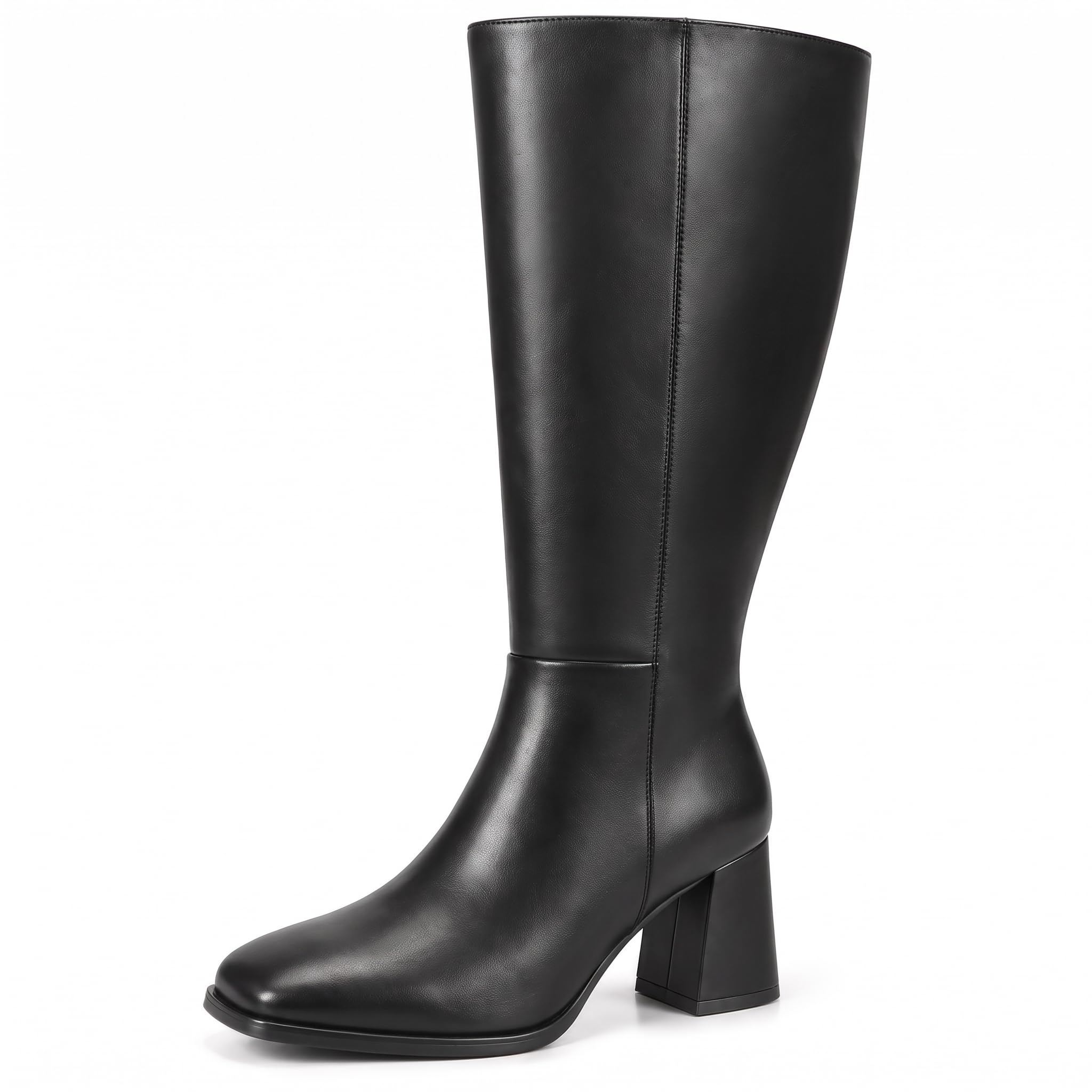
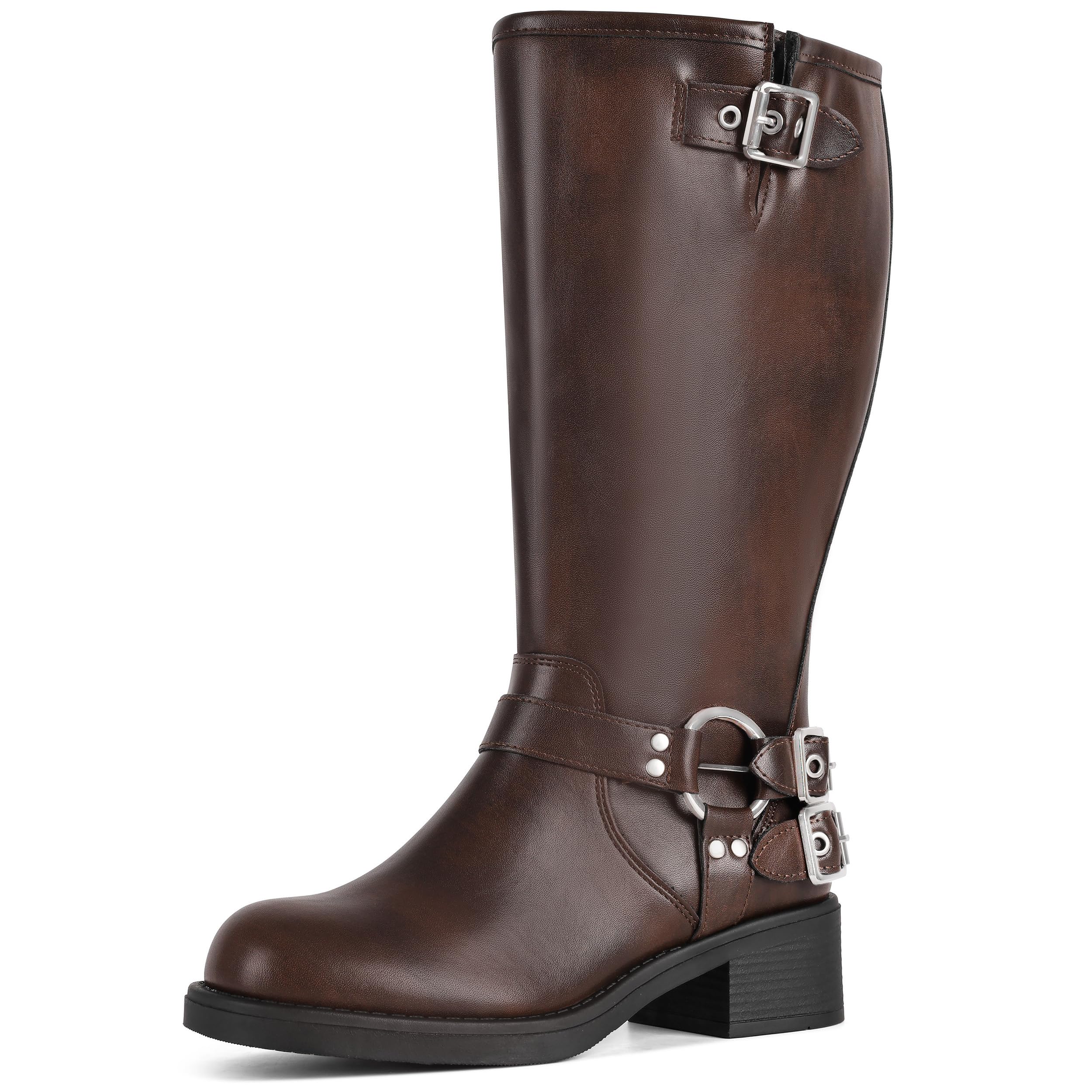
Who Should Buy Which Boots for a Pear Shaped Body?
Start with the fit problem you hit most often. Your calf shape, height and time on your feet will narrow the right shaft and heel faster than fashion photos will.
Pear Shaped Readers With Full Calves Who Want Knee High Boots
You need a wide calf shaft, a full length side zip and stretch panels at the back. Choose knee high styles where the top edge sits just below the knee, above the widest calf point, so the line stays smooth. Allow about half an inch of room at the calf with your usual pants.
Petite Pear Shaped Readers Who Want Longer Looking Legs
You need proportion more than height alone. Choose ankle or knee high boots in a color close to your pants or tights, because a matching tone keeps the leg line unbroken. A block heel of about 1.5 to 2.5 inches adds length while staying stable. Avoid chunky soles and slouchy shafts that add bulk low on the leg.
Pear Shaped Readers Who Stand and Walk for Long Hours
You need comfort that lasts past the first hour. Prioritize cushioned insoles, a roomy toe box and a low heel with a wide base for stability. Chelsea and lace up ankle boots suit daily wear because they hold the ankle without a tight calf shaft. For wet commutes, choose a waterproof and breathable upper with a grippy outsole.
Pear Shaped Readers Dressing for Work and Polished Outfits
You need a clean shaft that defines the ankle instead of pooling around it. Structured leather uppers hold their shape under dresses and tailored pants. A sleek knee high boot with a modest block heel balances fuller hips under skirts. Keep hardware small and away from mid calf, because a large buckle there draws the eye to the widest area.
Key Features to Compare
Compare these factors in order, because calf fit and shaft height decide whether a boot works for your shape at all. Heel, toe and support then fine tune comfort when you compare the best boots for pear shaped body options.
Shaft Height and Where the Top Edge Lands
Shaft height controls where the eye stops on your leg. Ankle boots end below the calf and suit pants and warmer days, but they can shorten the leg if the color contrasts sharply with your outfit. Mid calf boots are the hardest height for most pear shaped readers, because the edge often lands on the widest calf point. Knee high boots that end just below the knee create a longer line.
Calf Circumference, Stretch Panels and Zip Placement
Calf circumference decides whether a tall boot zips at all. Regular shafts often run about 14 to 15 inches around, wide calf styles about 16 to 18 inches, and extended sizes can go beyond that. Elastic gore panels add about half an inch to one inch of give over jeans, but they cannot fix a base shaft that is far too small. A full side zip is easier than a pull on shaft for full calves.
Heel Height, Heel Shape and Stability
A heel changes leg length and how weight sits on your feet. Flat boots can make a dress outfit look heavy around the hip if the shaft is also wide. A block heel of about 1.5 to 2.5 inches lifts the calf and stays steadier than a thin stiletto on wet pavement. Look for a heel base that sits squarely under your heel bone. If you rarely wear heels, start at the low end of that range.
Toe Shape, Toe Box and Overall Foot Fit
Toe shape changes proportion while toe box width changes comfort, and you need both. Almond and pointed toes extend the visual line of the leg, which helps balance fuller hips, while round toes can make the foot look shorter. The toe box still needs room for toes to lie flat, especially in pointed styles. Try boots late in the day with usual socks, and check that toes never press the front.
Cushioning and Arch Support Under a Fuller Frame
Cushioning softens impact under the heel and ball of the foot, which matters during long walks. A moderate heel to toe drop from a low block heel can reduce pull at the calf for some readers, while a very flat boot may feel tiring by evening. Look for a contoured insole with clear arch contact if you have flat feet. Seek medical advice if you notice numbness, sharp heel pain that does not ease with rest, or sudden swelling, and talk with your clinician about personal needs.
How to Measure Your Calf and Choose the Right Shaft
Measure both calves at the widest point while standing, ideally in the afternoon when legs are at their fullest. Wrap a soft tape flat without pulling it tight, and use the larger number. Add about half an inch if you will tuck in jeans, and about a quarter inch for tights. Compare that total with the shaft circumference for your shoe size.
Next, measure from the floor beside your heel to the crease behind your knee. That tells you the tallest shaft that will not dig in when you sit. Sit in the boots, bend the knee and climb a few steps. The top edge should stay smooth and the zip should stay closed without strain. For over the knee styles, also check thigh room.
Common Mistakes to Avoid
- Choosing a mid calf shaft that ends at your widest calf point makes that point look wider and shortens the leg line.
- Forcing a regular calf zip closed strains the zip and leaves marks and numbness after short wear.
- Picking a thin high heel for daily walking reduces stability and shifts pressure to the ball of the foot.
- Judging fit in the morning leads to boots that feel painfully tight by evening.
- Pairing a round toe with a contrasting ankle shaft shortens legs against fuller hips.
- Buying only by calf size leaves a loose ankle that rubs and lets the shaft slide down.
Care and Maintenance Tips for Boots
Let wet boots air dry away from direct heat, and stand tall shafts upright with boot shapers inside so they keep their shape. Brush dirt from the outsole and wipe uppers after wear, because grit in the ankle crease wears the material as it bends. Condition smooth leather when it looks dry.
Rotate two pairs if you wear boots daily, so insoles can dry and cushioning can rebound. Replace worn insoles when they stay flat after a day of rest, and replace heel caps before the heel core wears down. Store boots upright in a cool dry place.
Frequently Asked Questions
What features matter most in boots for a pear shaped body?
Calf fit and shaft height matter most in boots for a pear shaped body. Start with a shaft that clears your widest calf point and zips with your usual layers, then check ankle definition. One detail many shoppers miss is color placement: a bright band at mid calf draws attention there, while a plain shaft keeps the eye moving along the full leg.
How long is the break in period for new leather boots?
The break in period for new leather boots is usually about three to five short wears for the ankle and foot, and longer for a stiff tall shaft. Calf stretch is small and slow, so do not count on it to fix a tight zip. Use moleskin on a rub spot during first wears, and stop if a blister forms.
Do pear shaped readers need waterproof boots for everyday wear?
No, pear shaped readers do not need waterproof boots for dry indoor days, but a waterproof pair helps for rainy commutes and travel. Waterproof membranes can feel warmer, so a breathable lining matters if your feet run hot. For mostly dry use, a water resistant finish on leather often covers brief splashes.
How should knee high boots fit around the calf of a pear shaped body?
Knee high boots should fit around the calf with about half an inch of ease and no gap large enough for the shaft to swing. You should be able to slide one fingertip inside the top edge, but not a whole hand. If the shaft fits yet slips at the heel, try a heel grip before you size down and lose calf room.
Are expensive boots worth it for a pear shaped body?
Expensive boots can be worth it for a pear shaped body when the cost buys true wide calf sizing, replaceable insoles and a repairable outsole. Price alone does not guarantee a better calf fit. A moderate pair that matches your exact calf measure will serve you better than a costly pair in a regular shaft.
Can pear shaped readers wear heeled boots all day?
Yes, pear shaped readers can wear heeled boots all day if the heel is a stable block of about 1.5 to 2 inches and the insole cushions the ball of the foot. Pack a flat pair for a long walk home on uneven streets. A small floor mat at a work counter, when allowed, also reduces forefoot pressure.
Wrapping Up
Match calf circumference first, place the shaft edge away from your widest calf point second, and choose a stable heel and toe shape that lengthen the leg third. Those three checks solve most fit problems for this shape. Review the product table above with your numbers beside you.
When you shop for the best boots for pear shaped body fit with those numbers in hand, you can skip styles that will never zip or flatter and focus on pairs you will wear often.


