
Best Boots for Painters: A First Time Buyer's Guide for 2026
Disclosure: We may earn a commission when you buy through links on this page, at no extra cost to you. As an Amazon Associate I earn from qualifying purchases. Learn more

Find boots for painters with plain guidance on traction, paint cleaning, cushioning, toe room and fit for ladders, drops and long shifts on site.
Painting looks gentle on footwear until you spend a full shift climbing ladders, kneeling on drop cloths and standing on concrete floors. The best boots for painters grip smooth floors, shed dried paint and cushion your feet through long hours. This guide explains the basic terms and each choice in plain language, so you can read the comparison table below with confidence.
You need the boot that matches where you paint, indoors or out, and how much ladder work and cleanup your day includes. One feature, such as water resistance, matters a lot for exterior work and very little inside a finished home.


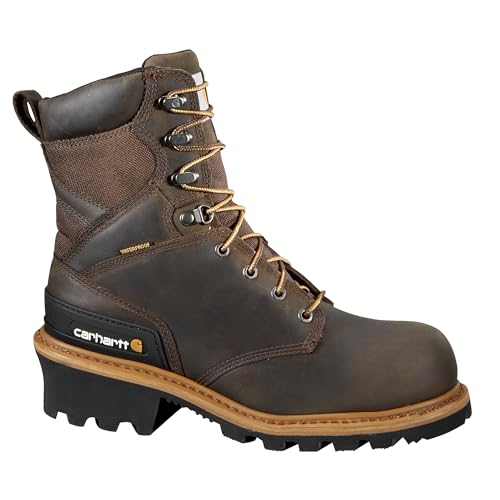

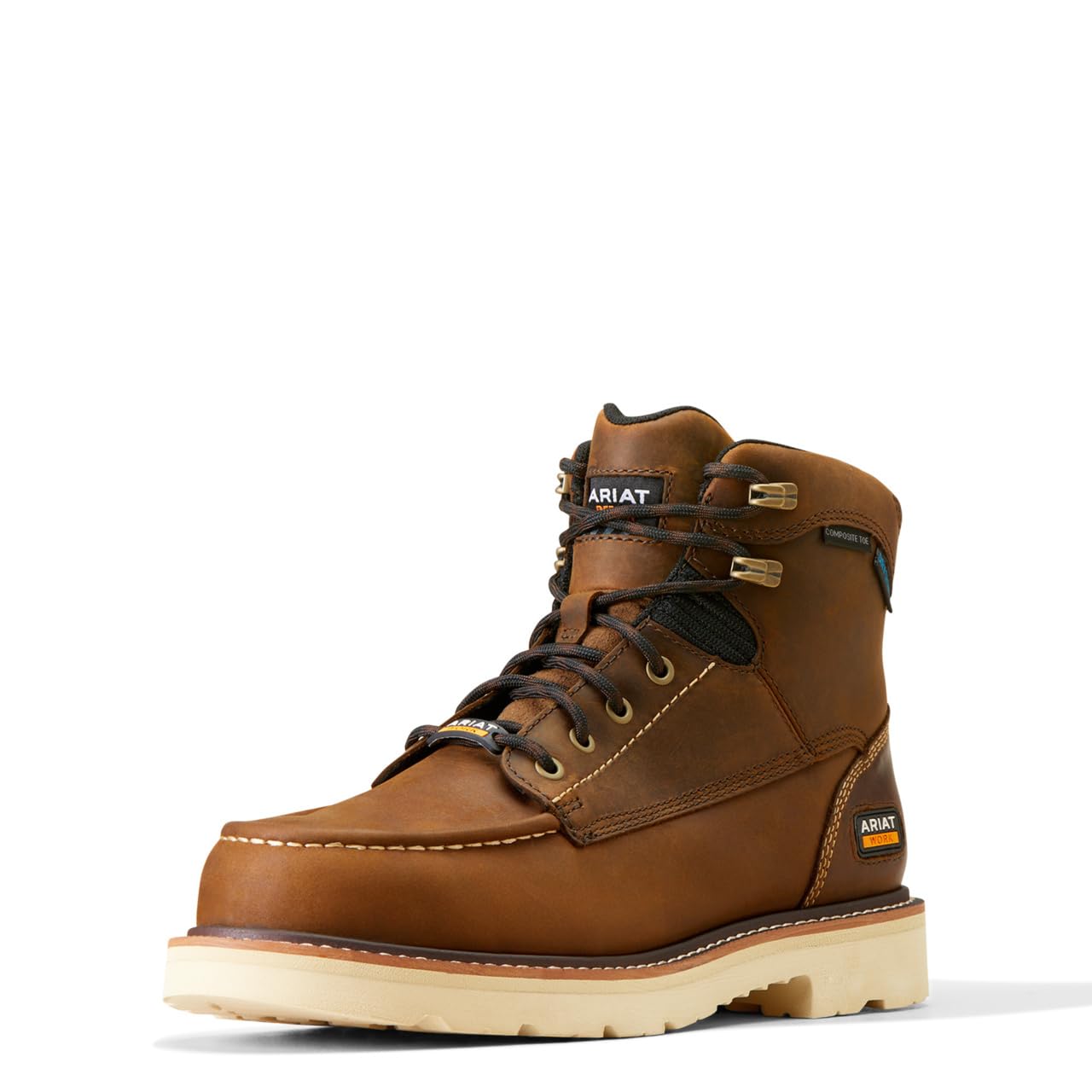


Boots 101: The Basics for Painters
A work boot is a closed shoe with a taller shaft that covers the ankle, a structured sole and an upper built to take scuffs and spills. For a painter, the shaft guards your ankle against ladder rails and kicked cans. The upper takes paint splatter daily, so its surface and seams shape how hard cleanup will be.
The outsole is the bottom layer that touches the ground, and the midsole is the cushioning layer above it. The toe box is the space around your toes, and the heel to toe drop is the height difference between heel and forefoot. For a broader look at job site footwear, see our guide to the best work boots for painters for a work focused comparison.
Who Should Buy Which Boots for Painting Work?
Start with the surface under your feet and the position you work in most. Those two facts narrow the field fast.
Interior Painters on Finished Floors
You cross hardwood, tile and carpet protection all day, in homes where a scuffed floor costs real money. Choose a lighter boot with a flatter outsole, shallow tread and softer rubber that grips without marking. A smooth upper wipes clean fast, and moderate cushioning is usually enough because you move often and rarely stand in one spot.
Exterior Painters on Ladders and Rough Ground
You climb, carry and walk across lawns, gravel and damp decks. Choose deeper tread, a defined heel that seats against a ladder rung and a shaft that holds your ankle steady on uneven ground. Water resistance earns its place here, because morning dew and light rain are part of the job.
Painters Doing Prep, Spraying and Cleanup
Prep work means sanding dust, washing walls and rinsing tools, and spraying leaves a fine coat of paint on everything you wear. Choose an upper with few seams and no fabric panels that trap dried paint. A washable surface matters more than a plush lining, and spare insoles help because your boots get wet during cleanup often.
Boot Specs Painters Actually Need to Understand
When you shop for the best boots for painters, judge each spec by the surface and hours in your own week. The six points below cover what changes how a boot feels by mid afternoon.
Paint Shedding Uppers and Easy Cleaning
The upper is everything above the sole, and painters test it daily with splatter and overspray. Smooth leather and coated synthetic uppers let dried latex paint peel or wipe away, while suede and open mesh hold paint in their texture. Fewer seams mean fewer edges where paint builds up. Choose a smooth, sealed surface if you spray often. A partly fabric upper suits painters who mostly roll walls and value airflow.
A Fit That Stays Comfortable Through a Full Shift
Measure both feet late in the day, when they are at their largest after hours of standing. Your toes should lie flat with a small gap at the front, and the widest part of your foot should sit in the widest part of the boot. A roomy toe box matters for painters because you kneel and flex your forefoot often. If you fall between sizes, take the larger size and adjust with an insole or thicker socks.
Outsole Traction on Ladders and Smooth Floors
Traction comes from the tread pattern and the rubber itself, not from tread depth alone. Shallow, closely spaced tread grips tile, sealed concrete and ladder rungs well, because more rubber stays in contact with a flat surface. Deep lugs suit gravel and mud but can feel unstable on a narrow rung and can track debris into a finished room. A clear heel edge helps the boot seat on a rung, while a fully flat sole can slide forward if your weight shifts.
Support for Long Hours Standing on Drop Cloths
Painters stand on ladders, floors and driveways most of the day, so the midsole decides how your feet feel at quitting time. A firm foam midsole spreads pressure across the foot and resists packing down over months of use. Arch support should match the shape of your own arch, with a removable insole if you plan to add your own. Stability comes from a sole that resists twisting when you carry a loaded can.
Water Resistance and Breathability
A membrane lining, such as Gore Tex or a house brand version, blocks outside water while letting some sweat vapor escape. That trade is worth it for exterior painters who wash surfaces, work after rain or rinse equipment outside. Inside a heated home, the same lining can feel warm, and a plain upper will breathe better. Decide by your wettest normal week.
Weight, Flexibility and Break In Time
Most work boots for this trade weigh about 2 to 4 pounds per pair, and that gap shows up on ladders by late day. A flexible forefoot bends as you kneel and climb, while a stiff sole protects better on rough ground. New leather boots often need about one to two weeks of shorter wears before the upper softens around your ankle. Start with half days indoors, then extend wear time as hot spots fade.
Getting Started: First Wear and Early Checks
Wear new boots at home first with your work socks. Lace from the bottom upward and snug each section, because even tension stops the heel from lifting as you walk. Walk stairs and step onto a low, stable surface to check that your heel stays seated and your toes never jam forward.
After the first full shift, note where your feet feel sore. Soreness on one side only can point to a lacing problem or a size that is slightly short. Adjust one thing at a time, either lacing, socks or insoles, so you can tell what fixed the problem.
Rookie Mistakes to Avoid
Most first pairs fail for one of these reasons rather than poor quality.
- Buying boots in the morning, when feet are smallest, leaves no room for swelling during a long shift.
- Choosing deep trail style lugs for indoor work makes ladder rungs feel unsure and drags grit across finished floors.
- Letting dried paint build up in the tread quietly removes the grip you bought the boots for.
- Wearing new boots for a full exterior day at once turns the break in period into blisters and a lost workday.
Care and Maintenance for Painters' Boots
Knock dried paint off the outsole after each job with a stiff brush and a plastic scraper. Wash the upper with warm water and mild soap, then rinse well. Wipe fresh latex paint off at once with a damp cloth, since the same paint needs scraping once it cures overnight.
Air dry wet boots at room temperature away from direct heat, with the insoles pulled out and the laces loosened. Direct heat can crack leather and weaken sole glue. Condition plain leather uppers once they look dry and pale, and store boots upright so the shaft keeps its shape.
Frequently Asked Questions
What features matter most in boots for painters?
Grip on smooth floors and easy cleaning matter most in boots for painters. Beyond those two, weigh how much time you spend washing surfaces, because that decides whether a washable upper beats a breathable one. If you rinse tools daily, your boots face the same water, so rank water resistance higher.
Do painters need waterproof boots for exterior painting?
Painters need waterproof boots for exterior painting when their work includes washing, wet ground or regular rain. One point the main sections skip is drying time between shifts. A soaked unlined boot can still feel damp the next morning, while a membrane boot starts the day dry. With one pair worn outside most days, that dry start is a practical reason to pay for the lining.
How long does it take to break in new boots for painters?
New boots for painters usually break in within about one to two weeks of regular wear. The collar around the ankle softens last, because ladder work bends it at the same crease on every step. Wear taller socks during that period so the collar rubs fabric rather than skin. If one spot still stings after two weeks, the size or shape is likely wrong.
Can painters wear work boots all day on hard floors?
Yes, painters can wear work boots all day on hard floors if the fit and cushioning suit their feet. What helps most is a change of position, because standing in one line loads the same part of the foot for a long stretch. Rotate between standing and kneeling tasks. If heel pain keeps returning on concrete, a firmer insole often helps more than a softer, thicker one.
How should boots for painters fit at the toes and heel?
Boots for painters should fit with toes lying flat and the heel held without rubbing. Check the fit on a stair, not only on flat ground, because a heel that feels fine while standing can lift when you descend a ladder. Your longest toe should clear the front when you step down.
The Bottom Line
For a first pair, put grip on your real surfaces first, an upper you can clean second and toe room third. Interior painters can trade water resistance for airflow, while exterior painters should keep the membrane and the defined heel. Check your shortlist against the product table above.
Chosen that way, the best boots for painters stop being a guess and become a simple match between your jobs and your boots. Buy the pair that fits your most common day.


