
Best Boots for Outdoor Winter Work: A Buying Guide for 2026
Disclosure: We may earn a commission when you buy through links on this page, at no extra cost to you. As an Amazon Associate I earn from qualifying purchases. Learn more

Find outdoor winter work boots for cold shifts, with clear guidance on insulation, ice traction, waterproofing and fit with thick winter socks.
Working outside in winter punishes the wrong footwear fast. Cold seeps up from frozen ground, slush soaks through seams, and a smooth sole can slide on the first icy patch. The best boots for outdoor winter work keep your feet warm, dry and steady for a full shift, and the comparison table below lets you check insulation, height and toe type.
Start with your coldest and wettest day, not your average one. A boot that feels fine on a mild afternoon can fail on a windy morning in deep snow. The sections below match warmth, traction and fit to your job.


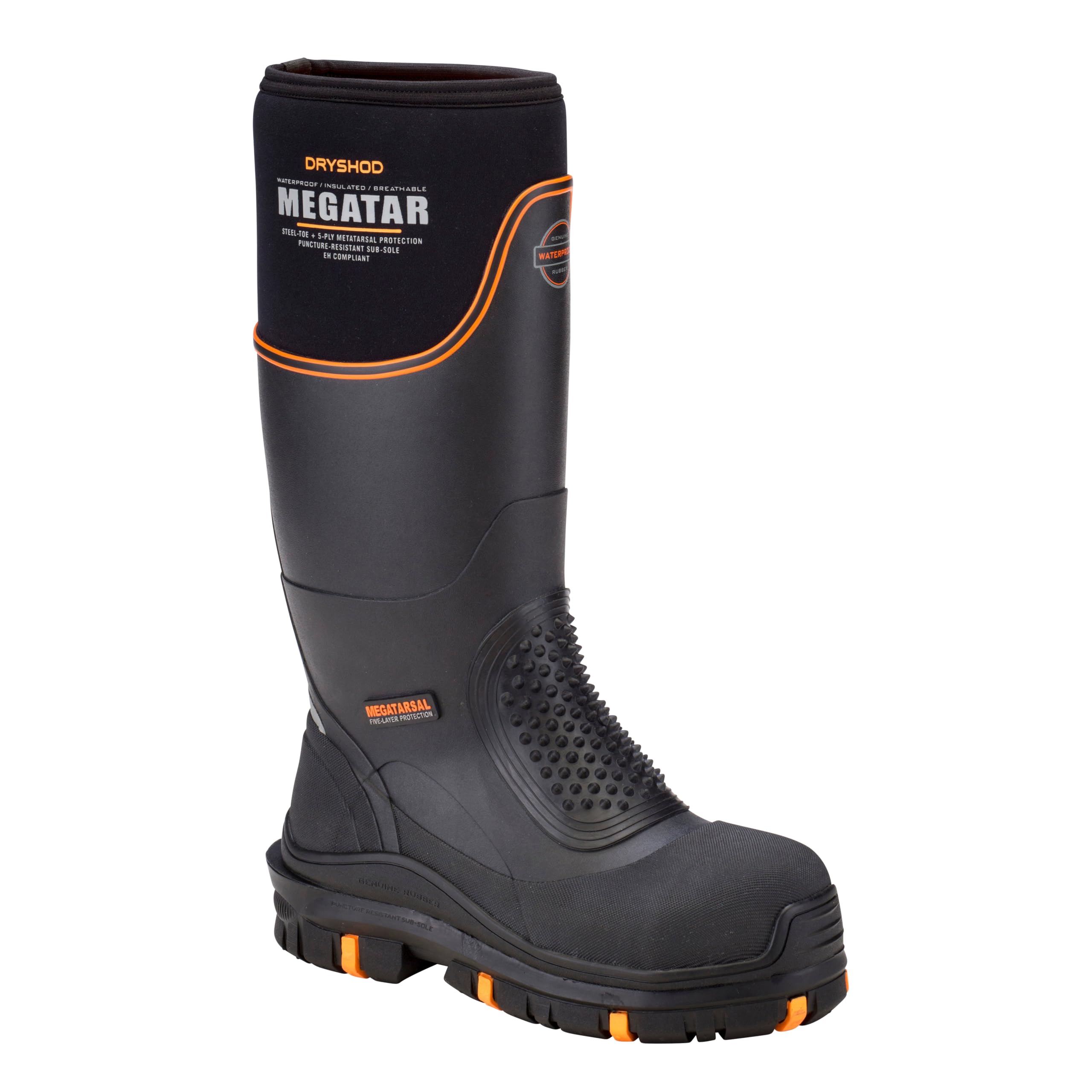


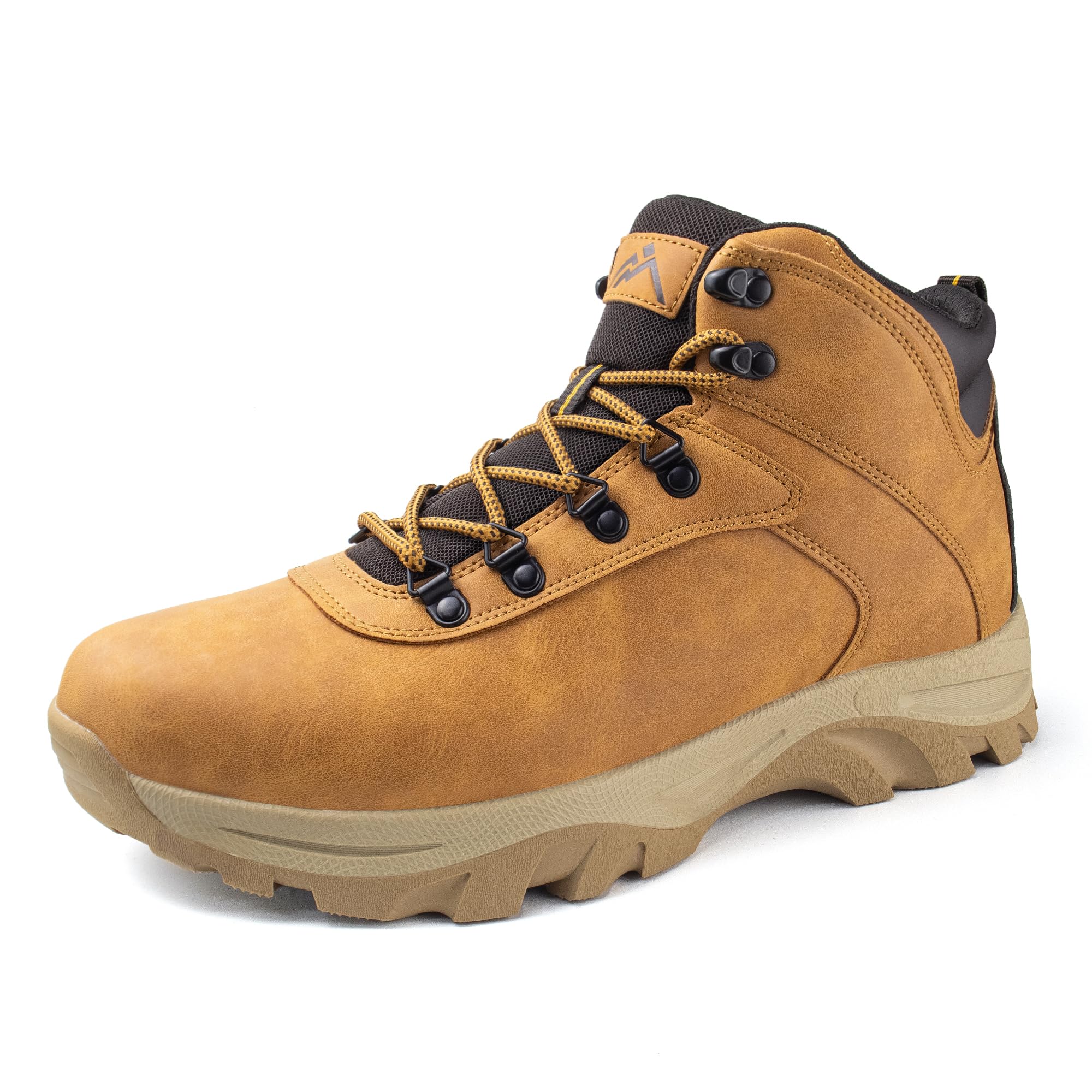

Who Should Buy Which Boots for Outdoor Winter Work?
Outdoor winter jobs differ in movement, ground and exposure. Match the boot to your most common day.
Crews Working on Snow Covered Job Sites
You climb, carry and stand on ground that shifts from packed snow to bare ice in one walk. Choose a boot with a safety toe if your site requires one, a tall shaft that keeps snow out, and a lugged outsole you trust on slopes. Warmth matters most during still tasks, such as guiding a load, when your feet cool quickly.
Delivery, Yard and Farm Workers Moving All Day
You move between a warm cab, wet pavement and snowy yards many times a shift. Choose a lighter boot with strong grip and a shaft height that suits the deepest snow on your route. Too much insulation can feel hot during loading, so pick warmth for your coldest stop. If your work stays outdoors but rarely in deep winter cold, see our guide to the best outdoor work boots for a broader range of seasons.
Workers Standing for Long Shifts on Frozen Ground
You stand on concrete, steel or frozen soil that pulls heat from your feet all day. Choose firm cushioning, a supportive insole and insulation under the foot, not only around it. A roomy fit helps because swelling builds during long standing. Boots that feel snug in the shop can turn painful by the final hour.
Key Features to Compare
When you compare the best boots for outdoor winter work, judge warmth and grip first, then fit and protection.
Insulation Weight and Warmth for Your Coldest Shift
Insulation is usually listed in grams, and common work options run from about 200 to 1000 grams. Around 200 to 400 grams suits active work in mild winter cold, while 600 grams and above suits still work in severe cold. Wet insulation loses warmth, so warmth and waterproofing must work together. Lasting numbness, pale or hard skin, or blisters after cold exposure need prompt medical care, and you should talk with your clinician about personal cold limits.
Waterproof Protection and Shaft Height
A waterproof membrane, sealed seams and a gusseted tongue keep melt water out in slush. Breathable linings help sweat escape during active tasks, though no membrane moves moisture fast once you stand still in deep cold. Shaft height matters just as much, since a low boot lets snow pour in over the top. If insulation is your first concern, see our guide to the best insulated work boots for winter.
Outsole Grip for Frozen Job Sites and Icy Loading Yards
Deep lugs shed snow and bite into soft ground, while softer rubber compounds stay more flexible and grip better on hard ice. Look for wide lug spacing, a defined heel for slope control, and tread that reaches the edge of the sole. Stability drops fast once lugs wear smooth, even if the upper still looks sound. Smooth soles have no place on icy work ground.
Safety Toe and Underfoot Protection for the Work Site
Many sites require a safety toe, and composite toes feel less cold than steel toes in winter because the material transfers less cold. A puncture resistant plate helps where nails or sharp scrap litter the ground. Check your employer rules before you buy, since a warm boot that fails a site rule still cannot be worn. Electrical hazard ratings matter for some trades and appear on the label when present.
Fit, Toe Box Room and Thick Socks
Try boots late in the day while wearing your thickest work socks, because feet swell and winter socks add real volume. Your toes need room to spread and wiggle, since a tight toe box cuts warmth by pressing insulation flat. Your heel should stay seated when you walk, and the boot should flex at the ball of your foot. If you fall between sizes, the larger size usually serves winter work better.
Cushioning, Stability and Support for Hard Ground
Frozen ground returns every step to your legs, so cushioning under the heel and forefoot protects your joints during long shifts. A firm midsole and a modest heel to toe drop keep your stance stable while you carry loads. Removable insoles let you add arch support for flat feet or high arches without changing boot size.
Types of Outdoor Winter Work Boots Compared
Most pairs fall about $110 to $260, with warmth, toe type and shaft height driving the price.
Insulated Leather Work Boots for General Winter Jobs
These boots pair a leather upper with moderate insulation and a work outsole, and they suit mixed tasks on cleared ground, workshop yards and light snow. Leather resists scrapes and can be renewed with care, but it needs drying time after wet days. For a wider view of this class, see our guide to the best winter work boots.
Tall Pac Style Boots for Deep Snow and Slush
Pac style boots combine a tall waterproof lower section with a soft upper and a thick removable liner. They shine in deep snow, slush and mud, and the liner can be pulled out to dry overnight. They feel less precise on ladders, so they suit ground work more than climbing. If your winter time is mostly recreation rather than paid work, see our guide to the best outdoor winter boots.
Low Insulation Boots for Mild Winter Days
A boot with light insulation suits regions where winter means cold rain and brief frost more than lasting snow. It walks more like a normal work boot and feels less hot indoors. The trade off is clear, since a cold snap or a wet week can leave it short on warmth. Keep it as a second pair if your area sees severe spells.
Common Mistakes to Avoid
- Choosing insulation by air temperature alone leaves you cold when wind and wet ground pull heat away.
- Buying your usual shoe size without thick socks on makes the toe box too tight for winter work.
- Picking a smooth or worn outsole for icy ground turns a short walk into a fall risk.
- Wearing a short shaft in deep snow lets snow enter over the top and soak your socks.
- Drying wet boots against direct heat cracks leather and can warp the sole bond.
Care and Maintenance for Outdoor Winter Work Boots
Pull the insoles and liners out after each wet shift and let the boots air dry at room temperature, away from heaters and direct sun. Stuffing the boots with plain paper for the first hours helps draw moisture from the toe area. Full drying can take a day, so a second set of liners keeps you ready for the next shift.
Brush off dried mud and road salt, then wipe the uppers with a damp cloth, since salt left on leather leaves stiff patches. Work a leather conditioner into clean and dry leather when it looks pale, and renew the water repellent finish on fabric panels when water stops beading. Store the boots upright, and check lug depth each month.
FAQ
What features matter most in boots for outdoor winter work on icy job sites?
Warmth, waterproofing and ice grip matter most, in that order, for icy job sites. Before a shift, test your grip on a small safe patch of the same surface, since polished ice in a shaded loading area can differ from rough ice outside. A boot that passes on packed snow can still need added traction devices where your employer allows them.
Do I need waterproof boots for outdoor winter work in slush and snow melt?
Yes, you need true waterproof boots if your day includes slush, puddles or melting snow. A spray on finish alone fades with abrasion and flexing, often within weeks, while a built in membrane such as Gore Tex keeps working as long as the seams stay intact. Check that the gusseted tongue rises high, since water often enters at the lace area first.
How often should I replace boots for outdoor winter work?
Replace your boots when grip, warmth or support fades, even if the upper still looks usable. A useful home check is to press a thumbnail into the midsole foam near the heel, since foam that stays flat no longer cushions well. Many daily wearers reach this point after two to three winter seasons, while occasional users may go longer.
How long is the break in period for outdoor winter work boots?
Most outdoor winter work boots need about one to two weeks of shorter wears before a full shift feels comfortable. Start with errands and half days, and add your thickest socks only after the upper begins to flex with your foot. Blisters at this stage usually signal heel slip, so adjust lacing at the ankle before you assume the size is wrong.
Can I wear boots for outdoor winter work for a full shift?
Yes, you can wear boots for outdoor winter work for a full shift if the fit leaves toe room and the weight suits your task. Fresh dry socks at mid shift restore warmth better than tighter laces, since damp socks chill feet fast. If one foot always aches in the same spot, swap the insole first before replacing the whole boot.
Our Verdict
Choose warmth for your coldest task, grip for your slickest ground, and fit with your thickest socks on. The right type then follows, whether that is a leather boot for mixed jobs or a tall pac style boot for deep snow. Use the product table above to confirm insulation weight, shaft height and toe type.
Choose the best boots for outdoor winter work with those checks done first, and one warm and steady pair will carry you through the season.


