
Best Boots for Operators by Budget: A Guide for 2026
Disclosure: We may earn a commission when you buy through links on this page, at no extra cost to you. As an Amazon Associate I earn from qualifying purchases. Learn more

Compare boots for operators at every price level, with clear guidance on fit, support, safety toes, traction and where extra spending truly helps you.
Boots for operators can cost about $80 to $300, and the price gap is not always obvious in a product photo. The best boots for operators match your surface, your safety rules and the way you move between a cab, a ladder and the ground. This guide shows what each price level buys you, so you can judge the comparison table below by value rather than by price alone.
Start with your shift, not with a brand. Note how long you stand, how often you climb, whether floors are oily or wet, and whether your site requires a safety toe. Those answers point you to the right tier.


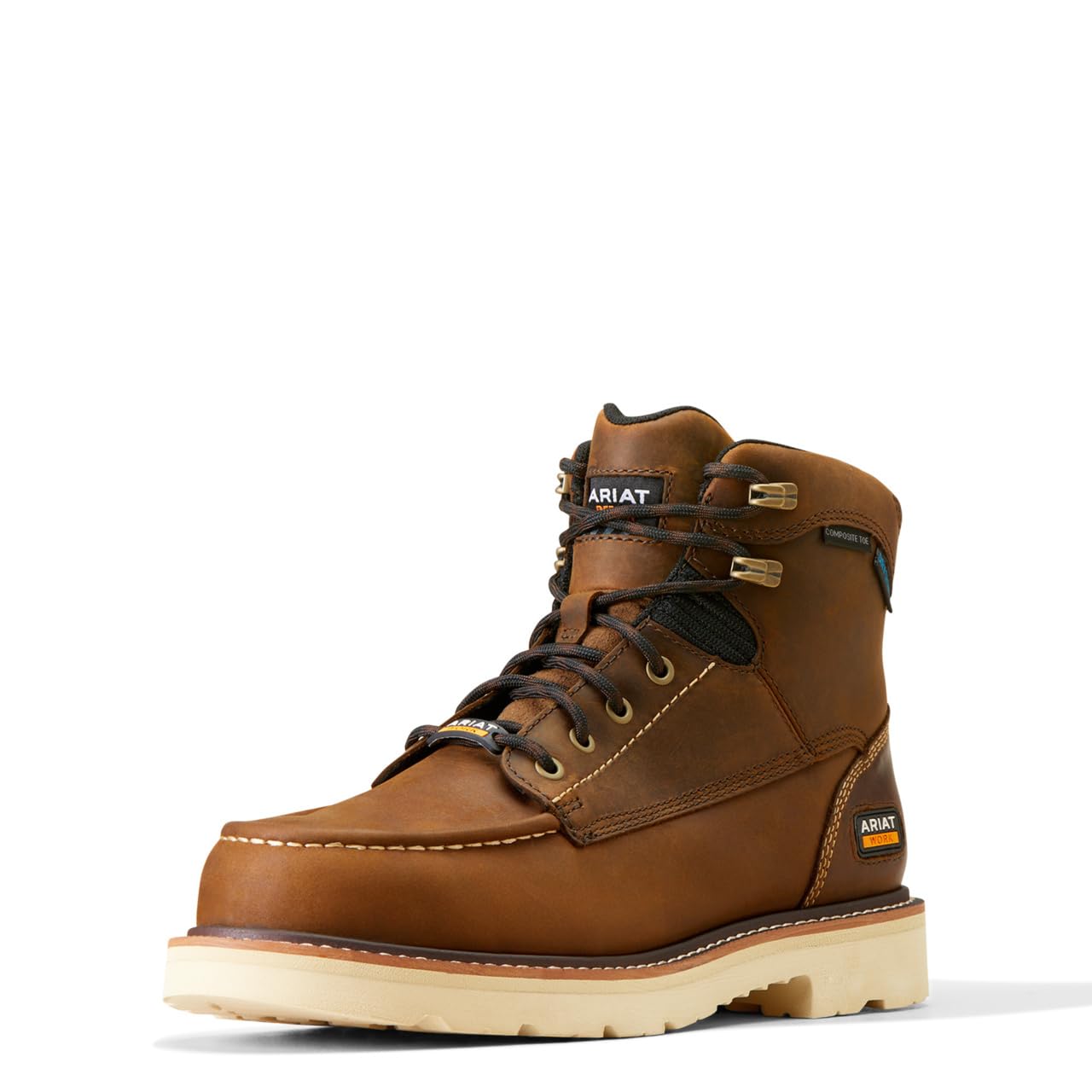
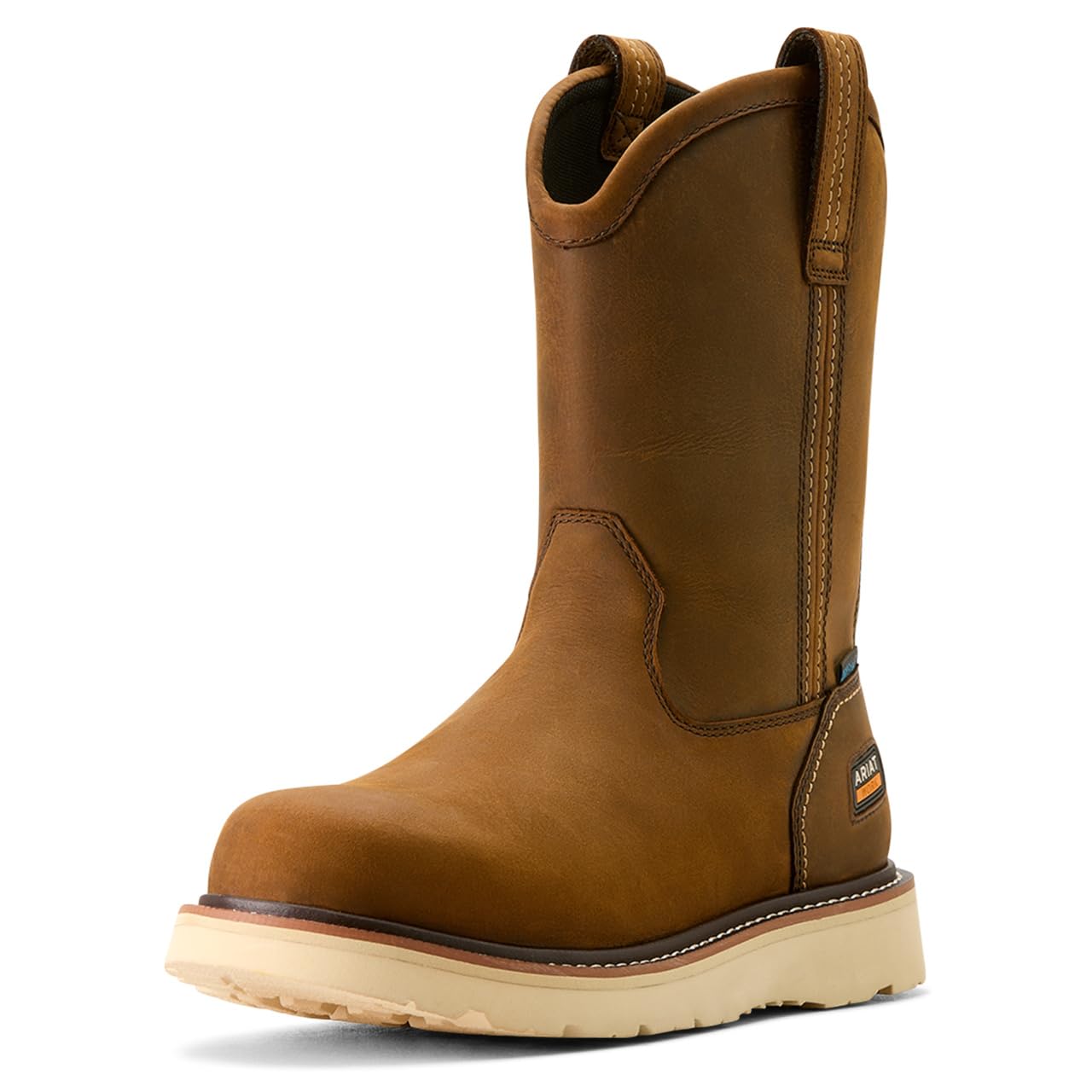
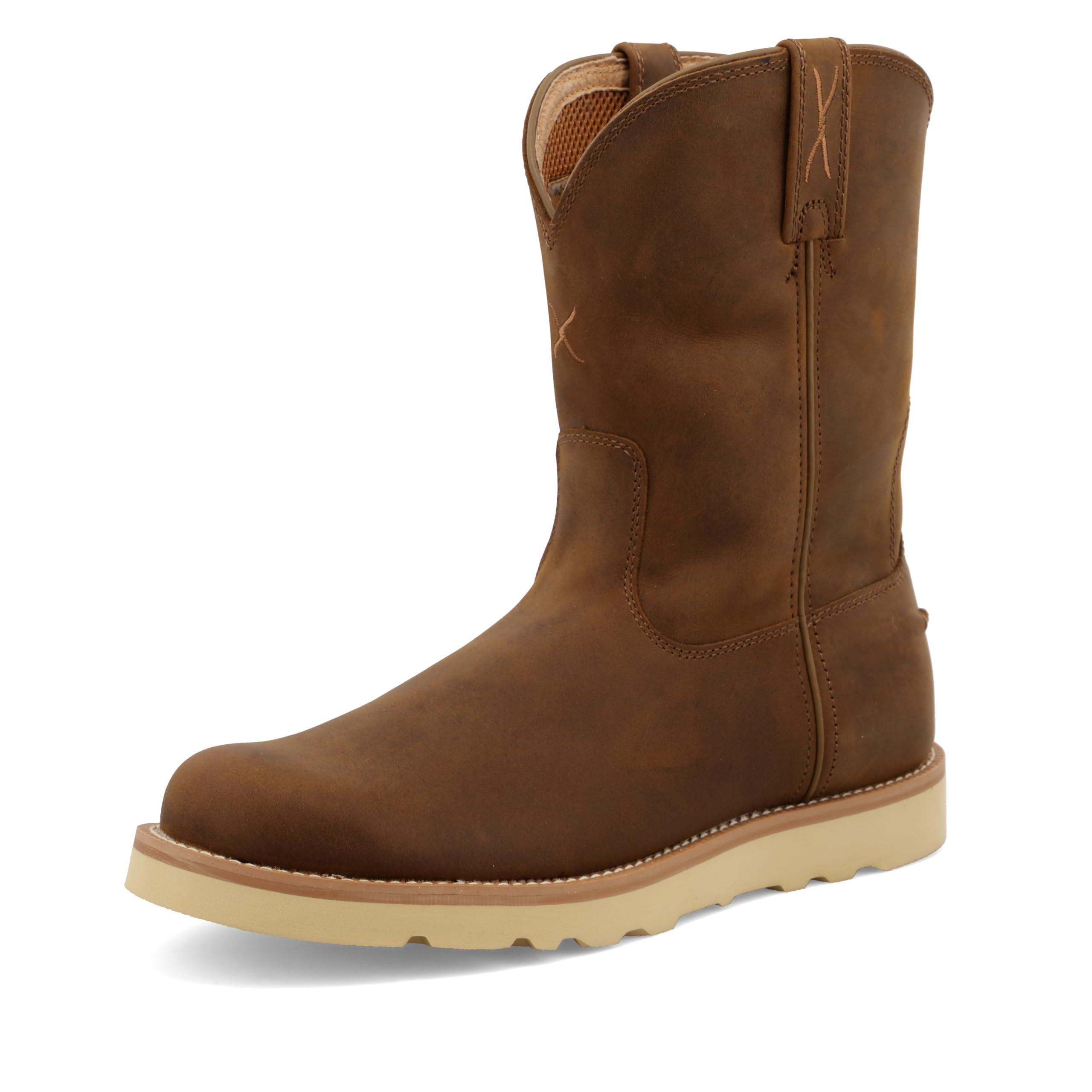
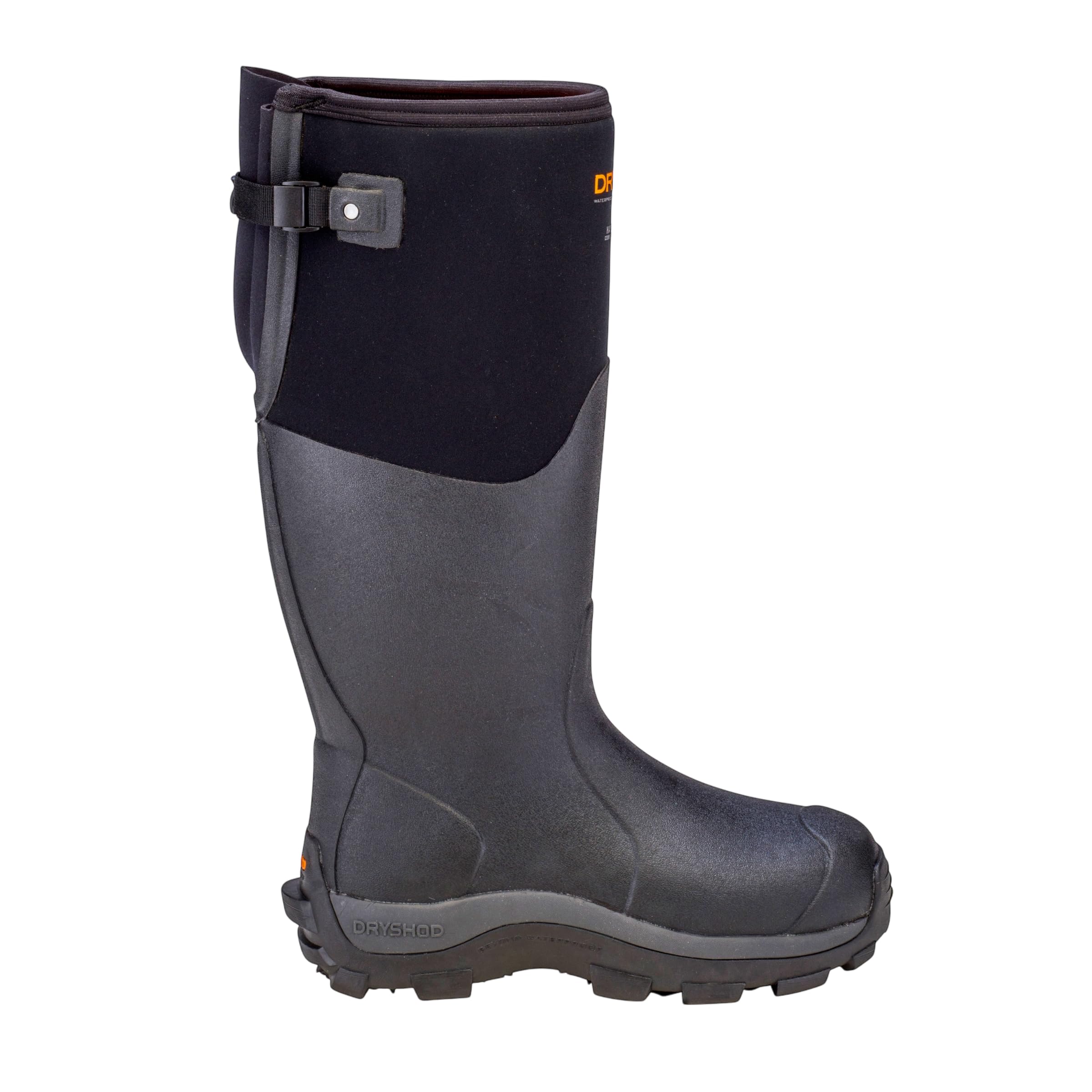
Who Should Buy Which Boots for Operators?
Operators do very different work under one job title. Match the boot to the surface and movement you repeat most.
Heavy Equipment Operators Who Climb and Work Pedals
You climb cab steps, press pedals for hours and step down onto gravel or mud. Choose a boot with a defined heel that catches a step edge, firm ankle support and a toe that is not so bulky that pedal feel suffers. A six inch or eight inch shaft suits most cab work, and a lighter boot reduces leg fatigue on repeated climbs.
Plant and Warehouse Operators on Concrete All Shift
You stand and walk on hard, flat floors, often near oil, water or dust. Traction and cushioning matter more than deep tread, so look for a flat outsole with many small gripping edges and a midsole that stays firm late in the shift. A composite toe can meet safety rules while keeping weight down.
Outdoor and Utility Operators in Changing Weather
You move between yards, soil, wet grass and paved areas in one shift. Choose deeper tread, a waterproof membrane for wet ground and enough shaft height to keep grit out. Breathability matters on warm days, so a lined boot that feels right in winter may feel heavy and hot in summer.
Operator Boot Prices: What Each Tier Adds
Price is a useful guide only when you match it to your shift and safety rules, because the best boots for operators for a dry indoor plant differ from the right pair for a wet outdoor yard. Use the tiers below to set a budget first.
Budget Tier: Basic Protection for Lighter Duty
Boots at about $80 to $120 usually give you a steel toe, a leather or mixed upper and simple cushioning. That can be enough for shorter shifts, spare pairs or dry floors with few climbing demands. Expect faster wear in the lining and insole and fewer width choices. Buy this tier for coverage and value, not for all day comfort.
Midrange Tier: Better Fit and Longer Shift Comfort
Boots at about $120 to $200 usually add shaped insoles, better arch support, more width options and outsoles with stronger grip on mixed surfaces. Uppers resist scuffs better, and the heel and ankle areas feel more stable. For most operators who wear one pair daily, this tier balances price against comfort and service life.
Premium Tier: Durability and Support for Daily Wear
Boots at about $200 to $300 usually bring tougher leather, stronger stitching, more supportive midsoles and longer lasting waterproof membranes. The gain is not softness alone. It is slower wear, steadier support in month six and better odds of resoling on some styles. Choose this tier if you work long shifts outdoors or replace cheaper boots often.
Features Worth Paying For and Ones to Skip
Spend first on fit, traction and the safety rating your site requires. Skip tall shafts you do not need, extra insulation in a warm plant and fashion stitching that adds cost without grip or support.
Safety Toe Type and Workplace Rating
Your site rules decide this choice, so confirm the required rating before you shop. Steel toes handle heavy impact well but add weight and feel cold outdoors. Composite toes weigh less and do not conduct cold in the same way, which suits plant and utility work. Aluminum sits between the two on weight. Never assume a boot qualifies just because the toe looks hard.
Outsole Grip for Oil, Concrete and Gravel
The outsole is your contact with every surface you cross, so tread shape matters as much as rubber claims. Flat, closely spaced patterns grip smooth concrete indoors, while wider lugs clear gravel and mud outdoors. Look for oil resistant and slip resistant ratings where floors are slick. A defined heel helps on ladder rungs, while a fully flat sole can feel less secure when you climb.
Sizing and Toe Space for Pedal Work
Measure both feet late in the day, when they are at their largest, and size to the longer foot. Your toes should move inside the toe box without pressing the safety cap, and your heel should stay seated when you walk and climb. Thick work socks change the fit, so try boots with the socks you wear on shift. If you fall between sizes, choose the size that prevents heel slip, then adjust volume with an insole.
Arch Support and Cushioning for Long Machine Shifts
Arch support should match your foot shape, with flatter feet usually needing firmer support and higher arches needing more contact under the midfoot. Cushioning should absorb standing pressure without feeling unstable on pedals. Heel to toe drop in work boots often falls around 8 to 12 mm, and that height changes how your calves and knees load during a shift. If you have ongoing foot pain, numbness or a condition that affects circulation, talk with your clinician about personal needs.
Waterproofing, Breathability and Boot Weight
A waterproof membrane such as Gore Tex helps when you cross wet yards or work through rain, and it keeps socks drier on soaked ground. The trade off is airflow, since lined boots usually feel warmer and dry more slowly than unlined breathable styles. Weight matters over a full shift too. A lighter boot eases climbing and walking, while a heavier boot may suit rough ground better.
Insoles, Laces and Other Running Costs
The purchase price is only part of what a pair costs you. Insoles often need replacing before the upper wears out, and waterproof styles may need surface treatment to keep shedding rain. Some premium boots can be resoled, which spreads their price over more seasons, while many budget boots are replaced as a whole unit.
Add a replacement date to your budget, and cost per month becomes easier to judge.
Common Mistakes to Avoid
- Buying a safety toe rating your site never approved leaves you with boots you cannot wear at work.
- Choosing deep mud lugs for smooth concrete reduces contact with the floor and can make grip worse.
- Sizing boots with thin socks in the morning leads to pinched toes once feet swell on shift.
- Paying for heavy insulation in a warm indoor plant leaves you with hot, tired feet every day.
- Keeping a boot with a smooth, worn outsole on oily floors raises your chance of a serious slip.
Care and Maintenance for Operator Boots
Brush off grit and mud after each shift and let the boots dry at room temperature, away from direct heat that can crack leather. Loosen the laces and pull the insoles out when the inside feels damp, since trapped moisture breaks down padding. Rotate two pairs if you can, because a rest day lets cushioning recover.
Condition leather uppers when they look dry, check stitching and sole edges each month and repair small separations early. Replace insoles when they stay flat after a rest day. Retire the boots when tread is smooth, when the safety toe is dented or exposed or when the upper splits.
FAQ
What features matter most in boots for operators who work long shifts?
Fit, traction and the correct safety rating matter most for long shifts. Beyond those basics, check the tongue and collar padding, because pressure at the front of the ankle grows during repeated climbing. Also check lace hardware, since bent hooks or torn eyelets can end the life of a sound boot early.
How should boots for operators fit during a pedal and climbing test?
Boots for operators should feel secure at the heel and roomy at the toes during a short test indoors. Walk, climb a few steps and mimic pedal pressure before you remove the tags. Also check ankle bend, since a shaft that digs in when your foot flexes on a pedal will bother you far more over ten hours than in a brief store test.
How long is the breaking in period for new operator boots?
The breaking in period for new operator boots is often about one to two weeks of regular wear. Stiff leather styles can take longer than soft mixed uppers. Start with shorter shifts or keep your old pair nearby, and add wear time gradually. Sharp pain, daily hot spots or numb toes are not normal signs, so change size or width rather than pushing through them.
How often should operators replace work boots worn every day?
Operators who wear work boots every day often replace them after about six to twelve months of heavy use. Your surface decides the pace, since concrete wears tread and cushioning faster than cab work does. Track the purchase month in your phone, and start shopping when grip fades, because waiting for a full sole failure leaves you choosing in a hurry.
Do operators who work outdoors need waterproof boots?
Yes, operators who work outdoors on wet ground usually need waterproof boots. The deciding detail is how long your feet stay wet, not whether rain is falling when your shift starts. Puddles, wash down spray and wet grass can soak an unlined boot early and keep socks damp for hours. If your work is mostly dry but muddy, a water resistant leather upper may be enough.
The Bottom Line
Set your tier by shift length and surface, then spend on fit, the right safety toe and grip for your floor or ground. Use the product table above to compare price, weight and shaft height. When you judge best boots for operators by cost per month and comfort late in the shift, the right level becomes clear.


