
Best Boots for Office for 2026: What Your Money Really Gets You
Disclosure: We may earn a commission when you buy through links on this page, at no extra cost to you. As an Amazon Associate I earn from qualifying purchases. Learn more

Office boots compared tier by tier: what budget, midrange and premium prices buy in leather quality, cushioning and sole grip, plus comfort checks.
Office boots cover a wide price range, and the gap between a budget pair and a premium pair is about far more than looks. The best boots for office balance a clean profile that works with dress pants against comfort that survives a full day on hard floors. This guide is organized by budget, so you can see exactly what each step up buys.
Each tier below spells out the materials, cushioning and sole quality you can expect, plus where extra money stops helping. The comparison table below lists current styles side by side with their price bands. Read the tier sections first, then use the feature notes to decide which upgrades matter for your job.


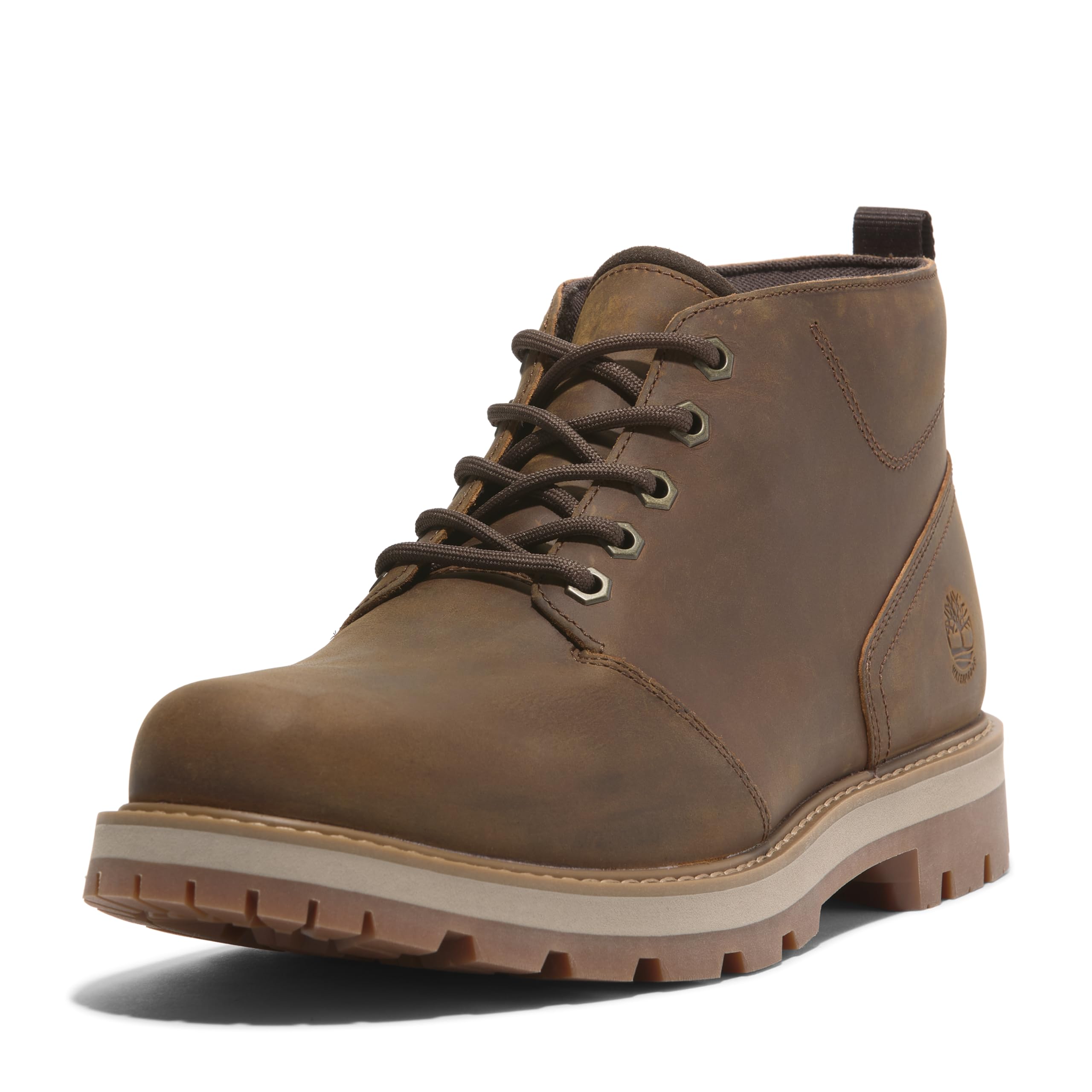
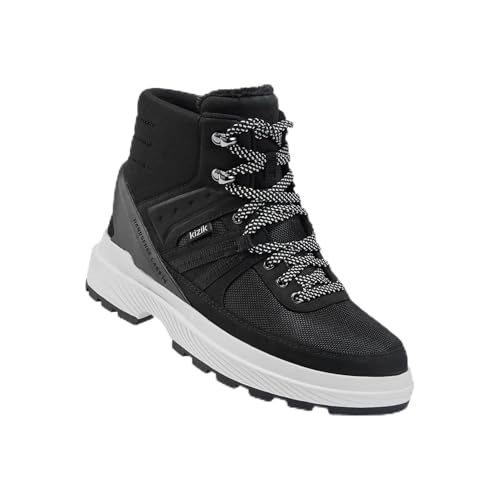


What Your Money Gets You at Each Price Tier
Prices here reflect typical Amazon US listings for office suitable boots.
Budget Tier: Honest Basics
Budget office boots run about $70 to $120 and usually pair synthetic uppers or basic leather with glued soles. Expect thin cushioning that feels fine for desk days but flattens within a year of daily wear. Stitching is mostly decorative, and replacement is the plan when the sole wears smooth. This tier suits new hires and anyone testing whether boots suit their office style before spending more.
Midrange Tier: Where Comfort Improves
Midrange boots run about $120 to $200, and this is where full grain leather, removable cushioned insoles and stitched sole attachments become common. The leather creases more cleanly, holds polish better and resists scuffs from chair casters and desk edges. Most office workers land here, because the comfort jump from the budget tier is real while the price stays reasonable. A good midrange pair lasts about two to three years of weekday wear.
Premium Tier: Materials That Age Well
Premium boots run about $200 to $350 and add thicker full grain leather, leather lined interiors and resoleable welted construction. The break in takes longer, but the boot then molds to your foot and can be resoled instead of replaced, which spreads the cost across about four to six years. Finishing details improve too, with cleaner edges and hardware that does not tarnish. Choose this tier if you wear boots four or five days a week and value one long lasting pair.
Features Worth Paying For, and Ones to Skip
Cushioning for Long Days on Hard Floors
Office floors are unforgiving: tile, polished concrete and thin carpet over slab all day. A cushioned insole with real arch support matters more than a padded collar, because the load sits in your midfoot and heel. Removable insoles are worth paying for, since you can swap in a supportive aftermarket pair when the stock foam packs down. Skip ultra soft foam that bottoms out by lunch; firm support lasts the whole day.
Fit, Sizing and Toe Box
Measure your feet in the afternoon, when they are slightly swollen from the day, and try boots on with your usual dress socks. The toe box should let your toes lie flat without pressing the sides, because cramped toes ache by midafternoon in a pointed style. Most office boots run true to size, but lasts vary, so a half size up with a thinner insole beats a tight fit you hope will stretch.
Outsole Grip on Polished Floors
Office grip is about smooth floors, not trails: lobby marble, cafeteria tile and wet entryways. A flat rubber outsole with fine siping grips these surfaces better than deep lugs, which reduce contact area and can squeak. Leather soles look sharp but slip on wet tile and wear fast outdoors, so reserve them for carpeted offices and dry commutes. Rubber also stays quieter in hallways, which matters in quiet workplaces.
Leather Quality and Creasing
Full grain leather is the upgrade that shows most in an office setting. It resists the deep, cracked creasing that makes corrected grain and synthetic uppers look tired within months, and it takes cream polish evenly. A simple test is the fingernail scratch: on good leather it fades when rubbed with a fingertip. Pay for full grain in the midrange tier and your boots will still look presentable at the three year mark.
Details the Office Demands
Small details decide whether a boot reads as office appropriate. A low, neat heel and a slim profile slide under desk chairs and pair with tapered pants, while chunky soles read as outdoor gear. Dark brown and black dominate most dress codes, and metal eyelets look cleaner than speed hooks. A padded tongue that stays hidden keeps the line smooth when you cross your legs in a meeting.
Features that rarely earn their price in an office include heavy lug soles, steel toes and thick insulation, since they add weight and heat without helping at a desk.
Who Should Buy at Which Tier
Desk Based Professionals
If you sit most of the day with short walks to meetings, the budget tier covers your needs and the midrange tier adds comfort you will notice mainly on busy days. Spend the savings on a second pair to rotate, since alternating days extends the life of both pairs. A simple chelsea or chukka shape handles most dress codes here.
Client Facing Roles
People who meet clients, present in person or work reception areas should start in the midrange tier and consider premium for their main pair. Clean leather and a tidy silhouette carry the professional impression, and scuffed budget uppers undermine it fast. Keep a polish cloth in your desk drawer for a thirty second touch up before meetings.
Mixed Indoor Outdoor Commuters
If your day mixes office hours with site visits, warehouse walks or a wet commute, prioritize the rubber outsole and water resistant leather of the midrange tier. Premium welted boots handle years of this mixed use best. Avoid leather soles entirely, and pick a toe shape that still looks right with dress pants once you are back inside.
Long Term Costs to Factor In
The purchase price is only part of the cost. A resole for a welted pair runs about $60 to $90 and can double its working life, while glued budget boots are replaced whole at about $70 to $120. Budget about $15 to $30 a year for replacement insoles and about $10 to $20 for a cream polish and brush kit. Rotating two pairs rests the foam and leather, so each pair lasts noticeably longer than a single pair worn daily.
Frequently Asked Questions
What features matter most in boots for the office?
A quiet rubber sole, supportive cushioning and leather that holds polish matter most in office boots. Together they decide how the boot sounds in a hallway, feels at five in the afternoon and looks in a meeting. Before your first full day at work, wear a new pair at home on carpet for an evening, so any fit problem shows up while returns are still simple.
Do office boots need to be waterproof?
Office boots rarely need a full waterproof membrane, and the extra warmth can feel stuffy indoors all day. Water resistant leather with sealed seams handles a rainy commute and wet sidewalks well enough for most workers. Add a protector spray before the first wet trip and reapply it each season. Only commuters who walk long distances in rain should pay extra for a membrane.
How long is the break in period for office boots?
The break in period for office boots is usually about one to two weeks of partial wear. Start with half days at your desk, then build to full days as the leather softens around your ankle and forefoot. Never debut a new pair on a day with a big presentation or a long walk between buildings. Premium leather takes the longest but rewards patience with the closest fit.
How should office boots fit for all day wear?
Office boots should fit snugly at the heel with room for your toes to spread, tried on in the afternoon when feet are at their largest. Your heel should not lift with each step, and no toe should press the front. If you sit between sizes, the larger size with a thicker sock or added insole is the safer choice for long days.
Can office boots be worn with a suit?
Yes, office boots in smooth leather with a slim sole pair well with most suits. Chelsea and chukka styles in black or dark brown read as dress shoes from a few steps away, especially under a tapered trouser that covers the shaft. Save chunky lugged soles and contrast stitching for casual days, since they pull the outfit toward outdoor wear.
Wrapping Up
Match the tier to your working week: budget for light desk use, midrange for most office workers, premium for daily wear over years. Use the product table above to compare shapes and price bands against the features that matter, from quiet rubber soles to leather that holds polish. Chosen that way, the best boots for office stop being a compromise and simply become your weekday shoes.


