
Best Boots for Mucking Stalls in 2026: Which One Fits the Way You Use It?
Disclosure: We may earn a commission when you buy through links on this page, at no extra cost to you. As an Amazon Associate I earn from qualifying purchases. Learn more

Find boots for mucking stalls that handle manure, mud and wet bedding, with guidance on shaft height, tread, fit, materials and care for daily barn work.
Mucking stalls is wet, heavy work, and the wrong boots leave you with soaked socks, sore arches and manure tracked across the barn aisle. There is no single pair that suits every routine. The best boots for mucking stalls for a person who cleans ten stalls before breakfast differ from a pair for two stalls on a Saturday. Use the comparison table below to match height, tread and material to your chores.
Think first about how long you stand in bedding and slurry, how deep the mud gets outside the barn, and whether you also feed or push a loaded wheelbarrow. Those answers point you to a height, an outsole and an upper that stay dry and steady.
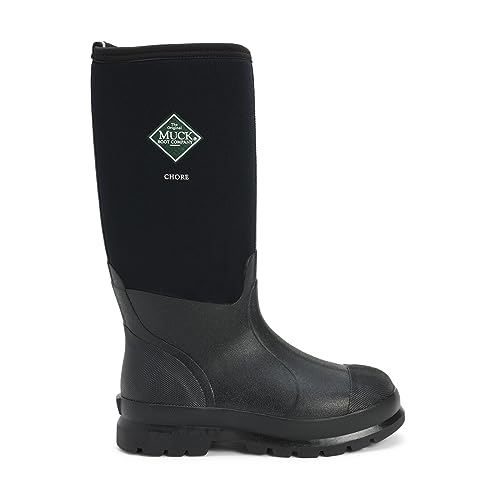


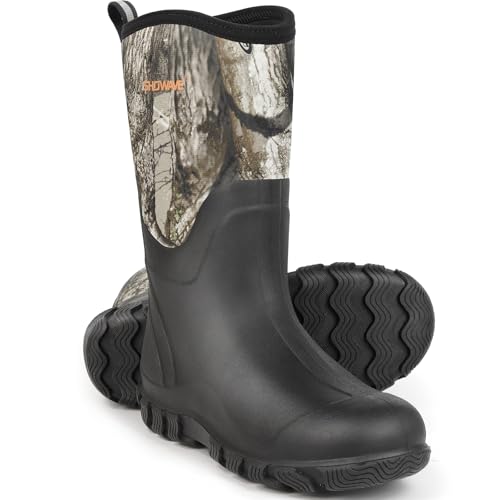

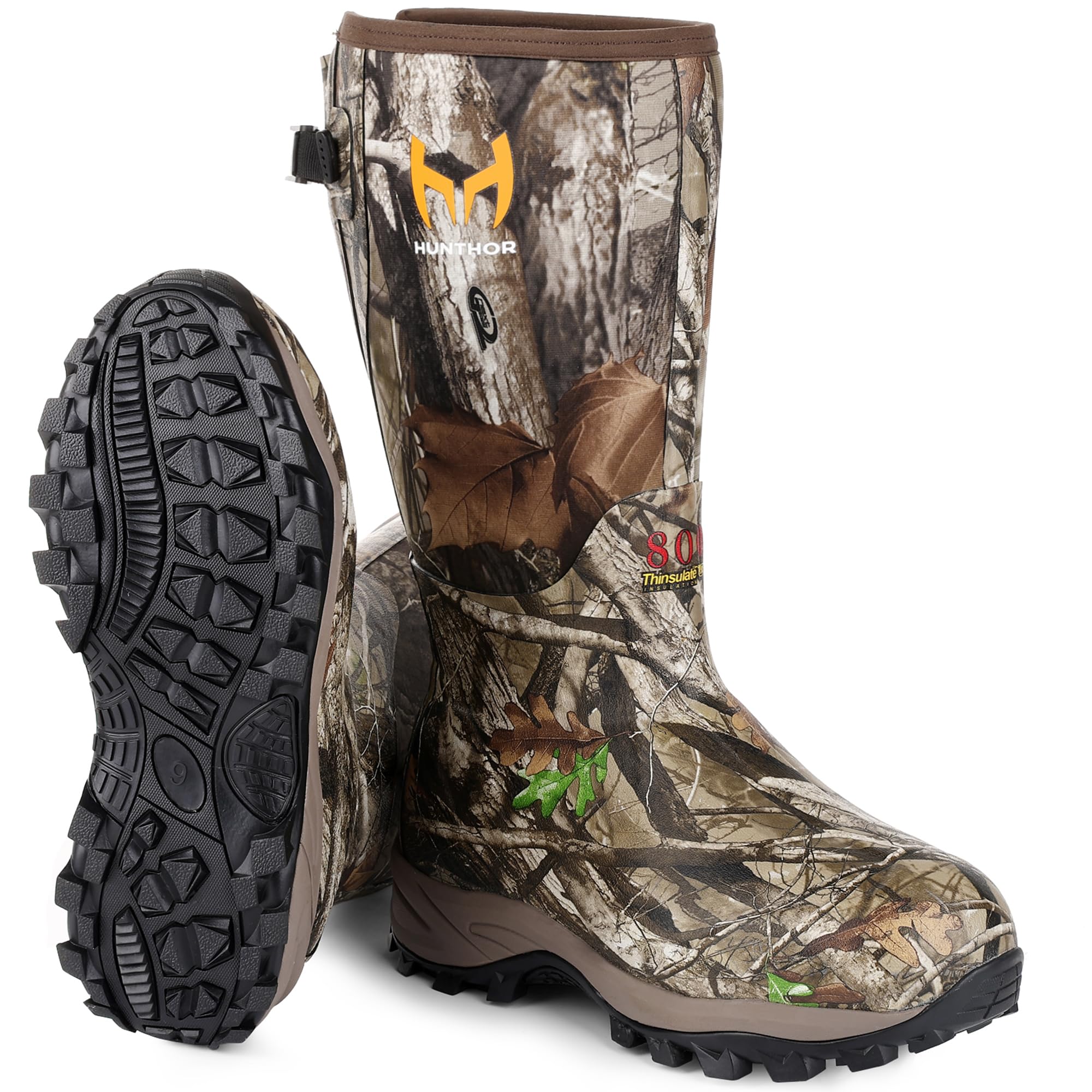

Who Should Buy Which Boots for Mucking Stalls?
Your daily round decides more than price does. Buy for the longest and wettest version of that round.
Daily Hands Who Clean Many Stalls Each Morning
You spend an hour or more in wet bedding, so you need a tall waterproof shaft, a cushioned insole and rubber that resists cracking at the flex point. Durability and a clear warranty matter more than a low price. If every stall you clean houses a horse, see our guide to the best boots for mucking horse stalls.
Weekend Owners With One or Two Stalls
You muck for about 20 to 40 minutes at a time, so a mid calf boot that pulls on fast and rinses clean will serve you well. You do not need heavy insulation or the tallest shaft, and a price around $60 to $120 usually covers your needs. Choose comfort over extra features you will rarely use.
Helpers and Boarders Who Need a Quick Pair by the Door
You may muck a borrowed stall or cover chores while the owner is away, so the pair lives by the barn door and goes on in seconds. A shorter shaft stores upright in a small corner, suits warm weather and still keeps splashes off your socks. Pick a smooth upper with pull loops.
Key Features to Compare
Compare each pair in the same order: height, waterproof build, tread, fit, support and material. That order keeps a low price from hiding a short shaft or a sole that packs with manure.
Shaft Height and Protection From Splashes and Bedding
Shaft height decides how much splash, bedding and mud a boot keeps out. Ankle boots at about 6 to 8 inches suit dry bedding and paved aisles, but they let slurry in at a wet corner. Mid calf boots at about 10 to 12 inches cover most daily mucking, while tall boots at about 14 to 16 inches suit deep mud and hosing work. Choose the shortest shaft that clears your usual wet depth, because extra height adds heat and weight.
Waterproof Construction That Stands Up to Manure and Urine
True waterproof boots for stall work use a solid rubber lower and sealed construction, so liquid cannot enter through stitching or a fabric seam. Look for a one piece foot, sealed joins where the shaft meets the foot, and no mesh panels low on the boot. A smooth surface that rinses fully clean protects the boot as well as your feet, because urine and wet manure left sitting on any material shorten its life.
Outsole Tread That Grips Wet Concrete and Sheds Manure
The outsole has two jobs that pull in opposite directions. It must grip wet concrete, packed dirt and straw covered floors, yet release manure instead of carrying it into the aisle. Open lugs with wide gaps do both jobs better than deep, tight hiking style lugs, which pack solid and turn slick. A defined heel adds stability on a ramp and helps your foot stop instead of sliding forward.
Fit, Toe Box and Calf Room With Barn Socks
Try boots late in the day, when your feet are at their largest, and wear the socks you plan to work in. Your toes should move freely in the toe box without pressing the front, and your heel should lift only slightly as you walk. Measure your calf at its widest point and compare it with the shaft opening, because a tight shaft tires your legs and traps heat. If you fall between sizes, choose the larger size and add a thicker insole.
Cushioning, Arch Support and Stability on Hard Floors
Stall work means long standing on concrete while you fork bedding and sweep, so support matters as much as waterproofing. A cushioned insole with real arch support spreads pressure across your foot, while a firm shank keeps the boot stable on uneven bedding or the edge of a mat. Most muck boots have a modest heel to toe drop, which keeps your weight even while you stand. If your arches ache after short chores, choose a removable insole you can swap for a more supportive one.
Upper Materials, Insulation and Breathability for Your Season
Rubber lowers shrug off water and manure and wipe clean, which is why most stall boots start there. Neoprene shafts flex as you walk, add warmth in cold barns and fit a wider range of calves, but they breathe poorly in summer heat. Insulated versions suit winter chores, while uninsulated pairs feel far better in July. Leather can work for light, mostly dry chores, yet it absorbs liquid and needs far more care. Knit or mesh uppers soak through at once in a wet stall.
Boot Types for Mucking Stalls Compared
When you compare the best boots for mucking stalls by type, three groups cover almost every barn. Tall rubber and neoprene boots give the most protection for daily work in wet bedding and mud, and they hose clean in seconds. Mid calf rubber boots trade a little protection for less heat and easier storage, which suits shorter chores.
Waterproof leather work boots sit in a third group. They support the ankle and handle dry bedding, feeding and repairs well, but they are the wrong tool for standing in slurry, because seams and leather take on water over time. Many owners keep one rubber pair for mucking and one leather pair for dry work.
Common Mistakes to Avoid
Most bad purchases come from judging a stall boot by how it looks on a dry floor.
- Wearing fashion boots or mesh trainers in a stall soaks your socks and ruins the shoes within weeks.
- Buying the tallest shaft for shallow chores makes every round hotter and heavier than needed.
- Sizing boots over thin dress socks leaves them painfully tight once you add barn socks.
- Choosing deep, tight lugs packs the tread with manure and leaves you sliding on concrete.
- Leaving manure caked on boots overnight dries out rubber and holds odor in the lining.
Care and Maintenance for Boots Used in Stalls
Rinse your boots with a hose after each use, before manure dries on them, and wash them with mild soap and a brush about once a week. Shake out loose bedding, pull the insoles out and let everything dry upright in open air, away from direct heat, which can crack rubber.
Store boots standing upright in shade, with the shafts open so air can move inside. Stuffing tall shafts with newspaper helps them hold shape and absorb leftover moisture. Check the flex point and the heel for fine cracks each month, and rotate a second pair if you muck daily, because a day of rest lets the cushioning recover and the lining dry.
Frequently Asked Questions
What features matter most in boots for mucking stalls every day?
A sealed waterproof lower, the right shaft height and a tread that sheds manure matter most for daily stall work. Before your first shift, spray a new pair with a hose for a full minute and check inside for damp spots at the seams. That test finds a leaking join while a return is still easy.
Can I wear boots for mucking stalls all day at the barn?
Yes, you can wear boots for mucking stalls all day if the fit and support suit long standing. Bring a dry pair of socks and change at midday, because dry socks restore warmth and reduce friction more than any liner claim does. For long walks to paddocks, a lighter pair may serve you better.
How should boots for mucking stalls fit around the calf and toes?
Boots for mucking stalls should feel snug at the heel, roomy at the toes and firm but not tight around the calf. Test the fit by walking down a slope and miming a wheelbarrow push. If your toes strike the front on the slope, go up a size, even when the length felt fine standing still.
Are expensive boots for mucking stalls worth the cost?
Expensive boots for mucking stalls are worth the cost when you muck daily and the price buys thicker rubber, better cushioning and a longer warranty. Think in cost per season rather than cost per pair. A boot that lasts three winters costs less over time than a cheap pair replaced every few months.
How long is the break in period for boots for mucking stalls?
The break in period for boots for mucking stalls is usually short, often just two or three wears for rubber and neoprene pairs. Wear a new pair for short chores first, before a full morning of mucking. Stop and adjust your socks at the first hot spot on your heel, because a blister formed in a wet boot heals slowly.
How often should I replace boots for mucking stalls?
Replace boots for mucking stalls when cracks appear at the flex point, the tread wears smooth or water starts to seep in during hosing. With daily use, many pairs last about one to three years, while weekend only pairs can last far longer. Do not wait for a full split, because a leaking boot leaves you working in cold, wet socks.
Final Thoughts
Start with your wettest chore, then choose shaft height, a sealed waterproof lower and a tread that rinses clean. Check the product table above for heights and materials that match your round, and confirm the fit with your barn socks.
Chosen that way, the best boots for mucking stalls stop being a gamble and become simple work gear: dry feet, steady footing and a pair you can hose off.


