
Best Boots for Mens Fashion in 2026: Types Compared and How to Choose
Disclosure: We may earn a commission when you buy through links on this page, at no extra cost to you. As an Amazon Associate I earn from qualifying purchases. Learn more

The best boots for mens fashion match toe shape, color, and sole to the clothes you wear. Compare Chelsea, chukka, and lace up styles.
A boot can sharpen jeans, finish chinos, or look lost under a suit if the shape is wrong. The best boots for mens fashion are not the most decorated pair. They are the pair whose toe shape, color, and sole match the clothes you actually wear, and you can compare them in the comparison table below.
Start with your wardrobe rather than a trend photo. Count how often you wear tailoring, denim, and heavy layers, then note the colors that dominate your trousers and coats.






Who Should Buy Which Fashion Boots for Men?
Your usual dress code matters more than a single outfit.
Men Building a Smart Casual Wardrobe
You split your time between chinos, dark jeans, knitwear, and an unstructured jacket. A Chelsea boot or a plain chukka in brown suede or smooth leather covers most of that range. Avoid heavy lug soles here, because they pull a polished outfit toward workwear.
Men Who Wear Tailoring to Work
You need boots that respect a suit or dress trousers on cold days. Choose a lace up dress boot with a slim almond toe, a low profile sole, and leather in black or dark brown. The shaft should disappear under the trouser hem, and the ankle should feel snug.
Men Who Prefer a Rugged Casual Look
You live in denim, flannel, canvas jackets, and heavier coats through autumn and winter. A work inspired boot with a round toe, visible stitching, and a rubber lug sole fits that texture. Tan and medium brown leathers pair well with indigo and black jeans. If cold weather styling is your main goal, see our guide to the best men's winter boots fashion for insulated options.
Boot Types Compared for Men's Fashion
Three families cover nearly every men's fashion need. Compare them by formality and trouser fit first, then by material and price. Most versatile pairs cost about $120 to $300, while simpler cemented styles often cost about $80 to $180.
Chelsea Boots for a Clean, Pull On Silhouette
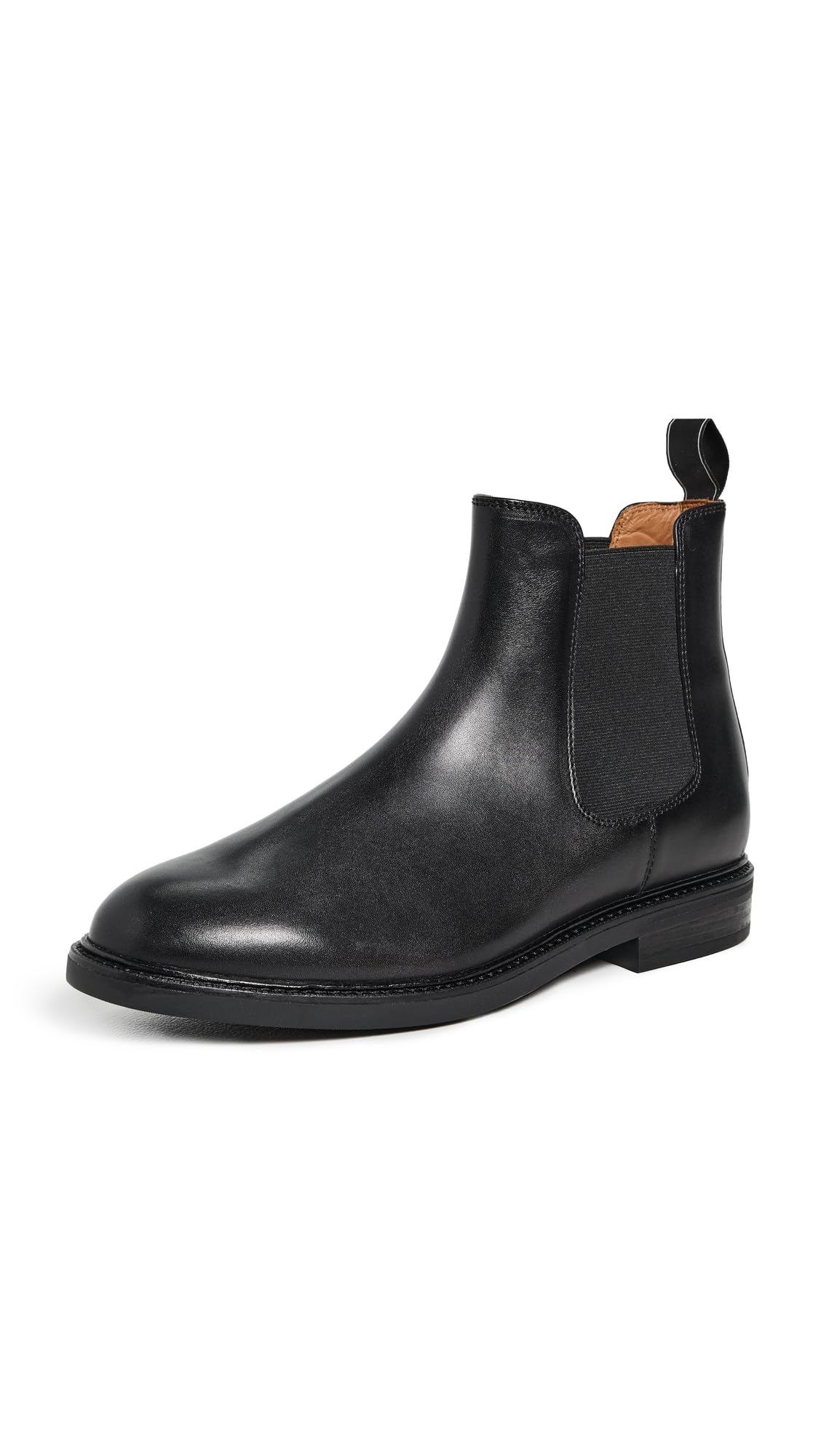
A Chelsea boot has elastic side panels, no laces, and a close fitting ankle. That clean front makes it the easiest boot to wear with slim trousers, because nothing catches on the hem. Leather Chelseas lean formal and suit tailoring, while suede versions feel softer with jeans.
Chukka and Desert Boots for Relaxed Polish
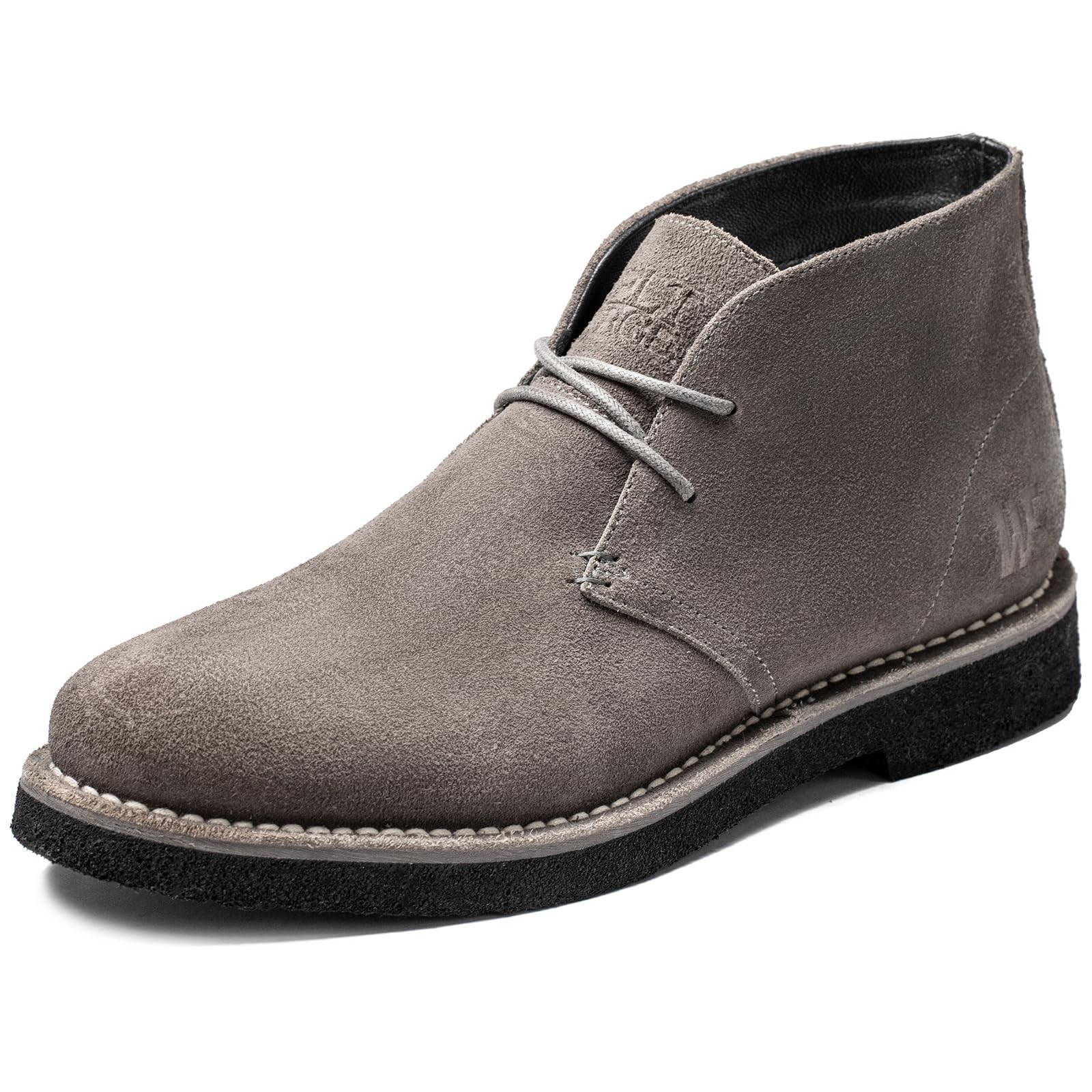
A chukka boot is ankle height with two or three eyelets and open lacing. Desert boots are the softer suede branch of the family, often with a crepe sole. Both feel relaxed but tidy, which makes them strong first fashion boots for men who find dress boots stiff. They pair best with chinos and jeans, and they struggle with formal suits because the low ankle breaks a clean trouser line.
Lace Up Dress and Work Inspired Boots for Structure
Lace up boots give the most control over fit and the widest style range. Dress versions use fine leather, a shaped toe, and a thin sole, while work inspired versions borrow a moc toe, speed hooks, and a thicker outsole from heritage work footwear. If that rugged branch appeals to you, see our guide to the best men's work boots for the functional originals behind the look.
Key Features to Compare
Compare these factors in order. Shape and sole decide whether a boot looks right at all, and material, construction, and fit decide whether it stays right for you.
Toe Shape and Overall Silhouette
The toe sets the tone of the whole boot. A slim almond toe looks refined and slides under narrow trousers, a round toe feels neutral with straight leg jeans, and a broad square toe reads bold and can overwhelm fine fabrics. If the toe looks long on your foot, last shape may be the issue, because proportions change even at the correct length.
Upper Material and Color for Your Wardrobe
Smooth leather polishes well, resists light rain, and suits both jeans and tailoring. Suede has a matte texture that softens an outfit, but it marks more easily and needs protection from water and salt. Black pairs with gray, charcoal, and black trousers, while dark brown covers navy, tan, and olive with more warmth.
Sole Type and How Formal a Boot Looks
A thin leather sole gives the most formal line, but it feels slick on wet pavement and wears faster in rain. A slim rubber sole keeps a similar profile and adds grip, which makes it the practical middle for most men. Lug soles add traction and a rugged edge, yet their chunky tread limits tailoring.
Construction, Durability, and Expected Lifespan
A welted boot joins the upper to the sole with stitching, so a cobbler can replace a worn sole and extend the life of the upper. Cemented boots glue the sole in place, cost less, and feel lighter, but they are harder to resole. For build details, see our guide to the best quality men's boots.
Fit, Sizing, and Toe Box Comfort
Try boots late in the day with the socks you plan to wear, because feet swell slightly and a morning fit can mislead you. Your longest toe needs a small gap at the front, the ball of your foot should sit at the widest part of the boot, and your heel should lift only slightly. A roomy toe box helps wide feet, but excess width lets the foot slide. The search for the best boots for mens fashion ends with fit, since a stylish pair you avoid wearing is a poor buy.
How to Match Fashion Boots to Trousers and Seasons
Trouser break changes how a boot reads. Slim trousers should end at or just above the shaft, with no fabric pooling over the boot. Straight leg jeans can carry a small cuff that shows the top of a taller lace up boot. Wide trousers need a boot with enough substance under the hem, because a slim Chelsea can look pinched beneath heavy fabric.
Season should guide material and sole more than color. Suede and a slim rubber sole suit dry autumn days, while smooth leather and a lug sole handle winter rain with less worry. A low chukka in pale suede works with light summer chinos. For a wider view across seasons, see our guide to the best boots fashion.
Common Mistakes to Avoid
These errors are common because a boot can look right on a shelf and wrong on your feet or with your clothes.
- Buying a dress boot with a heavy lug sole leaves a pair that clashes with your suits.
- Choosing suede for daily wet weather leads to water marks and salt stains that are hard to remove.
- Sizing up to fix a tight toe makes your heel slip and folds deep creases across the upper.
- Matching boot and belt colors loosely in formal outfits makes the whole look feel unfinished.
- Wearing the same pair every day traps moisture inside and wears the lining and sole faster.
- Ignoring trouser width leads to hems that pool over slim boots or swallow a low chukka.
Care and Maintenance for Fashion Boots
Rest each pair for a full day between wears and store them with shoe trees to hold their shape. Brush dust off after each wear. Wipe smooth leather with a damp cloth, then use a thin coat of conditioner when it looks dry. Suede needs a dry brush and a protector spray made for suede, not polish.
Let wet boots dry at room temperature away from radiators, which can crack leather and loosen glued soles. Clean salt lines promptly, and have heels checked before wear reaches the welt. Small repairs cost far less than rebuilding a boot whose structure has worn through.
FAQ
What makes men's fashion boots different from regular work boots?
Men's fashion boots differ mainly in shape, finish, and intent. They use slimmer lasts, cleaner stitching, and leathers chosen for appearance, and their soles favor profile over heavy duty grip. A work boot protects the foot on a job site, while a fashion boot is built to complete outfits. Price in fashion lines also reflects finish and leather grade more than job site protection.
Which boot color is most versatile for men's fashion?
Dark brown is the most versatile color for most men's wardrobes. It works with navy, gray, olive, tan, and indigo, and it can look smart or casual depending on the leather finish. Black is sharper with charcoal and black tailoring, but it can feel stark with warm earth tones. Brown leather also tends to show everyday scuffs less sharply than polished black.
Can men wear fashion boots all day in comfort?
Yes, men can wear fashion boots all day if the fit and sole suit long hours on their feet. Look for a cushioned insole you can replace, a rubber sole for pavement, and room to wiggle your toes by evening. A rigid leather sole and a tight toe box feel fine for a short event but punish a full day of walking.
How long is the breaking in period for men's leather fashion boots?
The breaking in period for men's leather fashion boots is usually about one to two weeks of regular short wears. Stiff leather softens around your ankle and across the ball of your foot as it warms and flexes. Wear thick socks and limit the first outings to a few hours. Sharp pain, numb toes, or blisters that return in the same spot signal a fit problem.
How often should men replace fashion boots?
Men should replace fashion boots when repair no longer restores shape, grip, or a clean appearance. A welted pair can gain years from a new sole and heel, so replacement is rarely about age alone. Retire a cemented pair when the sole splits or the upper cracks at the flex point.
The Bottom Line
Decide by formality, fit, and wardrobe color, in that order. A Chelsea covers smart casual and tailoring, a chukka gives relaxed polish, and a lace up boot lets you choose between refined and rugged. Use the product table above to compare toe shape, material, sole, and price before you commit.
When you judge best boots for mens fashion by how often a pair will leave your closet, the right choice is clear. Buy the boot that serves your normal week, care for the leather, and it will anchor outfits across several seasons.


