
Best Boots for Meat Processing Plants by Budget for 2026
Disclosure: We may earn a commission when you buy through links on this page, at no extra cost to you. As an Amazon Associate I earn from qualifying purchases. Learn more

Compare boots for meat processing plants by budget, grip on wet floors, waterproof build, safety toes, cold room warmth and easy washdown care.
Prices for plant boots stretch from basic rubber pairs under $100 to insulated safety models well above $200, and the gap is not always obvious from a photo. The best boots for meat processing plants grip wet and greasy floors, shed blood and wash water, and stay comfortable through a full shift. Use the comparison table below to match each price level to your work.
Start with your station, not the price tag. A kill floor, a deboning line, and a freezer ask very different things from the same boot. The sections below sort buyers by role, then cover grip, build, toes, warmth, and comfort by budget.


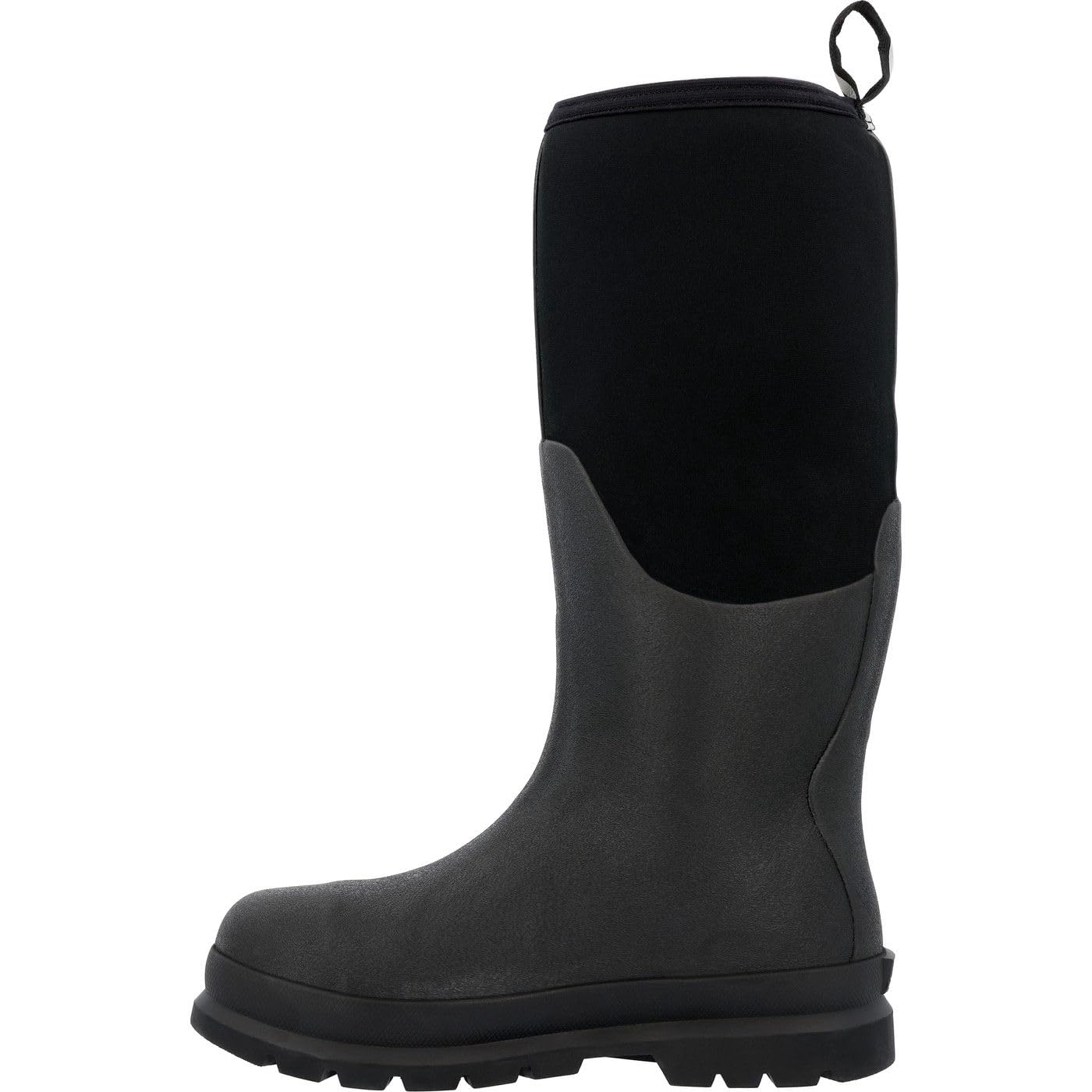


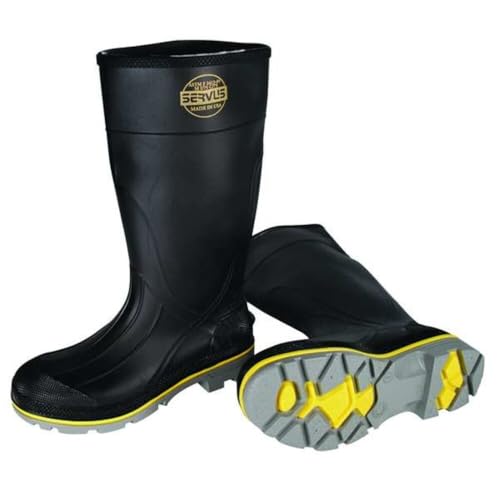

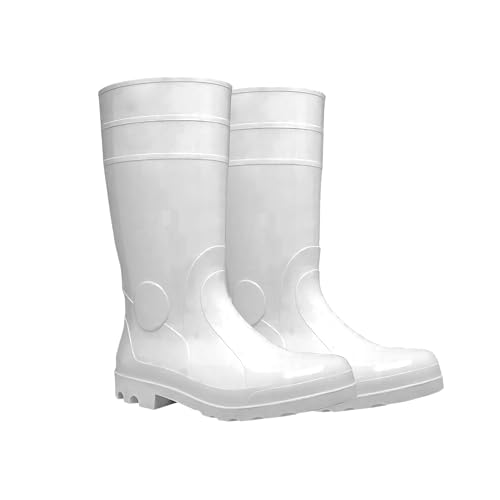


Who Should Buy Boots for Meat Processing Plants by Work Role
Your floor, temperature, and shift length matter more than a brand name. Find the role closest to yours, then carry its priorities into the sections that follow.
Slaughter and Kill Floor Crews
You move on floors that stay wet with water, blood, and fat, around drains, hooks, and heavy loads. Put grip and splash height first, with a tall shaft and a sealed upper with no laces to trap residue. A safety toe is worth the cost here, since dropped tools and rolling carts are part of the day. Choose smooth rubber that rinses clean at every break.
Cutting, Deboning, and Packing Line Workers
You stand in one place for long stretches, make repeated knife cuts, and need steady footing as you shift your weight. Put cushioning and grip first, with a fit that holds your heel so your foot does not slide as you reach across a table. Your shaft can be shorter if splash is light, but the upper still needs to be fully waterproof. If plant rules call for a safety toe near blades and bins, treat that rule as fixed.
Cold Storage, Freezer, and Sanitation Crews
You move between chilled rooms, freezers, and wet washdown work, so one pair often handles cold, water, and chemicals in one shift. Put insulation and chemical resistance first, plus room for thick socks. Sanitation crews should favor smooth, light colored rubber that shows residue, and freezer crews should check the rated temperature range.
Key Features to Compare on Processing Plant Boots
Compare these five factors in order. Grip keeps you upright, the sealed build keeps you dry and clean, and the rest decide whether the boot protects you until the shift ends.
Slip Resistance on Wet and Greasy Floors
Look for a wide, soft rubber outsole with small lugs or channels that push water and fat aside as you step. A flat, hard sole can skate on grease, while a deeper pattern with open edges clears liquid faster on concrete. Check that the sole is oil resistant, since animal fats can break down some rubbers. On grated floors, choose denser lugs that keep contact.
Waterproof Sealed Build and Chemical Resistance
Meat plant boots should be one sealed piece of rubber or a fully sealed synthetic upper, not leather that soaks up liquid and holds odor. A smooth surface with no stitched seams and no laces rinses clean under a hose and leaves fewer places for residue. The material must also stand up to detergents, sanitizers, blood, and fats. Taller shafts, often about 14 to 16 inches, guard against splash, while shorter shafts suit drier packing areas.
Safety Toes and Sole Protection
A steel or composite toe guards against dropped knives, hooks, frozen boxes, and cart wheels. Composite toes weigh less and feel less cold in a freezer, while steel toes cost less and fit slimmer. Some plants also need a puncture resistant midsole. Confirm your plant toe rule before you buy, since a boot that fails a safety check stays in your locker.
Insulation for Cold Rooms and Freezers
Insulated linings slow heat loss when you stand on cold concrete in rooms held near or below freezing. Light insulation suits chill rooms, while heavy insulation suits long freezer work but can feel hot on a warm slaughter floor. Leave room for thick socks without squeezing your toes, since tight boots feel colder. Pale or waxy skin, hard numb patches, a deep cut, or burning after a chemical splash need prompt care from a supervisor and a medical professional, and you should talk with your clinician about personal cold limits.
Comfort and Fit for Long Standing Shifts
A cushioned insole and shaped footbed spread pressure when you stand for about 10 to 12 hours, and a removable insole lets you swap in firmer support. Try boots on with work socks late in the day, when your feet are largest. Your heel should lift only slightly, and your toes should not press the front. A pull on style with sturdy top handles speeds locker room changes.
What Each Price Tier Buys You on the Processing Floor
When you price the best boots for meat processing plants, you mostly pay for sole grip, insulation, and toe protection, in that order. The tiers below use common United States price bands.
Budget Tier: Basic Waterproof Coverage for Shorter Shifts
Pairs around $50 to $100 usually give you a tall rubber shaft, basic tread, and full waterproofing for lighter wet duties. You give up deep grip on grease, thick cushioning, and most insulation. This tier suits shorter shifts, backup pairs, and new hires still learning their station. Expect to replace a budget pair sooner in daily use.
Midrange Tier: Stronger Grip and All Day Comfort for Most Plants
Pairs about $100 to $180 add oil resistant outsoles with better channels, shaped insoles, and often a safety toe. Most line workers get the best value here, since the upgrades target falls and foot fatigue, the two problems you feel daily. Light insulation also appears at this level. If you work full shifts on wet concrete, spend here before paying for premium warmth.
Premium Tier: Cold Room Warmth and Heavy Duty Protection
Pairs about $180 to $280 combine rated freezer insulation, puncture resistant midsoles, reinforced toes, and rubbers chosen for harsh sanitizers. The extra money pays off in hours below freezing, and premium pairs tend to hold grip longer. If your work stays warm, this tier adds weight and heat you will not use.
Common Mistakes to Avoid When Buying Plant Boots
Most falls trace back to a short list of buying errors.
- Choosing leather work boots for a wet plant lets liquid soak in and makes full cleaning nearly impossible.
- Buying a smooth fashion rain boot for greasy concrete leaves you with almost no grip on fat.
- Sizing boots to thin socks makes an insulated pair feel tight in winter socks.
- Ignoring plant toe and shaft rules means a new pair can be barred from the floor.
- Paying for heavy freezer insulation for warm line work leaves your feet hot and sore by mid shift.
- Keeping a pair with a worn flat outsole raises your fall risk on hosed floors.
Care and Maintenance for Meat Processing Plant Boots
Rinse your boots inside and out at each shift end, following plant washdown rules, and scrub the outsole channels where fat and grit reduce grip. Stand the pair upright to dry in a ventilated spot, away from direct heat that can crack rubber. Rotate a second pair if you can, since a day of airing helps the lining dry.
Check the outsole weekly for smooth patches, cuts, and cracks, and check the shaft for splits at the ankle. Store boots upright, not folded over, so the shaft keeps its shape. Replace insoles when they stay flat after a night out, and retire the pair once tread looks polished.
Frequently Asked Questions About Boots for Meat Processing Plants
What features matter most in boots for meat processing plant floors?
Grip on wet, greasy concrete matters most, followed by a sealed waterproof build that rinses clean. Those two points prevent the most common fall and hygiene problems. After them, match the toe rule, insulation, and shaft height to your station. Judge the outsole first, since a warm, cushioned boot that slides on fat will not serve you.
Do meat processing plant boots need a steel toe or a composite toe?
Many meat processing plant crews do need a safety toe, but the material is often your choice once the plant rule is met. Composite toes feel lighter and warmer in freezers and pass some metal detectors at plant exits. Steel toes cost less and allow a lower profile. Confirm the rating inside the boot matches the standard your safety manager requires.
How tall should boots for meat processing plants be?
Most meat processing plant boots should reach mid calf, about 14 to 16 inches, where splash and hose spray are common. That height keeps wash water out near drains. Shorter boots around 10 to 12 inches can work in drier packing rooms and feel cooler, but they let splash in over the top. If you kneel often, check that a tall shaft does not dig into your knee.
How long should boots for meat processing plants last in daily use?
Boots for meat processing plants in daily use often last about 6 to 18 months, with grip failing before the upper does. Rotating two pairs and rinsing off fats stretch that span. Track the outsole, not the calendar. Once the heel or ball area looks smooth, the boot has lost what you bought it for.
Can boots for meat processing plants be worn outside the plant?
Yes, boots for meat processing plants can be worn outside the plant, but most plants require work boots to stay on site for hygiene control. A dedicated pair at work prevents tracking residue home. If you take a pair home, wash and dry it fully, and follow plant entry rules before wearing any pair back in.
Wrapping Up
Put grip first, then a sealed build that rinses clean, then the toe, warmth, and shaft height your station demands. Budget pairs cover light wet work, midrange pairs serve most full shift workers, and premium pairs earn their price in freezers. Check the product table above against your floor, temperature, and plant rules.
Chosen that way, the best boots for meat processing plants become a match between your floor and your feet, not a guess about price. Buy the least expensive pair that meets every plant rule, and replace it once the tread shows its grip is gone.


