
Best Boots for Masonry: Buying Guide for 2026
Disclosure: We may earn a commission when you buy through links on this page, at no extra cost to you. As an Amazon Associate I earn from qualifying purchases. Learn more

Compare boots for masonry by toe protection, grip on wet concrete, cement resistance, fit and support, with sizing, care and common mistake checks.
Masonry work is hard on feet in ways a general work boot may not handle. You stand on concrete, kneel, carry heavy block and step through wet mortar that can soak leather and skin. The best boots for masonry protect your toes, grip slick surfaces and stay comfortable through a full shift. Use the comparison table below to match protection and fit to your tasks.
This guide sorts buyers by job first, then explains toe protection, cement resistance, grip, cushioning and fit in plain terms. It also covers boot types, sizing checks, cleaning steps and mistakes that shorten boot life.


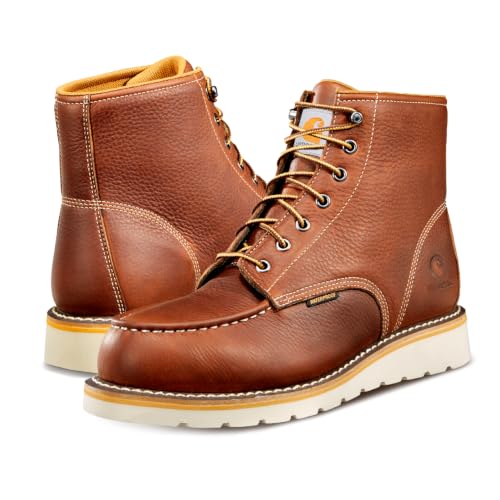

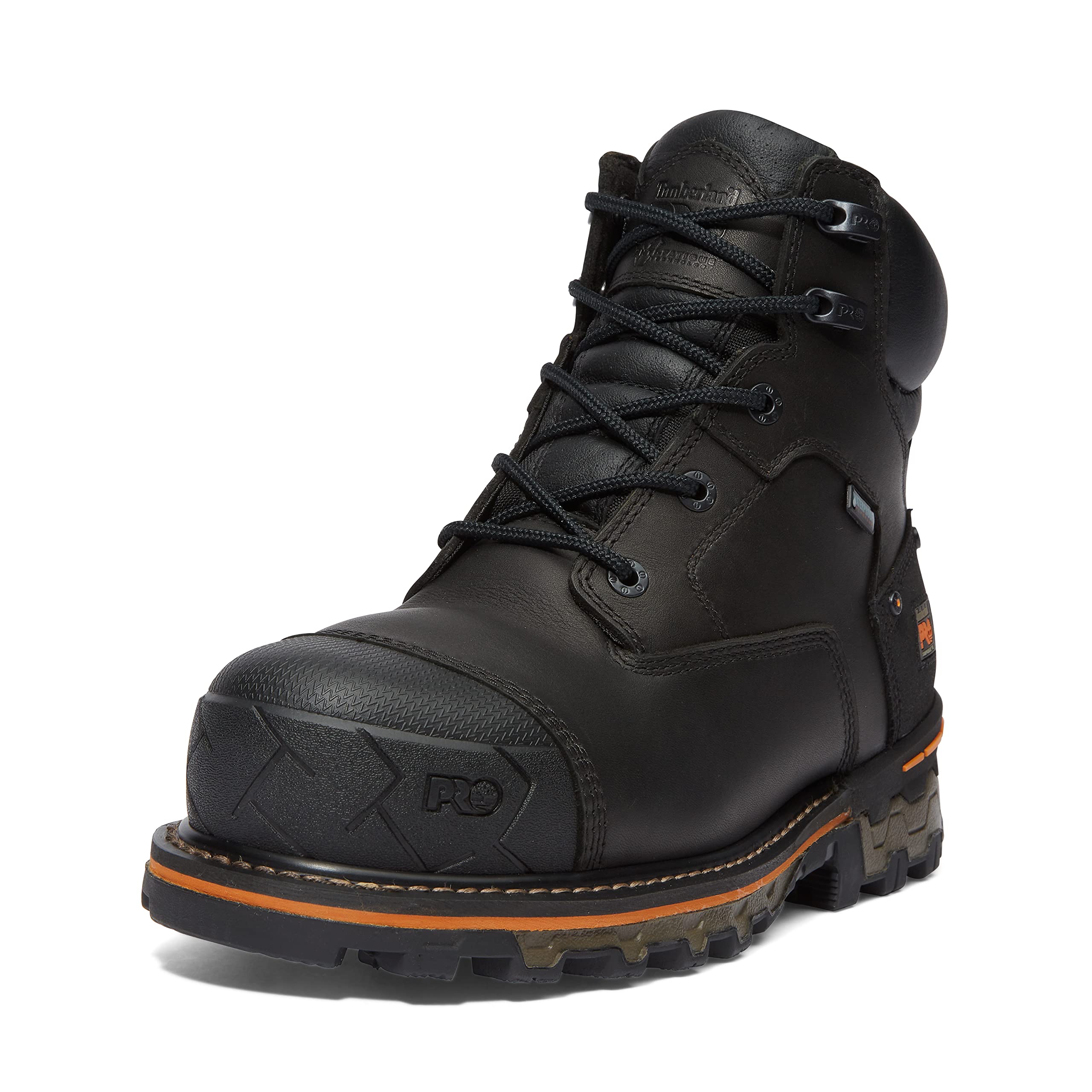

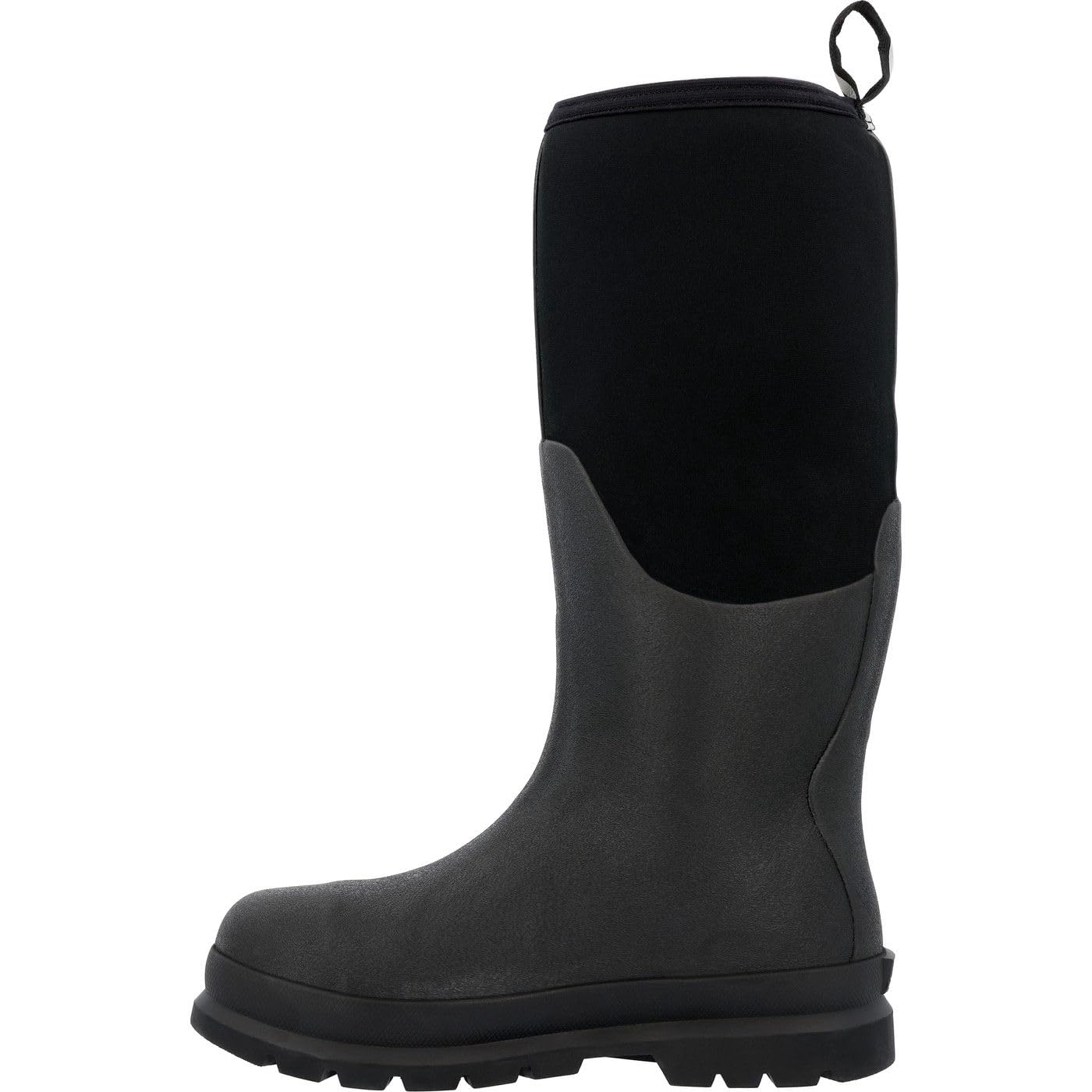


Who Should Buy Which Boots for Masonry Work?
Start with the work you repeat most days, because a bricklayer in wet mortar needs different protection from a remodeler who sets one patio a season.
Bricklayers and Block Layers in Wet Mortar
You mix, carry and lay units all day, and your boots meet fresh mortar, standing water and heavy block. Choose a waterproof leather boot with a safety toe, a sealed tongue and a sole that sheds mud from its lugs. Height of about 6 to 8 inches helps keep mix and stones out.
Concrete and Stone Masons on Hard Slabs
You stand and kneel on slabs that return every step straight into your feet. Choose firm cushioning, solid arch support and a stiff shank so your foot does not bend around uneven stone edges. A defined heel helps on ladders, and a wide sole spreads your weight when you carry heavy loads.
Helpers and Remodelers With Mixed Tasks
You may sweep debris, move block, climb steps and drive between sites in one day. Choose a lighter boot with a composite toe if your sites require toe protection but you carry less weight. Look for flexible forefoot cushioning, ankle coverage for loose gravel and tread that grips dusty floors indoors.
Key Features to Compare
Compare each pair in the same order, starting with safety, so a soft insole cannot hide weak toe protection or a sole that slips. If your search began with broader work footwear, see our guide to the best work boots for masonry and then return to the checks below.
Toe Protection for Falling Block and Tools
A safety toe guards the front of your foot when a brick, block or heavy tool drops onto it. Steel toes offer strong protection in a slimmer shape, while composite toes weigh less and feel less cold in winter. Soft toe boots suit only light tasks with no site rule that requires a rated cap. Check that the cap edge does not press your toes when you kneel, because masonry work bends the forefoot often.
Resistance to Wet Cement and Mortar
Wet cement and mortar are alkaline, and long contact can dry and crack leather and irritate skin inside a soaked boot. Waterproof boots with a membrane such as Gore Tex slow water entry at seams and laces, while full leather uppers give mix fewer places to settle. Breathability falls as waterproofing rises, so summer crews may prefer water resistant leather for dry laying work and keep a waterproof pair for pour days.
Outsole Grip, Heel Shape and Puncture Protection
Look for a rubber outsole with open lugs that clear wet dust and small aggregate instead of packing smooth. A raised, squared heel gives your foot a stop on ladder rungs, which differs from the low heel to toe drop of running shoes. A puncture plate in the midsole helps when you step on nails, tie wire or sharp rubble. Choose a sole that feels flat and planted, because stability matters most on uneven ground.
Cushioning, Arch Support and Shank Support
Hard slabs punish tired feet, so cushioning should absorb impact without wobbling under a load. A firm midsole, a shaped insole with clear arch support and a rigid shank work together when you stand in one spot or carry block. Flat feet often need firmer support, while high arches need more forefoot padding. Persistent numbness, sharp heel pain, a sore that does not heal or blistered skin after wet cement contact needs prompt care from a doctor or another qualified professional, and you should talk with your clinician about personal needs if pain keeps returning.
Fit, Sizing and Toe Room With Safety Toe Caps
Measure both feet late in the day, when work has made them swell, and size for the larger foot in your normal work socks. A good toe box lets toes lie flat and spread under load, with about a thumb width ahead of your longest toe. Your heel should stay seated when you walk and kneel, with no pinch across the widest part of your foot. Trust chart length over a shoe number, because boot sizes vary.
Upper Material, Ankle Height and Breathability
Full grain leather resists scrapes from block edges and cleans more easily once dried mortar is brushed away, while fabric panels weigh less and breathe better in heat. Mesh panels suit dry repair work but hold cement dust and let grit reach your socks. Taller uppers support the ankle on rubble and keep debris out, yet they feel warmer and dry more slowly. Choose by your main hazard first, wet mix or heat.
Types of Boots for Masonry Compared
When you compare best boots for masonry options by type, the trade offs become clearer for wet work, heavy carrying and repair tasks.
Lace Up Leather Work Boots
This is the standard choice for most masons because laces let you tighten the heel and loosen the forefoot as feet swell. Leather handles daily scrapes, and most safety toe options appear in this style. The cost is weight and a longer break in.
Pull On Waterproof Boots for Wet Mix Work
Pull on boots have no laces for mortar to cake around, so they rinse clean quickly and suit mixing and pouring. A snug calf fit matters, because a loose shaft lets stones and mix fall inside. They offer less ankle adjustment, so check heel lift before a full shift.
Lightweight Safety Boots for Scaffold and Repair Work
Lightweight boots with composite toes and flexible soles suit repair and scaffold work where you climb and walk more than you carry. They tire your legs less and often need little break in. Their softer uppers wear faster in wet mortar, so reserve them for drier, mobile work.
Common Mistakes to Avoid
Most early boot failures come from buying and care errors you can spot before you pay.
- Buying a soft toe boot for a site that requires a safety toe leaves you unprotected when block falls.
- Choosing size without measuring in work socks leads to pinched toes that blister during long shifts.
- Letting wet mortar dry on leather for days makes the upper stiffen and crack before the sole wears out.
- Picking a smooth fashion sole for wet concrete raises your slip risk on dust, water and loose sand.
- Wearing a soaked pair again the next morning keeps skin wet for hours and speeds lining damage.
- Ignoring a heel worn down on one side lets your ankle roll more easily on uneven rubble.
Care and Maintenance for Masonry Boots
Brush and rinse off cement on the same day, before it hardens in seams and lace holes, using plain water rather than strong cleaners that strip leather oils. Let wet boots air dry away from direct heat, because heat can shrink leather and weaken glue at the sole. Newspaper inside draws moisture out while they dry.
Condition clean leather when it looks dry, rotate two pairs in wet mix work and check laces and sole edges each week. Replace insoles when they stay flat after a day off, because worn insoles remove cushioning even when the outer boot looks sound. Store boots upright dry.
FAQ
What features matter most in boots for masonry work?
Toe protection, grip on wet concrete and resistance to wet cement matter most in boots for masonry work. In a store, press on the toe cap to confirm it feels rigid, bend the sole to check shank stiffness and look for open lugs. That order takes under a minute and reveals more than judging a boot by insole softness.
How should boots for masonry fit around the toes and heel?
Boots for masonry should hold the heel firmly while toes lie flat with clear space ahead of them. Walk down a slope during fitting, because toes that bang the front on a descent will bruise on ladders and ramps at work. If one foot is longer, fit that foot first and adjust the other with socks.
Do boots for masonry need to be waterproof for every job?
No, boots for masonry do not need full waterproofing for every job. Dry indoor restoration in summer heat can suit a breathable leather boot that lets sweat escape during long shifts. Keep waterproof boots for mixing, pouring and rain, and check the seam between upper and sole first, because that joint is where many pairs leak first.
How long does the break in period last for masonry work boots?
The break in period for masonry work boots usually lasts about one to two weeks of regular wear. Wear a new pair for short tasks first, such as two to three hours, then add time each day before a full shift. Thick leather at the ankle crease softens slowest, so early soreness there means slow the schedule.
How often should masonry work boots be replaced?
Masonry work boots should be replaced when protection or grip fails, not on a fixed calendar date. Replace a pair if the toe cap shows through worn leather, the midsole stays compressed and hard or lugs are too shallow to clear wet dust. A cracked sole that lets water in at the forefoot is another clear sign.
The Bottom Line
Put safety first, then fit, then comfort over a full shift. A masonry boot earns its price when its toe cap, outsole and upper match your wettest and heaviest tasks, and when its support still feels right at day end. Use the product table above to compare height, toe type and waterproofing.
Chosen with those points in mind, the best boots for masonry will help you stand, kneel and carry steadily. Start with your main hazard, confirm size in work socks and keep cement off leather.


