
Best Boots for Mail Carrier Made Simple: A Clear Buying Guide for 2026
Disclosure: We may earn a commission when you buy through links on this page, at no extra cost to you. As an Amazon Associate I earn from qualifying purchases. Learn more

A simple first time buyer guide to the best boots for mail carrier routes, covering fit, waterproofing, traction, comfort, and smart care tips.
Starting a mail route in the wrong footwear can turn a long day into a sore one, and first time buyers often feel lost among all the terms and options. This guide walks you through choosing the best boots for mail carrier work in plain, simple language, starting with the basics and moving toward a confident purchase.
You will learn what the parts of a boot are called, which specs matter on a route, and how to match a pair to your weather and terrain. Use the comparison table below for a quick look at options while you read.
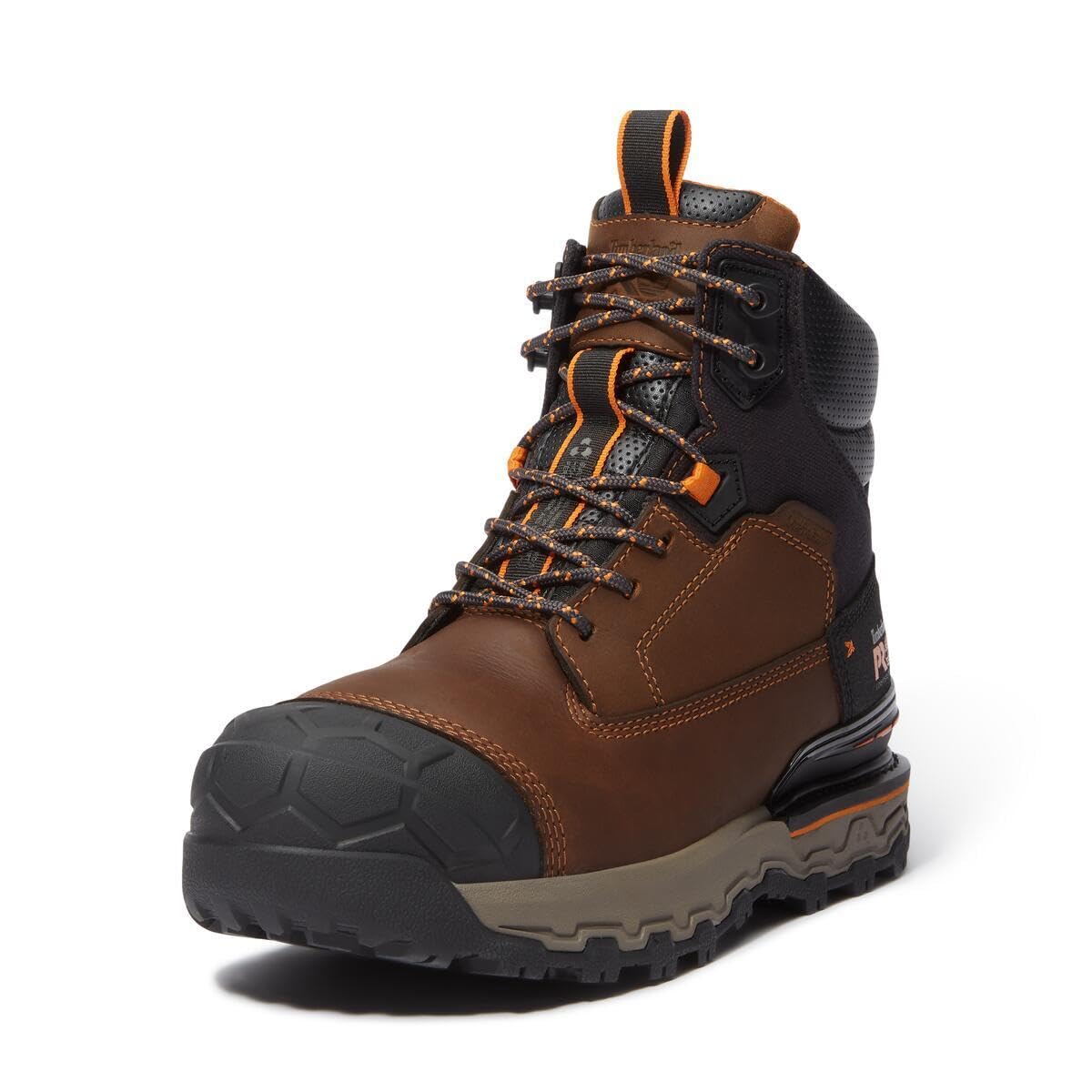
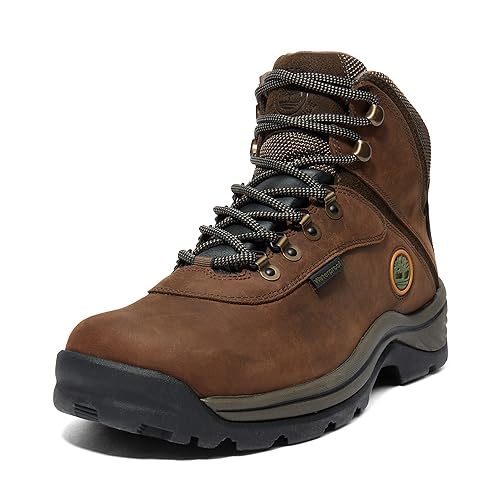


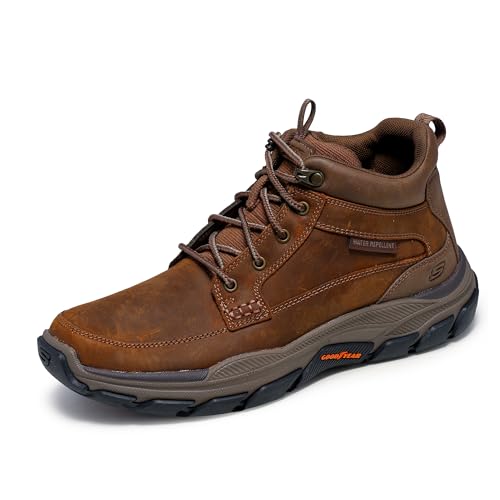

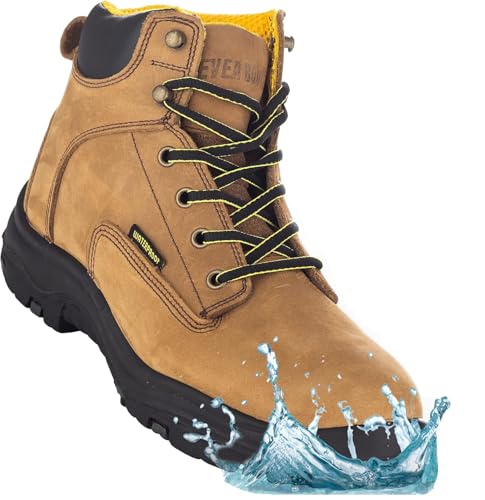
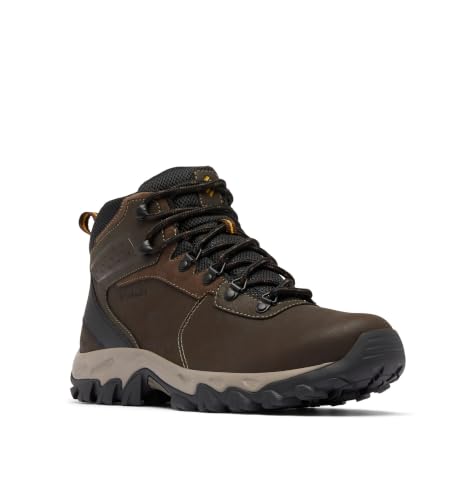

Boots 101: The Basics Every New Buyer Should Know
A work boot is a shoe built with a raised shaft that covers your ankle, a structured upper that holds your foot steady, and a thicker outsole made for grip and wear. That coverage matters because you step on and off curbs, cross uneven lawns, and climb porch steps hundreds of times a day.
A few terms appear on almost every product page. The outsole is the rubber layer that touches the ground. The midsole is the cushioning layer above it, the insole is the removable footbed inside, and the toe box is the space around your toes. Boots are not the only choice, though: on dry, paved routes many carriers prefer a lighter shoe, so see our guide to the best walking shoes for mail carriers if that sounds like your day.
Key Specs Explained in Plain English
Product pages list a wall of numbers, but only a handful decide whether a boot still feels good at mile eight. The sections below translate each spec into everyday language and explain what separates the best boots for mail carrier work from an ordinary work boot.
Features That Matter for Mail Carrier Work
Mail work mixes walking, standing, driving, and carrying parcels, so comfort features matter more than in boots worn for short chores. Look for real cushioning in the midsole, because thousands of daily steps on pavement add up in your knees and back. Arch support keeps your foot from rolling inward as you tire late in the shift. Readers with flat feet may do better with stability shoes, while readers with neutral arches usually feel fine in neutral shoes.
One spec worth understanding is heel to toe drop, the height difference between the heel and the front of the boot. A moderate drop of about 8 to 12 mm feels natural for most walkers and keeps some pressure off the Achilles, so start there rather than with a very flat design.
Fit, Sizing, and Toe Box
Fit is the most important choice you will make, and it starts with timing. Measure and try on boots in the afternoon, because feet swell during the day and a pair that feels fine at breakfast can pinch by the end of a route. You want roughly a thumb width of space in front of your longest toe, a heel that stays put, and no pressure across the top of your foot.
A roomy toe box lets your toes spread as you walk and helps prevent blisters on long days. If you are between sizes, choose the larger size and adjust with thicker work socks, because swelling leaves you nowhere to go in a smaller boot. Women often find that mens boots run wide in the heel even when the length is right, so if standard fits have never felt right, see our guide to the best shoes for female mail carriers.
Durability and Expected Lifespan
Route miles add up fast, and even a well made boot has a working life. Cushioning foams compress with every step, and many walkers find the comfort fades after about 300 to 500 miles, even when the outside still looks fine. The outsole tells its own story: once the tread at the heel and ball of the foot wears smooth, grip on wet pavement drops sharply.
Construction details help a boot reach the long end of that range. Full grain leather resists scuffs, stitched soles generally outlast soles that are only glued, and a reinforced toe area survives contact with steps and gates. Treat a mail boot as a tool you replace on a schedule.
Upper Materials and Breathability
The upper is everything above the sole, and its material decides how the boot handles heat, water, and wear. Leather is durable and molds to your foot over time, but it is heavier and warmer in summer. Mesh panels are light and breathable, letting heat escape, though they wear faster. Knit uppers feel flexible from the first wear, while synthetics balance light weight with decent toughness.
Waterproof membranes such as Gore Tex sit inside the upper and block rain and puddle water while letting some sweat vapor out. The tradeoff is real: a waterproof boot almost always breathes less than an open mesh boot and feels warmer on dry summer days. Many carriers own two pairs, a breathable pair for dry months and a waterproof pair saved for wet weather.
Outsole Traction and Terrain
The outsole is your contact with every surface on the route, from wet concrete to grass and gravel. Tread blocks called lugs bite into soft ground, and deeper lugs around 4 to 5 mm suit mixed terrain with lawns and unpaved paths. On mostly paved routes, shallower tread with more surface contact grips better and wears more slowly.
Rubber compound matters as much as tread shape. Softer rubber grips wet surfaces well but wears faster, while harder rubber lasts longer and can feel slick on smooth wet floors. If your route includes tile entryways or metal ramps, look for outsoles described as slip resistant.
Choosing Boots for Your Situation
Routes differ in weather, surface, and walking distance, so match the pair to your own conditions using the situations below.
Best Rain Boots for Mail Carriers: Tips for First Time Buyers
The best rain boots for mail carriers solve three problems that dry weather boots ignore: water getting in, grip on slick ground, and drying time. Choose a waterproof membrane or well treated leather with sealed seams, since unsealed stitching lets water in. A taller shaft keeps puddle splashes and wet grass off your socks, and your pant hem should overlap the top of the boot so rain runs down the outside. Plan on a second pair for the next day, since even waterproof boots need a full day of air drying after a soaking route.
Cold Routes, Snow, and Ice
Winter routes add insulation and ice grip to your checklist. Moderate insulation suits most carriers because walking generates body heat, and you should leave extra room for thicker socks. Prefer outsoles with deep lugs that stay flexible in the cold, since stiff rubber slides on packed snow. For a deeper look at cold weather choices, see our guide to the best winter boots for mail carriers.
Mostly Driving Routes
If your route is mainly curbside delivery from a vehicle, your needs shift. You walk less, so heavy cushioning matters less than an easy fit, a flexible sole for pedals, and enough ankle support for trips up driveways. A lighter mid height boot often suits driving routes better than a tall heavy pair. Keep the same traction standards, though, because icy driveways do not care how short your walk is.
Rookie Mistakes to Avoid
- Buying fashion boots that look rugged but lack cushioning, which leaves your feet aching before the route is half done.
- Ordering the same size as your casual shoes without measuring, which often means a boot that is too small once your feet swell.
- Wearing brand new boots on a full route with no break in period, which is a reliable way to earn blisters on day one.
- Choosing a smooth fashion outsole for wet routes, which turns painted steps and wet tile into slipping hazards.
- Wearing the same pair every day without drying time, which breaks down cushioning faster and shortens the life of the boot.
Getting Started: Setup and First Use
When your boots arrive, inspect them before the first wear. Check that both boots match in size and that the insoles sit flat. Try them on with your route socks, lace them snugly from the bottom up, and use the top eyelets to lock your heel in place. Walk around your home for an hour and note any hot spots that signal future blisters.
Break new boots in gradually: short walks for the first few days, then a partial route, and only then a full day. Leather softens during this process, and rushing it is the most common cause of sore feet with a new pair. If you own two pairs, rotating them gives each pair a day to dry and lets the cushioning recover. For care, brush off dirt, pull the insoles out, and air dry wet boots away from direct heat, because heaters can crack leather and warp soles.
Pay attention to warning signs while you settle into a new pair. See a doctor or a foot specialist if you notice pain that keeps returning in the same spot, numbness or tingling that does not fade after your shift, sores that do not heal, or swelling that is still there the next morning. Talk with your clinician about your personal needs if you have diabetes, circulation problems, or a past foot injury, because those conditions change what safe footwear means for you.
Frequently Asked Questions
What features matter most in boots for a mail carrier?
Cushioning, arch support, traction, and a roomy toe box matter most, because they protect your feet across thousands of daily steps. One factor new buyers often miss is weight: a heavy boot tires your legs hour by hour, so compare listed weights and favor lighter designs when support is equal.
Do mail carriers need waterproof boots?
Mail carriers in rainy climates benefit from waterproof boots, while carriers on dry routes may find them too warm. Judge by a full season, not just this week. One point worth knowing is that waterproof boots dry slowly once water gets in over the top, so many carriers carry spare socks in the vehicle for storm days.
Can mail carrier boots be worn all day?
Yes, mail carrier boots are built for all day wear, as long as the fit is right and the pair is fully broken in. Comfort late in the day depends as much on moisture as on cushioning, so consider changing into dry socks during your lunch break on hot or wet days. That small habit reduces friction and blister risk.
How should mail carrier boots fit?
Mail carrier boots should fit snugly at the heel and midfoot with clear space in front of your toes. A check many buyers skip is fitting the larger of your two feet, because most people have one foot slightly bigger. Try boots on while standing, since feet spread under load and a seated fitting can mislead you.
Are expensive mail carrier boots worth the money?
Expensive mail carrier boots can be worth it when the extra cost buys better cushioning materials, stitched construction, and a more durable outsole. Judge value with simple math: a pair that costs more but lasts twice as many route miles is cheaper per month of use. Budget pairs make sense for a first season.
How often should mail carrier boots be replaced?
Mail carrier boots should be replaced when the tread wears smooth at the heel or the cushioning feels flat and unresponsive, whichever comes first. Keep a backup pair ready before your main pair reaches that point, because shopping in a hurry usually means settling for a poor fit. Checking the outsole once a month helps you spot uneven wear early.
Final Thoughts
For a first purchase, keep your focus on three things: a fit with real room in the toe box, cushioning and arch support that suit your arches, and an outsole matched to the surfaces you walk. Weather then decides whether you add a waterproof membrane or insulation, and your route type decides how much boot you need. Compare your shortlist against the product table above, and choose the best boots for mail carrier work that fits your own feet, your own weather, and your own miles.


