
Best Boots for Machine Shop: A First Time Buyer's Guide for 2026
Disclosure: We may earn a commission when you buy through links on this page, at no extra cost to you. As an Amazon Associate I earn from qualifying purchases. Learn more

New to buying boots? Our guide to the best boots for machine shop explains the basics, key specs, and smart tips so your first purchase is the right one.
Starting a first machine shop job usually means buying safety boots before the first shift, and the label language can feel like a foreign tongue. Choosing the best boots for machine shop work starts with three ideas: a rated toe cap, a sole that grips oily concrete, and leather that shrugs off hot chips. Everything else on the tag supports one of those three.
This guide explains each spec in plain English, in the order a new buyer meets them, with no assumed knowledge. The comparison table below collects current pairs with their ratings shown, so you can match the label terms to real choices as you read.


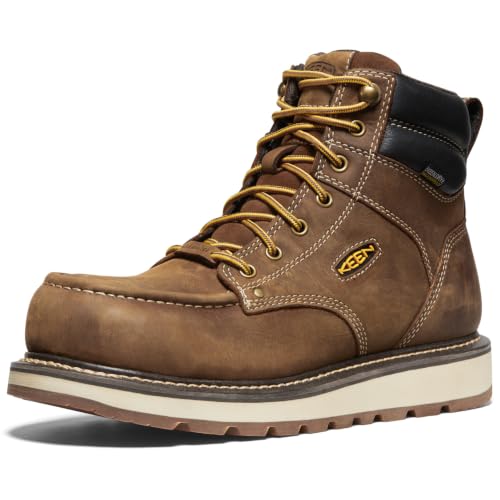


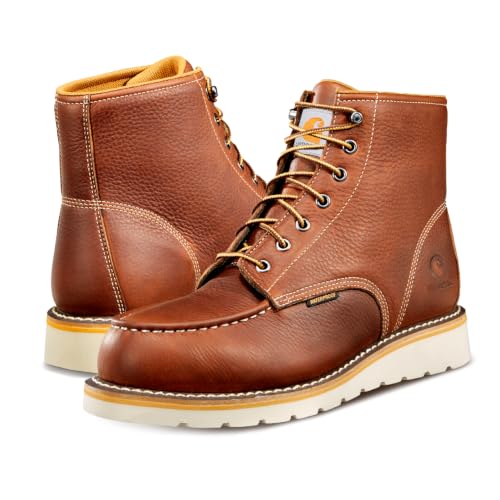

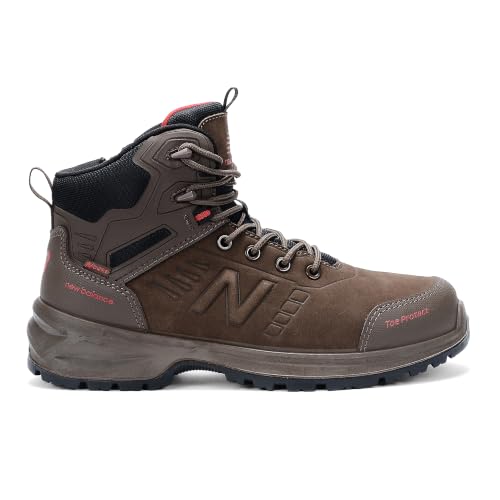
Boots 101: The Basics
A machine shop boot is a safety boot built for floors that carry oil, coolant, and metal chips. The toe end hides a protective cap, made of steel, an alloy, or a composite material, that guards your toes against dropped stock and tools. The sole is a flat, grippy slab made to hold on slick concrete, and the upper is usually thick leather that tolerates sparks and sharp edges. Shoppers comparing the broader class can also read our guide to best work boots for machine shop, then narrow the choice by the specs below.
Read the rating label inside the boot before anything else. It lists the toe cap class and any extra codes, such as electrical hazard or metatarsal protection, and it is the only reliable proof of what the boot protects. Your shop safety rules set the minimum, so match the label to those rules before you compare comfort.
Key Specs Explained in Plain English
Features That Matter for Machine Shop Work
Protection starts at the label, because a toe rating is read from the label inside the boot, never from how heavy the boot feels in your hand. That label states the impact and compression classes the cap is rated for. Steel caps are the budget standard, alloy caps cut weight, and composite caps stay warmer in a cold shop and do not conduct electricity.
Where heavy stock moves overhead or parts drop from benches, a metatarsal guard shields the small bones on top of the foot. Check your shop safety rules before ordering, since many employers name the exact rating a boot must carry.
Soles That Grip Oily Floors
Grip on a shop floor comes from an oil resistant sole and the right tread. The sole compound resists softening when it stands in oil or coolant all shift, and a shallow, wide tread pattern sheds metal chips instead of packing them in the way deep lugs do. Wedge soles, flat from heel to toe, suit smooth concrete and long hours of standing in one spot. If your work crosses gravel or a loading dock, a low lug adds bite outdoors without giving up much grip indoors.
Leather Uppers and Hot Chips
The upper decides how a boot handles hot chips. Thick, smooth leather sheds the sparks and swarf thrown off by cutting and grinding, where the same debris would melt into fabric or lodge in mesh. A gusseted tongue and a flap over the laces keep chips from settling into the lace bed, where they abrade stitching and chew through laces. Suede and split leathers scorch more easily, so smooth full grain leather is the safer default anywhere near grinding work.
Fit, Sizing, and Toe Box
A safety cap needs length, so your toes should never touch the front of the cap, even when you kneel or crouch. Fit boots in the afternoon with your work socks on, because feet swell across a shift and the cap will not stretch later. A small amount of heel lift is normal in a stiff new pair and settles as the sole breaks in. If your toes brush the cap, go up half a size before you blame the width.
Cushioning and Support for Long Shifts
Concrete floors punish heels and arches across an eight hour shift, so the insole matters more here than in most boot shopping. A cushioned insole with real arch support spreads your weight and slows the ache that builds by mid afternoon. A firm shank under the arch keeps the boot from flexing where your foot should not bend. A low heel to toe drop keeps your stance level on flat floors, which most machinists find easier on the knees than a tall heeled boot.
Weight and Flexibility
A typical pair weighs about 3 to 4 pounds, and where the weight sits changes how the day feels. Lighter pairs with alloy or composite caps suit machinists who walk the shop all day between machines. Heavier pairs earn their weight around presses and stock racks, where protection matters more than pace. Flexibility at the ball of the foot matters if your work involves kneeling at low machine panels, so check that the sole bends there and not through the arch.
Waterproofing and Membranes
Most machine shops are dry, and splashes are the real enemy rather than standing water. A waterproof membrane helps if you work near washdown areas or coolant systems that mist and leak, because it keeps splashes from soaking the leather through. The trade is heat: a membrane breathes less, and warm feet sweat more across a long shift. If your corner of the shop stays dry, plain leather with a water resistant treatment is usually the cooler and cheaper answer.
Rookie Mistakes to Avoid
- Buying fashion boots styled like work boots, which carry no rating label and no real toe protection at all.
- Choosing deep lug soles that pack tight with metal chips, then skating on the very floors you bought grip for.
- Sizing to your street shoe size, so your toes end up pressed against the cap by the end of a shift.
- Wearing mesh or fabric uppers near grinding, where hot chips melt in and keep burning against the foot.
- Ignoring your employer rating requirements, then having a brand new pair refused at the door on day one.
Getting Started: First Wear and Care
When the box arrives, read the rating label inside the boot first and confirm it matches what your shop requires. Lace the pair snugly from the bottom up, then walk, crouch, and kneel at home to check that your toes stay clear of the cap. Keep the first shifts short while the leather settles around your ankle. Brush chips out of the tread each night, wipe oil off the leather weekly so it does not soften and crack, and let a wet pair air dry away from direct heat.
Frequently Asked Questions
What features matter most in boots for machine shop?
The rated toe cap and an oil resistant sole matter most, because they answer the two hazards a shop floor guarantees: dropped stock and slick concrete. One label line many first time buyers miss is the electrical hazard rating, a sole and heel built to reduce shock risk around live circuits. If your work brings you near open electrical panels, check for that line before you buy, since it is a separate rating from the toe cap.
Can machine shop boots be worn for a full shift?
Yes, machine shop boots can be worn for a full shift when the fit and cushioning suit standing work. Keep one timing detail in mind: feet swell as the hours pass, so a pair that feels perfect at seven in the morning can pinch by mid afternoon. Judge all day comfort by how a boot feels late in a fitting session, not in the first five minutes. Laces you can ease at midday make the last hours kinder.
How often should machine shop boots be replaced?
Replace them when the protection fades: a sole worn smooth or gone hard from oil, leather worn through above the cap, or an upper cracked at the flex point. One ageing factor the calendar misses is oil soaked leather, which loses its protective stiffness long before it looks worn. Boots that stand in coolant puddles daily age faster than pairs on dry floors. Many shops simply budget a fresh pair about once a year.
Do machine shop boots need to be waterproof?
Only boots working near washdown areas, leaking coolant lines, or outdoor stock yards gain much from a membrane. A membrane stops splashes that land on the upper, but coolant that runs over the collar still gets in, so boot height and a gusseted tongue matter as much as the membrane itself in a wet corner. On dry floors the membrane mostly adds heat. Plain treated leather is the cooler default for most indoor shops.
Are expensive machine shop boots worth the money?
They can be, since entry pairs run about $80 to $130 while mid range pairs at about $130 to $200 usually add lighter caps and better insoles. One point the price tag hides: a welted pair can be resoled, which spreads the higher price across extra years of service. Many employers also offer a boot allowance that closes most of the gap between tiers. Check that allowance before you rule the higher tier out.
Final Thoughts
Read the rating label, match the sole to your floor, and pick leather that suits the mess your machines make. The product table above gathers pairs with their ratings shown, so a first time buyer can compare classes without decoding every tag in the store. Choose the best boots for machine shop for the work you actually do, and your feet will finish each shift as steady as they started it.


